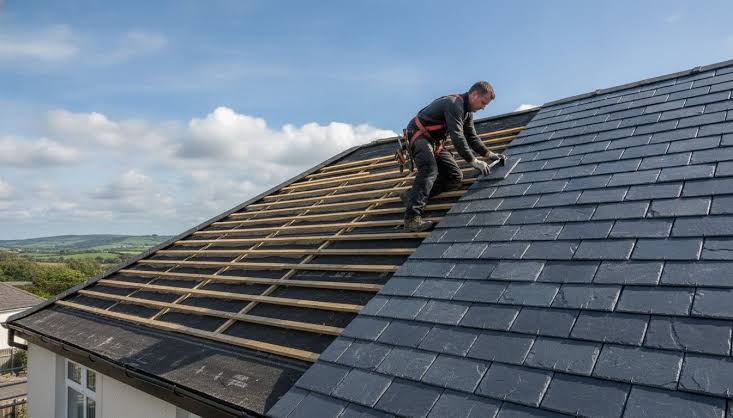
Have you ever stared at your aging shingle roof and wondered if switching to metal is worth the hassle? Many homeowners hesitate because they fear their lives will be turned upside down for weeks on end. The good news is that modern installation techniques are faster than you might think. If you are asking, “How long does it take to install a metal roof,” the short answer is usually between two to five days for an average-sized home. However, several variables can shift this timeline, and understanding them is key to planning your renovation without stress.
Understanding the Average Timeline
When contractors give you an estimate, they aren’t just guessing. The duration of a metal roof installation depends heavily on the complexity of your home’s architecture and the type of metal system chosen. For a standard 2,000-square-foot home with a simple gable roof, a professional crew can often complete the job in 3 to 4 days.
This speed is one of metal roofing’s biggest selling points. Unlike traditional asphalt shingles, which require nailing down thousands of individual pieces, metal panels cover large surface areas quickly. However, “quick” does not mean “rushed.” Proper installation is critical for longevity, weatherproofing, and warranty validation.
Factors That Influence Installation Speed
Before we dive into the day-by-day breakdown, it is essential to understand what speeds up or slows down the process. Here are the primary variables:
- Roof Complexity: A simple gable roof is fast. A roof with multiple valleys, dormers, chimneys, and skylights requires intricate flashing work, which adds time.
- Installation Method: Are they installing over existing shingles (retrofit) or tearing off the old roof? Tear-offs add 1–2 days.
- Crew Size: A team of 4–6 professionals works significantly faster than a smaller crew.
- Weather Conditions: Rain, high winds, or extreme heat can halt work for safety reasons.
- Material Type: Standing seam panels often take longer to lock together than exposed-fastener corrugated panels.
Step-by-Step: The Installation Process Breakdown
To truly answer how long does it take to install a metal roof, let’s look at what happens each day. This assumes a standard residential project where the old roof is being removed.
Day 1: Preparation and Tear-Off
The first day is often the loudest and most disruptive. The crew arrives early to set up safety equipment, including scaffolding and fall protection systems. They will also place a dumpster or debris trailer on your property.
- Site Protection: Landscaping and windows are covered to protect against falling nails and debris.
- Removal: The old roofing material (shingles, underlayment, and sometimes decking) is stripped away.
- Inspection: Once bare, the roof deck is inspected for rot or damage. Any compromised plywood must be replaced immediately.
Note: If your roof deck is in poor condition, this phase can extend into a second day.
Day 2: Underlayment and Flashing Prep
With a clean deck, the focus shifts to waterproofing. This stage is crucial for preventing leaks and ensuring the metal performs well for decades.
- Synthetic Underlayment: High-quality synthetic felt is rolled out and stapled down. This acts as a secondary moisture barrier.
- Drip Edge and Trim: Metal drip edges are installed along the eaves and rakes.
- Flashing Installation: Critical areas like chimneys, vent pipes, and wall intersections receive initial flashing work. Precision here prevents future water intrusion.
According to industry standards, proper underlayment installation is non-negotiable. You can read more about the importance of roofing underlayment materials on Wikipedia to understand why this layer matters for your home’s envelope.
Day 3: Panel Installation Begins
This is where your new roof starts to take shape. The crew begins laying the metal panels, starting from the eaves and working upward toward the ridge.
- Alignment: Panels must be perfectly straight. Even a slight deviation can cause issues at the ridge cap.
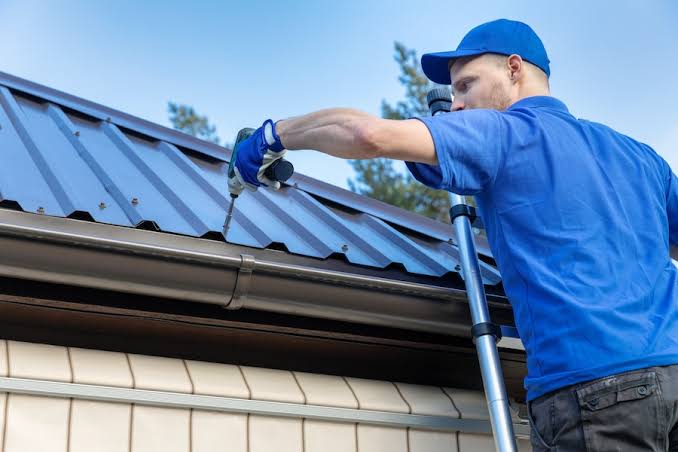
- Fastening: Depending on the system, screws are driven through the flat part of the panel (for exposed fastener systems) or hidden within the seams (for standing seam systems).
- Cutting: Panels are cut on-site to fit around obstacles like vents or chimneys.
For a medium-sized home, a skilled crew can cover 60–70% of the roof area on this day.
Day 4: Completion and Ridge Cap
The final panels are installed, and the ridge cap—the piece that covers the peak of the roof—is secured. This is a detail-oriented task that ensures wind and rain cannot penetrate the highest point of your roof.
- Sealing: All seams and fasteners are checked. Sealant may be applied to specific joints depending on the manufacturer’s guidelines.
- Cleanup: The crew uses magnetic sweepers to pick up stray screws and nails from your yard and driveway. This is vital for the safety of your family and pets.
Day 5 (If Needed): Final Inspection and Touch-Ups
Complex roofs or larger homes may require a fifth day. This buffer allows for:
- Completing intricate flashing around multiple chimneys.
- Addressing any unexpected structural repairs found during tear-off.
- A final walk-through with the homeowner to ensure satisfaction.
Standing Seam vs. Exposed Fastener: Which Is Faster?
Not all metal roofs are created equal. The type of system you choose impacts the installation timeline significantly.
| Feature | Exposed Fastener (Corrugated/R-Panel) | Standing Seam |
|---|---|---|
| Installation Speed | Faster | Slower |
| Method | Screws go directly through the panel into the deck. | Panels clip together; fasteners are hidden. |
| Labor Intensity | Lower | Higher (requires precision locking) |
| Typical Timeline | 2–3 Days | 3–5 Days |
| Durability | Good (screws may loosen over time) | Excellent (no penetration in field of panel) |
Exposed fastener systems are generally quicker to install because the learning curve is lower, and the mechanical action of screwing down panels is straightforward. Standing seam roofs, while more expensive and time-consuming, offer superior longevity and aesthetic appeal. The extra time spent on standing seam installation is an investment in a roof that can last 50+ years with minimal maintenance.
Why Professional Installation Matters
You might be tempted to ask if you can speed up the process by DIYing or hiring a handyman. However, metal roofing requires specialized tools and knowledge. Improper installation can lead to:
- Oil Canning: Visible waviness in the panels due to improper handling or fastening.
- Leaks: Incorrect flashing or sealant application.
- Voided Warranties: Most manufacturers require certified installers to validate the warranty.
Hiring a certified professional ensures that the timeline is met without sacrificing quality. They have the crew size and expertise to handle unexpected challenges efficiently.
FAQ Section
1. Can you install a metal roof over existing shingles?
Yes, in many cases, you can. This is called a “retrofit” or “overlay.” It can save 1–2 days because there is no tear-off. However, local building codes may limit this to one layer of existing roofing. Always check with your contractor and local authorities first.
2. Does weather affect the installation timeline?
Absolutely. Metal roofing installation cannot proceed during heavy rain, lightning, or high winds (usually above 20–25 mph). Wet decks can also trap moisture, leading to mold issues later. A reputable contractor will build weather delays into their schedule.
3. How long does it take to install a metal roof on a large commercial building?
Commercial projects vary widely. While a residential home takes days, a large commercial facility can take weeks or even months. The principles are the same, but the scale, logistics, and safety requirements are much more complex.
4. Will the installation noise disturb my neighbors?
Metal roofing installation involves hammering, drilling, and walking on the roof. It is louder than shingle installation. However, since the process only takes a few days, the disturbance is temporary. Informing neighbors beforehand is a courteous gesture.
5. What is the longest part of the installation process?
For most homes, the tear-off and deck preparation are the most time-consuming phases. Once the deck is ready, the actual metal panel installation goes relatively quickly. If your deck needs significant repair, this will add the most time to your project.
Conclusion
So, how long does it take to install a metal roof? For most homeowners, you can expect your project to be completed in 2 to 5 days. This relatively short timeframe is a major advantage of metal roofing, minimizing disruption to your daily life while providing a durable, energy-efficient upgrade to your home.
By choosing the right type of metal system and hiring a certified professional, you ensure that the job is done right the first time. Remember, the slight variation in time between different systems is a small price to pay for a roof that could last a lifetime.
If you found this guide helpful, please share it with friends or family who are considering a roof replacement. Helping others make informed decisions is always a good deed!