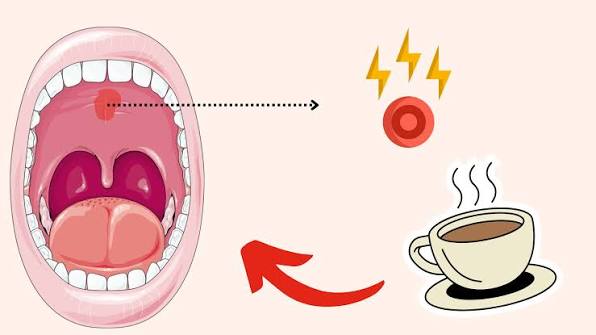
We have all been there. You take a bite of that delicious, piping-hot slice of pizza or sip your morning coffee, and suddenly, a sharp sting radiates through the top of your mouth. It is an uncomfortable, often painful experience that can make eating and speaking difficult for days. If you are wondering how to heal a burn on the roof of mouth effectively and safely, you are in the right place.
While these burns are rarely serious, they can be incredibly annoying. The tissue on the roof of your mouth (the palate) is delicate and sensitive. In this guide, we will walk you through immediate first aid, proven home remedies, and warning signs that indicate you need professional medical attention. Let’s get your comfort back.
Why Does the Roof of My Mouth Burn So Easily?
Before diving into treatments, it helps to understand what is happening biologically. The roof of your mouth is covered by a thin layer of mucous membrane. Unlike the skin on your hands, this tissue lacks the thick protective outer layer (stratum corneum) that shields against heat.
When hot food or liquid touches this area, it causes thermal injury to the cells. This triggers inflammation, leading to redness, swelling, and pain. In severe cases, blisters may form, or the top layer of skin may peel off. According to general medical consensus, most minor oral burns are first-degree burns, affecting only the outer layer of tissue. However, because the mouth is a moist environment filled with bacteria, keeping the area clean is crucial for preventing infection during the healing process.
Immediate First Aid: What To Do Right After the Burn
Time is of the essence. The actions you take in the first few minutes can significantly reduce the severity of the burn and the duration of your pain. Here is a step-by-step protocol to follow immediately after the incident.
1. Cool the Area Immediately
Do not ignore the sting. As soon as you realize you have burned your palate, stop eating or drinking the hot substance.
- Action: Take a small sip of cold water. Swish it gently around your mouth, focusing on the roof of your mouth, for about 30–60 seconds.
- Temperature: Use water that is cool but not freezing (around 10–15°C). Ice-cold water can sometimes cause further tissue damage or sensitivity.
- Repeat: Do this 2–3 times until the burning sensation subsides.
2. Avoid Irritants
Once the initial shock wears off, your palate will be vulnerable. For the next 24 hours, avoid:
- Spicy foods (chili, hot sauce)
- Acidic foods (citrus fruits, tomato sauce, vinegar)
- Crunchy or sharp foods (chips, nuts, hard crusts)
- Alcohol-based mouthwashes
These substances can aggravate the damaged tissue and delay healing. Stick to soft, bland foods like yogurt, applesauce, or lukewarm soup.
Proven Home Remedies to Speed Up Healing
If you are looking for how to heal a burn on the roof of mouth beyond basic first aid, several natural and over-the-counter remedies can accelerate recovery. These methods focus on reducing inflammation, soothing pain, and keeping the area moist.
Honey: The Natural Healer
Honey has been used for centuries for its antimicrobial and anti-inflammatory properties. Studies suggest that honey can promote wound healing and reduce pain in oral mucositis.
- How to use: Take one teaspoon of raw, organic honey. Let it sit on the burned area for a minute before swallowing. Repeat 2–3 times a day.
- Note: Do not give honey to children under one year old due to the risk of botulism.
Salt Water Rinse
A saline solution helps keep the mouth clean and reduces the risk of infection without stinging as much as commercial mouthwashes.
- Recipe: Mix 1/2 teaspoon of salt into 1 cup (240 ml) of warm water. Ensure the water is lukewarm, not hot.
- Application: Swish gently for 30 seconds and spit out. Do this 2–3 times a day, especially after meals.
Yogurt and Cold Dairy
Dairy products provide a cooling effect and contain probiotics that may support oral health. The fat content in full-fat yogurt or milk can also coat the burned area, providing a temporary protective barrier.
- Tip: Choose plain, unsweetened yogurt to avoid irritation from sugar or artificial flavors.
Over-the-Counter Pain Relievers
If the pain is interfering with your sleep or daily activities, non-prescription medication can help.
- Options: Ibuprofen (Advil, Motrin) or Acetaminophen (Tylenol).
- Dosage: Follow the instructions on the package carefully. Ibuprofen is particularly effective as it also reduces inflammation.
Comparison: Effective Remedies vs. Common Myths
It is easy to fall for internet myths when in pain. Here is a quick comparison to help you choose the right path.
| Remedy | Effectiveness | Verdict |
|---|---|---|
| Cold Water/Ice Chips | High | Excellent for immediate pain relief and reducing swelling. |
| Honey | High | Promotes healing and soothes irritation naturally. |
| Salt Water Rinse | Medium-High | Keeps area clean; prevents infection. |
| Toothpaste | Low/Negative | Can irritate sensitive tissue due to mint and abrasives. Avoid. |
| Alcohol Mouthwash | Negative | Dries out tissue and causes severe stinging. Avoid completely. |
| Popping Blisters | Negative | Increases infection risk and delays healing. Never do this. |
When Should You See a Doctor?
Most burns on the roof of the mouth heal within 3 to 7 days. However, complications can arise. You should consult a healthcare provider if:
- The pain does not improve after 3–4 days of home treatment.
- You see signs of infection, such as pus, increasing redness, or fever.
- The burn covers a large area of your mouth or throat.
- You have difficulty breathing or swallowing.
- The burn was caused by chemicals or electricity, not just heat.
For more detailed information on oral tissue injuries and medical classifications, you can refer to resources like Wikipedia’s entry on Burns, which provides a comprehensive overview of burn degrees and medical treatments.
FAQ: Common Questions About Palate Burns
1. How long does it take for a burn on the roof of the mouth to heal?
Minor first-degree burns typically heal within 3 to 7 days. Second-degree burns, which may involve blistering, can take up to two weeks. The mouth heals faster than other parts of the body due to its rich blood supply and constant moisture.
2. Can I brush my teeth if I have a burn on my palate?
Yes, but be careful. Use a soft-bristled toothbrush and avoid scrubbing the roof of your mouth directly. You might want to skip flossing near the affected area if it causes discomfort. Maintaining oral hygiene is important to prevent bacterial buildup on the wounded tissue.
3. Is it okay to eat hot food while my mouth is healing?
No. You should stick to lukewarm or cold foods until the pain subsides and the tissue has visibly healed. Hot foods can re-injure the sensitive area and prolong the healing process. Think of it as giving your palate a “rest period.”
4. Why does my skin peel off the roof of my mouth after a burn?
Peeling is a normal part of the healing process for second-degree burns. The top layer of damaged tissue dies and sheds to make way for new, healthy cells underneath. Do not pull at the peeling skin, as this can cause bleeding and increase the risk of infection. Let it come off naturally.
5. Can I use numbing gels like Orajel?
Yes, topical oral anesthetics containing benzocaine can provide temporary relief. However, use them sparingly and according to the package directions. Overuse can lead to irritation or rare side effects. They are best used before meals if eating is painful.
Conclusion
Dealing with a burnt palate is unpleasant, but knowing how to heal a burn on the roof of mouth can make the process much more manageable. By acting quickly with cold water, avoiding irritants, and using soothing remedies like honey or salt water rinses, you can significantly reduce pain and speed up recovery.
Remember, patience is key. Your mouth is designed to heal rapidly, so give it the care it needs, and you’ll be back to enjoying your favorite hot meals in no time.
Did this guide help you soothe your burn? Share this article with friends and family on social media—they might thank you the next time they reach for that too-hot cup of coffee!
Leave a Reply