Most homeowners dread the thought of a major home renovation, but ignoring your roof can lead to catastrophic water damage and costly repairs. If you are staring at curling shingles or worrying about the age of your home, you are likely asking: how often should a roof be replaced on a house? The answer isn’t one-size-fits-all, but understanding the variables can save you thousands of dollars and significant stress.
In this guide, we will break down the average lifespans of common roofing materials, identify the critical warning signs that indicate it’s time for a replacement, and provide actionable advice on how to extend the life of your current roof. Whether you are buying a new home or maintaining your current one, this information is essential for protecting your biggest investment.
Understanding Average Roof Lifespans by Material
The primary factor determining when you need to replace your roof is the material used. Different materials have vastly different durability levels, resistance to weather, and maintenance requirements. Here is a breakdown of what you can expect from the most common roofing types in the United States.
1. Asphalt Shingles
Asphalt shingles are the most popular roofing material in North America due to their affordability and ease of installation. However, they also have the shortest lifespan among common materials.
- 3-Tab Asphalt Shingles: These basic shingles typically last 15 to 20 years. They are prone to wind damage and thermal cracking.
- Architectural (Dimensional) Shingles: These are thicker and more durable, lasting 25 to 30 years. Many come with warranties up to 30 years, but real-world performance depends heavily on ventilation and climate.
2. Metal Roofing
Metal roofs are gaining popularity for their longevity and energy efficiency.
- Steel or Aluminum: With proper coating and maintenance, these can last 40 to 70 years.
- Copper or Zinc: These premium metals can last 100+ years, often outliving the structure itself. While the upfront cost is higher, the long-term value is undeniable.
3. Wood Shakes and Shingles
Wood offers a rustic, natural aesthetic but requires significant maintenance.
- Lifespan: Approximately 20 to 30 years.
- Considerations: Wood is susceptible to mold, moss, and fire. In humid climates, regular treatment is necessary to prevent rot.
4. Slate and Tile
These are the heavyweights of roofing, known for extreme durability and classic beauty.
- Clay/Concrete Tiles: Last 50 to 100 years. They are fire-resistant and excellent for hot climates.
- Natural Slate: Can last 100+ years. Slate is incredibly durable but heavy, requiring reinforced roof framing.
| Material | Average Lifespan | Cost Level | Maintenance Need |
|---|---|---|---|
| Asphalt (3-Tab) | 15–20 Years | Low | Moderate |
| Asphalt (Architectural) | 25–30 Years | Medium | Low |
| Metal | 40–70 Years | High | Low |
| Wood Shake | 20–30 Years | Medium-High | High |
| Slate/Tile | 50–100+ Years | Very High | Low |
Key Factors That Shorten Roof Life
Even the highest quality materials can fail prematurely if external factors are not managed. Understanding these variables helps you assess your specific situation accurately.
Climate and Weather Exposure
Your geographic location plays a massive role. Homes in areas with frequent hail storms, high winds, or extreme temperature fluctuations will see faster degradation. For instance, UV radiation breaks down the asphalt binders in shingles, causing them to become brittle. Conversely, constant moisture in rainy climates promotes algae and moss growth, which can lift shingles and trap water underneath.
Ventilation and Insulation
This is often the most overlooked factor. A poorly ventilated attic traps heat and moisture. In summer, this “bakes” the shingles from underneath, shortening their life. In winter, poor insulation can lead to ice dams, which force water under the shingles. According to building science principles, proper airflow is critical to maintaining the structural integrity of both the roof deck and the covering material. You can read more about the physics of building envelopes on Wikipedia.
Installation Quality
A roof is only as good as its installation. Improper nailing patterns, inadequate flashing around chimneys and vents, or poor underlayment installation can lead to leaks within just a few years, regardless of the material quality. Always hire licensed, insured, and highly-reviewed contractors.
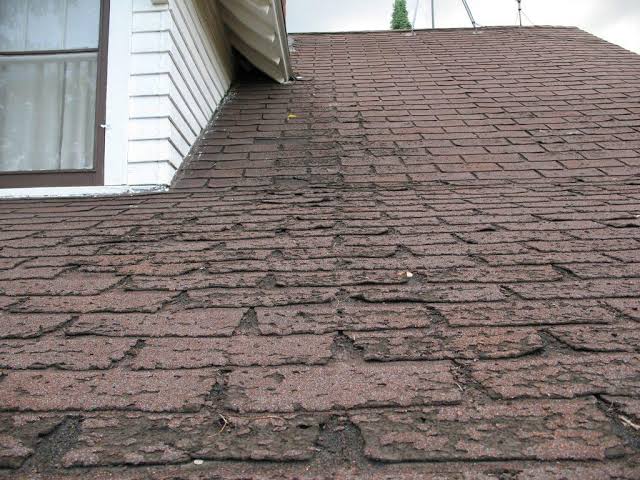
Warning Signs It’s Time for a Replacement
How do you know if it’s time to call a professional? Look for these definitive signs.
1. Age of the Roof
If your asphalt shingle roof is approaching the 20-year mark, start planning for a replacement. Even if it looks okay from the ground, the materials may be nearing the end of their functional life.
2. Curling or Cupping Shingles
Shingles should lie flat. If you see edges curling upward (cupping) or downward (clawing), the shingles are losing their integrity. This is often caused by moisture imbalance or age.
3. Missing Granules
Check your gutters. If you find an accumulation of sand-like granules, your shingles are shedding their protective UV layer. This exposes the asphalt to the sun, accelerating deterioration. Bald spots on the roof are a clear red flag.
4. Daylight Through the Roof Boards
If you can see sunlight coming through your attic ceiling, you have gaps in your roof deck. This indicates severe structural issues or missing shingles that require immediate attention.
5. Sagging Roof Deck
A sagging roof is a critical structural issue. It usually indicates problems with the rafters or trusses, often due to long-term water damage or excessive weight. This requires immediate professional assessment.
Step-by-Step: How to Assess Your Roof’s Condition
You don’t need to be a contractor to perform a basic visual inspection. Follow these steps twice a year, ideally in spring and fall.
- Ground-Level Inspection: Use binoculars to walk around your house. Look for missing, cracked, or curled shingles. Check for rusted flashing around chimneys and vents.
- Gutter Check: Clean out your gutters and look for granule buildup. Excessive granules suggest the shingles are wearing out.
- Attic Inspection: Go into your attic during the day. Look for any pinpoints of light. Check for water stains, dark spots, or mold on the underside of the roof deck. Smell for musty odors, which indicate trapped moisture.
- Professional Evaluation: If you notice any of the above issues, or if your roof is over 15 years old, hire a certified roof inspector. They can provide a detailed report on the remaining life expectancy of your roof.
Frequently Asked Questions (FAQ)
1. Can I replace just part of my roof?
While technically possible, it is generally not recommended. Matching new shingles to old ones is difficult due to fading and weathering. Furthermore, mixing old and new materials can create uneven surfaces that are prone to leaks. Most professionals recommend a full replacement for consistency and warranty purposes.
2. Does homeowners insurance cover roof replacement?
Insurance typically covers roof replacement if the damage is caused by a sudden, covered peril like a storm, hail, or falling tree. However, they usually do not cover wear and tear, age-related deterioration, or lack of maintenance. Always review your policy specifics.
3. How much does a roof replacement cost?
Costs vary widely based on size, material, and location. For an average 2,000-square-foot home, an asphalt shingle roof might cost between $8,000 and $15,000. Metal roofs can range from $15,000 to $30,000+, while slate and tile can exceed $50,000. Always get at least three quotes from reputable contractors.
4. How can I extend the life of my roof?
Regular maintenance is key. Keep gutters clean to prevent water backup. Trim overhanging tree branches to reduce debris and shade (which promotes moss). Ensure your attic is properly ventilated and insulated. Schedule professional inspections every 2–3 years.
5. What is the best time of year to replace a roof?
Late spring to early fall is ideal because roofing materials (especially asphalt) require warm temperatures to seal properly. However, reputable contractors work year-round. Avoid replacing roofs during heavy rain or extreme cold if possible, as it can affect the quality of the installation.
Conclusion
Knowing how often should a roof be replaced on a house is crucial for maintaining your home’s value and safety. While asphalt shingles typically last 20–30 years, metal, slate, and tile options offer significantly longer lifespans. By recognizing the warning signs—such as curling shingles, granule loss, and attic leaks—you can plan for replacement before minor issues become major disasters.
Remember, proactive maintenance and professional inspections are your best tools for extending your roof’s life. Don’t wait for a leak to appear; take action today to protect your home.
Found this guide helpful? Share it with your friends on social media to help them protect their homes too!
Leave a Reply