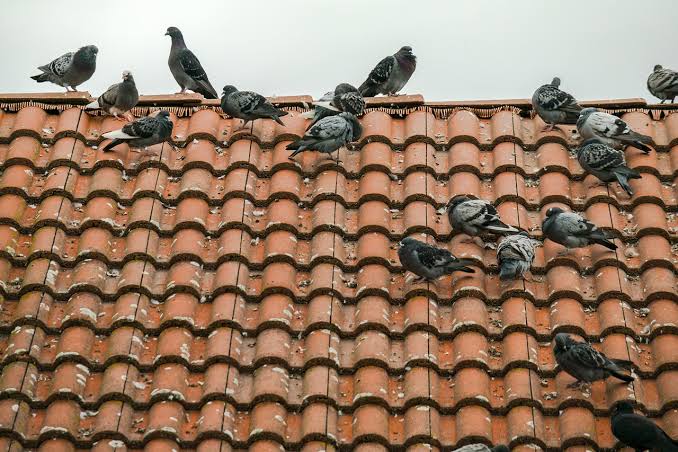
Dealing with a flock of pigeons roosting on your home is more than just a nuisance; it is a genuine health hazard and a threat to your property’s structural integrity. If you have found yourself asking, “How can I get rid of pigeons on my roof,” you are not alone in this frustrating battle. This guide provides actionable, humane, and effective strategies to reclaim your space from these persistent urban pests.
Why Are Pigeons Choosing Your Roof?
Before we dive into removal tactics, it is crucial to understand why your roof has become a pigeon hotspot. Pigeons, scientifically known as Columba livia, are creatures of habit. They seek three primary things: safety, shelter, and proximity to food sources.
Your roof offers an elevated vantage point that protects them from ground-level predators like cats and raccoons. Furthermore, flat roofs, chimneys, and HVAC units provide ideal nesting spots that mimic the cliff ledges they inhabit in the wild. According to urban wildlife studies, once a pair of pigeons establishes a nest, they will return to the same spot repeatedly, often bringing their offspring back to the same location.
Understanding this behavior is key. You cannot simply shoo them away once; you must make the environment permanently unattractive to them.
Top 5 Proven Methods to Remove Pigeons
When considering how can I get rid of pigeons on my roof, you have several options ranging from DIY fixes to professional installations. Here are the most effective methods, ranked by efficacy and longevity.
1. Install Bird Spikes (The Physical Barrier)
Bird spikes are arguably the most reliable long-term solution for flat surfaces, ledges, and roof peaks. These devices do not harm the birds; instead, they make landing physically impossible.
- How it works: Spikes create an uneven surface that prevents pigeons from gaining footing.
- Installation Tip: Ensure the spikes cover the entire landing zone. Gaps larger than two inches may still allow bold pigeons to squeeze through.
- Material Choice: Stainless steel spikes last longer than plastic ones, which can degrade under UV exposure after a few years.
2. Use Bird Netting for Large Areas
If you have a large, open roof area or recessed balconies, netting is the superior choice. It creates a physical barrier that blocks access entirely.
- Best For: Covering eaves, solar panels, or large flat sections.
- Durability: Look for UV-stabilized polyethylene netting. Cheap netting will rot within a season.
- Professional Note: Improperly installed netting can sag, creating a trap for birds. Tensioning the net correctly is vital.
3. Apply Visual and Auditory Deterrents
Pigeons are wary of predators and sudden movements. Reflective objects, such as old CDs, reflective tape, or specialized predator decoys (like owls or hawks), can work temporarily.
- The Limitation: Pigeons are intelligent. They quickly realize that a plastic owl that never moves is not a threat.
- Pro Tip: Move decoys every few days and combine them with auditory deterrents, such as ultrasonic repellers or distress call emitters, to maintain effectiveness.
4. Seal Entry Points and Nesting Sites
Prevention is better than cure. Inspect your roof for any gaps, broken tiles, or open vents where pigeons might enter to nest inside the attic or roof cavity.
- Action Step: Use hardware cloth or steel wool to block small openings. Avoid using foam alone, as pigeons can peck through it.
- Safety Warning: Always wear a mask and gloves when sealing areas with existing droppings due to the risk of histoplasmosis, a fungal infection linked to bird waste.
5. Hire Professional Pest Control
If the infestation is severe, or if you are uncomfortable working at heights, professional help is the safest route. Experts can assess the extent of the damage and install commercial-grade exclusion systems.
For more detailed information on the biological behavior of feral pigeons and their impact on urban environments, you can refer to this comprehensive resource on Wikipedia.
Comparison: DIY vs. Professional Pigeon Removal
Choosing between doing it yourself and hiring a pro depends on your budget, the severity of the issue, and your comfort level.
| Feature | DIY Methods | Professional Services |
|---|---|---|
| Cost | Low ($50–$200) | High ($500–$2,000+) |
| Effectiveness | Variable; requires maintenance | High; often comes with warranties |
| Safety Risk | High (working on roofs) | Low (insured professionals) |
| Time Commitment | High (research & install) | Low (you just schedule it) |
| Longevity | Short to Medium term | Long term |
Step-by-Step Guide: Cleaning Up After Pigeons
Once you have addressed how can I get rid of pigeons on my roof, you must deal with the aftermath. Pigeon droppings are acidic and can corrode roofing materials, not to mention the health risks.
Step 1: Safety First Put on an N95 respirator mask, heavy-duty gloves, and protective eyewear. Wet the droppings with a mixture of water and disinfectant to prevent dust particles from becoming airborne.
Step 2: Removal Use a plastic scraper to remove thick layers of waste. Do not use a pressure washer initially, as this can spray contaminated water into the air and onto your siding.
Step 3: Disinfection Apply a enzymatic cleaner or a bleach solution (1 part bleach to 10 parts water) to the affected area. Let it sit for 15 minutes to kill bacteria and fungi.
Step 4: Rinse and Dry Rinse the area gently with a garden hose. Allow the roof to dry completely before installing any deterrents like spikes or netting.
Frequently Asked Questions (FAQ)
1. Is it legal to remove pigeons from my roof?
In the United States, feral pigeons are generally not protected under the Migratory Bird Treaty Act. However, local ordinances may vary. It is illegal to use poison or cruel traps in many jurisdictions. Always check your local city regulations before taking action.
2. Will mothballs keep pigeons away?
Mothballs contain naphthalene or paradichlorobenzene, which are toxic chemicals. While the smell may deter birds temporarily, using them outdoors is often illegal due to environmental contamination risks. They are not a recommended or safe solution for roof use.
3. How long does it take to see results after installing deterrents?
Results vary. Visual deterrents may work immediately but lose effectiveness over weeks. Physical barriers like spikes and netting work instantly upon installation. Behavioral changes in the flock usually take 2–4 weeks as they search for new roosting sites.
4. Can pigeons damage my roof structure?
Yes. Their droppings are highly acidic and can eat through metal flashing, shingles, and paint. Additionally, the weight of accumulated nests and debris can clog gutters, leading to water damage and mold growth inside your home.
5. What is the most humane way to get rid of pigeons?
Exclusion methods are the most humane. By using spikes, netting, or sealing entry points, you prevent them from accessing your roof without harming them. Avoid glue traps or poisons, which cause unnecessary suffering and are often ineffective for long-term control.
Conclusion
Learning how can I get rid of pigeons on my roof is about consistency and using the right tools for the job. While no single method works perfectly for every situation, combining physical barriers like spikes or netting with regular maintenance offers the best protection. Remember, the goal is not to harm the birds, but to encourage them to find a more suitable home elsewhere.
By taking action now, you protect your health, your property value, and your peace of mind. Don’t let the cooing and mess dictate your home life.
Did you find this guide helpful? Share this article with your neighbors on social media—pigeon problems are often community-wide, and solving them together is more effective!
Leave a Reply