Has your home improvement project turned into a nightmare? It is incredibly stressful when a trusted professional causes significant damage to your most valuable asset. If you are asking, “Roofing Contractor Ruined My Property Can I File A Lein,“ you are likely looking for immediate legal recourse and financial protection. This guide will clarify your rights, explain the legal mechanisms available, and help you navigate this difficult situation with confidence.
Understanding the Legal Landscape: Liens vs. Claims
Before diving into the specific question of filing a lien, it is crucial to understand the terminology. In construction law, the term “lien” is often misunderstood by homeowners. Typically, a Mechanic’s Lien (or Construction Lien) is a tool used by contractors to ensure they get paid by placing a claim on the property.
However, as a homeowner, you generally do not “file a lien” against a contractor in the same way they file one against you. Instead, you have other powerful legal remedies. Let’s break down what you can actually do when a roofing contractor ruins your property.
What Is a Mechanic’s Lien?
A mechanic’s lien is a security interest in the title to property for the benefit of those who have supplied labor or materials that improve the property. While contractors use this to force payment, homeowners usually use lawsuits, insurance claims, or bond claims to recover damages.
For a deeper understanding of property rights and legal definitions, you can refer to general legal principles outlined on Wikipedia.
Can You Actually File a Lien Against a Contractor?
The short answer is: No, not directly. Homeowners do not file liens against contractors. However, you can place a lis pendens (notice of pending action) if you sue them, which alerts potential buyers that the property is involved in litigation. But more commonly, you pursue compensation through:
- Small Claims Court: For damages under a certain threshold (varies by state, typically $5,000–$10,000).
- Civil Lawsuit: For larger damages involving breach of contract and negligence.
- Insurance Claim: Filing against the contractor’s liability insurance.
- License Board Complaint: Reporting the contractor to your state’s licensing board.
Why the Confusion Exists
Many homeowners confuse “filing a lien” with “placing a hold on funds.” If you have not yet paid the final balance, you may have the right to withhold payment until the damage is repaired. This is not a lien, but it is a powerful leverage tool.
Immediate Steps to Take After Property Damage
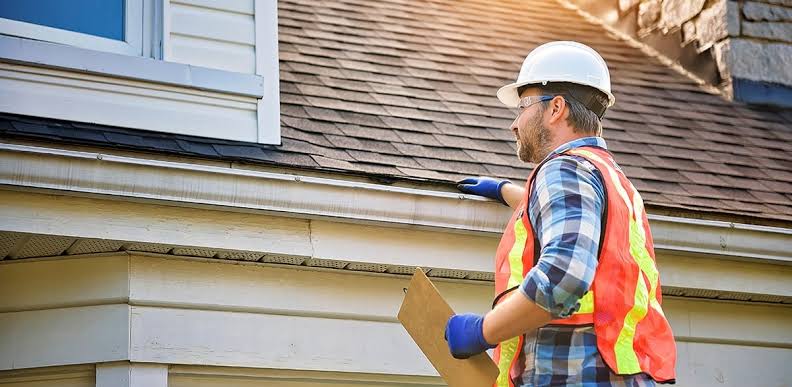
If your roofing contractor has ruined your property—whether by damaging siding, breaking windows, or causing interior water damage—act quickly. Documentation is your best friend in any legal dispute.
Step 1: Document Everything Thoroughly
Take high-resolution photos and videos of all damage. Do not clean up or repair anything yet unless it is an emergency safety hazard. If you must make emergency repairs, document the condition extensively first.
- Date and Time: Ensure your camera settings include timestamps.
- Wide and Close-Up Shots: Capture the overall context and specific details of the damage.
- Communication Logs: Save all texts, emails, and voicemails from the contractor.
Step 2: Review Your Contract
Check your signed agreement for clauses related to:
- Damage Liability: Who is responsible for accidental damage?
- Dispute Resolution: Does it require mediation or arbitration?
- Insurance Requirements: Did the contractor provide proof of general liability insurance?
Step 3: Notify the Contractor in Writing
Send a formal letter (via certified mail) detailing the damage. Include:
- A description of the incident.
- Photos of the damage.
- A request for a repair plan or compensation.
- A deadline for response (e.g., 7–10 days).
This step is critical for establishing a paper trail that shows you attempted to resolve the issue amicably before taking legal action.
Evaluating Your Options for Compensation
When a roofing contractor ruined my property, your path to recovery depends on the severity of the damage and the contractor’s responsiveness. Here is a comparison of your main options:
| Option | Best For | Pros | Cons |
|---|---|---|---|
| Insurance Claim | Significant structural damage | Faster payout; less legal hassle | May increase your premiums; deductible applies |
| Small Claims Court | Minor damages (<$10k) | Low cost; no lawyer needed | Limited monetary recovery; time-consuming |
| Civil Lawsuit | Major damages & negligence | Potential for full compensation + legal fees | Expensive; lengthy process; requires attorney |
| License Board Complaint | Unlicensed or unethical behavior | Can revoke contractor’s license | Does not directly recover money for you |
The Role of Insurance
Most reputable roofing contractors carry General Liability Insurance. This policy covers property damage caused by their work. Before suing, ask for their insurance information and file a claim directly with their provider. This is often the fastest way to get your property repaired without going to court.
How to Prevent Future Issues with Contractors
Prevention is always better than cure. When hiring a roofing contractor, take these precautions to protect your property:
- Verify Licensing and Insurance: Never hire a contractor who cannot provide current proof of general liability and workers’ compensation insurance.
- Check References: Look for reviews on multiple platforms (Google, Yelp, BBB). Ask past clients about cleanliness and damage handling.
- Detailed Contract: Ensure the contract specifies who is liable for damages to landscaping, siding, windows, and interiors.
- Walkthrough Before Work Begins: Document the pre-existing condition of your property with photos. This prevents disputes about whether damage was new or pre-existing.
Frequently Asked Questions (FAQ)
1. Can I sue a roofing contractor for emotional distress?
Generally, no. Courts rarely award damages for emotional distress in property damage cases unless there was intentional infliction of harm or extreme negligence. Focus on recovering the cost of repairs and diminished property value.
2. What if the contractor has no insurance?
If the contractor is uninsured, your options are limited to suing them personally. If they have no assets, collecting money may be difficult. This is why verifying insurance before hiring is critical. You may also check if your homeowner’s insurance covers “uninsured motorist/contractor” scenarios, though this is rare.
3. How long do I have to file a claim for property damage?
This varies by state and is known as the Statute of Limitations. For property damage, it is typically between 2 to 6 years from the date of the incident. Consult a local attorney immediately to ensure you do not miss this deadline.
4. Can I withhold payment if the job is incomplete or damaged?
Yes, in most jurisdictions, you can withhold payment for unfinished or defective work. However, you must follow specific notice procedures outlined in your state’s construction laws. Improper withholding can sometimes lead to the contractor filing a lien against your home.
5. What is a “Counter-Lien”?
A counter-lien is not a standard legal term for homeowners. However, if a contractor files a mechanic’s lien against your home for non-payment, and you believe the work was defective, you can challenge the lien in court. You may need to post a bond to remove the lien while the dispute is resolved.
Conclusion
Dealing with a roofing contractor who has ruined your property is undeniably stressful, but you are not powerless. While you cannot technically “file a lien” against the contractor in the traditional sense, you have robust legal tools at your disposal. By documenting damage, notifying the contractor formally, and leveraging their insurance or small claims court, you can seek fair compensation.
Remember, the key to resolving this issue lies in prompt action and thorough documentation. Do not let intimidation stop you from seeking what is rightfully yours. If the damage is significant, consult with a construction attorney to explore your best legal options.
Found this guide helpful? Share it with friends or family who might be planning home improvements. Spreading awareness helps everyone avoid costly mistakes and protects our community from unethical practices.
Leave a Reply