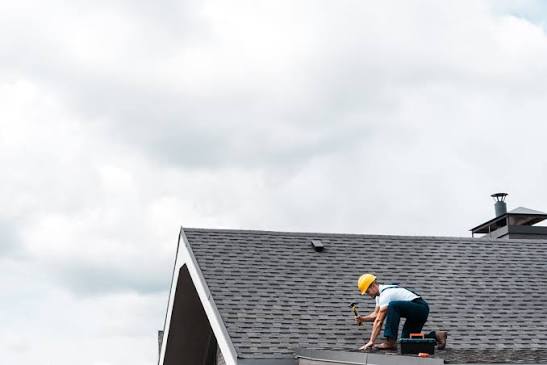
Replacing a roof is one of the most significant home maintenance investments you will ever make. It is not just about aesthetics; it is about protecting your family, your belongings, and your property’s structural integrity from the elements. If you are currently staring at curling shingles or dealing with a leak, you are likely stressed about the budget. You are not alone. Many homeowners in the US face this exact dilemma, wondering how much to replace roof on 1400 sq ft house without breaking the bank.
In this comprehensive guide, we will break down the costs, materials, and hidden factors that influence your final bill. By the end of this article, you will have a clear financial roadmap and the confidence to hire the right professional for the job.
What Is the Average Cost to Replace a Roof on a 1400 Sq Ft House?
When homeowners ask, “How much does it cost to replace a roof?”, the answer varies based on location and material. However, for a standard 1,400 square foot home, we can provide a reliable estimate range for 2026.
It is crucial to distinguish between the living space square footage and the roof square footage. A 1,400 sq ft single-story house typically has a roof area of approximately 1,700 to 1,800 square feet due to overhangs, pitch, and complexity. Roofing contractors measure in “squares,” where one square equals 100 square feet. Therefore, you are likely looking at a project size of 17 to 18 squares.
National Average Cost Breakdown
For a standard asphalt shingle roof, which is the most common choice in the United States, the total cost usually falls between $7,500 and $12,500. This includes labor, materials, waste removal, and permits.
| Material Type | Estimated Cost per Square Foot | Total Est. (1,400 sq ft home) | Lifespan |
|---|---|---|---|
| 3-Tab Asphalt | $4.50 – $6.00 | $7,500 – $9,500 | 15-20 Years |
| Architectural Asphalt | $5.50 – $8.50 | $9,000 – $12,500 | 25-30 Years |
| Metal Roofing | $9.00 – $14.00 | $14,000 – $22,000 | 40-70 Years |
| Clay/Concrete Tile | $12.00 – $25.00 | $19,000 – $35,000+ | 50+ Years |
Note: These prices are national averages. Labor costs in high-demand metropolitan areas like New York or San Francisco may be 20-30% higher.
Which Factors Influence Your Final Roofing Quote?
Understanding why prices fluctuate helps you negotiate better. Here are the primary variables that contractors consider when giving you a quote.
1. Roof Pitch and Complexity
A flat or low-slope roof is easier and safer to work on, keeping labor costs lower. However, if your 1,400 sq ft house has a steep pitch (high slope), contractors need special safety equipment and more time. Additionally, features like chimneys, skylights, and valleys increase the complexity. Each penetration requires careful flashing and sealing, which adds to labor hours.
2. Material Selection
As shown in the table above, your choice of shingles dramatically impacts the price. While 3-tab asphalt shingles are the budget-friendly option, architectural shingles offer better wind resistance and a more dimensional look. For long-term value, many homeowners are increasingly turning to metal roofing, despite the higher upfront cost, because it lasts nearly twice as long.
3. Removal of Old Layers
Does your current roof have one layer of shingles or two? Most local building codes allow up to two layers. If you have two existing layers, the contractor must remove both before installing the new roof. This “tear-off” process doubles the labor and disposal fees. Expect to pay an additional $1,000 to $2,000 for a double-layer tear-off.
4. Geographic Location
Labor rates vary significantly across the US. In the Midwest, labor might cost $2.50 per square foot, while in the Northeast or West Coast, it could exceed $4.50 per square foot. Furthermore, if you live in a hurricane-prone area like Florida, you may need impact-resistant shingles, which carry a premium price tag.
How Do Labor and Material Costs Compare?
A common misconception is that materials make up the bulk of the cost. In reality, labor often accounts for 60% to 70% of the total bill.
- Materials: Include shingles, underlayment, flashing, nails, and ventilation components.
- Labor: Includes tear-off, installation, cleanup, and hauling away debris.
To ensure you are getting a fair deal, ask your contractor for a line-item breakdown. If a quote seems unusually low, check if they are skimping on high-quality underlayment or using subpar flashing materials. These hidden corners are where leaks often start.
What Are the Hidden Costs You Should Anticipate?
Beyond the base quote, several “surprise” expenses can arise during a roof replacement project. Being prepared prevents sticker shock.
Decking Repair
Once the old shingles are removed, the wooden decking (plywood or OSB boards) is exposed. If water has leaked in the past, some boards may be rotted or soft. Contractors typically charge $75 to $150 per sheet to replace damaged decking. For a 1,400 sq ft house, budget an extra $500 to $1,000 for potential repairs.
Permit Fees
Most municipalities require a building permit for a full roof replacement. This ensures the work meets local code standards for wind and fire resistance. Permit fees generally range from $150 to $500, depending on your city. Always verify if your contractor includes this in their initial quote.
Waste Disposal
Roofing generates a significant amount of waste. A 1,400 sq ft roof can produce 3-4 tons of debris. Dumpster rental and disposal fees are usually included in the labor cost, but confirm this. If not, expect a fee of $300 to $600.
Step-by-Step: The Roof Replacement Process
Knowing what to expect reduces anxiety. Here is how a professional job unfolds:
- Inspection and Measurement: The contractor measures the roof area and inspects the attic for ventilation issues.
- Material Delivery: Shingles and supplies are delivered to your driveway. Protect your landscaping with tarps.
- Tear-Off: The crew removes old shingles and nails. This is the loudest part of the process.
- Deck Inspection: The wood deck is checked for rot. Damaged sections are replaced.
- Underlayment Installation: A water-resistant barrier (ice and water shield) is installed along eaves and valleys.
- Shingle Installation: New shingles are nailed down, starting from the bottom edge up. Flashing is installed around chimneys and vents.
- Cleanup: Magnets are used to pick up stray nails. Debris is hauled away.
- Final Inspection: The contractor walks the site with you to ensure satisfaction.
For more detailed technical standards on roofing materials, you can refer to general construction guidelines on Wikipedia.
Frequently Asked Questions (FAQ)
1. Can I replace the roof myself to save money?
While DIY is tempting, roof replacement is dangerous and technically complex. Improper installation can void warranties and lead to severe water damage. Most manufacturers require certified installation for warranty validation. It is strongly recommended to hire a licensed professional.
2. How long does it take to replace a roof on a 1400 sq ft house?
For a standard asphalt shingle roof, the job typically takes 1 to 2 days. Weather delays or complex architectural features may extend this to 3 days. Metal roofs or tile roofs may take longer due to the intricacy of installation.
3. Does homeowners insurance cover roof replacement?
Insurance typically covers roof replacement if the damage is caused by a sudden, accidental event like a storm, hail, or fallen tree. It generally does not cover wear and tear or age-related deterioration. Check your policy’s “Actual Cash Value” vs. “Replacement Cost Value” clauses.
4. What is the best time of year to replace a roof?
Late spring to early fall is ideal because temperatures are moderate, allowing shingle adhesives to seal properly. However, roofing can be done in winter if temperatures are above freezing. Avoid scheduling during peak rainy seasons in your region.
5. How do I choose a reliable roofing contractor?
Look for contractors who are licensed, insured, and have local references. Check reviews on Google and the Better Business Bureau. Ask for proof of liability insurance and workers’ compensation. Never pay the full amount upfront; a 30-50% deposit is standard.
Conclusion
Knowing how much to replace roof on 1400 sq ft house empowers you to make smart financial decisions. While the average cost ranges from $7,500 to $12,500 for asphalt shingles, your final price depends on materials, labor rates, and structural complexity. Remember, a roof is not just an expense; it is an investment in your home’s longevity and safety.
Do not rush the process. Get at least three quotes, check credentials, and prioritize quality over the lowest bid. A well-installed roof will protect your home for decades, giving you peace of mind.
Found this guide helpful? Share it with your neighbors on Facebook or Twitter to help them prepare for their own home maintenance projects!
Leave a Reply