Have you ever looked up at your home and wondered what exactly is protecting your family from the elements? It is a common concern for homeowners, especially when planning renovations or noticing minor leaks. Knowing how many layers of materials does your roof currently have is not just a trivia question; it is a critical factor in determining your next steps for repair, replacement, and overall home safety.
In this guide, we will walk you through everything you need to know about roof layers, building codes, and why this specific detail matters more than you might think.
Why Does the Number of Roof Layers Matter?
You might be thinking, “If one layer protects my home, wouldn’t two be even better?” This is a common misconception. While it may seem like extra padding, multiple layers of roofing material can actually cause significant structural and financial issues.
Structural Weight Concerns
Every roofing material has a weight. Asphalt shingles, for example, weigh approximately 2 to 4 pounds per square foot. When you add a second or third layer, you are doubling or tripling that load. Most residential roofs are engineered to support a specific dead load (the weight of the structure itself) plus a live load (snow, rain, workers). Exceeding this limit can lead to sagging rafters, cracked drywall inside your home, or in extreme cases, structural failure.
Heat Trapping and Energy Efficiency
Multiple layers trap heat. In the summer, this can cause your attic temperature to skyrocket, forcing your HVAC system to work harder. This leads to higher energy bills and can prematurely age your roofing materials from the inside out due to excessive thermal cycling.
The “Masking” Effect
New shingles installed over old ones often conform to the uneven surface of the underlying layer. If the bottom layer has curled, missing, or damaged shingles, the new layer will mirror these imperfections. This prevents proper sealing and makes the new roof look wavy or unprofessional shortly after installation.
How to Determine Your Current Roof Layers
Unless you have detailed records from previous renovations, figuring out how many layers of materials does your roof currently have requires a bit of detective work. Here are three reliable methods to find out.
1. Check Your Home Inspection Report
If you bought your home recently, your pre-purchase home inspection report is the best place to start. Inspectors often note the number of shingle layers visible at the edges, in the attic, or around vent pipes. Look for sections labeled “Roofing” or “Exterior.”
2. Visual Inspection from the Ground
Grab a pair of binoculars and walk around your house. Look closely at the edge of the roof (the rake edge) or around chimneys and vent stacks. You may be able to see the distinct thickness of the shingle layers. A single layer of asphalt shingle is relatively thin, while two layers will appear noticeably thicker and may have a “step-down” appearance where the layers meet.
3. Professional Roof Inspection
The most accurate method is hiring a licensed roofing contractor. They can safely access the roof and lift a corner of a shingle near a vent or edge to count the layers directly. This is highly recommended if you are considering selling your home or applying for insurance claims.
What Do Building Codes Say About Multiple Layers?
Regulations vary by location, but most jurisdictions in the United States follow guidelines similar to the International Residential Code (IRC). Understanding these rules is vital before you decide to overlay new shingles.
| Jurisdiction Type | Typical Rule | Exception |
|---|---|---|
| Most US States | Max 2 layers of asphalt shingles | None generally allowed for 3rd layer |
| High Wind Zones | Often require tear-off to deck | To ensure proper nailing adhesion |
| Heavy Snow Areas | Strict weight limits enforced | May prohibit 2 layers entirely |
According to general building standards, you are typically allowed to have no more than two layers of asphalt shingles. If your roof already has two layers, you must tear off all existing materials down to the roof deck before installing new shingles. Ignoring this can result in failed inspections, voided warranties, and difficulties when selling your property.
For more detailed information on building standards, you can refer to the International Code Council or general construction principles outlined on Wikipedia.
Tear-Off vs. Overlay: Making the Right Choice
When it is time for a new roof, you have two options: a tear-off (removing old materials) or an overlay (installing over existing materials). Here is a comparison to help you decide.
Advantages of a Full Tear-Off
- Inspection of Decking: Removing old shingles allows the roofer to inspect the wood decking for rot, mold, or water damage. Fixing these issues early prevents costly interior repairs later.
- Better Warranty Coverage: Most major shingle manufacturers (like GAF, Owens Corning, and CertainTeed) offer stronger warranties when their products are installed on a clean deck.
- Improved Curb Appeal: A fresh start ensures a flat, uniform surface that looks professional and increases home value.
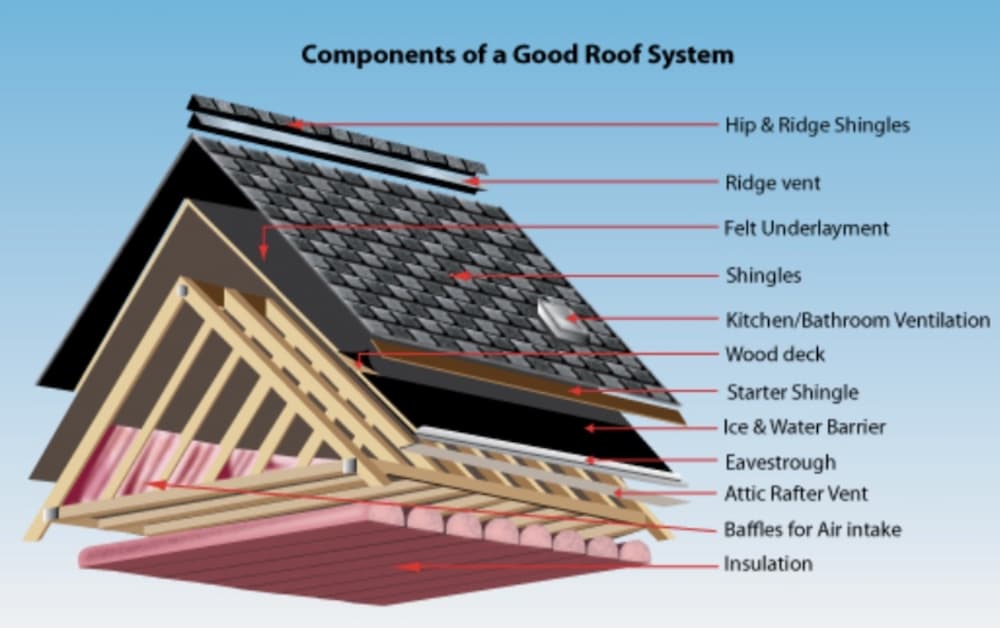
- Proper Ventilation: It allows for the installation of modern ice and water shields and proper underlayment, which are crucial for longevity.
Advantages of an Overlay
- Lower Initial Cost: You save on labor costs associated with hauling away debris and removing old nails.
- Faster Installation: Without the tear-off process, the job can be completed in half the time.
- Less Mess: There is significantly less debris and dust generated during the project.
The Verdict
While an overlay is cheaper upfront, a tear-off is almost always the better long-term investment. It addresses hidden problems and ensures your new roof lasts its full expected lifespan (typically 20–30 years for asphalt shingles).
Step-by-Step: What Happens During a Roof Replacement?
If you determine that you have too many layers or damaged decking, here is what a professional replacement process looks like.
- Setup and Protection: The crew will cover your landscaping, windows, and AC units with tarps to protect them from falling debris.
- Removal of Old Materials: Workers will strip off the existing shingles, underlayment, and flashing. All nails are removed or hammered flat.
- Deck Inspection: The exposed wood deck is inspected for soft spots, rot, or damage. Any compromised boards are replaced.
- Installation of Underlayment: A water-resistant barrier (ice and water shield) is installed along the eaves and valleys, followed by synthetic underlayment over the rest of the deck.
- Flashing Installation: New metal flashing is installed around chimneys, vents, and walls to prevent water intrusion.
- Shingle Installation: New shingles are nailed down according to manufacturer specifications, starting from the bottom edge and working up.
- Cleanup: The site is thoroughly cleaned using magnetic rollers to pick up stray nails, and all debris is hauled away.
FAQ: Common Questions About Roof Layers
1. Can I put a third layer of shingles on my roof?
No. In nearly all US jurisdictions, building codes prohibit installing a third layer of asphalt shingles. The weight and inability to properly nail through three layers make it unsafe and non-compliant.
2. Does having two layers void my homeowner’s insurance?
Not necessarily, but it can complicate claims. Some insurers may deny coverage for water damage if they determine that improper installation over multiple layers contributed to the leak. Always disclose the number of layers to your insurance provider.
3. How much does it cost to tear off an old roof?
The cost varies by region and roof size, but expect to pay between $1,000 and $3,000 for tear-off and disposal fees on an average-sized home. This is usually included in the total quote for a new roof installation.
4. Will a roof overlay affect my home’s resale value?
Yes, potentially negatively. Home inspectors will note multiple layers, and savvy buyers may request a price reduction to account for the eventual need for a full tear-off. A single-layer roof is more attractive to buyers.
5. How can I tell if my roof has only one layer without climbing up?
Look at the vent pipes protruding from the roof. If the flashing collar around the pipe sits flush with the shingles, it is likely a single layer. If there is a visible “step” or gap between the shingles and the flashing, there may be multiple layers.
6. Is it cheaper to overlay shingles?
Yes, initially. You save on labor and disposal fees. However, because the lifespan of the new shingles may be reduced due to heat trapping and uneven surfaces, the cost-per-year of protection may actually be higher.
Conclusion
Knowing how many layers of materials does your roof currently have is essential for making informed decisions about your home’s maintenance. While adding a second layer might seem like a quick fix, it often leads to higher long-term costs, potential code violations, and structural risks.
If you suspect your roof has multiple layers, schedule a professional inspection today. It is better to address these issues proactively than to deal with unexpected leaks or structural damage later.
Found this guide helpful? Share it with your neighbors on Facebook or Twitter to help them protect their homes too! Don’t forget to bookmark this page for future reference as you plan your home improvement projects.
Leave a Reply