Replacing a roof is one of the most significant home improvement projects you will ever undertake. It involves heavy machinery, strangers on your property, and a considerable financial investment, which naturally leads to anxiety about the disruption to your daily life. You are likely asking yourself, “How many days does it take to replace a roof?” because you need to plan for work, childcare, or simply peace of mind.
The short answer is that for an average-sized single-family home, a complete roof replacement typically takes one to three days. However, this timeline can vary significantly based on the size of your home, the complexity of the roof design, the materials chosen, and unpredictable weather conditions. In this comprehensive guide, we will break down exactly what influences this timeline so you can set realistic expectations and prepare accordingly.
What Factors Influence Your Roof Replacement Timeline?
While the “1-3 days” rule of thumb is a good starting point, every home is unique. Understanding the variables at play helps you understand why your neighbor’s roof might have taken two days while yours could take four.
1. Size and Square Footage
The most obvious factor is the physical size of the roof. Roofers measure roofing area in “squares,” where one square equals 100 square feet.
- Small Homes (under 1,500 sq. ft.): Can often be completed in 1 day.
- Medium Homes (1,500–2,500 sq. ft.): Typically require 2 days.
- Large Homes (over 2,500 sq. ft.): May take 3 to 5 days.
2. Roof Complexity and Pitch
A simple gable roof (two sloping sides) is much faster to replace than a complex hip roof with multiple valleys, dormers, chimneys, and skylights.
- Steep Pitch: Roofs with a steep slope require additional safety equipment, such as harnesses and scaffolding. This slows down the crew significantly as they must move more cautiously.
- Obstacles: Every chimney, vent pipe, or skylight requires careful flashing and sealing, adding time to the installation process.
3. Material Type
Not all roofing materials are installed at the same speed.
- Asphalt Shingles: The most common material in the US. They are lightweight and easy to install, allowing crews to work quickly.
- Metal Roofing: Can be faster if using standing seam panels, but intricate metal shingle designs may take longer.
- Tile or Slate: These materials are heavy and fragile. Installing clay tiles or natural slate requires meticulous care and often reinforces the underlying structure, potentially extending the project to one week or more.
4. Weather Conditions
Roofing is an outdoor job, making it highly susceptible to weather. Rain, high winds, or extreme heat can halt work entirely.
- Rain: Wet roofs are slippery and dangerous. Furthermore, you cannot install new underlayment or shingles on a wet deck.
- Wind: High winds can blow away loose materials and make it unsafe for workers to be on the roof.
- Heat: Extreme temperatures can soften asphalt shingles, making them difficult to handle and seal properly.
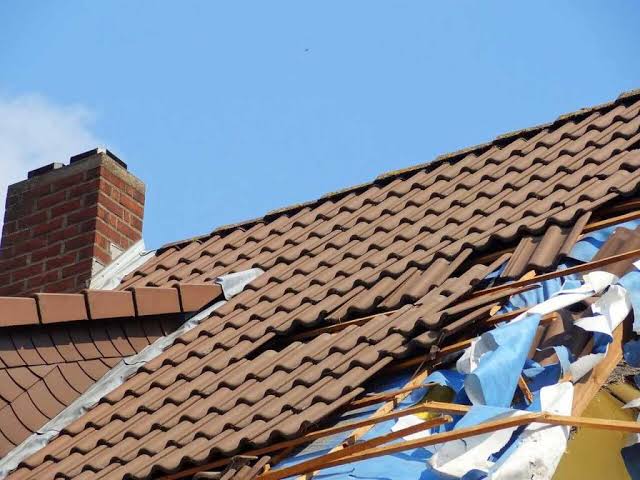
Step-by-Step: The Roof Replacement Process
To understand where the time goes, let’s look at the actual workflow of a professional roofing crew. Knowing these steps helps you appreciate the labor involved.
Day 1: Preparation and Tear-Off
The first day is often the loudest and most disruptive.
- Site Protection: The crew will lay tarps around your home to protect landscaping, driveways, and windows from falling debris.
- Dumpster Placement: A large dumpster is positioned for old materials.
- Tear-Off: Workers remove the existing shingles, underlayment, and any rotten wood decking. This is labor-intensive and generates significant noise.
- Inspection: Once the old roof is gone, the deck is inspected for water damage or rot. Any compromised plywood must be replaced before proceeding.
Day 2: Installation of Underlayment and Flashing
If the tear-off was completed on Day 1, Day 2 focuses on preparing the surface for the new roof.
- Drip Edge Installation: Metal flashing is installed along the edges to direct water away from the fascia.
- Underlayment: A water-resistant barrier (synthetic or felt) is rolled out and nailed down. This is your second line of defense against leaks.
- Flashing: Critical areas like valleys, chimneys, and vents are fitted with metal flashing. This step requires precision to prevent future leaks.
Day 3: Shingle Installation and Cleanup
The final major phase involves installing the visible roofing material.
- Shingle Application: Crews start from the bottom edge and work their way up, overlapping each row. Starter strips are used at the eaves for extra protection.
- Ridge Caps: The peak of the roof is sealed with specialized ridge cap shingles.
- Ventilation: New ridge vents or box vents are installed to ensure proper airflow in the attic.
- Cleanup: This is crucial. Crews use magnetic sweepers to pick up nails and debris. The site should be left cleaner than they found it.
Comparison: Asphalt Shingles vs. Other Materials
Choosing the right material impacts not just the longevity of your roof but also the installation time. Here is a quick comparison:
| Material | Avg. Installation Time | Durability | Cost Estimate |
|---|---|---|---|
| Asphalt Shingles | 1–3 Days | 15–30 Years | $ |
| Metal Roofing | 2–5 Days | 40–70 Years | $$ |
| Clay/Concrete Tile | 5–10 Days | 50+ Years | $ |
| Slate | 7–14 Days | 75–100+ Years | $$ |
Note: Times are estimates for an average 2,000 sq. ft. home.
For more detailed information on roofing materials and their properties, you can refer to this Wikipedia article on roofing.
Common Delays: What Could Go Wrong?
Even with the best planning, delays happen. Being aware of these potential pitfalls can help you manage your expectations.
- Hidden Structural Damage: Once the old roof is removed, contractors may find rotted decking or damaged rafters. Repairing structural issues adds time and cost.
- Permit Issues: In some municipalities, obtaining the necessary permits can delay the start date. Ensure your contractor handles this well in advance.
- Material Shortages: Supply chain disruptions can delay the delivery of specific shingle colors or types. Always confirm material availability before signing the contract.
- Crew Scheduling: Reputable roofing companies are often booked weeks or months in advance. A delay in one project can cascade into yours.
FAQ: Frequently Asked Questions About Roof Replacement Timelines
1. Can I stay in my house during the roof replacement?
Yes, most homeowners stay in their homes during the process. However, expect significant noise, vibration, and dust. If you work from home, have small children, or are sensitive to noise, you might consider staying elsewhere for the duration of the project.
2. Does rain stop the roofing process?
Yes. Roofers cannot install shingles on a wet surface because the adhesive strips won’t seal properly, leading to potential leaks. If it rains, the crew will cover the exposed deck with tarps and resume work once it is dry.
3. How long does a roof inspection take before replacement?
A pre-replacement inspection usually takes 30 to 60 minutes. The inspector will check the current condition of the shingles, flashing, gutters, and attic ventilation to provide an accurate quote and identify any underlying issues.
4. What is the best time of year to replace a roof?
Late spring to early fall is the ideal window due to favorable weather conditions. However, roofing can be done in winter if temperatures are above freezing. Avoid scheduling during peak hurricane or storm seasons in your region.
5. Do I need to be home while the roofers are working?
You do not need to be home the entire time, but it is helpful to be available at the start of the day to discuss any last-minute details and at the end for the final walkthrough. Ensure the crew has access to your property and any locked gates.
6. How long does the warranty process take?
The manufacturer’s warranty is typically activated once the job is complete and the final inspection is passed. Your contractor should provide you with the warranty documentation within 1–2 weeks after project completion.
Conclusion
So, how many days does it take to replace a roof? For the majority of American homes using asphalt shingles, you can expect the job to be completed in 1 to 3 days. While this seems fast, remember that it involves a skilled team working efficiently to protect your home from the elements.
By understanding the factors that influence this timeline—such as roof complexity, material choice, and weather—you can better prepare for the project. Choose a reputable contractor who communicates clearly, respects your property, and prioritizes quality over speed.
If you found this guide helpful, please share it with friends or family who are considering a roof replacement. Sharing knowledge helps everyone make smarter home improvement decisions!
Leave a Reply