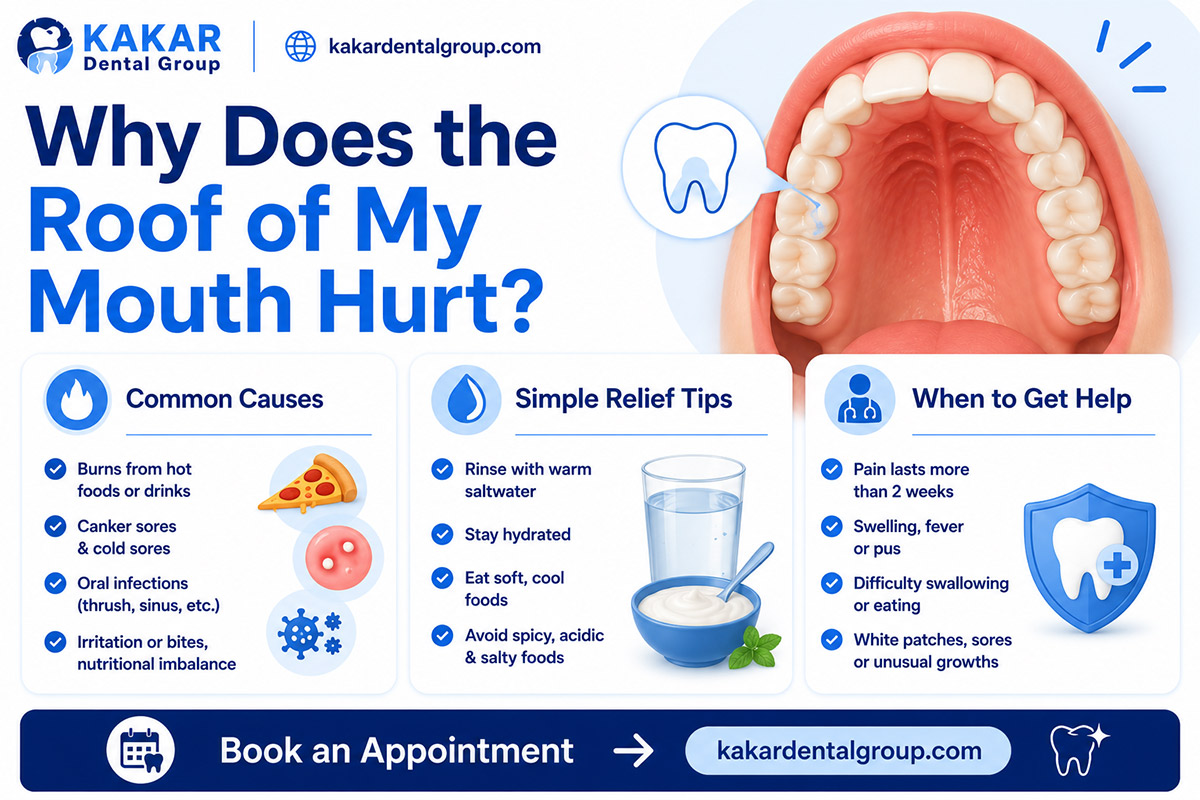
Have you ever taken a bite of your favorite meal, only to be greeted by a sharp, stinging pain on the roof of your mouth? It is a frustrating and surprisingly common experience that can turn a enjoyable dinner into an uncomfortable ordeal. If you are asking yourself, “Why does the roof of my mouth hurt after eating,” you are not alone, and understanding the root cause is the first step toward finding relief.
In this guide, we will explore the most likely culprits behind palate pain, ranging from simple thermal injuries to underlying medical conditions. We will provide actionable advice on how to soothe the discomfort and when it is time to consult a healthcare professional. Let’s dive in to restore your comfort and confidence at the dining table.
The Most Common Culprit: Thermal Injury (Pizza Palate)
If you have ever eagerly bitten into a slice of hot pizza or sipped scalding coffee, you may have experienced what dentists colloquially call “pizza palate.” This is technically known as a thermal burn to the hard palate.
The roof of your mouth is covered by a thin layer of mucous membrane that is highly sensitive to temperature changes. When food exceeds 140°F (60°C), it can cause immediate damage to these tissues. Unlike the skin on your hands, the tissue in your mouth heals quickly but is also more prone to initial injury because we often eat without testing the temperature thoroughly.
Symptoms of a Thermal Burn
- Immediate stinging or burning sensation.
- Redness or swelling on the hard palate.
- In severe cases, blistering or peeling of the top layer of skin.
- Temporary loss of taste sensitivity in the affected area.
According to dental health statistics, minor oral burns are one of the most frequent reasons for emergency dental visits related to soft tissue trauma. The good news? These usually heal on their own within 3 to 7 days.
Could It Be an Allergic Reaction?
While burns are physical injuries, pain can also stem from an immune response. Oral Allergy Syndrome (OAS) is a condition where people who are allergic to certain pollens experience itching, tingling, or pain in the mouth after eating raw fruits, vegetables, or nuts.
For example, if you are allergic to birch pollen, you might feel irritation on the roof of your mouth after eating apples, carrots, or hazelnuts. This happens because the proteins in these foods are structurally similar to the pollen proteins, confusing your immune system.
Key Differences: Burn vs. Allergy
| Feature | Thermal Burn | Oral Allergy Syndrome |
|---|---|---|
| Onset | Immediate upon contact with hot food | Within minutes of eating specific raw foods |
| Sensation | Sharp pain, stinging | Itching, tingling, mild swelling |
| Duration | Lasts several days | Usually subsides quickly after swallowing/spitting |
| Trigger | High temperature | Specific raw plant-based foods |
If you suspect an allergy, it is crucial to identify the trigger. Keeping a food diary can help pinpoint which items cause the reaction. For more detailed information on how allergens affect oral health, you can refer to resources on immune system responses.
Mechanical Trauma and Abrasive Foods
Sometimes, the issue isn’t heat or chemistry, but physics. Eating hard, crunchy, or sharp foods can cause mechanical trauma to the delicate tissues of the palate.
Common offenders include:
- Tortilla chips and hard tacos.
- Crusty breads or baguettes.
- Hard candies.
- Fish bones or small fragments of shellfish shells.
These items can scratch or puncture the mucosal lining, leading to localized pain that feels like a cut or abrasion. This type of injury is often mistaken for a burn because the sensation is similar, but upon inspection, you might see a small white or red sore rather than general redness.
Infections and Underlying Conditions
If the pain persists for more than a week or occurs frequently without any obvious trigger like hot food, an underlying infection or condition might be to blame.
1. Candidiasis (Oral Thrush)
This is a fungal infection caused by an overgrowth of Candida albicans. It often presents as creamy white lesions on the tongue or inner cheeks, but it can also affect the roof of the mouth, causing soreness and a cottony feeling. It is more common in individuals with weakened immune systems, those taking antibiotics, or people with diabetes.
2. Canker Sores (Aphthous Ulcers)
While canker sores typically appear on the inside of the cheeks or gums, they can occasionally form on the soft palate. These small, shallow ulcers are painful and can be triggered by stress, minor injury, or acidic foods.
3. Sinus Issues
Believe it or not, your sinuses and your mouth are connected. Severe sinus infections or post-nasal drip can cause inflammation in the upper throat and the roof of the mouth, leading to a dull ache that worsens when swallowing or eating.
How to Relieve Pain: A Step-by-Step Guide
If you are currently experiencing pain, here is a practical protocol to speed up healing and reduce discomfort.
- Cool Down Immediately: Rinse your mouth with cold water. Do not use ice directly on the tissue as it can cause further damage. Aim for water at a temperature of 10–15°C (50–59°F).
- Salt Water Rinse: Mix 1/2 teaspoon of salt into 8 ounces (240 ml) of warm water. Swish gently for 30 seconds and spit out. This helps reduce inflammation and keeps the area clean. Repeat this 2–3 times a day.
- Avoid Irritants: Stay away from spicy, acidic (like citrus or tomato sauce), and very hot foods for at least 48 hours. Stick to soft, cool foods like yogurt, pudding, or smoothies.
- Over-the-Counter Relief: Consider using an oral gel containing benzocaine for temporary numbing. Ensure you follow the package instructions carefully.
- Hydrate: Drink plenty of water to keep the oral mucosa moist. Dry mouth can exacerbate pain and slow healing. Aim for at least 2 liters of water throughout the day.
When to See a Doctor
Most cases of palate pain resolve on their own within a week. However, you should seek professional medical advice if:
- The pain lasts longer than 10 days.
- You have difficulty swallowing or breathing.
- You notice pus, excessive bleeding, or large blisters.
- You have a high fever accompanying the mouth pain.
- The pain is severe enough to prevent you from eating or drinking adequately.
FAQ Section
1. Why does the roof of my mouth hurt after eating spicy food?
Spicy foods contain capsaicin, which binds to pain receptors in the mouth. If your palate is already sensitive due to a minor burn or abrasion, spicy food will intensify the pain. Additionally, some people may have a mild sensitivity or allergy to specific spices, causing inflammation.
2. Can dehydration cause pain in the roof of the mouth?
Yes. Saliva plays a crucial role in protecting the oral tissues. When you are dehydrated, saliva production decreases, leading to a dry mouth (xerostomia). This makes the mucous membranes on the roof of your mouth more susceptible to irritation, friction, and pain during eating.
3. Is it normal for the roof of my mouth to peel after eating?
Peeling skin on the roof of the mouth is often a sign of a healing thermal burn. As the damaged tissue regenerates, the top layer may slough off. However, if peeling occurs frequently without burns, it could indicate a reaction to certain oral care products (like whitening toothpaste) or a condition like oral lichen planus.
4. Why does my palate hurt only when I eat acidic foods?
Acidic foods (like oranges, lemons, or vinegar-based dressings) can irritate exposed nerve endings if the protective mucosal layer is compromised. This is common if you have a small ulcer, a healing burn, or gum recession. The acid stings the raw tissue, causing sharp pain.
5. Can braces cause pain on the roof of the mouth?
Yes. Brackets and wires can sometimes rub against the soft palate, especially if a wire is poking out or if the brackets are positioned high. This causes mechanical irritation and sores. Using orthodontic wax can help cover sharp edges and provide relief.
Conclusion
Understanding why does the roof of my mouth hurt after eating is essential for maintaining both your comfort and your oral health. Whether it is a simple case of “pizza palate,” a mild allergic reaction, or mechanical irritation from crunchy snacks, most causes are benign and treatable at home.
By identifying the trigger—be it temperature, texture, or an underlying condition—you can take proactive steps to prevent future occurrences. Remember to listen to your body; if the pain persists or worsens, do not hesitate to consult a dentist or doctor.
If you found this guide helpful, please share it with your friends and family on social media. Someone else might be suffering from a mysterious palate pain right now, and your share could provide them with the relief they need!
Leave a Reply