Have you ever run your tongue along the top of your mouth and wondered about the distinct textures you feel? It is a curious part of our anatomy that plays a crucial role in eating, speaking, and breathing, yet many of us rarely think about it until something feels wrong. Understanding exactly what the roof of the mouth is made up of the hard and soft palates can help you better appreciate your oral health and identify potential issues early.
In this comprehensive guide, we will break down the complex structure of your palate, explain its vital functions, and provide expert insights into keeping this sensitive area healthy. Whether you are a student, a health enthusiast, or simply curious about your body, this article will provide clear, accurate, and actionable information.
What Exactly Is the Roof of the Mouth Made Of?
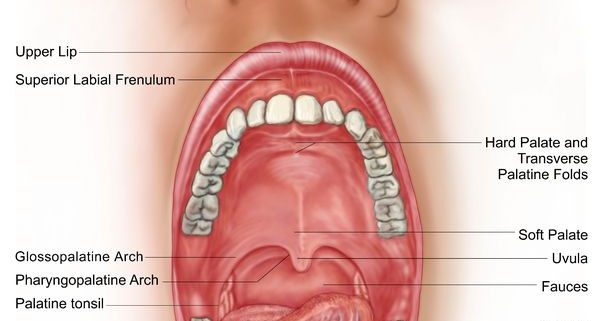
To answer the primary question directly: the roof of the mouth, medically known as the palate, is divided into two distinct sections—the hard palate and the soft palate. These two structures work together but are composed of different tissues and serve different mechanical purposes.
The hard palate forms the anterior (front) two-thirds of the roof. It is a bony structure covered by a thin layer of mucous membrane. This rigid surface provides a stable platform against which your tongue can press food during chewing.
The soft palate makes up the posterior (back) one-third. Unlike its front counterpart, it contains no bone. Instead, it is composed of muscle fibers and connective tissue, making it flexible and movable. This flexibility is essential for swallowing and speech.
Understanding this division is critical because problems affecting the hard palate (like burns from hot pizza) differ significantly from issues affecting the soft palate (like snoring or sleep apnea).
The Hard Palate: Structure and Function
The hard palate is the rigid shelf you feel immediately behind your upper teeth. Its primary job is structural support and mechanical assistance during mastication (chewing).
Anatomical Composition
The hard palate is formed by two specific bones:
- The Palatine Process of the Maxilla: This is the horizontal part of the upper jawbone.
- The Horizontal Plate of the Palatine Bone: This bone sits further back and connects to the maxilla.
These bones are fused together at the midline by a suture called the median palatine suture. Overlying these bones is a specialized type of tissue called keratinized stratified squamous epithelium. This tissue is tough and resistant to abrasion, which is necessary because it constantly rubs against food.
Key Functions
- Chewing Surface: It provides a hard surface for the tongue to crush food against the teeth.
- Speech Articulation: It helps produce certain consonant sounds, such as “t,” “d,” and “k,” by allowing the tongue to create brief closures against the roof of the mouth.
- Separation: It physically separates the oral cavity from the nasal cavity, preventing food from entering your nose while eating.
The Soft Palate: The Flexible Muscle
Moving further back into your throat, you encounter the soft palate. If you say “ahhh” in front of a mirror, you can see this structure lift.
Anatomical Composition
The soft palate lacks bone. Instead, it is a muscular flap composed of:
- Muscle Fibers: Including the levator veli palatini and tensor veli palatini muscles.
- Connective Tissue: Providing structure and elasticity.
- Mucous Membrane: A non-keratinized lining that is softer and more sensitive than the hard palate.
At the very back of the soft palate hangs the uvula, that small, teardrop-shaped piece of tissue that often gets blamed for snoring.
Key Functions
- Swallowing (Deglutition): When you swallow, the soft palate lifts and moves backward to close off the nasopharynx. This prevents food and liquid from going up into your nasal cavity.
- Speech: It controls the resonance of your voice. By raising or lowering, it allows air to escape through the nose (for sounds like “m” and “n”) or keeps it in the mouth (for most other sounds).
- Suction: In infants, the soft palate creates a seal necessary for effective breastfeeding or bottle-feeding.
Common Issues Affecting the Palate
Even though the palate is robust, it is susceptible to various conditions. Recognizing these early can prevent complications.
| Condition | Affected Area | Symptoms | Common Causes |
|---|---|---|---|
| Palatal Burns | Hard Palate | Redness, blistering, pain | Hot foods (pizza cheese, coffee) |
| Canker Sores | Both | Small, painful ulcers | Stress, minor injury, acidic foods |
| Sleep Apnea | Soft Palate | Snoring, daytime fatigue | Relaxed muscles blocking airway |
| Cleft Palate | Both | Gap in the roof of the mouth | Congenital birth defect |
| Thrush | Both | White patches, bleeding | Fungal infection (Candida) |
The Danger of Thermal Burns
One of the most common injuries to the roof of the mouth is a thermal burn. Because the hard palate has less blood flow than other parts of the mouth, it heals slower. If you burn your palate, avoid spicy or acidic foods for a few days to allow the epithelial layer to regenerate.
Sleep Apnea and the Soft Palate
Obstructive Sleep Apnea (OSA) is a serious condition where the soft palate and tongue relax too much during sleep, blocking the airway. According to the National Heart, Lung, and Blood Institute, this can lead to high blood pressure and heart disease. If you snore loudly or wake up gasping, consult a healthcare provider.
How to Maintain a Healthy Palate
Keeping the roof of your mouth healthy is largely about good overall oral hygiene and mindful eating habits. Here are some expert-recommended steps:
- Practice Gentle Brushing: Many people forget to brush their palate. Use a soft-bristled toothbrush to gently clean the hard palate to remove bacteria and food debris. Do not scrub the soft palate aggressively, as it is sensitive.
- Stay Hydrated: A dry mouth increases the risk of infection and bad breath. Saliva helps wash away bacteria from the roof of the mouth. Aim for at least 2 liters of water daily.
- Avoid Extremely Hot Foods: Let your coffee or soup cool for a minute before consuming. Repeated thermal injury can lead to chronic inflammation or even cellular changes over time.
- Regular Dental Checkups: Dentists examine the roof of your mouth during routine cleanings. They can spot early signs of oral cancer, which often presents as a persistent sore or patch on the palate.
- Quit Smoking: Tobacco use is a leading cause of oral cancers and can cause “nicotinic stomatitis,” a condition where the hard palate becomes white and thickened.
Frequently Asked Questions (FAQ)
1. Why does the roof of my mouth hurt?
Pain in the roof of the mouth is commonly caused by thermal burns from hot food, minor trauma from sharp foods (like chips), or canker sores. If the pain persists for more than two weeks, it could indicate an infection or other underlying issue, and you should see a dentist.
2. Can you get cancer on the roof of your mouth?
Yes, oral cancer can develop on both the hard and soft palate. Risk factors include tobacco use, heavy alcohol consumption, and HPV infection. Early detection is key, so report any non-healing sores, lumps, or white/red patches to your doctor immediately.
3. What is the bump on the roof of my mouth?
A hard, bony bump in the center of the hard palate is often a torus palatinus. It is a benign bony growth that is harmless and requires no treatment unless it interferes with dentures. If the bump is soft, painful, or growing rapidly, seek medical advice.
4. How does the palate help with speech?
The palate acts as a barrier and a resonating chamber. The hard palate provides a surface for the tongue to create crisp consonant sounds. The soft palate raises to block nasal airflow for most sounds and lowers to allow nasal airflow for sounds like “m,” “n,” and “ng.”
5. Is it normal for the roof of my mouth to be white?
A slightly lighter color than the rest of the mouth can be normal due to the keratinized tissue. However, distinct white patches that cannot be wiped away may indicate leukoplakia or thrush. Always have unusual discoloration checked by a professional.
Conclusion
Understanding what the roof of the mouth is made up of the hard and soft palates reveals the intricate design of our oral anatomy. From the bony stability of the hard palate that aids in chewing to the muscular flexibility of the soft palate that enables speech and swallowing, each part plays a vital role in our daily lives.
By maintaining good oral hygiene, being mindful of food temperatures, and staying hydrated, you can keep your palate healthy and functional. Remember, your mouth is the gateway to your overall health, so don’t ignore persistent symptoms.
If you found this guide helpful, please share it with friends and family on social media. Spreading awareness about oral anatomy can help others take better care of their health!
Leave a Reply