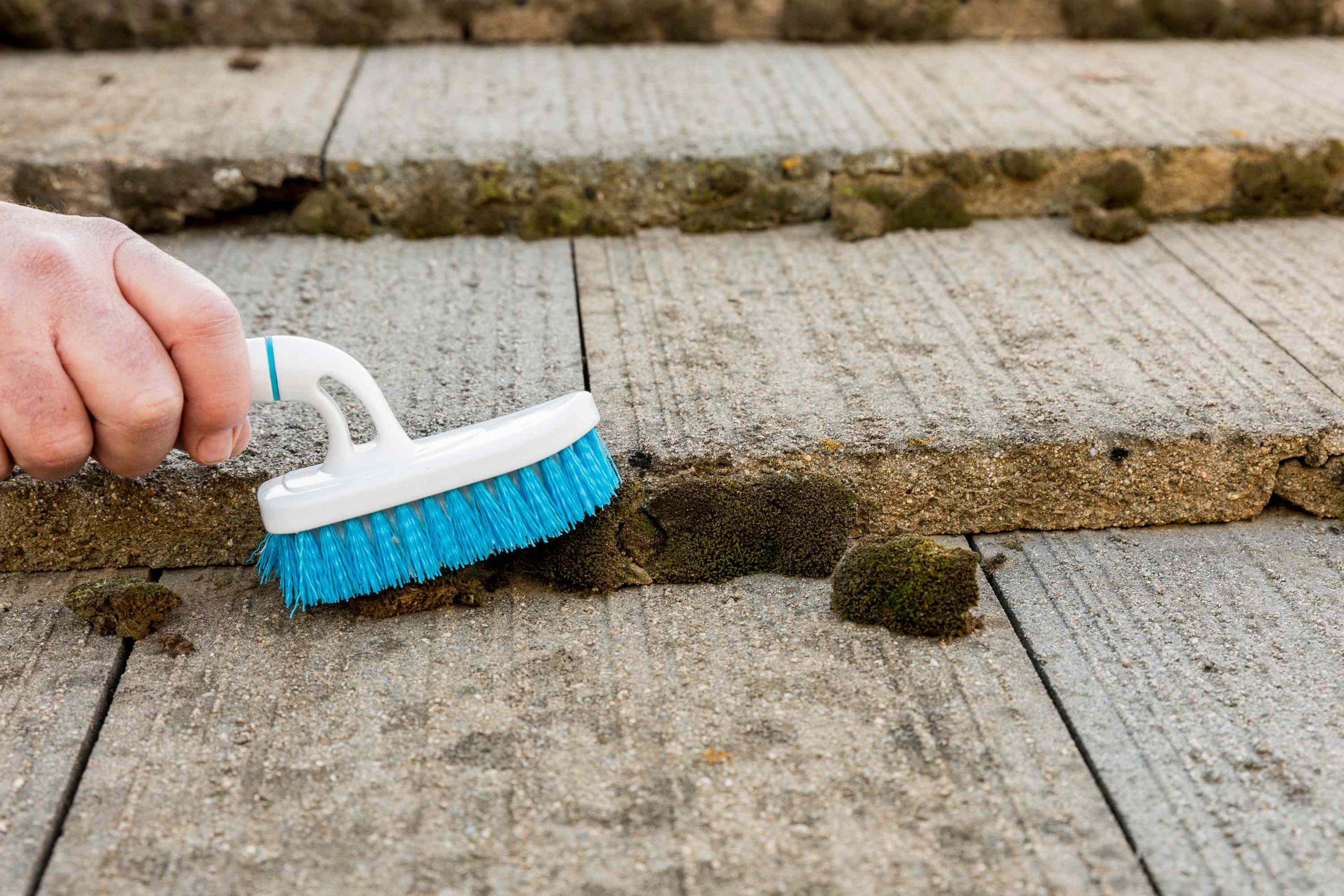
Seeing green patches creeping up your shingles can be more than just an eyesore; it is a warning sign that your home’s first line of defense is under attack. If you are wondering how do you get rid of moss on your roof without causing damage to the shingles or risking your safety, you are in the right place. This guide provides actionable, expert-backed strategies to restore your roof’s integrity and curb appeal efficiently.
Why Is Moss Dangerous for Your Roof?
Before diving into removal techniques, it is crucial to understand why moss is a genuine threat to your home’s structure. Many homeowners mistake moss for mere cosmetic dirt, but it is a living organism that retains moisture.
According to roofing experts, moss acts like a sponge. It holds water against the surface of your asphalt shingles, wood shakes, or tiles. Over time, this constant moisture exposure leads to:
- Shingle Degradation: The granules on asphalt shingles wash away faster, reducing their lifespan.
- Wood Rot: For wood shake roofs, trapped moisture accelerates decay.
- Lifted Shingles: As moss grows thick, its root-like structures (rhizoids) can lift the edges of shingles, breaking the seal and allowing wind-driven rain to penetrate underneath.
A study by the Asphalt Roofing Manufacturers Association suggests that proper maintenance, including moss removal, can extend the life of a roof by several years. Ignoring it often leads to premature replacement costs ranging from $5,000 to $15,000 or more.
Safety First: Preparing for Roof Work
Attempting to clean your roof can be hazardous. Before you climb any ladders, assess the situation critically.
- Check the Weather: Never work on a wet, icy, or windy roof. Ideal conditions are dry, overcast days with mild temperatures.
- Use Proper Gear: Wear rubber-soled shoes for traction. Use a sturdy extension ladder secured at the base and top. Consider using a safety harness if your roof pitch is steep (greater than 6/12).
- Protect Your Landscaping: Moss killers and cleaning solutions can harm plants. Cover shrubs and grass below the work area with plastic tarps and rinse them thoroughly after the job.
Pro Tip: If your roof is two stories high or has a steep pitch, hire a professional. No amount of savings is worth the risk of a fall.
Method 1: The Chemical Treatment (Most Effective)
For most homeowners, using a specialized moss killer is the safest and most effective long-term solution. This method kills the moss at the root, preventing immediate regrowth.
Step-by-Step Guide:
- Choose the Right Product: Look for cleaners containing zinc sulfate or potassium salts of fatty acids. These are less harsh than bleach but highly effective. Avoid chlorine bleach if possible, as it can corrode metal flashing and gutters.
- Application:
- Fill a garden sprayer with the moss killer solution according to the manufacturer’s instructions.
- Start from the ridge (top) of the roof and work your way down. This prevents you from walking on treated, slippery areas.
- Spray generously until the moss is saturated.
- Wait Time: Allow the solution to work. Depending on the product and weather, this can take anywhere from 15 minutes to 24 hours. You will notice the moss turning brown or orange as it dies.
- Rinse (Optional): Some products require rinsing after a set period. Use a low-pressure garden hose to gently wash away the dead debris. Never use a high-pressure washer, as this can strip granules from shingles.
Method 2: The Manual Removal (Immediate Results)
If you need immediate results or have only small patches, manual removal is an option. However, it requires extreme care to avoid damaging the shingles.
Tools Needed:
- A soft-bristle broom or a plastic leaf rake.
- A garden hose with a spray nozzle.
Process:
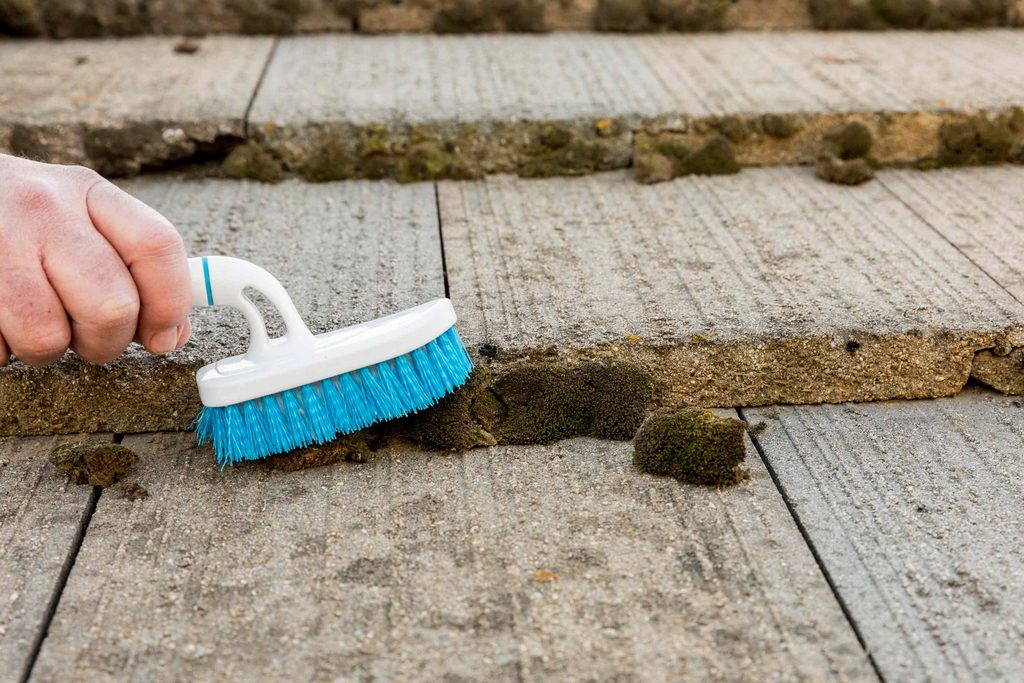
- Dry Brushing: Gently sweep the moss off the roof. Always brush downward, following the direction of the shingles. Brushing upward can lift the shingle tabs and break the seal.
- Low-Pressure Rinse: After brushing, rinse the area with a garden hose to remove spores and debris.
- Inspect: Check for any loose granules or damaged shingles exposed during the process.
Warning: Do not use wire brushes, scrapers, or power washers. These tools are too aggressive and will void most roofing warranties.
Comparison: Chemical vs. Manual Removal
| Feature | Chemical Treatment | Manual Removal |
|---|---|---|
| Effectiveness | High (kills roots) | Medium (removes visible growth) |
| Effort Level | Low (spray and wait) | High (physical labor) |
| Risk to Shingles | Low (if used correctly) | Moderate (risk of lifting shingles) |
| Longevity | Lasts 6–12 months | Immediate, but regrows quickly |
| Cost | $20–$50 for supplies | Free (if you have tools) |
How to Prevent Moss from Returning
Removing moss is only half the battle. Prevention is key to maintaining a clean roof. Here are proven strategies to keep moss at bay:
1. Install Zinc or Copper Strips
One of the most effective preventive measures is installing metal strips near the roof ridge. When it rains, trace amounts of zinc or copper ions wash down the roof, creating an environment where moss cannot grow.
- How it works: The metal oxidizes slowly, releasing ions that are toxic to moss and algae.
- Installation: You can buy pre-made strips or hire a roofer to install them under the shingles at the peak.
2. Trim Overhanging Branches
Moss thrives in shade and dampness. Trees that hang over your roof block sunlight and drop leaves, which retain moisture.
- Action Plan: Trim branches back at least 6 feet from the roof surface. This increases sunlight exposure and improves air circulation, helping the roof dry faster after rain.
3. Clean Your Gutters Regularly
Clogged gutters cause water to back up under the shingles, keeping the roof deck moist. Clean your gutters at least twice a year—once in spring and once in fall.
4. Improve Attic Ventilation
Poor ventilation can lead to heat and moisture buildup under the roof deck, contributing to moss growth. Ensure your attic has adequate soffit and ridge vents to allow air to flow freely.
Frequently Asked Questions (FAQ)
1. Can I use bleach to remove moss from my roof?
While bleach (sodium hypochlorite) can kill moss, it is generally not recommended by roofing professionals. Bleach can corrode metal flashings, gutters, and nails. It can also discolor shingles and harm surrounding landscaping. Safer alternatives include oxygen-based bleaches or zinc sulfate solutions.
2. How often should I clean moss off my roof?
This depends on your climate and surrounding environment. In damp, shady areas, you may need to treat your roof every 1–2 years. In drier, sunnier climates, inspection every 3–5 years may suffice. Regular visual inspections from the ground are recommended annually.
3. Will pressure washing damage my roof?
Yes, likely. High-pressure washing can force water under shingles, break seals, and strip away the protective granules on asphalt shingles. This significantly shortens the roof’s lifespan. Always use low-pressure soft washing techniques or chemical treatments instead.
4. Is moss removal covered by homeowners insurance?
Generally, no. Homeowners insurance typically covers sudden and accidental damage (like storm damage). Moss growth is considered a maintenance issue resulting from neglect or natural wear and tear. However, if moss causes a leak that leads to interior water damage, the interior repair might be covered, but the roof repair itself usually is not.
5. What is the best time of year to remove moss?
The best time is during dry, mild weather, typically in late spring or early fall. Avoid winter when roofs are slippery and icy, and avoid peak summer heat when chemicals can evaporate too quickly or damage hot shingles.
6. Can I walk on my roof to clean it?
Walking on a roof always carries risk. Asphalt shingles can crack under foot traffic, especially in cold weather. If you must go up, walk on the balls of your feet and avoid stepping on the edges of shingles. However, using a long-handled sprayer from a ladder or the ground is safer and often sufficient.
Conclusion
Learning how do you get rid of moss on your roof is an essential skill for any homeowner looking to protect their investment. By using gentle chemical treatments, avoiding high-pressure washing, and implementing preventive measures like zinc strips and tree trimming, you can keep your roof clean and functional for years to come.
Remember, consistency is key. A little maintenance today saves thousands in replacement costs tomorrow. If you found this guide helpful, please share it with your neighbors on social media—they might be dealing with the same green invaders!
For more detailed information on roofing materials and standards, you can refer to Wikipedia’s page on Roofing.
Leave a Reply