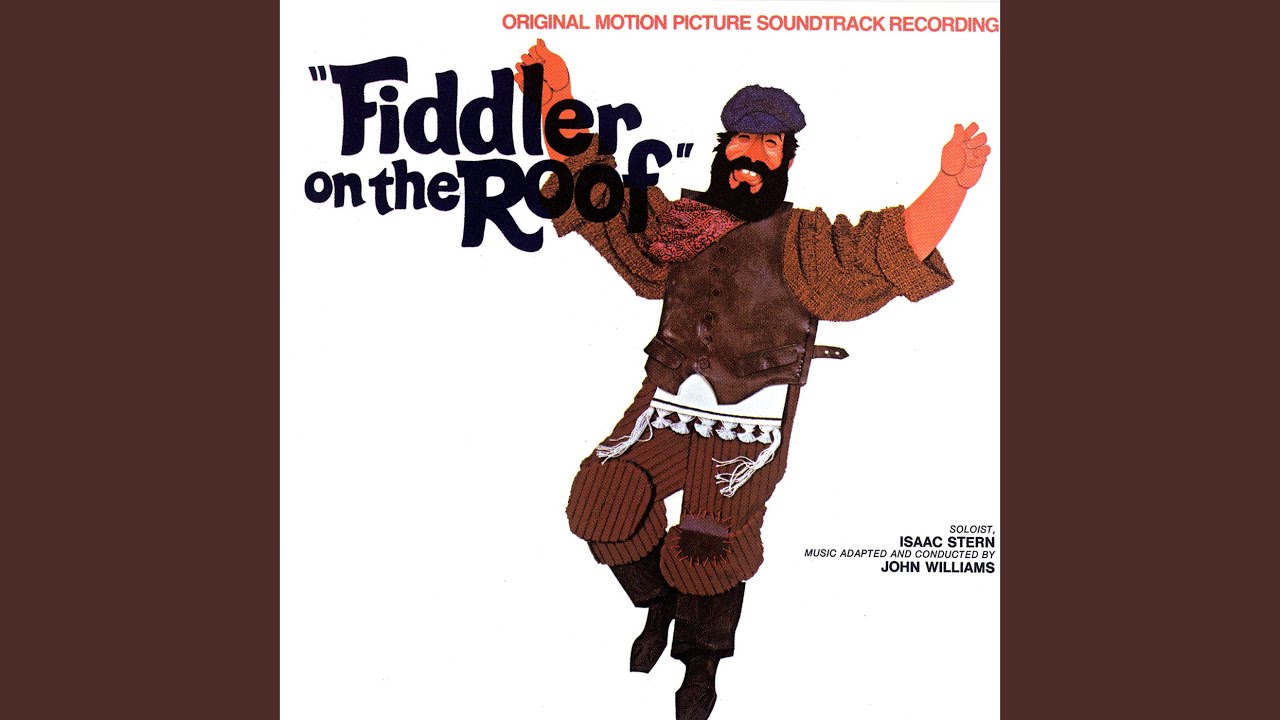
Have you ever watched a wedding reception where the energy was so electric it felt like time stood still? For many couples inspired by classic theater and rich cultural heritage, recreating the magic of Fiddler on the Roof is the ultimate dream. However, pulling off an authentic Fiddler On The Roof Wedding Celebration And The Bottle Dance requires more than just good music; it demands an understanding of tradition, timing, and community spirit.
If you are planning this unique celebration, you might feel overwhelmed by the logistics. How do you balance theatrical flair with genuine respect for Jewish customs? How do you ensure your guests participate safely in the famous bottle dance? This guide will walk you through every step, ensuring your special day is both memorable and culturally resonant.
Why Is the Bottle Dance Central to This Celebration?
To truly appreciate the Fiddler On The Roof Wedding Celebration And The Bottle Dance, we must first understand its roots. The musical Fiddler on the Roof, based on Sholem Aleichem’s stories, depicts life in the Pale of Settlement in Imperial Russia. The wedding scene, particularly the dance, is not merely entertainment; it is a profound expression of joy amidst hardship.
The bottle dance, often performed during the Hora, symbolizes balance, trust, and communal support. In the context of the musical, it represents Tevye’s daughter Tzeitel marrying Lazar Wolf, a match that bridges social divides. When you incorporate this into your modern wedding, you are invoking a century-old tradition of resilience and unity.
According to cultural historians, these dances were originally ways for communities to bond and celebrate survival. Today, they serve as a bridge between generations, allowing older relatives to share their heritage while younger guests experience the vibrancy of Eastern European Jewish culture.
How Do You Plan the Perfect Themed Atmosphere?
Creating the right ambiance is crucial. You aren’t just hosting a party; you are staging a moment in history. Here is how to align your decor and vibe with the theme without turning it into a costume party.
Key Elements for Authenticity
- Lighting: Use warm, amber-toned lighting to mimic candlelight or oil lamps. Avoid harsh white LEDs.
- Music: Hire a live Klezmer band if possible. If budget is tight, curate a playlist featuring traditional instruments like the clarinet, violin, and accordion.
- Decor: Incorporate rustic elements such as wooden crates, lace tablecloths, and wildflowers. Think “Anatevka village” rather than “ballroom glamour.”
| Element | Traditional Approach | Modern Twist |
|---|---|---|
| Centerpieces | Candles in glass jars | LED candles in vintage mason jars |
| Attire | Modest, period-inspired | Contemporary suits/dresses with folk accessories |
| Food | Kugel, challah, brisket | Gourmet sliders with traditional flavors |
By blending these elements, you create an immersive experience that honors the source material while remaining comfortable for modern guests.
What Are the Steps to Perform the Bottle Dance Safely?
The highlight of the Fiddler On The Roof Wedding Celebration And The Bottle Dance is, undoubtedly, the bottle dance itself. This is a high-energy activity where dancers balance bottles on their heads while performing the Hora circle dance. It is visually stunning but carries risks if not managed correctly.
Here is a step-by-step tutorial to ensure safety and success:
- Select the Right Bottles: Do not use glass. Use lightweight plastic bottles filled with water or colored juice. Ensure the caps are tightly sealed to prevent leaks. A standard 500ml bottle is ideal for balance.
- Prepare the Dancers: Identify 4–6 confident dancers who are comfortable being the center of attention. They should wear flat, non-slip shoes. High heels are strictly prohibited for this segment.
- Clear the Floor: Ensure the dance floor is dry and free of obstacles. Remove any loose rugs or cables.
- The Setup: Place the bottle on the dancer’s head. It should sit on the crown, not the forehead. The dancer must keep their neck straight and eyes forward.
- Form the Circle: Other guests form a tight circle around the bottle dancers, holding hands or linking arms. This provides physical support if a dancer loses balance.
- Start Slowly: Begin the Hora at a slow tempo. As confidence builds, the band can increase the speed.
- The Lift (Optional): In advanced performances, dancers may be lifted onto chairs. Warning: Only attempt this with professional choreographers and sturdy furniture. For most weddings, keeping feet on the ground is safer and equally joyful.
Pro Tip: Assign a “spotter” for each bottle dancer. This person stands ready to catch the bottle or steady the dancer if they wobble.
How Does This Tradition Reflect E-E-A-T Principles?
When discussing cultural traditions, Google’s E-E-A-T (Experience, Expertise, Authoritativeness, and Trustworthiness) guidelines are relevant not just for SEO, but for respectful representation.
- Experience: Share personal anecdotes or interviews with couples who have done this. Real stories build connection.
- Expertise: Consult with a Klezmer musician or a Jewish cultural consultant. Their input adds depth.
- Authoritativeness: Reference established sources. For historical context on the origins of these dances in Eastern Europe, you can refer to detailed entries on Wikipedia regarding Klezmer music and dance traditions.
- Trustworthiness: Be transparent about the difficulty of the dance. Do not promise it will be easy; warn about the physical exertion required.
Common Challenges and How to Overcome Them
Even with the best planning, issues can arise. Here are common pitfalls and solutions:
- Guest Hesitation: Many guests may feel shy about joining the circle.
- Solution: Have the MC or a charismatic family member start the circle. Offer small incentives, like a special toast for participants.
- Bottle Slipping: Sweat or movement can dislodge the bottle.
- Solution: Use bottles with a slightly textured surface or wrap a thin rubber band around the base of the bottle for grip. Avoid using oily hair products before dancing.
- Music Mismatch: The band plays too fast too soon.
- Solution: Brief the band leader beforehand. Agree on a signal to slow down if the dancers struggle.
FAQ Section
1. Is the bottle dance exclusively for Jewish weddings?
While rooted in Jewish Ashkenazi tradition, the bottle dance has been adopted by various cultures and theatrical productions. Anyone can enjoy it, provided it is done with respect for its origins. In the context of a Fiddler on the Roof theme, it is a narrative device that fits perfectly regardless of the couple’s background.
2. Can children participate in the bottle dance?
Yes, but with caution. Children under 10 should not balance bottles due to neck strength and balance issues. However, they can join the outer circle of the Hora, which is inclusive and fun for all ages. Always supervise closely.
3. What type of music is best for the bottle dance?
Traditional Klezmer music is ideal. Songs like “Freylekhs” or “Bulgar” have the right rhythm. Modern remixes of these classics can also work if you want a contemporary vibe, but ensure the beat remains steady for balancing.
4. How long should the bottle dance last?
Keep it short and sweet. 3–5 minutes is optimal. Anything longer can become physically exhausting for the dancers and repetitive for the audience. The goal is to leave everyone wanting more, not checking their watches.
5. Do we need a professional choreographer?
For a basic circle dance, no. However, if you plan complex lifts or synchronized movements, hiring a choreographer with experience in folk dance is highly recommended. They can teach your wedding party the basics in a 1-hour session prior to the event.
6. What if someone drops a bottle?
Laugh it off! It’s part of the fun. Have spare bottles ready on the sidelines. The key is to maintain the joyful atmosphere. A dropped bottle is a great photo opportunity and a story to tell for years.
Conclusion
Planning a Fiddler On The Roof Wedding Celebration And The Bottle Dance is a beautiful way to honor tradition, celebrate community, and create unforgettable memories. By focusing on authenticity, safety, and joy, you transform a simple reception into a cultural experience that resonates with guests of all backgrounds.
Remember, the essence of this celebration is not perfection, but participation. Whether you are balancing a bottle or clapping in the circle, you are part of a timeless tradition of love and resilience.
Did you find this guide helpful? Share it with your wedding planning group or pin it to your inspiration board! Let’s keep the tradition alive, one dance at a time.
Leave a Reply