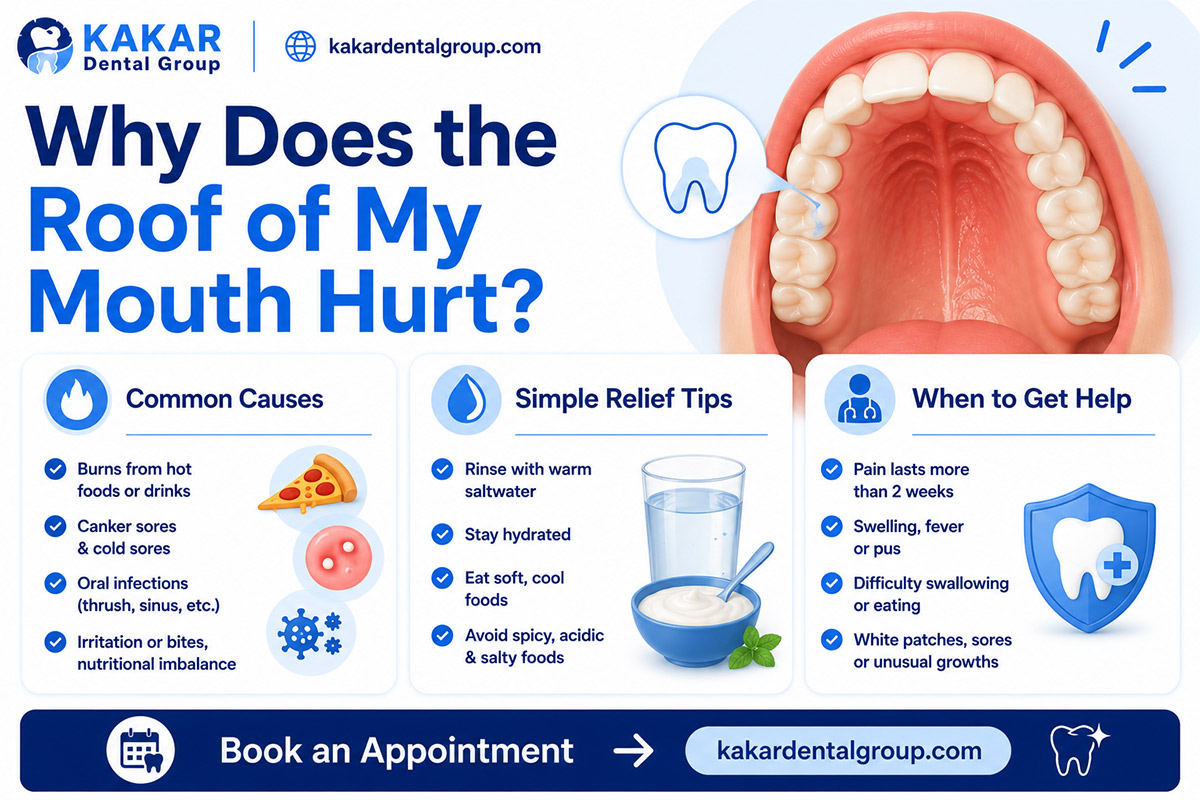
Have you ever taken a bite of hot pizza or a crunchy chip, only to feel a sharp, throbbing pain on the roof of your mouth? It is an incredibly uncomfortable sensation that can make eating, drinking, and even speaking difficult. If you are currently asking yourself, “Why is the roof of my mouth swollen and hurting,“ you are not alone. This common issue often stems from minor injuries or infections, but understanding the root cause is the first step toward effective relief.
In this guide, we will explore the most likely reasons for your discomfort, provide actionable home remedies, and help you determine when it is time to seek professional medical advice. Let’s dive in to get you feeling better quickly.
Common Causes: Why Does the Palate Hurt?
The roof of your mouth, known medically as the palate, is sensitive tissue. When it becomes inflamed, it is usually a response to irritation, infection, or trauma. Here are the primary culprits behind that painful swelling.
1. Thermal Burns (Pizza Palate)
This is arguably the most common reason for sudden pain. The hard palate has thin mucous membranes that are easily damaged by high temperatures. Consuming food or drinks that are too hot—like fresh coffee, soup, or melted cheese—can cause first-degree burns.
- Symptoms: Redness, blistering, peeling skin, and tenderness.
- Healing Time: Typically 3–7 days.
2. Physical Trauma from Food
Hard, sharp, or crunchy foods can scratch or puncture the delicate tissue of the palate. Think of tortilla chips, hard crusts of bread, or candy. Even aggressive brushing with a hard-bristled toothbrush can cause micro-abrasions that lead to swelling.
3. Canker Sores (Aphthous Ulcers)
Canker sores are small, shallow lesions that develop on the soft tissues in your mouth or at the base of your gums. While they often appear on the cheeks or lips, they can also form on the roof of the mouth.
- Triggers: Stress, minor injury, acidic foods, or vitamin deficiencies.
- Appearance: White or yellow center with a red border.
4. Oral Thrush (Yeast Infection)
Oral thrush is a fungal infection caused by Candida albicans. It is more common in infants, the elderly, and individuals with weakened immune systems or those taking antibiotics.
- Symptoms: Creamy white lesions, bleeding if scraped, and a cotton-like feeling in the mouth.
- Risk Factor: According to the Centers for Disease Control and Prevention (CDC), oral candidiasis is a common opportunistic infection in people with compromised immune systems.
5. Allergic Reactions
Food allergies or sensitivities to oral care products (like sodium lauryl sulfate in toothpaste) can cause contact stomatitis. This results in inflammation, swelling, and itching on the palate.
Immediate Relief: How to Soothe the Pain at Home
If you are dealing with minor swelling or a burn, you can often manage the pain effectively at home. Here is a step-by-step approach to reducing inflammation and promoting healing.
Step 1: Cool Down the Area
If the pain is due to a thermal burn, immediate cooling is essential.
- Sip cold water or suck on ice chips.
- Avoid hot beverages for at least 24–48 hours.
- Eat soft, cool foods like yogurt, pudding, or smoothies.
Step 2: Salt Water Rinse
Salt water is a natural disinfectant that helps reduce swelling and kills bacteria.
- Mix 1/2 teaspoon of salt into 8 ounces (approx. 240 ml) of warm water.
- Swish the solution gently around your mouth for 30 seconds.
- Spit it out. Do not swallow.
- Repeat this process 3–4 times a day, especially after meals.
Step 3: Use Over-the-Counter Remedies
- Pain Relievers: Non-prescription medications like ibuprofen or acetaminophen can help reduce pain and inflammation.
- Topical Gels: Look for oral gels containing benzocaine. These provide temporary numbing relief. Note: Use strictly as directed on the label.
Step 4: Avoid Irritants
While your mouth is healing, steer clear of:
- Spicy foods
- Acidic fruits (oranges, lemons, tomatoes)
- Crunchy or sharp snacks
- Alcohol-based mouthwashes
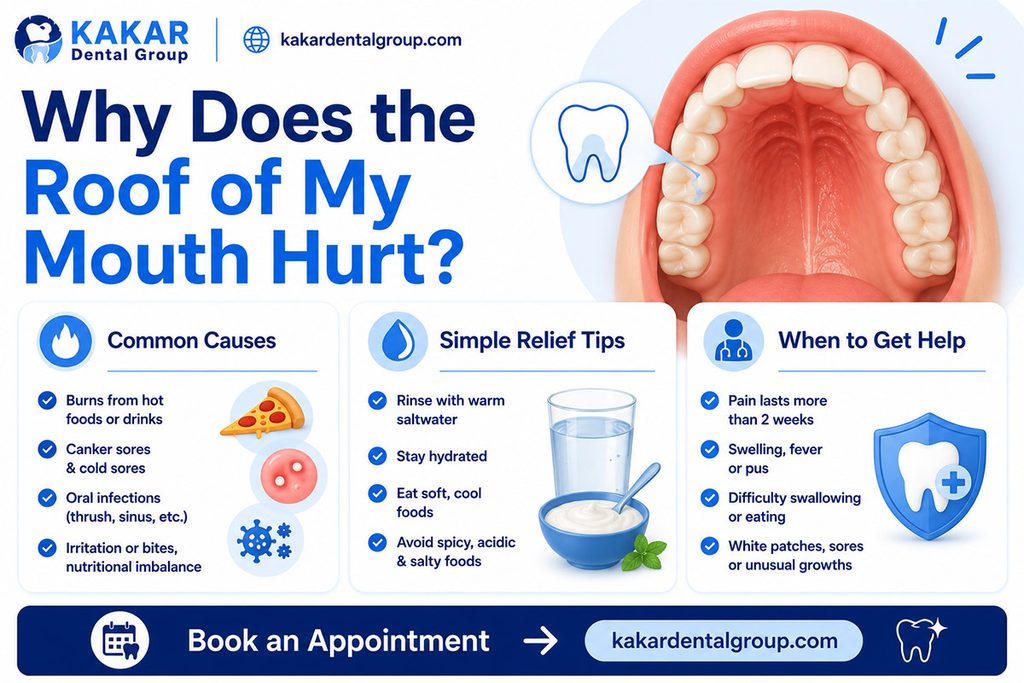
When to See a Doctor: Red Flags to Watch For
While most cases of a swollen palate resolve on their own within a week, some symptoms indicate a more serious underlying condition. You should consult a dentist or healthcare provider if you experience:
| Symptom | Possible Concern | Action Required |
|---|---|---|
| Swelling lasts > 2 weeks | Chronic infection or lesion | Schedule dental exam |
| High fever (>100.4°F / 38°C) | Systemic infection | Seek medical attention |
| Difficulty breathing/swallowing | Severe allergic reaction | Go to ER immediately |
| White patches that bleed | Oral thrush or lichen planus | Consult doctor for antifungals |
| Lumps that grow rapidly | Cyst or tumor | Urgent specialist referral |
It is crucial to listen to your body. Persistent pain is not normal and should never be ignored. Early diagnosis can prevent complications and ensure faster recovery.
Preventing Future Palate Pain
Prevention is always better than cure. Here are some practical tips to keep your oral health in top shape and avoid recurring issues.
- Test Food Temperature: Always let hot food and drinks cool for a few minutes before consuming. A simple “lip test” can save you from a painful burn.
- Chew Carefully: Take smaller bites and chew slowly, especially when eating hard or crunchy foods.
- Maintain Oral Hygiene: Brush twice a day with a soft-bristled toothbrush and floss daily. This prevents gum disease and reduces the bacterial load in your mouth.
- Stay Hydrated: Dry mouth (xerostomia) increases the risk of irritation and infection. Drink plenty of water throughout the day.
- Check Your Products: If you frequently get mouth sores, consider switching to a toothpaste free of sodium lauryl sulfate (SLS).
FAQ Section
1. Can stress cause the roof of my mouth to swell?
Indirectly, yes. Stress weakens the immune system, making you more susceptible to canker sores and viral infections like cold sores, which can cause swelling and pain on the palate. However, stress itself does not directly cause physical swelling without an underlying lesion.
2. Is a swollen roof of the mouth contagious?
It depends on the cause. If the swelling is due to a burn or trauma, it is not contagious. However, if it is caused by a viral infection (like herpes simplex) or a fungal infection (like thrush), it can be transmitted to others through shared utensils, kissing, or poor hygiene practices.
3. How long does it take for a burned palate to heal?
Minor thermal burns usually heal within 3 to 7 days. Deeper burns may take up to two weeks. During this time, the tissue may peel, which is a normal part of the healing process. Keep the area clean and avoid further irritation.
4. Can dehydration cause mouth pain?
Yes. Saliva plays a critical role in protecting the oral tissues. When you are dehydrated, saliva production decreases, leading to a dry mouth. This makes the delicate tissues of the palate more prone to irritation, cracking, and infection.
5. What is the best food to eat when the roof of your mouth hurts?
Stick to a soft, bland, and cool diet. Excellent options include:
- Greek yogurt
- Applesauce
- Mashed potatoes (cooled)
- Smoothies (avoid acidic fruits)
- Scrambled eggs
- Oatmeal
6. Should I pop a blister on the roof of my mouth?
No. Never pop a blister in your mouth. Doing so opens the wound to bacteria, significantly increasing the risk of infection and delaying the healing process. Let the blister rupture naturally or absorb on its own.
Conclusion
Dealing with a swollen and painful roof of the mouth is frustrating, but in most cases, it is a temporary issue caused by minor burns, trauma, or common infections. By identifying the cause—whether it’s that too-hot cup of coffee or a stubborn canker sore—you can apply the right treatment to speed up recovery.
Remember to keep your mouth clean, stay hydrated, and avoid irritants while you heal. If the pain persists for more than two weeks or is accompanied by other severe symptoms, do not hesitate to consult a healthcare professional.
Found this guide helpful? Share it with your friends and family on social media so they can also find relief from mouth pain. Stay healthy and smile confidently!
Leave a Reply