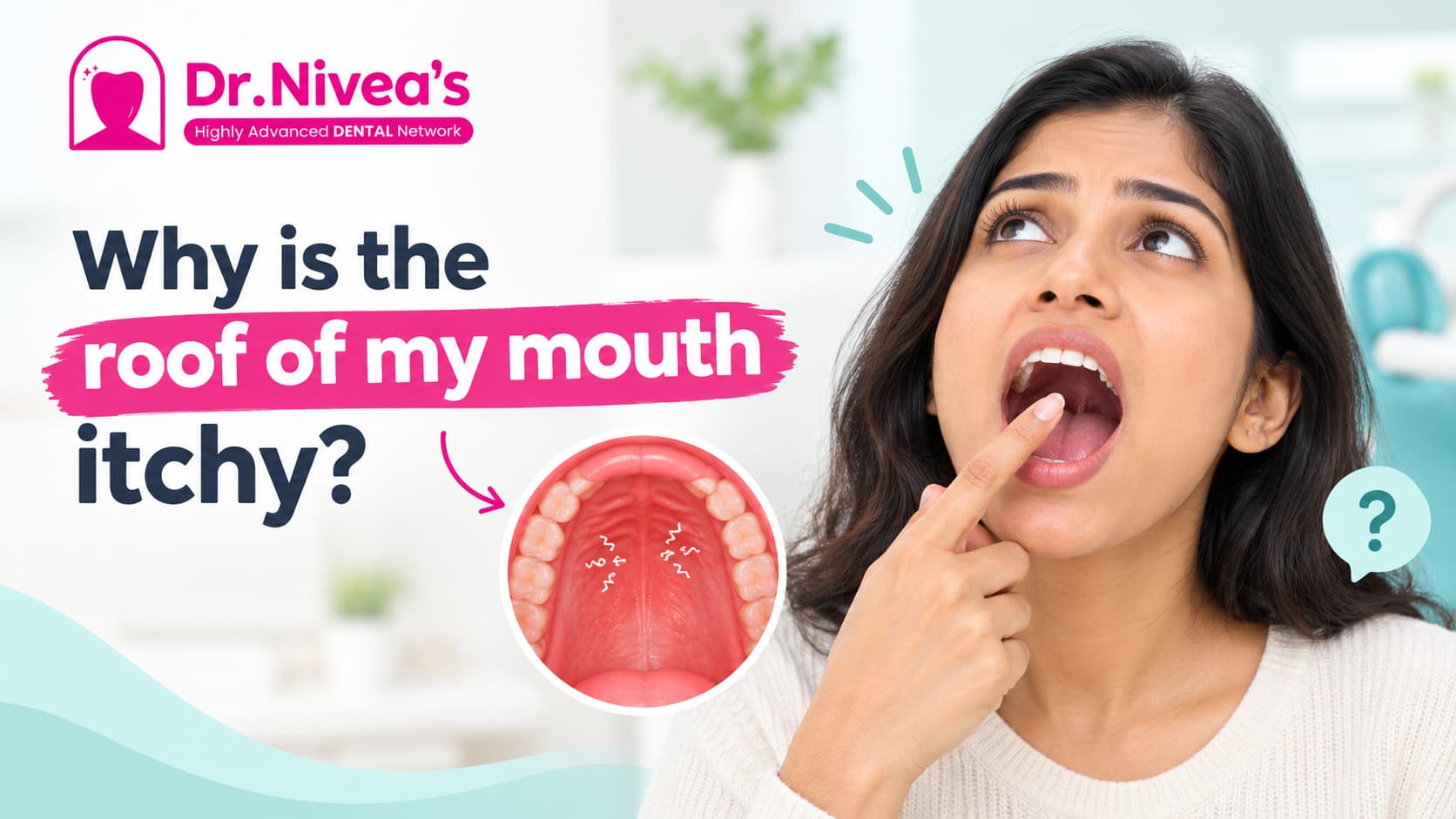
Have you ever been in the middle of a delicious meal or a quiet afternoon when suddenly, an uncontrollable itch strikes the roof of your mouth? It is a frustrating and distracting sensation that can make it difficult to focus or enjoy your food. If you are searching for how to stop the roof of my mouth from itching, you are not alone; this common issue affects millions of Americans annually, often stemming from mild allergies or environmental irritants.
In this comprehensive guide, we will explore the root causes of this annoying sensation and provide actionable, expert-backed strategies to bring you immediate relief. We will cover everything from quick home remedies to understanding when you need to see a doctor, ensuring you have the knowledge to manage this condition effectively.
Why Does the Roof of My Mouth Itch?
Before diving into solutions, it is crucial to understand the “why.” The roof of your mouth, known medically as the palate, is lined with sensitive mucous membranes. When these membranes become inflamed or irritated, nerve endings send itch signals to your brain.
According to data from the American College of Allergy, Asthma, and Immunology, up to 30% of adults suffer from some form of allergic rhinitis, which frequently manifests as oral itching. However, allergies are not the only culprit. Identifying the specific trigger is the first step toward effective treatment.
Common Triggers at a Glance
| Trigger Category | Specific Causes | Typical Symptoms |
|---|---|---|
| Allergies | Pollen, dust mites, pet dander | Itching, sneezing, watery eyes |
| Food Sensitivities | Nuts, shellfish, certain fruits | Swelling, tingling, hives |
| Oral Allergy Syndrome | Raw fruits/veggies (cross-reactivity) | Itching immediately after eating |
| Dryness | Dehydration, mouth breathing | Cracking, general irritation |
| Infections | Cold sores, thrush (yeast) | Pain, white patches, blisters |
How to Stop the Roof of My Mouth From Itching: Immediate Home Remedies
If you are experiencing sudden itching, you likely want relief now. Here are several proven methods to soothe the irritation instantly. These remedies are safe, easy to implement, and require items you probably already have in your kitchen.
1. Rinse with Salt Water
Salt water is a natural antiseptic and anti-inflammatory agent. It helps to reduce swelling and flush out any allergens or irritants stuck in the mucous membranes.
- Step 1: Mix 1/2 teaspoon of non-iodized salt into 8 ounces (approx. 240 ml) of warm water. Ensure the water is comfortably warm, not hot, to avoid further irritation.
- Step 2: Swish the solution around your mouth, focusing on tilting your head back to let the water reach the roof of your mouth.
- Step 3: Gargle for 30 seconds, then spit it out. Do not swallow.
- Step 4: Repeat this process 2–3 times a day until the itching subsides.
2. Apply a Cold Compress or Ice Chips
Cold temperatures constrict blood vessels, which reduces inflammation and numbs the nerve endings responsible for the itch sensation.
- Method A: Suck on small ice chips. Let them melt slowly against the roof of your mouth. This provides prolonged cooling relief.
- Method B: If you don’t have ice, drink a glass of cold water. Avoid sugary or acidic drinks, as these can exacerbate irritation.
3. Use Honey for Soothing
Honey has natural antibacterial and anti-inflammatory properties. It creates a protective coating over the irritated tissue.
- Instruction: Take one teaspoon of raw, organic honey and let it coat the roof of your mouth. Hold it there for a minute before swallowing. Note: Do not give honey to children under one year old.
4. Over-the-Counter Antihistamines
If the itching is caused by seasonal allergies or histamine release, an oral antihistamine can block the chemical reaction causing the itch.
- Recommendation: Look for second-generation antihistamines like cetirizine (Zyrtec) or loratadine (Claritin), which are less likely to cause drowsiness than older versions like diphenhydramine (Benadryl). Always follow the dosage instructions on the label.
Understanding Oral Allergy Syndrome (OAS)
One of the most common yet misunderstood causes of an itchy palate is Oral Allergy Syndrome (OAS), also known as pollen-food syndrome. This occurs when your immune system confuses proteins in certain raw fruits, vegetables, or nuts with pollen grains.
For example, if you are allergic to birch pollen, you might experience an itchy roof of the mouth after eating apples, carrots, or hazelnuts. This is because the protein structures are similar.
Key Characteristics of OAS:
- Timing: Symptoms usually occur immediately after eating the trigger food.
- Duration: The itching typically subsides within minutes to an hour after stopping consumption.
- Severity: It is generally mild, but in rare cases, it can progress to more severe allergic reactions.
To manage OAS, try peeling the fruit or cooking it. Heat denatures the proteins, making them less likely to trigger an allergic response. For more detailed information on cross-reactivity, you can refer to the Wikipedia page on Oral Allergy Syndrome.
When to See a Doctor: Red Flags to Watch For
While most cases of an itchy roof of the mouth are benign and temporary, some symptoms indicate a more serious underlying condition. You should seek professional medical attention if you experience:
- Difficulty Breathing: If the itching is accompanied by throat tightness, wheezing, or shortness of breath, this could be a sign of anaphylaxis, a life-threatening allergic reaction. Call emergency services immediately.
- Persistent Symptoms: If the itching lasts for more than a week despite home treatment, it may indicate a chronic infection or autoimmune issue.
- Visible Lesions: Look for white patches, blisters, or sores. These could be signs of oral thrush (a yeast infection) or herpes simplex virus (cold sores), which require prescription medication.
- Swelling: Significant swelling of the lips, tongue, or face requires immediate medical evaluation.
Preventive Measures for Long-Term Relief
Prevention is always better than cure. By making small adjustments to your daily routine, you can significantly reduce the frequency of itchy palate episodes.
Maintain Oral Hygiene
Bacteria and food particles can irritate the sensitive tissues of the mouth. Brush your teeth twice a day and floss daily. Consider using an alcohol-free mouthwash, as alcohol can dry out the mucous membranes, leading to irritation.
Stay Hydrated
Dehydration leads to dry mouth (xerostomia), which makes the roof of the mouth more susceptible to itching and cracking. Aim to drink at least 2 liters of water daily. If you live in a dry climate or use heating/air conditioning frequently, consider using a humidifier in your bedroom.
Identify and Avoid Triggers
Keep a food and symptom diary. Note what you ate and any environmental exposures (like high pollen days) when the itching occurs. Over time, patterns will emerge, allowing you to avoid specific triggers.
Manage Stress
Stress can weaken the immune system and exacerbate inflammatory responses, including skin and mucosal irritation. Incorporate stress-reduction techniques such as deep breathing exercises, meditation, or regular physical activity into your routine.
FAQ Section
1. Can dehydration cause the roof of my mouth to itch?
Yes, dehydration can lead to dry mouth, which reduces the protective saliva layer in your mouth. This dryness can cause the delicate tissues on the roof of your mouth to become irritated and itchy. Drinking plenty of water is one of the simplest and most effective ways to prevent this.
2. Is an itchy roof of the mouth a sign of a cold?
It can be. In the early stages of a viral upper respiratory infection, the mucous membranes in the nose and mouth may become inflamed and itchy. This is often accompanied by other symptoms like a runny nose, sore throat, or fatigue. If you suspect a cold, rest and hydration are key.
3. Why does my mouth itch after eating bananas?
This is likely due to Oral Allergy Syndrome. Bananas contain proteins that are structurally similar to ragweed pollen. If you have a ragweed allergy, your body may mistake the banana proteins for pollen, triggering an immune response that results in itching. Cooking the banana may help, as heat breaks down these proteins.
4. Can toothpaste cause an itchy roof of the mouth?
Yes, some individuals are sensitive to ingredients commonly found in toothpaste, such as sodium lauryl sulfate (SLS), cinnamon flavoring, or whitening agents. If you notice itching after brushing, try switching to a hypoallergenic, SLS-free toothpaste to see if symptoms improve.
5. How long does an allergic itch in the mouth last?
For mild allergic reactions or Oral Allergy Syndrome, the itching usually subsides within 30 minutes to two hours after removing the trigger. If you take an antihistamine, relief may come faster. If the itching persists beyond 24 hours, consult a healthcare provider.
6. Is it safe to scratch the roof of my mouth with my tongue?
While it provides temporary relief, vigorous scratching with your tongue or fingers can damage the delicate tissue, leading to micro-tears and increasing the risk of infection. It is better to use soothing methods like cold water or salt rinses instead of mechanical scratching.
Conclusion
Dealing with an itchy roof of the mouth can be uncomfortable, but it is rarely a cause for panic. By understanding the underlying causes—whether they are allergies, dryness, or dietary triggers—you can take control of your symptoms. Simple remedies like salt water rinses, staying hydrated, and avoiding known allergens can provide significant relief.
Remember, while home remedies are effective for mild cases, persistent or severe symptoms should always be evaluated by a healthcare professional. Your health is paramount, and accurate diagnosis ensures you get the right treatment.
If you found this guide helpful, please share it with friends and family who might be suffering from similar issues. Spreading awareness about oral health and allergy management can help others find relief faster. Stay healthy, stay hydrated, and keep smiling!
Leave a Reply