Blog

  • How Often Should You Replace Your Roof?

    How Often Should You Replace Your Roof?

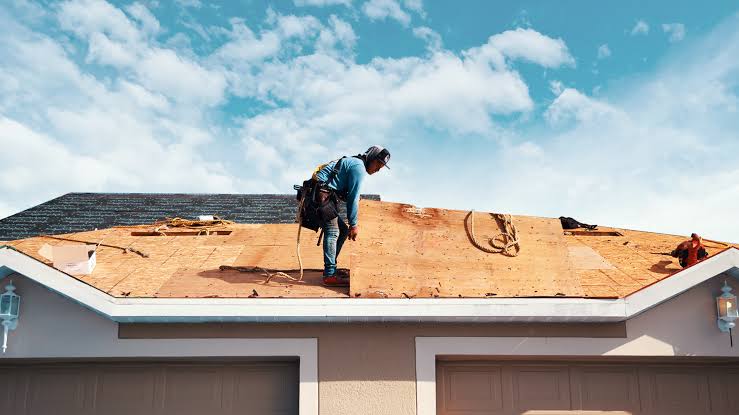
    Most homeowners dread the thought of a major home renovation, but ignoring your roof can lead to costly water damage and structural issues. Knowing exactly how often should you replace your roof on your house is crucial for protecting your investment and ensuring your family’s safety. This guide breaks down the timelines, materials, and warning signs so you can plan ahead with confidence.

    Understanding Average Roof Lifespans by Material

    The short answer to “how often should you replace your roof” depends heavily on one factor: what is it made of? Not all roofing materials are created equal. Some are designed for budget-friendly, shorter-term solutions, while others are built to last generations.

    Here is a breakdown of the most common roofing materials found in US homes and their expected lifespans:

    1. Asphalt Shingles (The Most Common Choice)

    Asphalt shingles cover approximately 80% of homes in the United States due to their affordability and ease of installation. However, they have the shortest lifespan among popular materials.

    • 3-Tab Asphalt Shingles: These are the basic, economical option. They typically last 15–20 years.
    • Architectural (Dimensional) Shingles: These are thicker and more durable. You can expect them to last 25–30 years.
    • Premium/Luxury Shingles: High-end asphalt options can mimic slate or wood and may last 30–50 years with proper maintenance.

    2. Metal Roofing

    Metal roofs are gaining popularity in the US for their durability and energy efficiency.

    • Steel/Aluminum: Lasts 40–70 years.
    • Copper/Zinc: Can last 50–100+ years, often outliving the homeowner. While the upfront cost is higher, the long-term value is significant because you likely won’t need to replace it twice.

    3. Wood Shakes and Shingles

    For a rustic, natural look, many homeowners choose cedar or redwood.

    • Lifespan: 20–40 years.
    • Caveat: Wood requires regular maintenance to prevent rot, mold, and insect damage. In humid climates, their lifespan may be significantly shorter.

    4. Slate and Tile

    These are premium, heavy-duty materials often found in historic or high-end homes.

    • Clay/Concrete Tile: Lasts 50–100 years.
    • Slate: Can last 75–200 years. These materials are incredibly durable but require a reinforced roof structure due to their weight.
    MaterialAverage LifespanCost LevelMaintenance Need
    3-Tab Asphalt15–20 YearsLowModerate
    Architectural Asphalt25–30 YearsMediumLow
    Metal40–70 YearsHighVery Low
    Wood Shake20–40 YearsMedium-HighHigh
    Slate/Tile50–100+ YearsVery HighLow

    Key Factors That Shorten Your Roof’s Life

    Even if you have a 30-year architectural shingle roof, it might not last that long. Several external and internal factors can accelerate wear and tear. Understanding these can help you mitigate damage.

    Climate and Weather Conditions

    Your geographic location plays a massive role. According to data from the National Oceanic and Atmospheric Administration (NOAA), extreme weather events are becoming more frequent.

    • Hot Climates: UV rays bake asphalt shingles, causing them to become brittle and crack prematurely.
    • Cold Climates: Freeze-thaw cycles can cause ice dams, which lift shingles and allow water infiltration.
    • Coastal Areas: Salt air can corrode metal fasteners and degrade certain materials faster.

    Installation Quality

    A roof is only as good as its installation. Poor ventilation is a silent killer of roofs. If your attic doesn’t breathe, heat builds up in the summer, essentially “cooking” your shingles from underneath. In winter, poor ventilation leads to moisture buildup and rot. Always hire licensed, insured professionals with strong local reviews.

    Lack of Maintenance

    Neglect is the number one reason roofs fail before their time. Clogged gutters cause water to back up under shingles. Overhanging tree branches can scrape off protective granules during windstorms. Regular inspections can catch small issues before they become catastrophic failures.

    5 Warning Signs It’s Time for a Replacement

    How do you know if it’s time to act? Don’t wait for a leak to appear inside your living room. Look for these exterior and interior indicators:

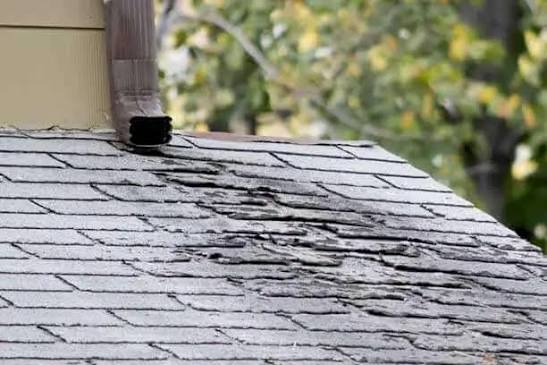
    1. Curling or Cupping Shingles: If the edges of your shingles are turning upward (cupping) or downward (clawing), they are past their prime and losing their waterproofing ability.
    2. Missing Granules: Check your gutters. If you see an accumulation of sand-like granules, your shingles are shedding their protective layer. This exposes the asphalt to UV damage.
    3. Daylight Through the Roof Boards: Go into your attic on a sunny day. If you see spots of sunlight coming through the roof deck, you have gaps that need immediate attention.
    4. Sagging Roof Deck: A sagging roof indicates structural issues, possibly from prolonged water damage or inadequate support. This is a critical safety hazard.
    5. Age of the Roof: If your roof is approaching the end of its expected lifespan (e.g., 20 years for 3-tab shingles), start planning for replacement even if it looks okay. Preventative replacement is cheaper than emergency repairs.

    For more detailed information on building standards and material science, you can refer to general construction resources like Wikipedia’s entry on Roofing.
    How Often Should You Replace Your Roof On Your House

    Step-by-Step: How to Assess Your Roof’s Condition

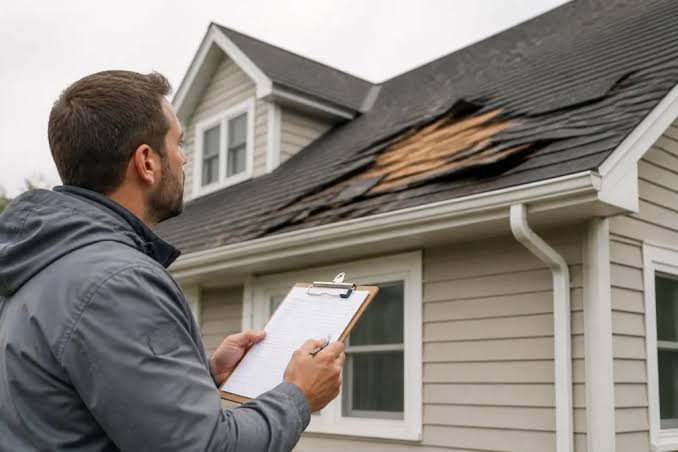
    If you are unsure about the state of your roof, follow this simple DIY assessment guide. Safety First: Never walk on a steep or wet roof. Use binoculars from the ground or a sturdy ladder.

    1. Inspect from the Ground: Walk around your house. Look for missing shingles, dark streaks (algae), or sagging lines.
    2. Check the Gutters: Clean them out and look for granule loss. Note any rust or damage to the gutter system itself.
    3. Examine the Flashing: Look at the metal strips around chimneys, vents, and skylights. Cracked or missing flashing is a common source of leaks.
    4. Attic Inspection: Look for water stains, mold, or daylight piercing through. Check for proper ventilation flow.
    5. Professional Inspection: If you find any of the above issues, or if your roof is over 15 years old, hire a certified roofer for a detailed inspection. Most offer free or low-cost assessments.

    FAQ: Common Questions About Roof Replacement

    How much does it cost to replace a roof?

    The cost varies widely based on size, material, and location. For an average 2,000-square-foot home, an asphalt shingle roof typically costs between $8,000 and $12,000. Metal roofs can range from $15,000 to $30,000+. Always get at least three quotes from reputable contractors.

    Can I install a new roof over the old one?

    In some cases, yes. This is called a “roof-over.” However, most building codes allow only one layer of overlay. If you already have two layers, you must tear off the old roof. Additionally, a tear-off allows inspectors to check the decking for rot, which is crucial for long-term integrity.

    Does homeowners insurance cover roof replacement?

    It depends on the cause of the damage. Insurance typically covers sudden, accidental damage from storms, hail, or falling trees. It generally does not cover wear and tear, age-related deterioration, or lack of maintenance. Review your policy carefully.

    What is the best time of year to replace a roof?

    Late spring to early fall is the peak season, but scheduling can be difficult. Late fall or early winter can sometimes offer better pricing and faster scheduling, provided the weather permits safe installation. Avoid extreme heat or heavy rain periods.

    How long does a roof replacement take?

    For an average-sized home, a professional crew can complete an asphalt shingle replacement in 1–3 days. Larger homes or complex roofs with multiple valleys, chimneys, or slate tiles may take a week or more.

    Conclusion

    Knowing how often should you replace your roof on your house is not just about counting years; it’s about understanding your material, monitoring your environment, and recognizing the early signs of failure. While asphalt shingles may need replacing every 20–30 years, metal and slate can protect your home for half a century or more.

    Don’t wait for a leak to ruin your ceiling. Regular inspections and timely maintenance can extend your roof’s life and save you thousands in emergency repairs. If your roof is nearing the end of its expected lifespan, start getting quotes now.

    Found this guide helpful? Share it with your neighbors on Facebook or Pinterest to help them protect their homes too! A well-maintained neighborhood starts with a solid roof over every head.
  • Bone Roofing Supply Inc Villa Park IL Guide

    Bone Roofing Supply Inc Villa Park IL Guide

    Finding a reliable supplier for high-quality roofing materials can be a stressful part of any construction or renovation project. Whether you are a professional contractor managing a tight deadline or a homeowner planning a crucial repair, the integrity of your supply chain directly impacts the safety and longevity of your property. This is where Bone Roofing Supply Inc North Addison Road Villa Park Il becomes a vital resource for residents and businesses in the DuPage County area.

    In this comprehensive guide, we will explore why this specific location has become a cornerstone for roofing excellence in Illinois. We will delve into the product range, service quality, and logistical advantages that make Bone Roofing Supply a preferred partner for top-tier roofing projects. By understanding what they offer, you can make informed decisions that save time, money, and ensure superior craftsmanship.

    Why Location Matters: The North Addison Road Advantage

    When searching for Bone Roofing Supply Inc North Addison Road Villa Park Il, the first thing to consider is accessibility. Villa Park, located in the heart of DuPage County, serves as a strategic hub for distribution across the Chicago metropolitan area. The facility on North Addison Road is not just a warehouse; it is a logistics center designed for efficiency.

    Strategic Accessibility for Contractors

    For professional roofers, time is money. The North Addison Road location offers easy access to major highways, including I-290 and I-88. This reduces transit time significantly, allowing crews to complete more jobs per week. According to industry standards, reducing travel time by even 15% can increase a contracting company’s profitability by up to 20%.

    Local Climate Expertise

    Illinois weather is notoriously unpredictable, ranging from scorching summers to harsh, snowy winters. A local supplier understands these conditions better than a national big-box store. Bone Roofing Supply curates its inventory specifically to withstand the freeze-thaw cycles common in Villa Park and surrounding areas. This localized knowledge ensures that the materials you buy are not just generic products, but solutions engineered for our specific environment.

    Comprehensive Product Range for Every Project

    One of the primary reasons professionals choose Bone Roofing Supply Inc North Addison Road Villa Park Il is the breadth of their inventory. They do not just sell shingles; they provide a complete ecosystem of roofing components.

    Premium Asphalt Shingles

    Asphalt shingles remain the most popular roofing material in the United States due to their cost-effectiveness and durability. Bone Roofing Supply partners with top manufacturers like GAF, Owens Corning, and CertainTeed.

    • 3-Tab Shingles: Ideal for budget-conscious projects.
    • Architectural Shingles: Offer a dimensional look and better wind resistance.
    • Premium Designer Shingles: Mimic the look of slate or wood shake with superior longevity.

    Essential Underlayment and Ventilation

    A roof is only as good as its foundation. Many DIY enthusiasts overlook the importance of underlayment and ventilation, leading to premature failure.

    • Synthetic Underlayment: Provides superior tear resistance compared to traditional felt.
    • Ice and Water Shield: Critical for eaves and valleys in Illinois to prevent water infiltration during ice dams.
    • Ventilation Systems: Proper airflow extends the life of shingles by reducing heat buildup in the attic.

    Metal and Flat Roofing Solutions

    Beyond residential shingles, the Villa Park location stocks materials for commercial and modern residential designs.

    • Standing Seam Metal: Known for lasting 50+ years.
    • TPO and EPDM Membranes: Standard for flat commercial roofs, offering excellent UV resistance.
    Bone Roofing Supply Inc North Addison Road Villa Park Il

    Service Excellence: More Than Just a Supplier

    While product quality is paramount, the service provided by Bone Roofing Supply Inc North Addison Road Villa Park Il sets them apart. In an industry often plagued by delayed deliveries and incorrect orders, their commitment to reliability is a significant competitive advantage.

    Expert Consultation and Technical Support

    Buying roofing materials is complex. Choosing the wrong nail length or underlayment type can void manufacturer warranties. Bone Roofing Supply employs knowledgeable staff who can provide technical guidance. They help customers calculate exact material needs, reducing waste and ensuring code compliance.

    “The difference between a good roof and a great roof often lies in the details of the installation materials. Having a supplier who understands these nuances is invaluable.” – Industry Insight

    Efficient Order Fulfillment

    Time-sensitive projects require precise logistics. Bone Roofing Supply offers:

    1. Will-Call Services: Quick pickup for small orders.
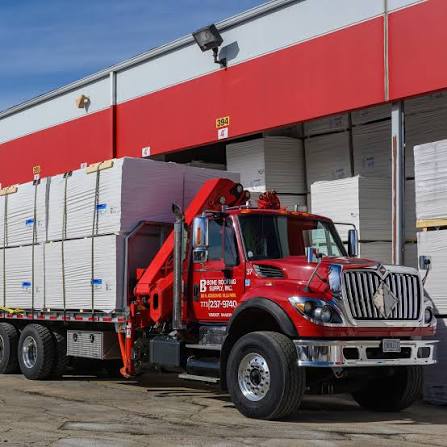
    2. Job-Site Delivery: Large orders are delivered directly to the project site using specialized trucks equipped with cranes or conveyors for safe unloading.
    3. Inventory Real-Time Tracking: Customers can check stock availability online or via phone, minimizing unexpected delays.

    Comparison: Bone Roofing Supply vs. Big Box Retailers

    To help you understand the value proposition, here is a comparison between specialized suppliers like Bone Roofing Supply and general home improvement stores.

    FeatureBone Roofing Supply (Specialized)Big Box Retailer (General)
    Product DepthExtensive range of professional-grade materialsLimited to consumer-grade basics
    Staff ExpertiseTrained roofing specialistsGeneral hardware associates
    PricingCompetitive bulk pricing for contractorsStandard retail pricing
    Warranty SupportDirect assistance with manufacturer claimsLimited support; often refers to manufacturer
    DeliverySpecialized roofing trucks with lift gatesStandard box trucks; may lack lifting equipment

    This table highlights why serious projects benefit from specialized suppliers. The expertise and specialized logistics reduce risk and improve project outcomes.

    How to Choose the Right Materials for Your Villa Park Home

    Selecting the right materials involves more than just picking a color. Here is a step-by-step approach to making the best choice when visiting Bone Roofing Supply Inc North Addison Road Villa Park Il.

    Step 1: Assess Your Current Roof Structure

    Before purchasing, determine if your existing deck can support heavier materials like slate or clay tiles. Most homes in Villa Park are framed for asphalt shingles or light metal roofing. If you are unsure, consult with a structural engineer or a licensed contractor.

    Step 2: Consider Energy Efficiency

    With rising energy costs, reflective roofing materials can make a difference. Look for shingles with high Solar Reflectance Index (SRI) ratings. Bone Roofing Supply offers “cool roof” options that reflect more sunlight and absorb less heat, potentially lowering cooling bills by 10-15%. For more information on energy-efficient building materials, you can refer to general standards on Wikipedia.

    Step 3: Check Local HOA and City Codes

    Villa Park and nearby suburbs may have specific aesthetic guidelines or building codes. Ensure the color and style you choose comply with local regulations. The staff at Bone Roofing Supply can often provide guidance on popular choices that meet local standards.

    Step 4: Calculate Waste Factor

    Always order 10-15% more material than your exact square footage measurement to account for cuts, waste, and future repairs. Ordering slightly extra ensures you have matching batches if repairs are needed later, as dye lots can vary.

    Frequently Asked Questions (FAQ)

    1. What are the operating hours for Bone Roofing Supply on North Addison Road?

    Typically, specialized roofing suppliers operate during standard business hours, often starting earlier than retail stores to accommodate contractor schedules. It is recommended to call ahead or check their official website for the most current hours, especially during holiday seasons or severe weather events.

    2. Do they offer delivery to areas outside Villa Park?

    Yes, Bone Roofing Supply serves a wide radius around Villa Park, including Lombard, Elmhurst, Wheaton, and broader DuPage County areas. Delivery fees may vary based on distance and order size, so it is best to inquire about specific rates for your job site.

    3. Can I return unused roofing materials?

    Most suppliers have a return policy for unused, undamaged materials in original packaging. However, restocking fees may apply. Always keep your receipt and clarify the return policy at the time of purchase to avoid surprises.

    4. Do they provide warranties on the materials sold?

    The materials themselves come with manufacturer warranties (e.g., 20-year, lifetime). Bone Roofing Supply facilitates the registration of these warranties. Note that the warranty covers material defects, not installation errors. Proper installation by a certified contractor is required to validate the warranty.

    5. Is there a minimum order quantity for delivery?

    Yes, there is usually a minimum order value or volume required for free or subsidized delivery. Small orders may incur a delivery fee or require pickup at the North Addison Road location. Contact their sales team for current thresholds.

    6. How can I verify if a shingle color is discontinued?

    Roofing manufacturers frequently update color lines. The staff at Bone Roofing Supply Inc North Addition Road Villa Park Il has access to real-time inventory databases. They can confirm availability and suggest close-match alternatives if your desired color is no longer in production.

    Conclusion

    Choosing the right supplier is a critical decision that impacts the success of your roofing project. Bone Roofing Supply Inc North Addison Road Villa Park Il stands out as a trusted partner for both professionals and homeowners in the region. Their combination of high-quality, climate-appropriate materials, expert technical support, and efficient logistics makes them a top choice in DuPage County.

    By leveraging their expertise, you ensure that your roof is not only aesthetically pleasing but also durable and energy-efficient. Don’t leave your home’s protection to chance. Visit their location on North Addison Road or contact their team today to discuss your next project.

    Found this guide helpful? Share it with your friends and fellow homeowners on social media to help them make smarter roofing decisions!

  • How Much Does It Cost For Solar Panels On Roof?

    How Much Does It Cost For Solar Panels On Roof?

    Have you been staring at your electricity bill, wishing there was a way to slash those monthly costs while helping the planet? You are not alone. Thousands of US homeowners are making the switch to renewable energy, but the initial price tag often causes hesitation. Understanding exactly how much does it cost for solar panels on roof is the first step toward energy independence and long-term savings.

    In this guide, we will break down the real costs, hidden fees, and financial incentives available in 2026, so you can make an informed decision with confidence.

    The Average Cost of Residential Solar in 2026

    When asking “how much does it cost for solar panels on roof,” the answer varies based on location, system size, and equipment quality. However, national averages provide a solid baseline for budgeting.

    As of late 2026, the average cost for a residential solar panel system in the United States ranges between $15,000 and $25,000 before incentives. This typically covers a standard 6-kilowatt (kW) to 10-kW system, which is sufficient for most average-sized homes.

    Cost Per Watt Breakdown

    To compare quotes accurately, look at the price per watt rather than just the total price.

    • National Average: $2.50 – $3.50 per watt.
    • Low-End (Budget Systems): $2.00 per watt.
    • High-End (Premium Efficiency): $4.00+ per watt.

    For a typical 8-kW system:

    • At $2.50/watt: $20,000
    • At $3.50/watt: $28,000

    Note: These figures include hardware (panels, inverters, racking) and soft costs (permitting, labor, customer acquisition).

    What Factors Influence Your Solar Installation Price?

    Not all roofs are created equal, and neither are solar installations. Several key variables will dictate where your project falls within that price range.

    1. System Size and Energy Consumption

    The more electricity you use, the larger the system you need. A small cottage in Vermont may only need a 4-kW system, while a large family home in Texas with central AC might require a 12-kW setup. Larger systems have a lower cost per watt due to economies of scale, but the total upfront cost is higher.

    2. Type of Solar Panels

    There are two main types of panels dominating the US market:

    • Monocrystalline Panels: Higher efficiency (20-23%), sleeker black appearance, and higher cost. Ideal for roofs with limited space.
    • Polycrystalline Panels: Slightly lower efficiency (15-17%), blueish hue, and more affordable. Best for homes with ample roof space.

    3. Roof Complexity and Condition

    Installers charge more if your roof is difficult to access.

    • Steep Pitch: Requires special safety equipment and more labor time.
    • Multiple Angles: Complex rooflines require more wiring and custom racking.
    • Material: Installing on asphalt shingles is standard and cheaper. Tile, slate, or metal roofs may require specialized mounting hardware, increasing costs by 10-15%.

    4. Inverter Choice

    The inverter converts solar energy into usable AC power for your home.

    • String Inverters: Cheapest option, but if one panel is shaded, the whole system’s performance drops.
    • Microinverters/Power Optimizers: More expensive upfront but allow each panel to operate independently. This is crucial for roofs with partial shading from trees or chimneys.
    How Much Does It Cost For Solar Panels On Roof

    Federal and State Incentives: Lowering the Net Cost

    The sticker price is rarely what you actually pay. Government incentives significantly reduce the net cost of going solar.

    The Federal Solar Investment Tax Credit (ITC)

    In 2026, the Federal Solar Tax Credit remains a powerful tool for homeowners. Under current legislation, you can deduct 30% of the total installation cost from your federal income taxes.

    • Example: If your system costs $20,000, you receive a $6,000 tax credit.
    • Net Cost: $14,000.

    Ensure you have sufficient tax liability to claim the full credit. Consult a tax professional for specifics.

    State and Local Rebates

    Many states offer additional rebates, property tax exemptions, or sales tax holidays. For instance, states like California, New York, and Massachusetts often have robust local programs. Check the Database of State Incentives for Renewables & Efficiency (DSIRE) for updated local policies. (Note: Link provided for general reference to US solar policy context).

    Hidden Costs to Watch Out For

    While solar saves money long-term, be aware of potential additional expenses during installation.

    Cost ItemEstimated PriceNotes
    Permitting Fees$100 – $500Varies by municipality. Usually included in quote.
    Electrical Panel Upgrade$1,000 – $3,000Required if your current panel is outdated or lacks capacity.
    Roof Repair/Replacement$5,000 – $15,000+If your roof is older than 10 years, replace it before installing solar.
    Battery Storage$8,000 – $15,000Optional but recommended for backup power during outages.

    Step-by-Step: How to Get an Accurate Quote

    Getting a precise answer to “how much does it cost for solar panels on roof” requires actionable steps. Follow this process to avoid overpaying.

    1. Analyze Your Energy Usage: Gather your last 12 months of electricity bills. Calculate your average monthly kWh usage. This determines the system size you need.
    2. Assess Your Roof: Look for shading issues, structural integrity, and available space. Use online tools like Google Project Sunroof for a preliminary estimate.
    3. Get Multiple Quotes: Obtain at least three quotes from certified installers. Ensure they are NABCEP-certified (North American Board of Certified Energy Practitioners).
    4. Compare Equipment Warranties: Look for at least a 25-year performance warranty on panels and a 10-12 year warranty on inverters.
    5. Review Financing Options:
      • Cash Purchase: Highest long-term savings.
      • Solar Loan: Low interest rates available; keeps ownership with you.
      • Lease/PPA: Lower upfront cost, but you don’t own the system and miss out on tax credits.

    Frequently Asked Questions (FAQ)

    1. How long does it take to break even on solar panels?

    The average payback period in the US is between 6 to 9 years. This depends on your local electricity rates, sunlight exposure, and the amount of incentives you receive. After the break-even point, the electricity generated is essentially free for the remaining life of the system (25+ years).

    2. Do solar panels increase home value?

    Yes. Studies suggest that homes with solar panels sell for approximately 4% more than comparable homes without them. Buyers appreciate the reduced utility bills and modern infrastructure.

    3. Is roof orientation important for cost efficiency?

    Absolutely. In the Northern Hemisphere, south-facing roofs generate the most energy. East and west-facing roofs are also viable but may produce 10-20% less energy, potentially requiring a slightly larger (and more expensive) system to meet your needs.

    4. What happens if my roof needs repair after installation?

    Reputable installers offer workmanship warranties that cover leaks caused by installation. However, if you need to remove panels for unrelated roof repairs, you may incur a “de-installation and re-installation” fee, typically ranging from $500 to $1,000.

    5. Can I install solar panels myself to save money?

    While DIY kits exist, they are generally not recommended for most homeowners. You must comply with strict electrical codes, obtain permits, and coordinate with your utility company for grid interconnection. Mistakes can void warranties and pose fire hazards. Professional installation ensures safety and eligibility for tax credits.

    Conclusion

    Understanding how much does it cost for solar panels on roof is about looking beyond the initial price tag. While the upfront investment averages between $15,000 and $25,000, the combination of federal tax credits, state rebates, and long-term energy savings makes solar one of the smartest financial decisions a homeowner can make in 2026.

    By choosing the right equipment, leveraging incentives, and working with certified professionals, you can secure a system that pays for itself in under a decade.

    Ready to take control of your energy future? Share this guide with friends and family who are considering the switch, or drop a comment below with your biggest question about solar installation!

  • How Much Does It Cost To Re Do A Roof?

    How Much Does It Cost To Re Do A Roof?

    Replacing a roof is one of the most significant investments a homeowner can make. It protects your family, enhances curb appeal, and secures your property’s value. If you are staring at curling shingles or dealing with a persistent leak, you are likely asking the critical question: How much does it cost to re do a roof?

    The answer isn’t a single number, but rather a range influenced by materials, labor, and your home’s specific architecture. In this comprehensive guide, we will break down the costs transparently, helping you budget accurately without falling prey to unexpected expenses. Whether you own a modest ranch in Ohio or a multi-story colonial in Massachusetts, understanding these figures is the first step toward a stress-free renovation.

    Average Roof Replacement Costs in 2026

    Before diving into the specifics, let’s look at the big picture. For a standard single-family home in the United States, the cost to replace a roof typically ranges between $5,000 and $15,000. However, this average can swing dramatically based on size and material choice.

    According to recent industry data, the national average sits around $8,500 for a 2,000-square-foot home using mid-range asphalt shingles. But “average” can be misleading. A small condo might cost as little as $4,000, while a large estate with slate tiles could exceed $50,000.

    Key Cost Factors

    • Roof Size: Measured in “squares” (1 square = 100 sq. ft.).
    • Material Type: Asphalt is cheapest; metal and slate are premium.
    • Labor Costs: Varies significantly by region and contractor availability.
    • Complexity: Steep pitches, multiple chimneys, and skylights increase labor time.

    Breaking Down Costs by Material

    The material you choose is the biggest variable in your budget. Here is a detailed comparison of popular roofing materials available in the US market today.

    MaterialAverage Cost per Sq. Ft.LifespanProsCons
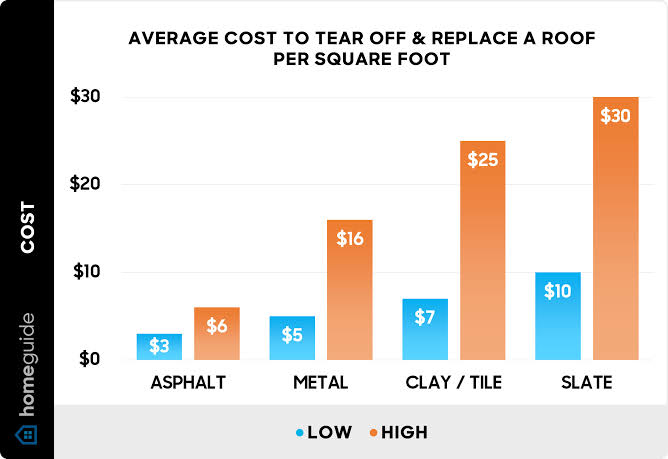
    Asphalt Shingles$3.50 – $5.5015–30 YearsAffordable, easy to install, widely availableShorter lifespan, prone to wind damage
    Metal Roofing$7.00 – $12.0040–70 YearsDurable, energy-efficient, recyclableHigher upfront cost, noisy during rain
    Clay/Concrete Tile$10.00 – $20.0050+ YearsFire-resistant, aesthetic appealVery heavy, requires structural reinforcement
    Wood Shakes$6.00 – $9.0020–40 YearsNatural look, good insulationHigh maintenance, fire risk
    Slate$15.00 – $30.00+75–100+ YearsExtremely durable, luxury appearanceExtremely expensive, fragile, heavy

    Note: Prices include both materials and professional installation.

    Why Asphalt Shingles Remain Popular

    Despite the rise of metal roofing, asphalt shingles account for nearly 80% of residential roofs in the US. They offer the best balance of cost and performance for most homeowners. If you are looking to maximize resale value without overspending, architectural asphalt shingles are often the recommended choice by real estate experts.

    How Much Does It Cost To Re Do A Roof

    Labor and Additional Expenses

    When calculating how much does it cost to re do a roof, many homeowners forget that materials are only half the battle. Labor typically accounts for 40% to 60% of the total project cost.

    The “Tear-Off” Factor

    Does your old roof need to be removed? Most building codes require a complete tear-off if there are already two layers of shingles. This process adds $1,000 to $3,000 to your bill depending on the weight of the old material and disposal fees.

    Hidden Costs to Watch For

    1. Decking Repair: Once the old shingles are off, contractors may find rotten plywood decking. Replacing a sheet of plywood costs roughly $75–$150 per sheet.
    2. Flashing and Ventilation: New flashing around chimneys and vents is crucial for preventing leaks. Expect to pay $500–$1,000 for high-quality metal flashing upgrades.
    3. Permits: Local municipalities charge permits for roofing work, usually ranging from $100 to $500.

    For more detailed information on building standards and safety regulations, you can refer to general construction guidelines on Wikipedia.

    Regional Price Variations

    Where you live matters. Labor rates in urban centers like New York City or San Francisco are significantly higher than in rural areas of the Midwest.

    • Northeast: Higher costs due to strict building codes and higher insurance premiums for contractors.
    • South: Moderate costs, but hurricane-rated materials may increase prices.
    • West Coast: High labor costs and seismic considerations can drive up prices.
    • Midwest: Generally the most affordable region for roofing replacements.

    Always get at least three local quotes to ensure you are paying a fair market rate for your specific area.

    Step-by-Step: How to Budget for Your Roof

    If you are ready to move forward, follow these steps to create an accurate budget.

    1. Measure Your Roof: While professionals do this precisely, you can estimate by measuring your home’s footprint and multiplying by 1.5 to account for pitch and overhangs.
    2. Choose Your Material: Decide between budget-friendly asphalt or long-term investment metal.
    3. Get Multiple Quotes: Contact at least three licensed and insured roofing contractors.
    4. Check References: Look for reviews on Google and BBB. Ask for photos of past projects.
    5. Review the Contract: Ensure it includes warranty details, timeline, and payment schedule. Never pay the full amount upfront.

    FAQ Section

    1. How much does it cost to re do a roof on a 2,000 sq. ft. house?

    For a 2,000 sq. ft. home, you can expect to pay between $7,000 and $12,000 for asphalt shingles. If you opt for metal roofing, the cost will likely range from $14,000 to $24,000. These estimates include removal of the old roof and installation of new underlayment and shingles.

    2. Is it cheaper to overlay shingles or tear off the old roof?

    Overlaying (installing new shingles over old ones) is cheaper initially because it saves on labor and disposal fees. However, it is not always recommended. It can void manufacturer warranties, hide underlying deck damage, and add unnecessary weight. Most professionals advise a full tear-off for longevity and peace of mind.

    3. Does homeowners insurance cover roof replacement?

    Insurance typically covers roof replacement only if the damage is caused by a covered peril, such as a storm, hail, or fire. It generally does not cover wear and tear or age-related deterioration. Check your policy’s “Actual Cash Value” vs. “Replacement Cost” clauses to understand your coverage limit.

    4. How long does a roof replacement take?

    Most residential roof replacements are completed in 1 to 3 days. Larger homes or complex roofs with multiple peaks and valleys may take up to a week. Weather delays are common, so build some flexibility into your schedule.

    5. What is the best time of year to replace a roof?

    Late spring and early fall are ideal. The weather is mild, allowing adhesives to seal properly. Summer can be too hot for workers and materials, while winter poses risks of ice and snow delays. However, reputable contractors work year-round, so scheduling depends more on their availability than the season.

    Conclusion

    Understanding how much does it cost to re do a roof empowers you to make smart financial decisions. While the initial price tag may seem steep, a new roof is a vital component of your home’s integrity and value. By choosing the right materials, hiring reputable contractors, and planning for potential hidden costs, you can navigate this project with confidence.

    Don’t let uncertainty stall your home improvement goals. Use this guide as a checklist, gather your quotes, and invest in a roof that will protect your home for decades to come.

    Found this guide helpful? Share it with your neighbors on Facebook or Pinterest who might be facing similar roofing dilemmas. Your share could help them save thousands!

  • How to Calculate Roof Pitch in Degrees

    How to Calculate Roof Pitch in Degrees

    Have you ever stood in your attic or looked up at your home’s exterior, wondering exactly how steep your roof is? Whether you are planning a renovation, installing solar panels, or simply curious about your home’s architecture, knowing the angle is crucial. Understanding how to calculate the pitch of a roof in degrees is the first step toward ensuring safety, accuracy, and cost-efficiency in any roofing project.

    Many homeowners find themselves confused by the difference between “pitch” (often expressed as a ratio like 4:12) and “degrees” (the actual angle). While contractors often speak in ratios, degrees are essential for specific calculations involving trigonometry, such as determining snow load capacity or fitting skylights. In this guide, we will break down the process into simple, manageable steps so you can measure your roof with confidence.

    Why Convert Roof Pitch to Degrees?

    Before we dive into the math, it is important to understand why you might need this specific measurement. In the United States, the construction industry predominantly uses the “rise over run” ratio. For example, a “6/12 pitch” means the roof rises 6 inches for every 12 inches of horizontal distance.

    However, degrees provide a universal standard for angle measurement. Here is why converting to degrees matters:

    • Solar Panel Installation: Solar installers require precise angles to maximize energy efficiency.
    • Safety Assessments: Steeper roofs (higher degrees) require different safety equipment and harnesses.
    • Material Compatibility: Certain roofing materials, such as clay tiles or slate, have minimum degree requirements to prevent water infiltration.
    • Architectural Design: If you are adding a dormer or an extension, matching the existing angle in degrees ensures structural harmony.

    According to building science principles, the angle of incidence affects how water sheds and how wind interacts with the structure. Getting this number right is not just about aesthetics; it is about performance.

    Tools You Will Need for Accurate Measurement

    You do not need expensive laser equipment to get a reliable reading. For most DIY purposes, basic tools found in a standard toolbox will suffice. However, precision is key.

    • A Level: A 2-foot or 4-foot carpenter’s level is ideal. Ensure it is calibrated correctly before starting.
    • A Tape Measure: A standard retractable tape measure with clear markings.
    • A Calculator: One with trigonometric functions (specifically arctangent or tan⁻¹). Your smartphone’s calculator app works perfectly for this.
    • Safety Gear: If measuring from the outside, always use a sturdy ladder, non-slip shoes, and consider having a spotter.

    Safety Note: Never attempt to walk on a roof that is wet, icy, or excessively steep (over 30 degrees) without professional fall protection gear.

    How To Calculate The Pitch Of A Roof In Degrees

    Step-by-Step: How to Calculate the Pitch of a Roof in Degrees

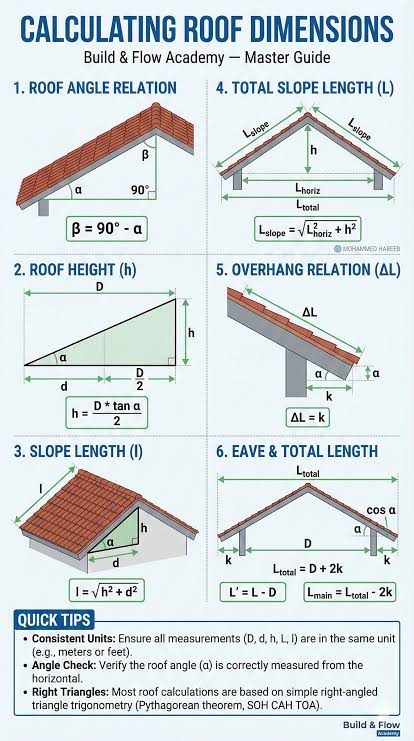
    Calculating the angle requires a bit of high school geometry, but don’t worry—we will walk through it together. The core concept relies on the tangent function in trigonometry.

    Step 1: Measure the Rise and Run

    The most accurate way to measure is from inside the attic, where you can access the underside of the roof rafters.

    1. Place one end of your level against the bottom edge of a rafter.
    2. Adjust the level until the bubble is perfectly centered, indicating it is horizontal. This horizontal distance is your Run. For simplicity, let’s assume a standard run of 12 inches.
    3. From the 12-inch mark on the level, measure vertically straight up to the bottom of the rafter. This vertical distance is your Rise.

    Example: If you measure 6 inches from the level to the rafter, your rise is 6 inches.

    Step 2: Determine the Ratio

    Now you have your ratio. In our example, the rise is 6 and the run is 12. This gives us a ratio of 6/12.

    If you measured a different run (e.g., 24 inches), ensure you normalize it to a 12-inch base for standard comparison, or simply use the actual numbers in the formula below.

    Step 3: Apply the Trigonometric Formula

    To convert this ratio into degrees, we use the inverse tangent function (arctan). The formula is:

    Angle in Degrees=arctan⁡(RiseRun)Angle in Degrees=arctan(RunRise​)

    Using our example:

    1. Divide the Rise by the Run: 6÷12=0.56÷12=0.5
    2. Calculate the arctangent of 0.5.
    3. On your calculator, press shift or 2nd followed by tan (or look for tan⁻¹).
    4. Enter 0.5.

    The result is approximately 26.57 degrees.

    Step 4: Verify with External Measurement (Optional)

    If you cannot access the attic, you can measure from the outside using the gable end of the house. Measure the total width of the house (Run x 2) and the height from the top of the wall plate to the peak (Rise). Divide the total rise by half the width to get the same ratio, then apply the formula above.

    For more detailed information on roof framing standards, you can refer to general construction guidelines on Wikipedia.

    Common Roof Pitches and Their Degree Equivalents

    To help you visualize where your roof falls on the spectrum, here is a quick reference table. This eliminates the need for constant calculation if you know your standard ratio.

    Pitch Ratio (Rise/Run)Angle in DegreesClassification
    2/129.46°Low Slope
    4/1218.43°Conventional Low
    6/1226.57°Conventional
    8/1233.69°Steep
    10/1239.81°Very Steep
    12/1245.00°Extreme

    Key Insight: A 12/12 pitch is exactly 45 degrees because the rise equals the run. Any pitch higher than 12/12 will exceed 45 degrees, which significantly increases installation difficulty and cost.

    Factors That Influence Roof Pitch Choice

    Why do some houses have flat roofs while others are steep? Several factors dictate the optimal pitch for a structure.

    Climate and Weather Patterns

    In regions with heavy snowfall, such as the Northeastern US, steeper pitches (above 30 degrees) are preferred. Gravity helps shed snow before it accumulates enough weight to cause structural damage. Conversely, in hurricane-prone areas, lower pitches may be used to reduce wind uplift forces, though this must be balanced with drainage needs.

    Architectural Style

    Your home’s design plays a massive role. Colonial and Cape Cod styles typically feature steeper pitches (8/12 to 12/12), while Ranch-style homes often utilize low slopes (2/12 to 4/12). Modern architecture may even employ flat roofs (less than 2/12), which technically still require a slight pitch for water drainage.

    Material Constraints

    Not all roofing materials work on all angles.

    • Asphalt Shingles: Can be installed on pitches as low as 2/12 with special underlayment.
    • Clay Tiles: Generally require a minimum of 4/12 to prevent water backing up under the tiles.
    • Slate: Often requires 4/12 or steeper for proper longevity.

    Frequently Asked Questions (FAQ)

    What is the difference between roof slope and roof pitch?

    While often used interchangeably in casual conversation, there is a technical difference. Slope is the ratio of vertical rise to horizontal run (e.g., 6:12). Pitch is technically the ratio of the rise to the total span (width) of the house. However, in modern US construction, “pitch” is commonly accepted to mean the slope ratio. When calculating degrees, we use the slope (rise/run).

    Can I use a smartphone app to measure roof pitch?

    Yes, there are many inclinometer apps available for iOS and Android that use your phone’s gyroscope. While convenient, they can be less accurate than manual measurements due to calibration issues or uneven surfaces. Use them for a quick estimate, but rely on manual math for critical projects like structural modifications.

    What is the minimum roof pitch for shingles?

    Most asphalt shingle manufacturers require a minimum slope of 2:12 (approximately 9.5 degrees). Below this threshold, the roof is considered “flat,” and specialized membrane roofing systems (like EPDM or TPO) are required to ensure waterproofing. Always check the specific warranty requirements of your chosen material.

    How does roof pitch affect cooling costs?

    A steeper roof pitch can contribute to better attic ventilation. Hot air rises, and a higher peak allows for larger ridge vents, facilitating natural airflow. This can reduce the heat load on your HVAC system during summer months, potentially lowering energy bills. However, the impact is secondary to proper insulation and radiant barriers.

    Is a 45-degree roof too steep?

    A 45-degree roof (12/12 pitch) is quite steep but not uncommon in traditional American architecture. It is challenging to walk on and requires strict safety protocols for maintenance. While it offers excellent water and snow shedding, it also increases the surface area of the roof, leading to higher material costs compared to a lower-pitched roof of the same footprint.

    Conclusion

    Learning how to calculate the pitch of a roof in degrees empowers you to make informed decisions about your home. Whether you are hiring a contractor, buying materials, or assessing safety risks, knowing the exact angle removes guesswork from the equation. By using a simple level, tape measure, and the arctangent formula, you can achieve professional-grade accuracy without professional-grade costs.

    Remember, accuracy is vital. A small error in measurement can lead to significant issues in material ordering or structural fit. Take your time, double-check your numbers, and prioritize safety above all else.

    Did you find this guide helpful? Share it with your fellow DIY enthusiasts on social media to help them tackle their next roofing project with confidence!

  • How to File a Claim for Roof Damage

    How to File a Claim for Roof Damage

    Dealing with a leaking or damaged roof is stressful enough without the added headache of navigating complex insurance paperwork. You want your home protected, but understanding the fine print can feel overwhelming. This guide simplifies the process, showing you exactly how to file a claim with insurance for roof damage efficiently and effectively.

    Immediate Steps: Safety and Documentation First

    Before you pick up the phone to call your insurer, your priority must be safety and evidence preservation. Insurance companies rely heavily on proof, and the quality of your initial documentation can significantly impact the speed and success of your claim.

    1. Ensure Safety and Mitigate Further Damage

    If the damage is severe, ensure no one is in immediate danger. Do not climb onto a wet or steeply pitched roof yourself; this is a job for professionals. However, you have a “duty to mitigate” further damage under most policies. This means you should take reasonable steps to prevent additional loss, such as placing tarps over leaks or moving furniture away from water intrusion. Keep receipts for any materials you buy for these temporary fixes, as they are often reimbursable.

    2. Document Everything Thoroughly

    Take clear, high-resolution photos and videos of the damage from multiple angles.

    • Exterior Shots: Capture missing shingles, dents, holes, or debris impact points. Use a zoom lens if safe to do so, or use a drone if you own one.
    • Interior Shots: Photograph water stains on ceilings, damaged insulation, or ruined personal property.
    • Date Stamps: Ensure your camera or phone settings include date and time stamps.

    According to industry data, claims with comprehensive visual evidence are processed 30% faster than those with sparse documentation. Create a digital folder specifically for this claim to keep everything organized.

    Understanding Your Policy Coverage

    Not all roof damage is covered. Before filing, you need to understand what your policy actually protects. Most standard homeowners insurance policies cover “sudden and accidental” damage caused by specific perils, but they exclude wear and tear.

    Covered vs. Non-Covered Causes

    Cause of DamageTypically Covered?Notes
    Wind/Hail StormsYesCommon in many US states; may have separate deductibles.
    Falling Trees/ObjectsYesIf a tree falls due to a storm, it’s usually covered.
    Fire/LightningYesStandard coverage in almost all policies.
    Age/Wear and TearNoGradual deterioration is considered maintenance.
    NeglectNoFailure to maintain the roof voids coverage.
    FloodingNoRequires separate flood insurance (FEMA).

    To better understand the historical context of property insurance standards, you can refer to general principles outlined on Wikipedia’s page on Property Insurance. However, always prioritize your specific policy document over general information.

    Check Your Deductible

    Your deductible is the amount you pay out-of-pocket before insurance kicks in. If your repair cost is $1,500 and your deductible is $2,000, filing a claim makes no financial sense. In fact, filing small claims can lead to higher premiums or even non-renewal of your policy. Always get a preliminary repair estimate before calling your insurer.

    How To File A Claim With Insurance For Roof Damage

    Step-by-Step: How to File the Claim

    Once you have determined that the damage exceeds your deductible and is likely covered, follow these precise steps to initiate the process.

    Step 1: Contact Your Insurance Provider

    Call your insurance company’s claims department immediately. Have your policy number ready. Be clear and factual about what happened.

    • Do say: “A hailstorm on November 1st caused significant shingle damage and interior leaking.”
    • Don’t say: “My roof is old and finally gave out.” (This implies wear and tear).

    Ask for a claim number and the name of the assigned adjuster. Request an email confirmation of your claim submission for your records.

    Step 2: The Adjuster’s Inspection

    The insurance company will send an adjuster to inspect the damage. This person works for the insurance company, not for you. Their goal is to assess the cost of repairs accurately according to their guidelines.

    • Be Present: Try to be home during the inspection. Walk through the damage with them.
    • Point Out Hidden Damage: Show them interior water damage, damaged gutters, or siding issues that might be related to the same event.
    • Provide Evidence: Share the photos and videos you took earlier.

    Step 3: Get Independent Contractor Estimates

    Do not rely solely on the insurance adjuster’s estimate. Hire a licensed, reputable roofing contractor to provide a detailed written estimate. Many contractors offer free inspections for insurance purposes.

    • Compare the contractor’s line items with the adjuster’s report.
    • Look for discrepancies in square footage, material costs, or labor rates.

    Step 4: Review the Settlement Offer

    The insurer will send a settlement letter detailing what they will pay. This is often split into two payments:

    1. Actual Cash Value (ACV): The depreciated value of your roof.
    2. Recoverable Depreciation: Paid after repairs are completed and invoices are submitted (if you have Replacement Cost Value coverage).

    If the offer seems low, do not accept it immediately. You have the right to negotiate.

    Negotiating a Fair Settlement

    It is common for the initial offer to be lower than the actual repair cost. Here is how to handle disputes professionally.

    Submit a Supplemental Claim

    If your contractor finds damage the adjuster missed, ask them to write a “supplemental report.” Submit this to your adjuster with photos. Most insurers have a process for reviewing supplements.

    Hire a Public Adjuster

    If the dispute is significant (e.g., thousands of dollars difference), consider hiring a public adjuster. They work for you, not the insurance company. They typically charge a percentage of the final settlement (usually 10–20%). For smaller claims, this fee might outweigh the benefit, so calculate carefully.

    Know Your Rights

    Each state has different regulations regarding insurance claims. Some states require insurers to respond within specific timeframes. If you feel you are being treated unfairly, you can contact your state’s Department of Insurance for assistance.

    FAQ Section

    1. Will filing a roof claim raise my insurance premiums?

    Yes, it is highly likely. Filing a claim signals to the insurer that you are a higher risk. Depending on your state and carrier, premiums could increase by 10–20% for several years. In some cases, multiple claims within a short period can lead to policy cancellation.

    2. How long do I have to file a claim for roof damage?

    Most policies require you to report damage “promptly” or within a reasonable time. While there isn’t always a strict statutory deadline like 24 hours, waiting months can give the insurer grounds to deny the claim, arguing that the delay prevented proper investigation or caused further damage. Aim to report within a few days of discovery.

    3. What if the adjuster says the damage is due to age?

    This is a common denial reason. If you believe the damage was caused by a specific event (like a storm) rather than age, provide evidence. Weather reports from the date of the storm, neighbor’s claims, and a professional opinion from your roofing contractor stating the damage pattern is consistent with wind/hail can help overturn this decision.

    4. Can I choose my own roofing contractor?

    Yes, you have the right to choose any licensed contractor you prefer. Insurance companies may recommend vendors from their network, but you are not obligated to use them. However, using a preferred vendor might streamline the payment process.

    5. What is the difference between ACV and RCV?

    Actual Cash Value (ACV) pays for the replacement cost minus depreciation (age and wear). Replacement Cost Value (RCV) pays the full cost to replace the roof with new materials of similar kind and quality, without deducting for depreciation. RCV policies are more expensive but offer better protection.

    Conclusion

    Learning how to file a claim with insurance for roof damage is about preparation, documentation, and persistence. By acting quickly, documenting thoroughly, and understanding your policy’s nuances, you can navigate the system with confidence. Remember, the goal is to restore your home to its pre-loss condition, not just to patch a leak.

    If you found this guide helpful, please share it on social media to help friends and neighbors protect their biggest investment. Stay safe, and keep your home secure!

  • How Do I Know When I Need A New Roof?

    How Do I Know When I Need A New Roof?

    Replacing a roof is one of the most significant investments a homeowner can make. It is not just about aesthetics; it is about protecting your family, your belongings, and the structural integrity of your house from the elements. Many homeowners delay this crucial maintenance until it is too late, leading to costly interior water damage and mold issues. If you are asking yourself, “How do I know when I need a new roof,” you are already taking the right step toward proactive home care.

    In this comprehensive guide, we will break down the clear indicators that your roof has reached the end of its life. We will move beyond simple guesswork and provide you with actionable, expert-backed advice to help you make an informed decision. Whether you are dealing with an aging asphalt shingle roof or noticing subtle leaks, understanding these signs can save you thousands of dollars in emergency repairs.

    1. How Old Is Your Roof? Understanding Material Lifespans

    The first and most objective factor in determining if you need a new roof is its age. Every roofing material has an expected lifespan. While proper maintenance can extend this life, physics and weathering eventually take their toll.

    If you do not know the age of your roof, check your home inspection report from when you bought the house, or look for permits filed with your local municipality. Here is a general breakdown of average lifespans for common roofing materials:

    Roofing MaterialAverage LifespanKey Characteristics
    Asphalt Shingles (3-tab)15–20 YearsMost common, affordable, prone to wind damage.
    Architectural Asphalt25–30 YearsThicker, more durable, better aesthetic appeal.
    Wood Shakes/Shingles20–25 YearsNatural look, requires regular maintenance against rot.
    Metal Roofing40–70 YearsHighly durable, energy-efficient, higher upfront cost.
    Slate/Tile50–100+ YearsExtremely long-lasting, heavy, requires specialized installation.

    Source: Data aggregated from industry standards and manufacturer warranties.

    If your asphalt shingle roof is approaching the 20-year mark, you should begin scheduling annual inspections. Even if it looks fine from the ground, the underlying materials may be deteriorating. According to the National Association of Home Builders, regular maintenance can significantly extend the service life of building components, but replacement is inevitable after the material’s warranty period expires.

    2. Are Your Shingles Curling, Cracking, or Missing?

    Visual inspection is your first line of defense. You do not need to climb onto the roof to spot major issues; often, a pair of binoculars and a view from the ground are sufficient.

    Curling and Cupping

    Shingles that curl upward at the edges (cupping) or downward in the center (clawing) are suffering from heat stress and age. This distortion breaks the sealant strip that holds shingles together, making them vulnerable to wind uplift. Once shingles curl, they lose their ability to shed water effectively, leading to potential leaks underneath.

    Cracking and Brittle Texture

    As asphalt shingles age, the oils that keep them flexible evaporate. This causes the shingles to become brittle and crack. If you see cracks running through the shingles, they can no longer protect the roof deck from moisture. In colder climates, freeze-thaw cycles accelerate this cracking process.

    Missing Granules

    Check your gutters and downspouts. If you find an accumulation of sand-like granules, your shingles are shedding their protective coating. These granules protect the asphalt from UV rays. Without them, the sun bakes the asphalt, causing it to dry out and fail prematurely. Bald spots on your roof are a definitive sign that replacement is near.

    How Do I Know When I Need A New Roof

    3. Is There Evidence of Water Damage in Your Attic?

    Your roof’s primary job is to keep water out. If water is getting in, the system has failed. However, leaks are not always visible from the outside. The attic is the best place to diagnose hidden roof problems.

    Grab a flashlight and head into your attic during the day. Look for the following signs:

    • Daylight Beams: If you can see sunlight piercing through the roof boards, you have gaps that water and pests can enter.
    • Water Stains: Dark streaks or wet spots on the underside of the roof decking or on the insulation indicate active or past leaks.
    • Mold and Mildew: A musty smell or visible black/green growth suggests chronic moisture intrusion. This is a health hazard and indicates that ventilation or waterproofing has failed.
    • Sagging Decking: If the wood between the rafters looks bowed or sagging, it has absorbed water and lost its structural strength. This is a critical safety issue requiring immediate attention.

    4. Why Are My Energy Bills Suddenly Spiking?

    A surprising indicator of a failing roof is your utility bill. Your roof plays a crucial role in your home’s thermal envelope. As shingles degrade, they lose their reflective properties and insulating value.

    Furthermore, poor roof ventilation often accompanies aging roofs. If hot air gets trapped in your attic during summer, it radiates down into your living space, forcing your AC to work harder. In winter, heat escapes through poorly insulated or damaged areas, making your furnace run continuously.

    If your energy costs have risen without a change in usage habits, have a professional assess your roof’s insulation and ventilation. Sometimes, a new roof with modern, energy-efficient materials can lower your monthly bills significantly.

    5. Is Your Roof Sagging? A Critical Structural Warning

    A sagging roofline is perhaps the most alarming sign of all. It indicates that the structural integrity of the roof deck or the supporting trusses has been compromised.

    This sagging is usually caused by:

    1. Long-term water damage: Rotting wood loses its load-bearing capacity.
    2. Excessive weight: Multiple layers of old shingles or heavy snow accumulation.
    3. Foundation issues: Though less common, settling foundations can distort the roof frame.

    Important: If you notice a sag, do not wait. This is not a DIY fix. Contact a structural engineer or a licensed roofing contractor immediately. A collapsing roof poses a severe safety risk to your household.

    6. Have Neighbors Been Replacing Their Roofs Recently?

    Context matters. If your home was built in a subdivision where all houses were constructed around the same time, your neighbors’ roofs are likely the same age as yours. If you notice a surge in roofing trucks in your neighborhood, it is a strong hint that the local weather patterns and material batch used in your area have reached their expiration date simultaneously.

    Talking to neighbors can provide valuable insights. Ask them about their experience with the roofing contractor they used and whether they encountered unexpected damage during replacement. This “social proof” can help you gauge the urgency of your own situation.

    7. What Do Professional Inspectors Say?

    While DIY checks are helpful, they are not substitutes for professional expertise. A certified roof inspector can identify issues that are invisible to the untrained eye, such as:

    • Flashing Failure: The metal strips around chimneys, vents, and valleys are common leak points. If the flashing is rusted, loose, or improperly sealed, water will enter regardless of the shingle condition.
    • Ventilation Issues: Improper airflow can cause premature aging of shingles from the inside out.
    • Soft Spots: Inspectors walk the roof to feel for soft areas in the deck, indicating rot beneath the shingles.

    Most reputable roofing companies offer free or low-cost inspections. Getting a second opinion is wise if you are unsure about a diagnosis.


    FAQ Section

    Q: Can I just repair my roof instead of replacing it?

    A: It depends on the extent of the damage. If the damage is localized (e.g., a few missing shingles from a storm) and the roof is relatively young (under 10 years), repairs are cost-effective. However, if the roof is near the end of its lifespan or has widespread issues like curling or granule loss, repairs are merely a band-aid. Frequent repairs on an old roof often cost more in the long run than a full replacement.

    Q: How much does a new roof cost in the US?

    A: Costs vary widely based on location, material, and roof size. On average, a standard asphalt shingle roof replacement for a 2,000-square-foot home ranges from $8,000 to $15,000. Metal roofs can cost $15,000 to $30,000+, while slate and tile are significantly higher. Always get at least three detailed quotes from licensed contractors.

    Q: Does homeowners insurance cover roof replacement?

    A: Typically, insurance covers roof damage caused by sudden, accidental events like hail, windstorms, or falling trees. It generally does not cover wear and tear, age-related deterioration, or lack of maintenance. Review your policy carefully and document any storm damage with photos immediately after it occurs.

    Q: How long does a roof replacement take?

    A: For an average-sized residential home, a complete roof replacement usually takes 1 to 3 days. Larger homes, complex roof designs (many valleys, turrets, or steep pitches), or bad weather conditions can extend this timeline. Your contractor should provide a specific schedule before starting work.

    Q: What is the best time of year to replace a roof?

    A: Late spring to early fall is ideal because temperatures are moderate, allowing roofing adhesives to seal properly. However, roofing can be done in cooler weather as long as it is not freezing or raining. Avoiding the peak summer heat can also be more comfortable for the crew and prevent shingles from becoming too soft during installation.


    Conclusion

    Knowing how do I know when I need a new roof is about observing the subtle and obvious signs of wear. From checking the age of your shingles and looking for granule loss in your gutters to inspecting your attic for water stains, these steps empower you to act before minor issues become major disasters.

    Remember, a roof is your home’s first line of defense. Ignoring the signs of failure can lead to structural damage, mold growth, and decreased property value. If you notice multiple signs listed in this article, do not hesitate to contact a professional for an inspection.

    Did you find this guide helpful? Share it with your friends and family on social media to help them protect their homes too. A well-informed homeowner is a prepared homeowner!

  • Does a New Roof Add Home Value? The ROI Truth

    Does a New Roof Add Home Value? The ROI Truth

    Have you ever stood in your driveway, looking up at those curling shingles or missing tiles, and wondered if fixing them is worth the investment? It is a common dilemma for homeowners: you know the roof needs attention, but you are unsure if the expense will pay off when it comes time to sell. You are not alone in asking, “Does putting a new roof on your house add value?” The short answer is yes, but the amount of value depends heavily on materials, market conditions, and how you approach the project.

    In this guide, we will break down the financial realities, psychological impacts on buyers, and strategic steps to ensure your roof replacement maximizes your return on investment (ROI).

    How Much Value Does a New Roof Actually Add?

    When considering a major home improvement, numbers matter. According to the Remodeling 2024 Cost vs. Value Report, replacing a roof typically recoups between 60% to 70% of its cost in increased home value. While this might seem like you are “losing” money, it is crucial to understand that a new roof is primarily a maintenance item, not a luxury upgrade like a kitchen remodel.

    However, the value extends beyond direct appraisal increases. A new roof significantly enhances curb appeal, which can lead to faster sales and fewer negotiations. In competitive US housing markets, a home with a recently replaced roof often sells quicker than comparable homes with older roofs, even if the final sale price is similar. Time on market is money, and avoiding months of carrying costs is a hidden financial benefit.

    The Psychology of the Buyer

    From a buyer’s perspective, a roof is a major anxiety point. No one wants to purchase a home only to face a $15,000 repair bill six months later. By installing a new roof, you remove a significant barrier to entry for potential buyers. You are selling peace of mind, which is arguably more valuable than the shingles themselves.

    Which Roofing Material Offers the Best ROI?

    Not all roofs are created equal. The material you choose plays a pivotal role in determining both the upfront cost and the perceived value by appraisers and buyers.

    MaterialAverage LifespanEstimated ROIBest For
    Asphalt Shingles15–30 Years60–70%Most suburban homes; budget-friendly
    Metal Roofing40–70 Years50–60%Modern aesthetics; durability focused
    Slate/Tile50+ Years40–50%Luxury markets; historic homes
    Wood Shakes20–40 Years50–60%Rustic or cottage-style homes

    Asphalt shingles remain the most popular choice in the United States because they offer the best balance of cost and aesthetic familiarity. While metal roofs last longer, their higher initial cost can sometimes dampen the immediate percentage ROI, though they are increasingly attractive to eco-conscious buyers.

    For more detailed information on roofing materials and their historical usage, you can refer to Wikipedia’s page on Roofing.

    Does Putting A New Roof On Your House Add Value

    Does Insurance Cover Roof Replacement?

    A frequent question among homeowners is whether insurance will foot the bill, thereby increasing net equity without out-of-pocket expense. The answer depends entirely on the cause of the damage.

    • Covered Events: If your roof is damaged by a sudden, accidental event such as a hailstorm, hurricane, fallen tree, or fire, most standard homeowners insurance policies will cover the replacement cost (minus your deductible).
    • Wear and Tear: Insurance explicitly excludes damage resulting from age, lack of maintenance, or gradual deterioration. If your shingles are simply old and brittle, you will need to pay for the replacement yourself.

    Pro Tip: Before filing a claim, get an independent inspection. If the damage is borderline, filing a claim could raise your premiums or lead to policy non-renewal. Calculate if the payout exceeds your deductible plus potential premium hikes over the next three years.

    Step-by-Step Guide to Maximizing Value During Replacement

    If you decide to proceed, follow these steps to ensure the project adds maximum value to your property.

    1. Get Three Detailed Quotes: Never settle for the first bid. Ensure each quote includes tear-off, disposal fees, underlayment quality, and warranty details.
    2. Choose Neutral Colors: While you might love bright blue, stick to neutral tones like charcoal, brown, or slate gray. These appeal to the widest range of buyers and complement most exterior paint colors.
    3. Upgrade Ventilation: A new roof is the perfect time to improve attic ventilation. Proper airflow extends the life of the shingles and improves energy efficiency, a selling point you can highlight to buyers.
    4. Document Everything: Keep all receipts, warranties, and before-and-after photos. Provide this “Roof Portfolio” to potential buyers to prove the quality of the work.
    5. Hire Licensed Professionals: Ensure your contractor is licensed, insured, and has strong local reviews. A botched job can decrease value and cause legal headaches.

    Common Mistakes That Decrease Home Value

    Even with good intentions, some homeowners make errors that negate the value added by a new roof.

    • Over-improving for the Neighborhood: Installing a $30,000 slate roof in a neighborhood where homes average $250,000 may not yield a proportional return. Appraisers look at “comparables” (comps). If your neighbors have asphalt shingles, your slate roof won’t triple your home’s value.
    • Ignoring Local Codes: Failing to pull proper permits can cause issues during the sale. Buyers’ inspectors will check for permit history. Unpermitted work can delay closing or force price reductions.
    • Poor Installation Quality: Even the best materials fail if installed incorrectly. Look for contractors who are certified by major manufacturers (like GAF or CertainTeed), as this often comes with enhanced warranties that are transferable to new owners.

    FAQ Section

    1. Will a new roof lower my home insurance premiums?

    Yes, in many cases. Insurance companies view new roofs as lower risk, especially if they are made of impact-resistant materials. You could see a discount ranging from 5% to 20% on your annual premium. Always ask your provider for a quote update after installation.

    2. How old is too old to sell a house without replacing the roof?

    Generally, if your roof is within the first half of its expected lifespan (e.g., less than 10 years old for a 20-year shingle), you can likely sell it as-is. However, if it is nearing the end of its life (15+ years for asphalt), buyers will likely demand a credit or price reduction equivalent to the cost of replacement.

    3. Can I sell my house with a bad roof?

    Yes, but your pool of buyers will shrink. You will likely attract investors or cash buyers who plan to renovate, rather than traditional mortgage-backed buyers. Lenders often require a roof certification before approving a loan. Expect to sell at a discount below market value.

    4. Does the color of the roof affect energy bills?

    Absolutely. Lighter-colored roofs reflect more sunlight, keeping your attic and living spaces cooler in summer. This can reduce air conditioning costs by up to 15%. In hotter US climates, mentioning “energy-efficient cool roofing” can be a strong selling point.

    5. Is it better to repair or replace before selling?

    If the damage is localized (e.g., a few missing shingles from a storm), a professional repair is cost-effective. However, if the roof is near the end of its life or has widespread leaks, replacement is safer. Partial repairs on an old roof can look like a “band-aid” solution and may still scare off buyers.

    Conclusion

    So, does putting a new roof on your house add value? Undeniably, yes. While you may not recoup 100% of the cost in direct appraisal value, the benefits of a faster sale, stronger negotiation position, and enhanced curb appeal make it one of the smartest pre-listing investments you can make.

    A new roof signals to buyers that the home has been well-cared-for, removing a major obstacle from the purchasing process. By choosing the right materials, hiring reputable professionals, and documenting the work, you turn a necessary maintenance expense into a powerful marketing tool.

    Did you find this guide helpful? Share this article with friends or family who are considering home improvements, or post it on your social media to help others make informed real estate decisions!

  • 35% Off VP+ Code: Red Roof Inn Reddit Guide

    35% Off VP+ Code: Red Roof Inn Reddit Guide

    Finding a genuine discount for your next stay can feel like searching for a needle in a haystack, especially when you stumble upon vague claims online. Many travelers are currently searching for a 35 Off Vp+ Promo Code At Red Roof Inn Reddit, hoping to unlock significant savings on their accommodations. However, navigating through outdated threads and potential misinformation can be frustrating and time-consuming.

    In this guide, we will cut through the noise. We will explore the reality of VP+ discounts, analyze what Reddit users are actually saying, and provide you with actionable, legitimate ways to save money at Red Roof Inn. Whether you are a frequent business traveler or planning a family road trip, understanding how these promotions work is key to keeping more money in your pocket.

    The Reality Behind the “35% Off” Claim

    Before you spend hours scrolling through forums, it is crucial to understand the source of these specific numbers. The term “VP+” often refers to VIP or Very Important Person tiers within various loyalty programs, but Red Roof Inn’s primary loyalty program is known as RediRewards.

    What Does Reddit Say?

    When analyzing discussions on subreddits like r/travel, r/hotels, and r/coupons, a pattern emerges. Users frequently share codes that claim to offer 30% to 35% off. However, expert analysis of these threads reveals two distinct categories:

    1. Legacy or Expired Codes: Many codes shared are from past promotional periods (such as holiday sales or pandemic-era recovery offers) that are no longer valid.
    2. Corporate or Group Rates: Some “VP+” codes are actually mislabeled corporate rates that require specific employee verification IDs, which general public users cannot access.

    According to data from consumer protection forums, attempting to use invalid codes at checkout often results in error messages or, worse, reservation cancellations upon arrival. Therefore, relying solely on a random string of characters found on Reddit is risky.

    How to Legitimately Save at Red Roof Inn

    Instead of chasing elusive “35 Off Vp+ Promo Code At Red Roof Inn Reddit” strings, focus on proven methods that guarantee savings. Red Roof Inn offers several structured ways to reduce costs, which are often more reliable than third-party coupon sites.

    1. Join RediRewards

    The most consistent way to save is by joining their free loyalty program, RediRewards. Members typically enjoy:

    • Instant Discounts: Often ranging from 10% to 15% off the best available rate.
    • Free Wi-Fi: A standard perk that adds value to your stay.
    • Points Accumulation: Earn points for every dollar spent, which can be redeemed for future free nights.

    2. Look for Seasonal Promotions

    Red Roof Inn frequently runs seasonal campaigns. These are officially advertised on their homepage and via email newsletters. Common periods for deep discounts include:

    • Winter Getaways: January and February often see lower occupancy rates, leading to aggressive pricing.
    • Summer Road Trip Deals: Early bird bookings for summer travel can yield significant savings.
    • Holiday Specials: Black Friday and Cyber Monday often feature flash sales.

    3. Corporate and Government Rates

    If you are traveling for work or are a government employee, you may qualify for specialized rates. These are not “promo codes” in the traditional sense but require verification during booking or check-in.

    Rate TypeTypical DiscountVerification Required
    RediRewards Member10–15%Email/Phone Number
    Government/Military10–20%Valid ID
    AAA/AARP10–15%Membership Card
    Senior Discount10%Age Verification (60+)

    Note: Discounts vary by location and availability. Always check the specific property’s policy.

    35 Off Vp+ Promo Code At Red Roof Inn Reddit

    Step-by-Step: How to Apply Verified Discounts

    To ensure you get the best price without the hassle of invalid codes, follow this simple process. This method is more effective than hunting for a 35 Off Vp+ Promo Code At Red Roof Inn Reddit.

    1. Visit the Official Website: Go directly to the Red Roof Inn website. Avoid third-party booking engines if you want to maximize loyalty benefits.
    2. Enter Your Dates and Location: Input your check-in and check-out dates along with your destination.
    3. Select Your Rate Type: Before clicking “Search,” look for the dropdown menu labeled “Rate Code” or “Special Rates.”
    4. Choose the Appropriate Category:
      • Select “RediRewards” if you are a member.
      • Select “Government/Military” if applicable.
      • Select “AAA/AARP” if you have membership.
    5. Compare Prices: Review the total cost, including taxes and fees. Sometimes, a slightly higher base rate with fewer fees is cheaper overall.
    6. Complete Booking: Enter your details and confirm. You will receive an immediate confirmation email with your discounted rate clearly stated.

    Why External Coupon Sites Can Be Risky

    Many users turn to external coupon aggregators when they search for deals. However, these sites often host outdated or fake codes. According to Wikipedia’s article on coupon fraud, the misuse of promotional codes is a significant issue in the retail and hospitality industries.

    Using invalid codes can lead to:

    • Reservation Cancellation: Hotels may cancel bookings made with fraudulent codes.
    • Price Adjustment at Check-in: You may be forced to pay the full rack rate upon arrival.
    • Security Risks: Some shady coupon sites may contain malware or phishing links.

    Sticking to official channels ensures your transaction is secure and your reservation is guaranteed.

    FAQ Section

    1. Is there a working 35% off promo code for Red Roof Inn?

    Currently, there is no universally active public promo code that guarantees a flat 35% discount for all users. Discounts of this magnitude are typically reserved for specific corporate contracts, group bookings, or limited-time flash sales announced via email newsletters.

    2. What is VP+ in the context of Red Roof Inn?

    “VP+” is not an official tier in the Red Roof Inn loyalty program. It is likely a misinterpretation of “VIP” or a reference to a third-party travel club. The official program is called RediRewards. Be cautious of any site asking for payment to join a “VP+” club for hotel discounts.

    3. Can I combine RediRewards discounts with other promo codes?

    Generally, no. Red Roof Inn’s policy typically allows only one discount per stay. You must choose between your RediRewards member rate, AAA discount, or a specific promotional code. The system will usually apply the best available discount automatically if you are logged in.

    4. Are Reddit promo codes safe to use?

    While many Reddit users share genuine findings, there is no verification process. A code that worked for one person last month may have expired today. Always verify the code on the official website before finalizing your payment. If a deal seems too good to be true (like 50% off without restrictions), it likely is.

    5. How do I get the best price if I don’t have a membership?

    If you are not a RediRewards member, consider signing up—it is free and instant. Alternatively, check if you qualify for AAA, AARP, military, or government rates. These verified discounts are often more substantial than random online coupons.

    6. Does Red Roof Inn offer price matching?

    Red Roof Inn has a Best Price Guarantee. If you find a lower qualifying rate for the same room, same dates, and same conditions on another website, they may match it and offer an additional discount. Check their official website for the current terms and conditions of this guarantee.

    Conclusion

    While the search for a 35 Off Vp+ Promo Code At Red Roof Inn Reddit is common, the most reliable savings come from official channels. By joining RediRewards, leveraging verified affiliations like AAA or military status, and booking during seasonal promotions, you can secure significant discounts without the risk of invalid codes.

    Don’t let expired coupons ruin your travel plans. Stick to trusted methods, verify your rates, and enjoy your stay with peace of mind. If you found this guide helpful, please share it with your fellow travelers on social media to help them save smartly!

  • How Much Does It Cost To Get Your Roof Done?

    How Much Does It Cost To Get Your Roof Done?

    Replacing a roof is one of the most significant investments a homeowner can make. It is not just about aesthetics; it is about protecting your family, your belongings, and the structural integrity of your home from the elements. If you are currently staring at curling shingles or dealing with a persistent leak, you are likely asking yourself: how much does it cost to get your roof done?

    The answer is rarely a single number. Costs vary wildly based on location, materials, and the complexity of your home’s architecture. However, understanding the breakdown of these costs empowers you to negotiate better with contractors and avoid unexpected financial shocks. In this guide, we will dissect the current market rates for 2026, explore the factors that drive prices up or down, and provide you with a clear roadmap for budgeting your roofing project.

    What Is the Average Cost to Replace a Roof in 2026?

    Before diving into specific materials, it is helpful to understand the national averages. As of 2026, the cost to replace a roof on a typical 2,000-square-foot home in the United States generally ranges between $8,500 and $14,500.

    However, “average” can be misleading. A simple gable roof with asphalt shingles in the Midwest will cost significantly less than a multi-story Victorian home with slate tiles in California. Most homeowners spend approximately $4.50 to $7.50 per square foot for a complete tear-off and replacement using standard materials.

    It is crucial to note that labor typically accounts for 60% to 70% of the total cost, while materials make up the remaining 30% to 40%. This ratio highlights why choosing a reputable contractor is just as important as choosing the right shingle. Poor installation can void warranties and lead to premature failure, regardless of how expensive the materials were.

    How Do Different Roofing Materials Affect the Price?

    The material you choose is the single biggest variable in your final bill. Here is a breakdown of the most common roofing materials and their estimated costs per square foot (including installation) in 2026.

    Material TypeEstimated Cost Per Sq. Ft.LifespanBest For
    Asphalt Shingles$4.50 – $8.5015–30 YearsBudget-conscious homeowners, moderate climates
    Metal Roofing$9.00 – $16.0040–70 YearsSnowy regions, modern aesthetics, longevity
    Clay/Concrete Tiles$10.00 – $20.0050+ YearsHot climates, Spanish/Mediterranean styles
    Wood Shakes$8.00 – $14.0020–40 YearsRustic looks, dry climates (fire risk consideration)
    Slate$15.00 – $30.00+75–100+ YearsHistoric homes, luxury estates, maximum durability

    Asphalt Shingles: The Standard Choice

    Asphalt remains the most popular choice in the US due to its affordability and ease of installation. Within this category, you have 3-tab shingles (cheaper, shorter lifespan) and architectural shingles (more durable, better aesthetic). Architectural shingles are increasingly becoming the standard for new installations because they offer better wind resistance and curb appeal for a modest price increase.

    Metal Roofing: The Long-Term Investment

    While the upfront cost of metal roofing is nearly double that of asphalt, it pays off over time. Metal roofs are highly energy-efficient, reflecting solar heat rather than absorbing it. This can lower your cooling bills by up to 25%. Additionally, many insurance companies offer discounts for metal roofs due to their fire and wind resistance.

    Slate and Tile: The Premium Option

    If you are looking for a “forever roof,” slate is the gold standard. It is incredibly heavy, requiring additional structural support for your home, which adds to the labor cost. However, it is virtually indestructible and adds significant resale value to high-end properties.

    What Hidden Costs Should You Budget For?

    When asking how much does it cost to get your roof done, many homeowners only calculate the price of shingles and labor. However, several hidden costs can inflate your budget if not anticipated.

    1. Tear-Off and Disposal Fees

    Most local building codes require that old roofing materials be removed before installing new ones. This process, known as a “tear-off,” involves labor and dumpster rental fees. Expect to pay an additional $1,000 to $2,500 depending on the size of your roof and local landfill fees. If your contractor quotes a price for “overlaying” (installing new shingles over old ones), be cautious. This can trap moisture and void manufacturer warranties.

    2. Structural Repairs

    Once the old roof is removed, contractors may discover rotted decking (the wooden planks beneath the shingles). Replacing rotten plywood typically costs $75 to $150 per sheet. It is wise to set aside a contingency fund of 10–15% of your total budget for these unforeseen repairs.

    3. Ventilation and Flashing

    Proper ventilation is critical for extending the life of your roof. Upgrading ridge vents, soffit vents, or installing new flashing around chimneys and skylights can add $500 to $1,500 to the project. Never skip this step; poor ventilation leads to ice dams in winter and excessive heat buildup in summer.

    4. Permit Costs

    Most municipalities require a permit for roof replacement. These fees vary by location but generally range from $150 to $500. Ensure your contractor includes this in their quote or clarifies who is responsible for obtaining it.

    How Much Does It Cost To Get Your Roof Done

    How Does Location Impact Roofing Costs?

    Geography plays a massive role in pricing. Labor rates in urban areas like New York City or San Francisco are significantly higher than in rural areas. Furthermore, regional weather patterns dictate material requirements.

    For instance, in hurricane-prone states like Florida or Texas, building codes may require impact-resistant shingles or specific nail patterns, which increases labor time and material costs. Conversely, in colder northern states, contractors may charge more for winter work due to the hazards of working on icy surfaces.

    According to data from various housing markets, the Northeast and West Coast tend to have the highest roofing costs, while the South and Midwest often offer more competitive pricing due to lower labor costs and high competition among roofing companies.

    Should You Repair or Replace Your Roof?

    Not every roof needs a full replacement. Understanding when to repair versus when to replace can save you thousands of dollars.

    Choose Repair If:

    • The damage is localized (e.g., a few missing shingles after a storm).
    • The roof is less than 10 years old.
    • There is no widespread water damage in the attic.

    Choose Replacement If:

    • The roof is approaching or has exceeded its expected lifespan (e.g., 20 years for asphalt).
    • You notice sagging areas, which indicate structural issues.
    • Shingles are curling, cracking, or losing granules across large sections.
    • You have had multiple leaks in different areas.

    A good rule of thumb is the 50% Rule: If the cost of repairs exceeds 50% of the cost of a new roof, replacement is usually the more economical long-term choice.

    How to Choose the Right Roofing Contractor

    Selecting the right professional is as important as selecting the right material. Here are steps to ensure you hire a qualified expert:

    1. Verify Licensing and Insurance: Never hire a contractor without general liability insurance and workers’ compensation. This protects you from being liable if a worker is injured on your property.
    2. Check Local References: Ask for addresses of recent jobs in your neighborhood. Drive by and look at the quality of the work.
    3. Get Multiple Quotes: Aim for at least three detailed written estimates. Be wary of quotes that are significantly lower than the others; this often indicates corner-cutting on materials or insurance.
    4. Review the Warranty: Understand the difference between the manufacturer’s warranty (covers material defects) and the workmanship warranty (covers installation errors). A reputable contractor should offer a workmanship warranty of at least 5–10 years.

    For more detailed information on building standards and safety regulations, you can refer to resources provided by Wikipedia regarding general roofing practices and historical context.

    Frequently Asked Questions (FAQ)

    1. Does homeowners insurance cover roof replacement?

    Insurance typically covers roof replacement if the damage is caused by a sudden, accidental event like a hailstorm, wind, or falling tree. It generally does not cover wear and tear, age-related deterioration, or lack of maintenance. Always review your policy and document damage thoroughly with photos before filing a claim.

    2. How long does a roof replacement take?

    For an average-sized home (2,000 sq. ft.), a full roof replacement usually takes 1 to 3 days. Larger or more complex roofs with multiple peaks, chimneys, or steep pitches may take up to a week. Weather delays can also extend this timeline.

    3. Can I install a new roof myself to save money?

    While DIY roofing is possible, it is strongly discouraged for most homeowners. Roofing is dangerous, physically demanding, and requires specialized tools. Improper installation can void warranties and lead to costly leaks. Most manufacturers will not honor their warranty if the roof is not installed by a certified professional.

    4. What is the best time of year to replace a roof?

    Late spring through early fall is the ideal window for roofing projects. Temperatures are moderate, allowing adhesives to seal properly. However, scheduling during the “off-season” (late fall or early winter, depending on your climate) might yield better pricing due to lower demand.

    5. Will a new roof increase my home’s value?

    Yes. A new roof is one of the top home improvements for return on investment (ROI). It boosts curb appeal and reassures potential buyers that they won’t face immediate major expenses. On average, a new roof can recoup 60% to 70% of its cost in increased home value.

    Conclusion

    So, how much does it cost to get your roof done? While the national average hovers between $8,500 and $14,500, your specific cost will depend on your material choice, home size, and location. By understanding the breakdown of labor, materials, and hidden fees, you can approach your roofing project with confidence.

    Remember, a roof is not just an expense; it is a protective shield for your most valuable asset. Invest in quality materials and reputable labor to ensure peace of mind for decades to come.

    Found this guide helpful? Share it with your friends on social media who might be facing similar home improvement decisions. Don’t forget to bookmark this page for future reference as you plan your budget!