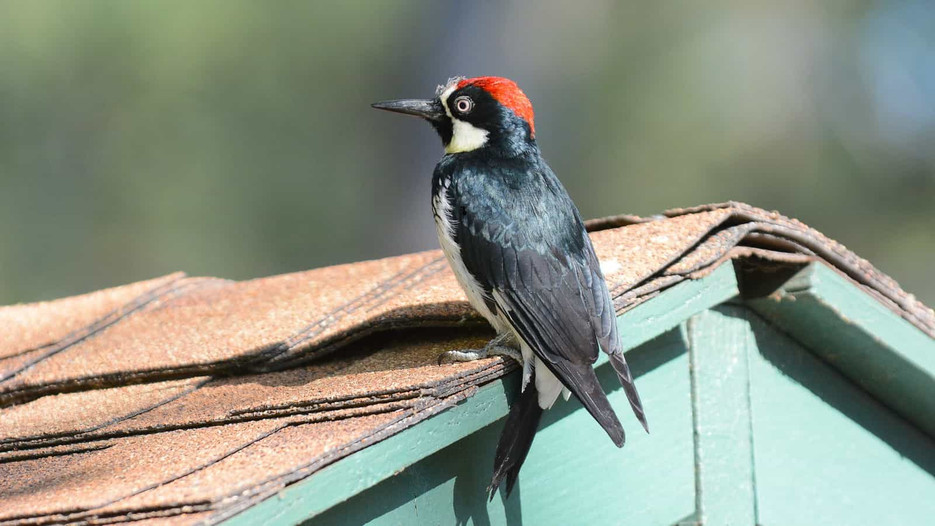
Have you ever woken up to the relentless tap-tap-tap echoing through your attic, only to realize a feathered intruder is treating your home like its personal drum set? It is frustrating, loud, and potentially damaging to your property. If you are wondering how to get rid of a woodpecker on my roof, you are not alone; thousands of homeowners face this noisy nuisance every spring and fall.
Woodpeckers are protected by federal law in the United States under the Migratory Bird Treaty Act, which means lethal force or trapping without a permit is illegal. Therefore, the solution lies in effective, humane deterrents that encourage the bird to move elsewhere. In this guide, we will explore science-backed strategies to protect your roof, silence the noise, and restore peace to your home without harming these fascinating birds.
Why Is a Woodpecker Pecking at My Roof?
Before implementing solutions, it is crucial to understand the why. Woodpeckers do not peck at roofs out of malice; they are driven by specific biological instincts. Identifying the motive helps you choose the right deterrent.
1. Foraging for Food
Your roof or siding may harbor insects. Carpenter bees, termites, or larvae living under the eaves or in the wood trim are a delicacy for woodpeckers. If you see small, irregular holes, the bird is likely hunting.
2. Drumming for Communication
“Drumming” is a non-vocal form of communication used to establish territory and attract mates. Unlike foraging, drumming creates rapid, rhythmic bursts of sound. They prefer resonant surfaces, and unfortunately, hollow vinyl siding, metal gutters, or loose roof shingles create the perfect echo chamber.
3. Roosting or Nesting
If you notice a large, round hole, the bird may be attempting to excavate a nest cavity. This usually happens in softer woods or decaying sections of your roof structure.
Expert Insight: According to ornithological studies, woodpeckers can strike a tree up to 20 times per second. This force, equivalent to hitting a wall at 15 mph, can quickly compromise roofing materials if left unchecked.
Immediate Visual Deterrents That Work
Visual scares are the first line of defense. Woodpeckers are wary of predators and sudden movements. However, they are also intelligent and can habituate to static objects quickly. Rotation is key.
Reflective Objects
Shiny, moving objects disorient birds and mimic the eyes of predators.
- Aluminum Foil Strips: Hang strips of aluminum foil from the eaves. The wind causes them to flutter and reflect sunlight, creating an unpredictable visual environment.
- Old CDs or DVDs: String these together near the problem area. The rainbow reflection is highly effective during sunny days.
- Reflective Tape: Specialized bird scare tape is available commercially. It combines visual flash with a crinkling sound when the wind blows.
Predator Decoys
Plastic owls, hawks, or snakes can work, but only if moved regularly. A static plastic owl becomes part of the scenery within 48 hours.
- Tip: Move the decoy to a different spot on the roof or porch every two days.
- Enhancement: Add realistic movement by attaching the decoy to a spring-loaded mount so it bobs in the wind.
Physical Barriers: The Most Effective Long-Term Solution
If visual deterrents fail, physical exclusion is the gold standard. This method prevents the woodpecker from accessing the specific surface it targets.
Bird Netting
Netting is highly effective for covering large areas like eaves or entire roof sections.
- Measure the Area: Determine the square footage of the affected zone.
- Choose the Right Mesh: Use netting with a mesh size of no more than 3/4 inch to prevent the bird from getting stuck or reaching through.
- Installation: Attach the netting to the roofline using hooks or clips. Ensure there is a gap of at least 3 inches between the netting and the roof surface. This gap prevents the bird from landing on the roof through the net.
Metal Flashing
For localized damage, such as a specific beam or corner where the bird drums, cover the area with sheet metal or hardware cloth. Woodpeckers cannot peck through metal, and the change in texture and sound often discourages them.
Auditory and Taste Repellents
Sometimes, you need to attack the problem from multiple sensory angles.
Sound Deterrents
- Distress Calls: Playing recorded woodpecker distress calls can signal danger. However, use this sparingly to avoid disturbing neighbors.
- Wind Chimes: Heavy metal wind chimes create unpredictable noises that can disrupt the rhythmic drumming pattern woodpeckers seek.
Taste Repellents
If the bird is foraging for insects, making the surface taste bad can help.
- Hot Pepper Spray: Mix water with cayenne pepper or capsaicin-based sprays. Apply this to the affected wood trim (test on a small area first to ensure it doesn’t stain).
- Note: Taste repellents wash away with rain and need frequent reapplication. They are less effective for drumming, as the bird is not eating the surface.
Addressing the Root Cause: Insect Control
If your woodpecker problem is driven by hunger, no amount of shiny tape will solve it permanently. You must eliminate the food source.
| Sign of Infestation | Likely Pest | Action Required |
|---|---|---|
| Small, round holes in wood | Carpenter Bees | Apply insecticidal dust into holes |
| Mud tubes on foundation/siding | Termites | Professional extermination required |
| Sawdust piles near eaves | Carpenter Ants | Use bait stations and seal entry points |
For severe infestations, consult a licensed pest control professional. Eliminating the insects removes the primary motivation for the woodpecker to return. For more information on common wood-boring insects, you can refer to this Wikipedia article on Woodpeckers which details their ecological role and feeding habits.
Legal Considerations and Ethical Removal
It is vital to remember that woodpeckers are protected species.
- Do Not: Trap, poison, or shoot woodpeckers.
- Do Not: Destroy active nests with eggs or chicks. This is a federal offense.
- Do: Focus on exclusion and harassment techniques before nesting season begins (early spring).
If a woodpecker has already established a nest, you must wait until the fledglings have left the nest (usually late summer) before sealing any holes. Sealing a hole with babies inside is illegal and inhumane.
FAQ: Common Questions About Woodpecker Removal
1. Will mothballs keep woodpeckers away?
While some homeowners swear by mothballs, their effectiveness is anecdotal and limited. The smell may deter birds temporarily, but mothballs contain naphthalene or paradichlorobenzene, which are toxic chemicals. They are not recommended for outdoor use due to environmental contamination and potential harm to pets and children.
2. How long does it take for deterrents to work?
There is no fixed timeline. Some woodpeckers may leave within 24 hours of seeing reflective tape, while others may take two weeks of consistent harassment. Consistency is crucial. If you stop the deterrents too early, the bird will return.
3. Can I use ultrasonic repellers?
Ultrasonic devices emit high-frequency sounds intended to annoy pests. However, scientific evidence suggests they are largely ineffective against birds. Birds do not rely heavily on the frequency ranges targeted by these devices, and most experts consider them a waste of money for woodpecker control.
4. What if the woodpecker is damaging my solar panels?
Woodpeckers may peck at the edges of solar panels if insects are nesting underneath. Install mesh screening around the perimeter of the solar array to block access. This protects both the panels and the wiring from pecking damage.
5. Is it safe to climb on my roof to install netting?
Roof work can be dangerous. If your roof is steep, high, or slippery, hire a professional wildlife removal service or a roofer. Safety should always be your priority over DIY savings.
Conclusion
Dealing with a woodpecker on your roof is a test of patience, but it is entirely manageable. By understanding how to get rid of a woodpecker on my roof through a combination of visual deterrents, physical barriers, and insect control, you can protect your home without harming wildlife.
Remember, the key is consistency. Rotate your visual scares, maintain your physical barriers, and address any underlying insect problems. With these steps, you can enjoy a quiet home and an intact roof.
Found this guide helpful? Share it with your neighbors on Facebook or Twitter who might be dealing with similar noisy visitors. Let’s help each other keep our homes peaceful and woodpecker-free!
Leave a Reply