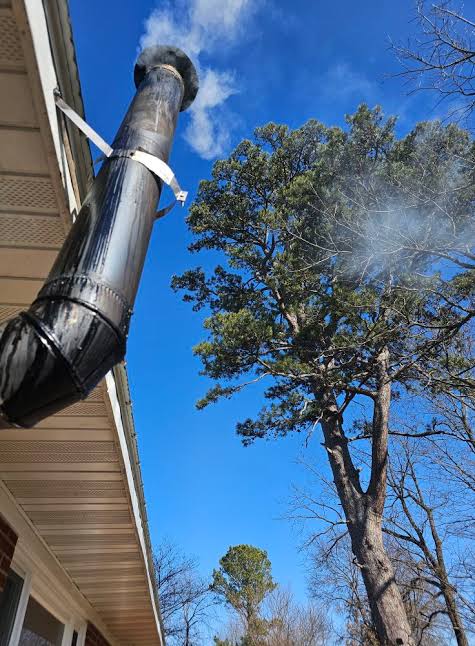
Installing a wood stove is one of the most rewarding upgrades you can make to your home, offering both cozy warmth and potential energy savings. However, the difference between a safe, efficient fire and a hazardous situation often comes down to one critical detail: proper venting. Many homeowners find themselves asking, does wood stove pipe have to be above roof line? The short answer is yes, but the specific height requirements are governed by strict safety codes designed to prevent fires and ensure your stove draws correctly. In this guide, we will break down exactly how high your pipe needs to go, why it matters, and how to get it right the first time.
Why Height Matters: The Science of Draft and Safety
Before diving into the specific measurements, it is essential to understand why the height of your chimney or stove pipe is so critical. It isn’t just about following rules; it is about physics and safety.
The Chimney Effect
Wood stoves rely on natural convection, often called the “chimney effect,” to pull smoke out of your home. Hot air rises because it is less dense than cold air. If your stove pipe terminates too low, it may not create enough vertical distance to generate the necessary suction (draft) to pull combustion gases out efficiently. A weak draft leads to smoky rooms, poor burning efficiency, and increased creosote buildup.
Fire Safety and Spark Arrestors
Beyond airflow, height is a primary defense against house fires. When wood burns, it emits sparks and embers. If your stove pipe ends below the roofline or too close to combustible materials like shingles, eaves, or nearby trees, those sparks can ignite a fire. Proper height ensures that hot embers cool down before they land on any surface.
The Golden Rule: The 3-2-10 Formula
When determining if your wood stove pipe has to be above roof line, you cannot simply guess. You must follow the universal standard known as the 3-2-10 Rule. This rule is widely accepted by building inspectors, insurance companies, and the National Fire Protection Association (NFPA).
Here is how it works:
- 3 Feet Above the Roof Penetration: The chimney must extend at least 3 feet above the point where it passes through the roof surface.
- 2 Feet Higher Than Any Obstruction: The top of the chimney must be at least 2 feet higher than any part of the building structure (such as a ridge beam, parapet wall, or adjacent roof section) within a horizontal distance of 10 feet.
- 10 Feet Horizontal Radius: The “2 feet higher” rule applies to any obstruction within a 10-foot horizontal radius of the chimney.
Visualizing the Rule
Imagine drawing a circle with a 10-foot radius around your chimney. Look at everything inside that circle. Is there a roof peak, a dormer, or a tree branch? Your chimney tip must be at least 2 feet higher than the highest point of any of those objects. If there are no obstructions within 10 feet, you still must maintain the minimum 3-foot height above the roof penetration point.
Does This Apply to All Stove Pipes?
It is important to distinguish between different types of piping, as this often causes confusion among DIY installers.
Class A Chimneys vs. Single-Wall Pipe
The strict 3-2-10 rule generally applies to Class A insulated chimneys that pass through the roof. These are permanent installations designed for long-term use.
If you are using a single-wall stove pipe that exits through a wall (not the roof), the rules are slightly different but equally strict. Wall-exit pipes must typically extend vertically outside the house before turning upward, and they must still clear the roofline by a significant margin to prevent downdrafts and spark hazards. However, roof penetrations are generally preferred for better draft and safety.
Expert Note: Always check your local building codes. While the NFPA provides national standards, some municipalities in the US have stricter requirements due to local weather conditions or historical preservation laws.
Common Mistakes Homeowners Make
Even with the best intentions, many installations fail inspection or perform poorly due to common errors. Here are the most frequent pitfalls:
- Ignoring the Ridge Line: Many homeowners measure from the spot where the pipe hits the roof but forget that the ridge line (the peak of the roof) is an “obstruction.” If your chimney is within 10 feet of the ridge, it must be 2 feet higher than the ridge, not just 3 feet above the penetration point.
- Using Elbows Excessively: Every elbow in your pipe reduces draft. While not strictly a “height” issue, a complex pipe route often requires more height to compensate for the loss of suction. Keep the path as straight and vertical as possible.
- Neglecting Wind Patterns: If you live in a particularly windy area, your chimney may need to be taller than the minimum code requirements to avoid wind-induced downdrafts, which can blow smoke back into the house.
Step-by-Step: How to Measure Your Required Height
To ensure your installation is compliant, follow these concrete steps. You will need a tape measure, a level, and possibly a ladder.
- Identify the Penetration Point: Locate exactly where your chimney pipe will exit the roof. Mark this spot.
- Measure the 10-Foot Radius: From your marked spot, measure 10 feet horizontally in all directions. Identify any structures (roof peaks, walls, vents) within this zone.
- Find the Highest Obstruction: Determine the highest point among the structures identified in step 2. Let’s call this Height A.
- Calculate Minimum Height:
- If there are no obstructions within 10 feet, your minimum height is 3 feet above the roof surface at the penetration point.
- If there are obstructions, your chimney top must be Height A + 2 feet.
- Compare and Choose: Whichever calculation results in a greater height is your required minimum. Always round up to be safe.
Comparison: Roof Exit vs. Wall Exit
| Feature | Roof Exit (Class A Chimney) | Wall Exit (Single/Double Wall Pipe) |
|---|---|---|
| Draft Efficiency | Excellent (Vertical rise creates strong draft) | Good (Requires vertical exterior section) |
| Installation Complexity | Moderate (Requires flashing and roof work) | Easier (No roof penetration needed) |
| Code Strictness | Strict 3-2-10 Rule applies | Must clear eaves and roofline significantly |
| Maintenance | Easier to clean from top | Harder to access for cleaning |
| Aesthetics | Traditional look | Visible pipe on exterior wall |
For more detailed technical specifications on chimney construction, you can refer to the general standards outlined on Wikipedia’s Chimney page, which provides a broad overview of historical and modern construction techniques.
FAQ Section
1. Can I terminate my wood stove pipe flush with the roof?
No. Terminating a stove pipe flush with the roof is dangerous and illegal under almost all building codes. It creates a severe fire hazard due to spark emission and will likely cause smoke to back up into your home due to poor draft and wind turbulence.
2. What happens if my chimney is too short?
If your chimney is too short, you will experience poor draft. This means the fire will struggle to stay lit, produce excessive smoke, and burn inefficiently. More dangerously, it increases the risk of creosote buildup, a highly flammable substance that can lead to chimney fires.
3. Do I need a rain cap on my wood stove pipe?
Yes, it is highly recommended. A rain cap prevents water, snow, and debris from entering the flue. Water inside the chimney can mix with creosote to form acidic compounds that corrode the liner. Ensure the cap is spark-arresting as well.
4. Does the type of wood I burn affect the required height?
Indirectly, yes. Burning wet or unseasoned wood produces more smoke and creosote. While this doesn’t change the legal height requirement, a taller chimney with better draft can help mitigate some of the negative effects of burning less-than-ideal fuel by ensuring gases are expelled more quickly.
5. Can I use a existing fireplace chimney for my wood stove?
Often, yes, but it must be inspected and likely relined. Old masonry chimneys may have cracks or gaps that allow heat to escape into wooden framing. You must install a certified stainless steel liner that meets current size and insulation standards. Never connect a wood stove directly to an unlined masonry chimney.
Conclusion
So, does wood stove pipe have to be above roof line? Absolutely. Adhering to the 3-2-10 rule is not just about passing inspection; it is about ensuring your home remains safe and your heating system works efficiently. By keeping your chimney at the correct height, you protect your family from fire hazards, prevent smoke damage, and enjoy the full warmth of your wood stove.
Remember, when in doubt, always consult with a certified chimney sweep or HVAC professional. They can provide site-specific advice that accounts for your home’s unique architecture and local wind patterns.
Found this guide helpful? Share it with your fellow DIY enthusiasts on social media to help keep homes safe and warm this winter!
Leave a Reply