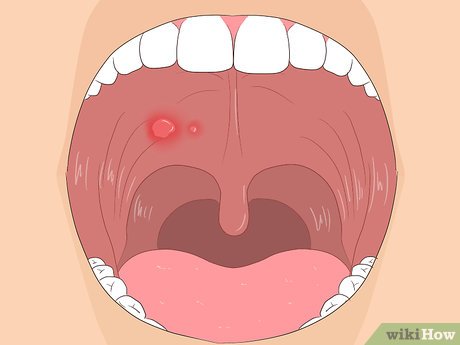
Have you ever taken a bite of piping hot pizza or crunchy chips, only to feel that sharp, stinging pain on the roof of your mouth hours later? It is a frustrating and surprisingly common experience that leaves many people asking, “Can you get blisters on the roof of your mouth?” The short answer is yes, and while they are usually harmless, they can be incredibly uncomfortable.
In this guide, we will explore why these blisters form, how to distinguish between a simple burn and something more serious, and most importantly, how to speed up your healing process. Whether you are dealing with a minor thermal injury or a recurring issue, understanding the root cause is the first step toward relief.
Why Do Blisters Form on the Roof of Your Mouth?
The roof of your mouth, known medically as the palate, is covered by a delicate mucous membrane. Unlike the skin on your hands, this tissue is thin, sensitive, and highly vascular. When it encounters trauma, the body responds by sending fluid to the area to protect the underlying tissue, resulting in a blister.
Thermal Burns: The Most Common Culprit
The vast majority of blisters on the hard palate are caused by thermal burns. This happens when you consume food or beverages that are too hot. Common offenders include:
- Freshly baked bread or pizza cheese.
- Hot coffee or tea.
- Microwaved foods with uneven heat distribution.
When the temperature of the food exceeds 60°C (140°F), it can damage the epithelial cells almost instantly. The body reacts by separating the top layer of skin from the lower layers, filling the gap with serum to create a protective cushion.
Mechanical Trauma
It isn’t just heat that causes damage. Sharp foods can physically abrade the palate. Think of tortilla chips, hard crusts, or even accidental bites. This friction can tear the delicate tissue, leading to inflammation and blister-like sores as the area attempts to heal.
Is It a Blister, a Canker Sore, or Something Else?
One of the most confusing aspects of oral health is distinguishing between different types of sores. While they may look similar, their causes and treatments differ significantly.
| Feature | Thermal Burn Blister | Canker Sore (Aphthous Ulcer) | Cold Sore (Herpes Simplex) |
|---|---|---|---|
| Cause | Heat or physical trauma | Stress, acidic food, minor injury | Viral infection (HSV-1) |
| Location | Roof of mouth, gums | Inside cheeks, lips, tongue | Usually outside lips, rarely inside |
| Appearance | Fluid-filled bubble, red base | White/yellow center, red border | Cluster of small fluid-filled bumps |
| Contagious? | No | No | Yes |
| Healing Time | 3–7 days | 1–2 weeks | 7–10 days |
Understanding this difference is crucial. If you suspect a viral infection like herpes, you should avoid sharing utensils and consult a healthcare provider, as this requires different management than a simple burn. For more detailed information on oral mucosal diseases, you can refer to resources like Wikipedia’s entry on Oral Medicine.
How to Treat a Blister on the Roof of Your Mouth
If you are suffering from a painful blister, immediate action can reduce discomfort and prevent infection. Here is a step-by-step approach to managing oral blisters effectively.
Step 1: Cool the Area Immediately
If you have just burned your mouth, do not wait. Rinse your mouth with cool water immediately.
- Action: Swish 200–250 ml of cool (not ice-cold) water around your mouth for 30 seconds.
- Why: This helps dissipate the residual heat stored in the tissue, limiting the depth of the burn.
Step 2: Maintain Oral Hygiene
Keep the area clean to prevent bacterial infection. However, be gentle.
- Action: Brush your teeth softly, avoiding the blistered area. Use a mild, alcohol-free mouthwash.
- Tip: Avoid mouthwashes containing high levels of alcohol, as they will sting and dry out the tissue, delaying healing.
Step 3: Use Salt Water Rinses
Salt water is a natural antiseptic and can help reduce swelling.
- Recipe: Mix 1 teaspoon of salt into 240 ml (1 cup) of warm water.
- Usage: Gargle gently for 15–20 seconds, then spit it out. Repeat this 2–3 times a day.
Step 4: Apply Protective Barriers
Over-the-counter oral gels containing benzocaine or hyaluronic acid can provide a protective layer over the blister. This reduces friction from food and tongue movement, allowing the tissue to heal faster.
What Foods Should You Avoid?
While your mouth is healing, your diet plays a critical role in recovery. Certain foods can irritate the open wound or introduce bacteria.
Avoid These Irritants:
- Spicy Foods: Chili peppers and hot sauces can cause intense pain and inflammation.
- Acidic Foods: Citrus fruits (lemons, oranges), tomatoes, and vinegar-based dressings can sting and slow healing.
- Crunchy/Hard Foods: Chips, nuts, and toast can physically scrape the blister, causing it to burst prematurely.
- Very Hot Temperatures: Let your food cool to room temperature before eating.
Choose These Soothing Options:
- Yogurt and smoothies (cold and creamy).
- Mashed potatoes or soft-cooked vegetables.
- Lukewarm soups (blended).
- Pudding or gelatin.
When Should You See a Doctor?
Most blisters on the roof of the mouth heal on their own within a week. However, there are specific signs that indicate you need professional medical attention. Ignoring these symptoms could lead to complications.
- Persistent Sores: If the blister does not heal after two weeks, it could be a sign of an underlying condition such as oral lichen planus or, in rare cases, oral cancer.
- Signs of Infection: Look for increased redness, pus, fever, or swollen lymph nodes in your neck.
- Difficulty Eating or Drinking: If the pain is so severe that you cannot stay hydrated, you risk dehydration and need medical intervention.
- Recurring Blisters: If you get blisters frequently without any obvious cause (like hot food), it may indicate an autoimmune disorder or a nutritional deficiency, such as a lack of Vitamin B12, iron, or folate.
FAQ Section
1. Can stress cause blisters on the roof of my mouth?
Stress itself does not directly cause thermal blisters, but it weakens the immune system. This makes you more susceptible to canker sores (aphthous ulcers) and viral outbreaks like cold sores, which can appear on the palate. Managing stress through sleep and relaxation can help reduce frequency.
2. Is it safe to pop a blister on the roof of my mouth?
No. You should never intentionally pop a blister. The fluid inside protects the raw nerve endings underneath. Popping it exposes the tissue to bacteria from food and saliva, significantly increasing the risk of infection and prolonging pain. Let it burst naturally if it needs to.
3. Can allergies cause blisters in the mouth?
Yes. Oral Allergy Syndrome (OAS) can cause itching, swelling, and sometimes blister-like sensations in the mouth after eating certain raw fruits, vegetables, or nuts. If you notice a pattern between specific foods and mouth irritation, consult an allergist.
4. How long does it take for a mouth burn to heal?
Minor first-degree burns typically heal within 3 to 7 days. Deeper second-degree burns may take up to two weeks. During this time, the body regenerates the epithelial cells. Keeping the area clean and avoiding irritants speeds up this natural process.
5. Does honey help heal mouth blisters?
Some studies suggest that medical-grade honey has antibacterial and anti-inflammatory properties that can aid wound healing. Applying a small amount of pure honey to the blister may soothe pain and protect the area. However, ensure you are not allergic to bee products before trying this remedy.
Conclusion
So, can you get blisters on the roof of your mouth? Absolutely. While they are often the result of a simple culinary mishap involving hot food, they can also stem from mechanical trauma or underlying health issues. The key is to remain calm, keep the area clean, and avoid further irritation.
By following the steps outlined above—cooling the area, maintaining hygiene, and adjusting your diet—you can significantly reduce discomfort and speed up recovery. Remember, your mouth is resilient, but it needs a little extra care when injured.
If you found this guide helpful, please share it with your friends and family. Everyone knows someone who has burned their mouth on hot cheese! Sharing this knowledge can help others find quick relief and avoid common mistakes during healing.
Leave a Reply