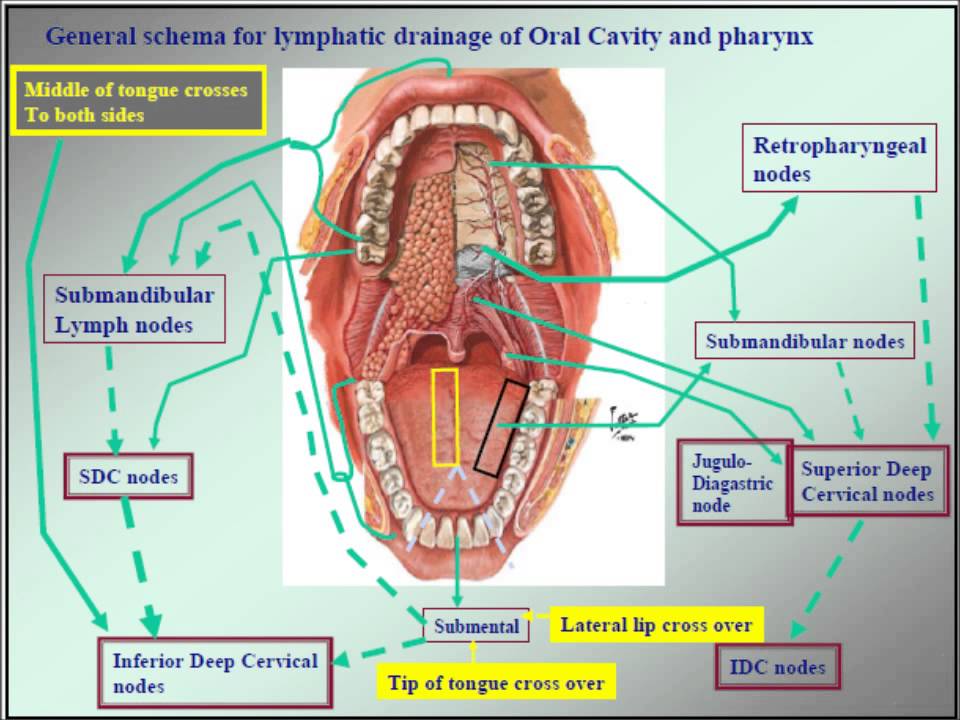
Have you ever run your tongue along the roof of your mouth and felt a strange bump or swelling, immediately worrying that it might be a swollen gland? It is a common concern, especially when you are fighting off a cold or dealing with oral discomfort. Many people ask, “Are there lymph nodes on the roof of your mouth?” because they associate lumps in the head and neck area with the immune system’s lymphatic network.
The short answer is no, but the reality of what you are feeling is important to understand for your peace of mind and health. In this guide, we will clear up the anatomical confusion, explain what those bumps actually are, and help you determine if you need medical attention.
The Anatomical Truth: Do Lymph Nodes Exist on the Palate?
To answer the question directly: No, there are no lymph nodes located on the roof of your mouth (the palate).
Lymph nodes are small, bean-shaped structures that are part of your body’s lymphatic system. They act as filters for foreign particles and cancer cells. In the head and neck region, lymph nodes are primarily clustered in specific areas:
- Under the jaw (submandibular)
- Behind the ears (postauricular)
- At the back of the head (occipital)
- Along the sides of the neck (cervical)
- Inside the throat (tonsils and adenoids, which are lymphoid tissue, but not discrete “nodes” on the palate)
The roof of your mouth consists of two main parts: the hard palate (the bony front section) and the soft palate (the muscular back section). Neither of these structures contains lymph nodes. If you feel a lump there, it is caused by something else entirely.
Why the Confusion Exists
The confusion often arises because the mouth is rich in lymphoid tissue, particularly in the throat area. The tonsils, located at the back of the throat near the soft palate, are part of the Waldeyer’s ring, a circle of lymphoid tissue. When these swell, the sensation can sometimes radiate or feel close to the roof of the mouth, leading people to believe the swelling is on the palate itself.
For a deeper understanding of the lymphatic system’s structure, you can refer to this overview on Wikipedia.
What Are Those Bumps on the Roof of My Mouth?
If there are no lymph nodes there, what are you feeling? Several common conditions can cause lumps, bumps, or swelling on the hard or soft palate. Most are benign (harmless), but some require attention.
1. Torus Palatinus (Bony Growth)
A torus palatinus is a bony growth that develops on the hard palate. It is:
- Hard to the touch: It feels like bone because it is bone.
- Painless: Unless irritated by food or dental appliances.
- Slow-growing: It may take years to become noticeable.
- Common: It affects approximately 20-30% of the population.
This is a genetic trait and is not a sign of disease. No treatment is needed unless it interferes with dentures or speech.
2. Mucoceles (Mucus Cysts)
Mucoceles are fluid-filled sacs that form when a salivary gland duct is blocked or injured. They are more common on the lower lip but can occur on the soft palate.
- Appearance: Bluish or clear, soft, and round.
- Cause: Often results from accidental biting or trauma.
- Resolution: Many disappear on their own within a few weeks.
3. Canker Sores (Aphthous Ulcers)
These are small, shallow lesions that develop on the soft tissues in your mouth or at the base of your gums. Unlike cold sores, they don’t occur on the surface of your lips.
- Symptoms: Painful, white or yellow center with a red border.
- Duration: Usually heal within 1–2 weeks.
- Triggers: Stress, minor injury, acidic foods, or vitamin deficiencies.
4. Nasopalatine Duct Cyst
This is a rare developmental cyst that occurs in the midline of the anterior hard palate. It originates from remnants of the nasopalatine duct. While uncommon, it can cause swelling and requires professional diagnosis via X-ray or CT scan.
Swollen Glands vs. Oral Lumps: How to Tell the Difference
It is crucial to distinguish between a local oral issue and systemic lymph node swelling. Here is a quick comparison to help you identify what you are experiencing.
| Feature | Lymph Node Swelling | Oral Lump (e.g., Cyst, Torus) |
|---|---|---|
| Location | Under jaw, neck, behind ears | On the gum, palate, or inner cheek |
| Texture | Rubber-like, movable | Hard (bone) or fluid-filled (cyst) |
| Pain | Tender when pressed | Varies (Torus is painless; ulcers hurt) |
| Cause | Infection, virus, immune response | Trauma, genetics, blocked gland |
| Visibility | Often visible as neck swelling | Visible only inside the mouth |
If you are pressing under your jaw and feel tender, movable lumps, those are likely swollen lymph nodes reacting to an infection in your mouth, throat, or sinuses. If you are touching the roof of your mouth directly, it is a local oral condition.
When Should You See a Doctor or Dentist?
While most bumps on the roof of the mouth are harmless, some signs indicate a need for professional evaluation. Do not ignore symptoms that persist or worsen.
Seek medical advice if you experience:
- Persistence: The lump does not go away after two weeks.
- Growth: The bump is getting larger rapidly.
- Pain: Severe pain that interferes with eating or sleeping.
- Bleeding: The area bleeds without obvious cause.
- Color Changes: Red, white, or dark patches that do not heal.
- Systemic Symptoms: Fever, night sweats, or unexplained weight loss accompanying the oral lump.
The Risk of Oral Cancer
Although rare, lumps on the palate can sometimes be a sign of oral cancer. According to the Oral Cancer Foundation, early detection is key to successful treatment. Any sore or lump that does not heal within 14 days should be examined by a dentist or oral surgeon. They may perform a biopsy to rule out malignancy.
How to Care for Minor Oral Irritations at Home
If you have identified the lump as a minor issue like a canker sore or minor irritation from hot food, you can manage it at home while it heals.
Step-by-Step Home Care Routine:
- Salt Water Rinse:
- Mix 1 teaspoon of salt in 8 ounces (240 ml) of warm water.
- Swish gently around the mouth for 30 seconds.
- Spit out. Repeat 2–3 times a day. This reduces inflammation and keeps the area clean.
- Avoid Irritants:
- Stay away from spicy, acidic, or very hot foods.
- Avoid crunchy foods like chips or nuts that could scratch the palate.
- Maintain Oral Hygiene:
- Brush gently with a soft-bristled toothbrush.
- Use an alcohol-free mouthwash to prevent drying out the tissues.
- Hydrate:
- Drink plenty of water to keep saliva flowing, which naturally cleanses the mouth. Aim for at least 2 liters of water daily.
FAQ Section
1. Can sinus infections cause lumps on the roof of the mouth?
Sinus infections do not create lumps on the palate, but they can cause pressure and pain in the upper teeth and hard palate area because the sinus cavities are located just above the roots of the upper teeth. This referred pain might make you feel like something is wrong with the roof of your mouth, but it is not a physical lump caused by lymph nodes.
2. Why does the roof of my mouth feel swollen after eating?
This is often due to thermal injury (burning your mouth on hot pizza or coffee) or an allergic reaction. Some people also experience “oral allergy syndrome” when eating certain raw fruits or vegetables, causing immediate itching or swelling of the palate.
3. Are swollen tonsils the same as lymph nodes on the roof of the mouth?
No. Tonsils are masses of lymphoid tissue located at the back of the throat, on either side. While they function similarly to lymph nodes by fighting infection, they are not located on the roof of the mouth. However, enlarged tonsils can make the entire throat area feel crowded and uncomfortable.
4. Can stress cause bumps on the roof of the mouth?
Stress does not directly cause lumps, but it weakens the immune system, making you more susceptible to canker sores (aphthous ulcers) and cold sores (if you carry the HSV-1 virus). These outbreaks can appear on the soft palate and feel like painful bumps.
5. What specialist should I see for a lump on the palate?
Start with your general dentist. They can examine the area and take X-rays if necessary. If the issue is complex, they may refer you to an oral surgeon or an otolaryngologist (ENT specialist) for further evaluation.
Conclusion
So, are there lymph nodes on the roof of your mouth? The answer is definitively no. The lumps or bumps you feel are likely benign conditions such as a torus palatinus, a mucocele, or a canker sore. Understanding the anatomy of your mouth helps alleviate unnecessary anxiety about swollen glands.
However, vigilance is key. While most oral irregularities are harmless, any persistent lump, sore, or change in tissue texture that lasts longer than two weeks warrants a professional check-up. Your oral health is a window into your overall well-being, so never hesitate to seek expert advice when something feels off.
If you found this article helpful in clearing up your concerns, please share it with friends or family who might be worrying about similar symptoms. Knowledge is the best remedy for health anxiety!
Leave a Reply