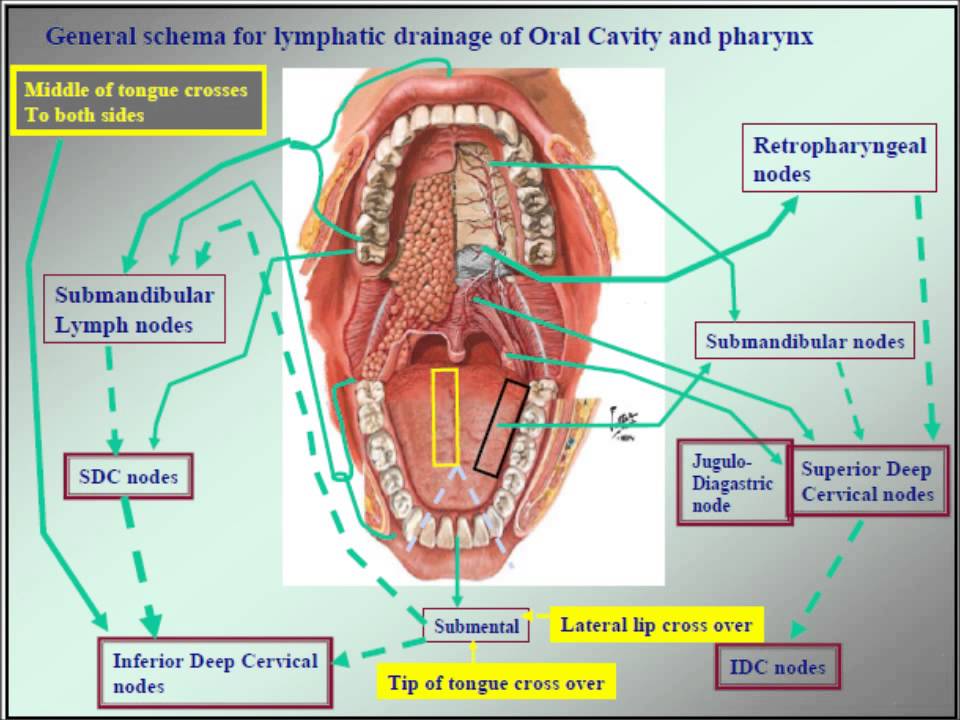
It can be incredibly unsettling to feel a new lump or bump on the roof of your mouth. Your mind might immediately jump to serious health concerns, leading you to ask a very specific question: Are there lymph nodes in the roof of your mouth? You are not alone in this worry; many people experience similar anxieties when they detect changes in their oral cavity.
The short answer is no, but the reality of what you are feeling is still important to understand. While true lymph nodes are not located in the hard or soft palate, the area is rich in other immune tissues that can swell and mimic the sensation of a lymph node. In this guide, we will clear up the anatomical confusion, explain what those bumps likely are, and help you determine if you need professional medical attention.
The Anatomical Truth: Do Lymph Nodes Exist in the Palate?
To answer the question “Are there lymph nodes in the roof of your mouth“ accurately, we must look at human anatomy. The roof of your mouth is divided into two sections: the hard palate (the bony front part) and the soft palate (the muscular back part).
According to standard anatomical structures, there are no true lymph nodes embedded within the tissue of the hard or soft palate. Lymph nodes are typically clustered in specific regions of the head and neck, such as under the jaw (submandibular), behind the ears (postauricular), and along the sides of the neck (cervical).
However, this does not mean the roof of your mouth lacks immune defense. The oral cavity is lined with mucosa that contains lymphoid tissue. This includes minor salivary glands and collections of immune cells that can become inflamed or swollen. When these tissues react to infection or irritation, they create bumps that feel remarkably like swollen lymph nodes, leading to the common misconception.
For a deeper understanding of head and neck anatomy, you can refer to detailed diagrams on Wikipedia.org.
Why Does It Feel Like There Is a Lump?
If there are no lymph nodes, why does it feel like there is one? Several common conditions can cause swelling or lumps on the roof of the mouth. Understanding these can alleviate unnecessary fear.
1. Swollen Salivary Glands
The roof of your mouth contains hundreds of minor salivary glands. If one of these ducts gets blocked by mucus or debris, it can form a small, fluid-filled cyst known as a mucocele. These are usually harmless, painless, and may resolve on their own.
2. Torus Palatinus
Some people have a benign bony growth in the center of the hard palate called a torus palatinus. This is not a sign of disease but rather a genetic trait. It feels hard and immovable, unlike a soft, swollen lymph node.
3. Infection and Inflammation
Viral or bacterial infections, such as strep throat or the common cold, can cause the lymphoid tissue in the back of the throat (near the soft palate) to swell. This area includes the adenoids and tonsils, which are part of the lymphatic system. While not “nodes” in the palate itself, their proximity can make it feel like the roof of your mouth is affected.
4. Irritation from Food
Burns from hot pizza cheese or scratches from sharp chips can cause localized inflammation. This swelling is the body’s natural healing response and can feel like a tender lump.
Common Causes of Bumps on the Roof of the Mouth
When you search for information about oral lumps, it is crucial to differentiate between benign issues and those requiring care. Here is a breakdown of common culprits.
| Condition | Texture | Pain Level | Typical Duration |
|---|---|---|---|
| Mucocele | Soft, fluid-filled | Painless | Days to weeks |
| Torus Palatinus | Hard, bony | Painless | Permanent |
| Canker Sore | Soft, ulcerated | Painful | 1–2 weeks |
| Abscess | Firm, swollen | Very Painful | Until treated |
| Allergic Reaction | Swollen tissue | Itchy/Tender | Hours to days |
Note: This table is for informational purposes only and does not replace professional diagnosis.
When Should You Be Concerned?
While most lumps on the roof of the mouth are harmless, some symptoms warrant a visit to a dentist or doctor. You should seek professional advice if you experience:
- Persistent Swelling: A lump that does not go away after two weeks.
- Rapid Growth: A bump that increases in size quickly.
- Bleeding: Unexplained bleeding from the area.
- Difficulty Swallowing: Any obstruction that affects eating or breathing.
- Numbness: Loss of sensation in the palate or surrounding teeth.
These symptoms could indicate a more serious underlying issue, such as an dental abscess or, in rare cases, oral cancer. Early detection is key to effective treatment.
How to Relieve Discomfort at Home
If you have identified a minor irritation or a small mucocele, you can manage the discomfort with simple home remedies. Here is a step-by-step approach to soothing your palate:
- Salt Water Rinse: Mix 1/2 teaspoon of salt in a glass of warm water. Swish gently for 30 seconds and spit out. This helps reduce inflammation and keeps the area clean.
- Avoid Irritants: Stay away from spicy, acidic, or very hot foods that can aggravate the sensitive tissue.
- Stay Hydrated: Drink plenty of water to keep your mouth moist and support saliva production, which naturally cleanses the oral cavity.
- Cold Compress: If there is external swelling or pain, applying a cold compress to the outside of your cheek can help numb the area and reduce inflammation.
Remember, these steps are for minor irritations. If pain persists or worsens, do not hesitate to consult a healthcare provider.
FAQ Section
1. Can stress cause lumps on the roof of my mouth?
Stress itself does not directly create lumps, but it can weaken your immune system, making you more susceptible to canker sores or viral infections that cause swelling. Additionally, stress can lead to teeth grinding, which may irritate the palate.
2. Is a lump on the roof of my mouth a sign of cancer?
While oral cancer can present as a lump, it is relatively rare compared to benign causes like mucoceles or torus palatinus. However, any persistent lump that does not heal within two weeks should be evaluated by a professional to rule out serious conditions.
3. What is the difference between a lymph node and a swollen gland in the mouth?
True lymph nodes are distinct organs located in specific clusters in the neck and head. “Swollen glands” in the mouth usually refer to inflamed salivary glands or lymphoid tissue. They function similarly in immune response but are anatomically different.
4. Can allergies cause swelling in the roof of the mouth?
Yes, allergic reactions to food, pollen, or medications can cause angioedema, which is rapid swelling of the deeper layers of the skin and mucous membranes. This can affect the roof of the mouth and may require immediate medical attention if it affects breathing.
5. How do I know if my bump is a mucocele?
A mucocele typically appears as a clear or bluish, fluid-filled blister. It is usually soft to the touch and painless. It often results from trauma to a salivary gland, such as biting your cheek or palate.
Conclusion
So, are there lymph nodes in the roof of your mouth? Anatomically, no. However, the presence of salivary glands, lymphoid tissue, and other structures means that swelling and lumps are common and often mistaken for lymph nodes. Most of these occurrences are benign and resolve on their own with proper care.
Understanding the difference between normal anatomical variations and signs of infection empowers you to take better care of your oral health. Don’t let anxiety dictate your reaction; instead, observe the symptoms, use home remedies for minor issues, and consult a professional if concerns persist.
If you found this article helpful, please share it with friends and family who might have similar questions. Spreading accurate health information helps everyone stay informed and calm.
Leave a Reply