Tag: Roofing Shingles Coverage

  • How Much Area Does A Bundle Of Shingles Cover?

    How Much Area Does A Bundle Of Shingles Cover?

    Have you ever stood in the aisle of a home improvement store, staring at stacks of asphalt shingles, wondering if you’ve bought enough to finish your roof? It is one of the most common stress points for DIY homeowners and even new contractors: miscalculating materials can lead to costly delays or mismatched dye lots. Understanding exactly how much area does a bundle of roofing shingles cover is the first step toward a successful, budget-friendly roofing project.

    In this guide, we will break down the math, explain industry standards, and help you avoid the dreaded “shortage” scenario. Let’s dive into the numbers so you can buy with confidence.

    The Standard Rule: 33.3 Square Feet Per Bundle

    If you are working with standard three-tab or architectural asphalt shingles in the United States, there is a golden rule you need to memorize. One bundle of shingles typically covers 33.3 square feet.

    However, shingles are not sold by the square foot; they are sold by the “square.” In roofing terminology, a square equals 100 square feet of roof area.

    Here is the simple breakdown:

    • 1 Square = 100 sq. ft.
    • 1 Bundle = ~33.3 sq. ft.
    • Bundles per Square = 3 bundles (usually).

    Therefore, to cover 100 square feet of roof, you generally need three bundles of standard shingles. This 3:1 ratio is the industry standard for most major manufacturers like GAF, Owens Corning, and CertainTeed.

    Why Is It Not Exactly 34 Square Feet?

    You might wonder why the number isn’t a clean 34 or 35. The reason lies in the manufacturing and packaging logistics. Shingles are designed to overlap when installed. The “coverage” area refers to the exposed part of the shingle that protects your home from rain, not the total physical size of the shingle including the part that gets nailed down and covered by the next row.

    Exceptions to the Rule: When You Need More Bundles

    While the “3 bundles per square” rule applies to the vast majority of residential roofs, it is not universal. Before you place your order, you must check the specific product specifications.

    1. Heavyweight or Premium Shingles

    Some high-end architectural or luxury shingles are thicker and heavier. Due to weight restrictions on pallets and handling ease, these may require 4 or even 5 bundles per square. Always read the label on the wrapper. If the bundle weighs significantly more than the standard 60–80 pounds, expect lower coverage per bundle.

    2. Different Materials

    This guide focuses on asphalt shingles, which dominate the US market. However, if you are using other materials, the coverage varies drastically:

    • Wood Shakes: Often come in bundles covering 25–30 sq. ft.
    • Slate Tiles: Sold by weight or piece, not typically in standard “bundles” like asphalt.
    • Metal Roofing: Sold by linear feet of panels, not bundles.

    For accurate comparisons on traditional roofing materials, you can refer to general construction standards documented on Wikipedia’s Roofing page to understand how different materials impact structural load and coverage metrics.
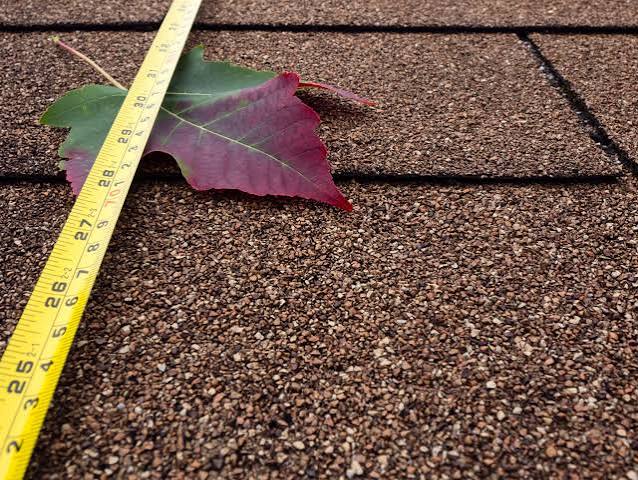
    How Much Area Does A Bundle Of Roofing Shingles Cover

    How to Calculate Your Total Shingle Needs

    Knowing that one bundle covers 33.3 square feet is useless if you don’t know your total roof area. Here is a step-by-step method to calculate your needs accurately.

    Step 1: Measure Your Roof’s Footprint

    If you cannot climb onto the roof safely, measure the length and width of your house from the ground. Include any overhangs (eaves) in your measurement.

    • Example: A house that is 40 feet long and 30 feet wide has a footprint of 1,200 sq. ft.

    Step 2: Adjust for Roof Pitch

    A flat roof has the same area as its footprint. However, most US homes have pitched (sloped) roofs. A steeper pitch means more surface area.

    • Low Pitch (4/12): Multiply footprint by 1.05
    • Medium Pitch (6/12): Multiply footprint by 1.20
    • Steep Pitch (9/12+): Multiply footprint by 1.35 or more

    Using our example above with a medium pitch: 1,200 sq. ft. x 1.20 = 1,440 sq. ft. of actual roof area.

    Step 3: Convert to Squares

    Divide your total roof area by 100. 1,440 / 100 = 14.4 Squares.

    Step 4: Calculate Bundles

    Multiply the number of squares by 3 (for standard shingles). 14.4 x 3 = 43.2 Bundles.

    Step 5: Add Waste Factor (Crucial!)

    You cannot use every scrap of shingle. Cutting around vents, chimneys, and valleys creates waste.

    • Simple Gable Roof: Add 10% waste.
    • Complex Roof (Many hips/valleys): Add 15–20% waste.

    Adding 10% to our example: 43.2 bundles + 10% (4.32) = 47.52 Bundles.

    Final Order: Round up to 48 Bundles.

    Quick Reference Table: Shingle Coverage

    Shingle TypeCoverage Per BundleBundles Per Square (100 sq. ft.)Avg. Weight Per Bundle
    Standard 3-Tab33.3 sq. ft.360–65 lbs
    Architectural33.3 sq. ft.370–80 lbs
    Premium/Luxury20–25 sq. ft.4–580+ lbs
    Starter StripVariesN/A (Sold by linear ft)Light

    Note: Always verify with the specific manufacturer’s data sheet before purchasing.

    Common Mistakes to Avoid

    Even experienced DIYers make these errors. Avoid them to save money and time.

    • Ignoring Starter Shingles: The first row of your roof requires starter shingles or cut-up regular shingles. These do not provide full coverage. Factor this into your waste calculation.
    • Forgetting Ridge Caps: The peak of your roof needs ridge cap shingles. These are often sold separately or require specific cutting patterns that increase waste.
    • Mismatched Dye Lots: If you run short and buy a second batch later, the color might not match perfectly. Always buy 5–10% more than you think you need. Leftover shingles can be stored for future repairs.

    FAQ Section

    Q: Can I return unused bundles of shingles?

    A: Most big-box stores (like Home Depot or Lowe’s) allow returns of unopened, non-special-order bundles within 90 days with a receipt. However, specialty roofing suppliers may have stricter policies. Check before you buy.

    Q: Does wind affect how many shingles I need?

    A: Wind does not change the coverage area, but high-wind zones may require additional nails or adhesive strips. This doesn’t increase shingle count but may affect installation time and labor costs.

    Q: How much does a bundle of shingles weigh?

    A: A standard bundle of asphalt shingles weighs between 60 and 80 pounds. This is important for transport and ensuring your roof structure can support the load, especially if adding a second layer.

    Q: What is a “square” in roofing?

    A: A “square” is a unit of measurement equal to 100 square feet. It is the standard unit used by contractors to estimate materials and labor. When a roofer says your roof is “20 squares,” they mean it is 2,000 square feet.

    Q: Do I need underlayment if I have shingles?

    A: Yes. Shingles are the water-shedding layer, but underlayment (felt or synthetic) provides a secondary barrier against water intrusion and ice dams. It is required by most building codes in the US.

    Conclusion

    Understanding how much area does a bundle of roofing shingles cover is fundamental to any roofing project. Remember the magic number: 33.3 square feet per bundle for standard asphalt shingles, which translates to 3 bundles per square.

    By accurately measuring your roof’s pitch, calculating your total square footage, and adding a 10–15% waste factor, you can ensure you have enough material to complete the job without stressful mid-project runs to the store. Proper planning not only saves money but also ensures a uniform look by avoiding dye-lot mismatches.

    Did you find this guide helpful? Share it with your fellow DIY enthusiasts on Facebook or Pinterest to help them tackle their roofing projects with confidence!
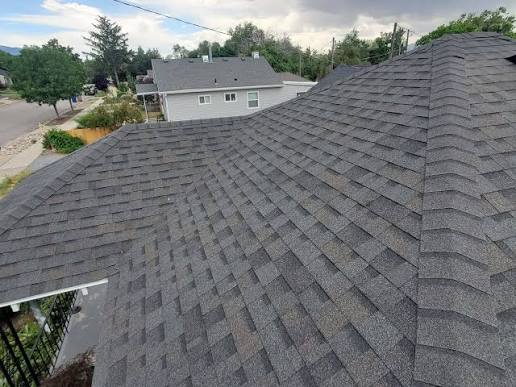
  • How Many Sq Ft in a Bundle of Shingles?

    How Many Sq Ft in a Bundle of Shingles?

    Have you ever stood in your driveway, staring at a stack of roofing materials, and felt completely overwhelmed by the math? You are not alone. One of the most common questions homeowners and DIY enthusiasts ask is exactly how many square feet in a bundle of roofing shingles. Getting this number wrong can lead to costly mid-project trips to the hardware store or, worse, having hundreds of dollars worth of unused material cluttering your garage.

    Understanding the coverage of a single bundle is the foundational step in planning any roofing project, whether it’s a small shed repair or a full home replacement. In this guide, we will break down the industry standards, explain the difference between a “bundle” and a “square,” and provide you with the precise calculations you need to buy with confidence.

    The Standard Answer: 33.3 Square Feet Per Bundle

    If you are looking for a quick answer, here it is: Most standard asphalt shingle bundles cover approximately 33.3 square feet.

    However, in the roofing industry, professionals do not usually think in terms of individual bundles when estimating large jobs. Instead, they use a unit of measurement called a “Square.”

    What is a “Roofing Square”?

    A roofing square is equal to 100 square feet of roof area. It is crucial to distinguish this from a standard architectural square foot. When a contractor says your roof is “20 squares,” they mean it is 2,000 square feet, not 20 square feet.

    The Magic Number: Three Bundles per Square

    Because one bundle covers roughly 33.3 square feet, it takes exactly three bundles to cover one roofing square (100 sq ft).

    • 1 Bundle = ~33.3 sq ft
    • 3 Bundles = ~100 sq ft (1 Square)

    This 3:1 ratio is the industry standard for traditional 3-tab asphalt shingles and most architectural shingles. However, before you head to the store, you must understand that not all shingles are created equal. Weight, thickness, and brand specifications can slightly alter these numbers.

    Why Do Shingle Sizes Vary?

    While 33.3 square feet is the golden rule, several factors can influence the actual coverage of a bundle. Understanding these variables helps you avoid estimation errors.

    1. Shingle Type and Weight

    Shingles are often categorized by their weight per square. A standard 3-tab shingle might weigh 200–250 lbs per square, while premium architectural shingles can weigh 300–400 lbs per square.

    • Lighter Shingles: May sometimes have slightly different dimensions but still adhere to the 3-bundle-per-square rule for logistical consistency.
    • Heavier/Premium Shingles: Some high-end laminated shingles may require four or five bundles to cover a single square because each individual shingle is thicker and heavier. Always check the manufacturer’s spec sheet.

    2. Manufacturer Specifications

    Different brands like GAF, Owens Corning, and CertainTeed may have slight variations in shingle dimensions. For example, a shingle might be 12 inches wide by 36 inches long, but the “exposure” (the part visible after installation) might differ.

    Pro Tip: Never assume. Always look for the “Coverage Per Bundle” label on the packaging or the manufacturer’s website. If it says 33.3 sq ft, you are safe. If it says 25 sq ft, you will need four bundles per square.

    How Many Square Feet In A Bundle Of Roofing Shingles

    Step-by-Step: How to Calculate Your Shingle Needs

    Knowing how many square feet are in a bundle is only half the battle. You need to know how many bundles you need. Follow this logical process to calculate your material requirements accurately.

    Step 1: Measure Your Roof’s Footprint

    Measure the length and width of each plane of your roof. If your roof is simple and flat, multiply the length by the width.

    • Example: A roof section that is 20 feet long and 15 feet wide equals 300 square feet.

    Step 2: Account for Roof Pitch

    Roofs are rarely flat. The steeper the pitch (slope), the more surface area there is. A steep roof has more square footage than its footprint suggests.

    • Use a roof pitch multiplier if you are calculating from the ground.
    • For accurate results, measure directly on the roof if safe to do so, or use satellite measurement tools provided by many roofing supply companies.

    Step 3: Convert to Squares

    Divide your total square footage by 100 to get the number of “squares.”

    • Example: 2,400 sq ft ÷ 100 = 24 Squares.

    Step 4: Calculate Bundles

    Multiply the number of squares by 3 (for standard shingles).

    • Example: 24 Squares × 3 Bundles/Square = 72 Bundles.

    Step 5: Add Waste Factor

    This is the step most beginners miss. You cannot use every scrap of shingle. You need extra material for:

    • Cutting around vents, chimneys, and valleys.
    • Starter strips along the eaves.
    • Mistakes and broken shingles during installation.

    Standard Waste Factors:

    • Simple Gable Roof: Add 10%
    • Complex Roof (Multiple hips, valleys, turrets): Add 15–20%

    Using our previous example of 72 bundles:

    • 10% Waste: 72 × 0.10 = 7.2 (Round up to 8 bundles)
    • Total Needed: 72 + 8 = 80 Bundles

    Comparison: Standard vs. Premium Shingles

    To help you visualize the differences, here is a comparison table of common shingle types and their bundle coverage.

    Shingle TypeApprox. Sq Ft per BundleBundles per SquareWeight per Square (lbs)Best For
    3-Tab Asphalt33.3 sq ft3200–250Budget-friendly, simple roofs
    Architectural33.3 sq ft3250–350Durability, aesthetic appeal
    Premium/Laminated20–25 sq ft4–5350–450+High-end homes, luxury look
    Impact Resistant33.3 sq ft3300+Hail-prone areas

    Note: Always verify specific product data sheets as technology evolves.

    Expert Insight: The Importance of Accurate Estimation

    According to industry standards referenced by organizations such as the National Roofing Contractors Association (NRCA), improper estimation is a leading cause of project delays and budget overruns. Buying too little means paying for another delivery fee and potentially facing color lot mismatches (where the new shingles don’t quite match the old ones due to manufacturing batches). Buying too much ties up your capital and creates disposal issues.

    By mastering the concept of how many square feet in a bundle of roofing shingles, you take control of your project’s logistics. It allows you to negotiate better with suppliers and ensures that your crew (or you) never has to stop working to wait for materials.

    Frequently Asked Questions (FAQ)

    1. Can I return unused bundles of shingles?

    Most major home improvement stores and roofing supply yards allow returns of unopened bundles, but policies vary. Some may charge a restocking fee (usually 10–15%). Always keep your receipt and ask about the return policy before you buy. Note that custom-order colors are often non-returnable.

    2. Does the color of the shingle affect the square footage per bundle?

    No. The color is determined by the granules applied to the surface, which adds negligible weight and does not change the physical dimensions of the shingle. A black bundle and a red bundle of the same model will cover the same 33.3 square feet.

    3. How much does a bundle of shingles weigh?

    A standard bundle of asphalt shingles typically weighs between 60 and 80 pounds. This varies based on the type (3-tab vs. architectural) and moisture content. Always ensure you have enough help or mechanical assistance to lift bundles onto the roof to prevent injury.

    4. What is the difference between “exposed” and “total” square footage?

    The “total” square footage includes the part of the shingle that gets covered by the next row. The “exposed” square footage is what you actually see on your roof. Manufacturers calculate bundle coverage based on the exposed area, ensuring that when installed correctly, three bundles will cover 100 square feet of visible roof.

    5. Do I need special shingles for low-slope roofs?

    Yes. Standard asphalt shingles are generally recommended for roofs with a pitch of 2:12 or greater. For lower slopes, you may need modified bitumen or specific low-slope application methods involving double layers of underlayment. Check local building codes and manufacturer warranties.

    Conclusion

    Knowing how many square feet in a bundle of roofing shingles is the key to a smooth, budget-friendly roofing project. Remember the magic number: 33.3 square feet per bundle, which translates to 3 bundles per roofing square.

    By accurately measuring your roof, choosing the right shingle type, and adding a 10–15% waste factor, you can purchase the exact amount of material you need. This preparation saves you money, time, and the headache of mid-project supply runs.

    Are you planning a roofing project soon? Share this guide with your friends or family who might be tackling their own DIY repairs. Accurate information is the best tool in your toolbox!