Replacing a roof is one of the most significant investments a homeowner can make. It is not just about aesthetics; it is about protecting your family and your biggest asset from the elements. If you are staring at curling shingles or dealing with a leak, you are likely asking the critical question: How much does it cost to get a roof done?
The answer varies widely depending on materials, labor, and location, but understanding the numbers empowers you to make informed decisions without breaking the bank. In this guide, we will break down the costs, explain the factors that influence pricing, and help you navigate the quoting process with confidence.
Understanding the National Average for Roof Replacement
Before diving into specific materials, it is helpful to look at the big picture. For a typical single-family home in the United States, the cost to replace a roof generally ranges between $5,000 and $15,000. However, this is a broad estimate.
According to recent industry data, the national average sits around $8,500 to $12,000 for a standard 2,000-square-foot home using asphalt shingles. This price includes both materials and labor. It is crucial to note that prices have fluctuated due to supply chain issues and inflation in construction materials over the last few years.
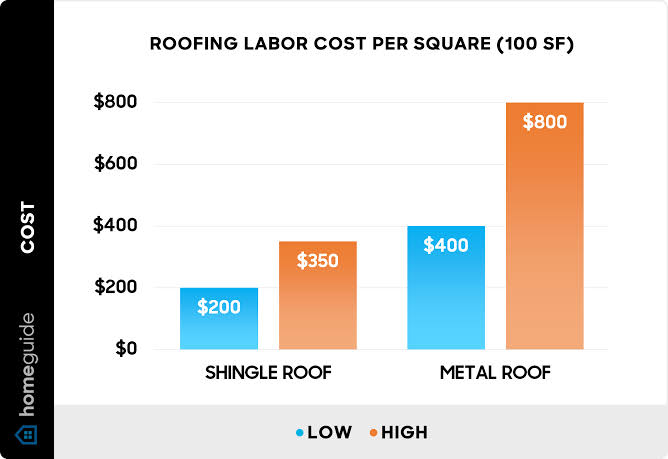
When calculating costs, contractors usually measure roofing area in “squares.” One square equals 100 square feet. Most residential roofs range from 15 to 30 squares. Knowing your roof’s size in squares is the first step to getting an accurate quote.
Key Factors That Influence Your Final Bill
Why does your neighbor’s roof cost $6,000 while yours might be $12,000? Several variables drive the final price tag. Understanding these will help you interpret quotes more effectively.
1. Roof Size and Complexity
The larger the roof, the higher the cost. However, complexity matters more than just square footage. A simple gable roof (two sloping sides) is cheaper to install than a hip roof (four sloping sides) or a roof with multiple valleys, dormers, and chimneys. These features require more time, more cutting, and more flashing materials.
2. Choice of Materials
This is the most significant cost driver. Here is a quick comparison of popular materials:
| Material Type | Average Cost per Square Foot | Lifespan | Pros | Cons |
|---|---|---|---|---|
| Asphalt Shingles | $3.50 – $5.50 | 15–30 Years | Affordable, easy to repair | Shorter lifespan, less eco-friendly |
| Metal Roofing | $7.00 – $12.00 | 40–70 Years | Durable, energy-efficient | Higher upfront cost, noisy in rain |
| Clay/Concrete Tile | $10.00 – $20.00 | 50+ Years | Fire-resistant, aesthetic appeal | Very heavy, requires reinforced structure |
| Wood Shakes | $6.00 – $9.00 | 20–40 Years | Natural look, good insulation | High maintenance, fire risk |
| Slate | $15.00 – $30.00 | 75–100+ Years | Extremely durable, premium look | Extremely expensive, fragile |
3. Labor and Location
Labor costs vary significantly by region. Roofers in high-cost-of-living areas like California or New York will charge more than those in the Midwest. Additionally, the steepness of your roof affects labor. Steeper roofs require special safety equipment and take longer to navigate, increasing the hourly labor rate.
4. Removal of Old Roofing
Does your quote include “tear-off”? Removing the old roof adds to the cost, typically $1.00 to $5.00 per square foot. Some homeowners opt to layer new shingles over old ones to save money, but this is often discouraged. It can void warranties and hide underlying deck damage. Always check local building codes, as many jurisdictions limit roofing to two layers maximum.
Hidden Costs You Might Not Expect
When asking how much does it cost to get a roof done, many homeowners forget to budget for the unexpected. Here are common additional expenses:
- Plywood Decking Repair: If the wood beneath your shingles is rotted or damaged, it must be replaced. This costs roughly $75 to $100 per sheet of plywood.
- Ventilation Upgrades: Proper airflow extends the life of your roof. Installing ridge vents or soffit vents may add $300 to $600 to the project.
- Permits: Most cities require a permit for roof replacement. Fees range from $150 to $500 depending on your municipality.
- Dumpster Fees: Disposing of old shingles isn’t free. Expect to pay $300 to $600 for dumpster rental and disposal fees.
For more detailed information on roofing structures and standards, you can refer to Wikipedia’s entry on Roofing, which provides a comprehensive overview of global roofing practices and materials.
Step-by-Step Guide to Getting an Accurate Quote
To ensure you are paying a fair price, follow these steps when hiring a contractor:
- Get Multiple Quotes: Aim for at least three detailed estimates. Do not just look at the bottom line; compare what is included.
- Check Credentials: Ensure the roofer is licensed, insured, and bonded. Ask for proof of liability insurance and workers’ compensation.
- Inspect the Warranty: A good roofer offers both a manufacturer’s warranty (on materials) and a workmanship warranty (on labor). Look for at least a 5–10 year workmanship guarantee.
- Ask About Cleanup: Confirm that the quote includes magnetic nail sweeping and debris removal. You do not want to find nails in your lawn later.
- Review the Contract: Ensure it specifies the brand, color, and type of shingles, as well as the start and completion dates.
Frequently Asked Questions (FAQ)
1. Can I replace my roof myself to save money?
While DIY projects can save on labor, roofing is dangerous and technically complex. Mistakes can lead to leaks, structural damage, and voided warranties. Unless you have professional experience, it is highly recommended to hire a licensed contractor. The risk of injury and potential for costly errors usually outweighs the savings.
2. Does homeowners insurance cover roof replacement?
It depends on the cause of the damage. Insurance typically covers sudden, accidental damage caused by storms, hail, or falling trees. It generally does not cover wear and tear, age-related deterioration, or lack of maintenance. Always review your policy and consult with your adjuster before starting work.
3. How long does a roof replacement take?
For an average-sized home, a professional crew can complete a roof replacement in 1 to 3 days. Larger homes or complex roofs with multiple stories may take up to a week. Weather delays can also impact the timeline.
4. What is the best time of year to replace a roof?
Late spring through early fall is the peak season for roofing because the weather is predictable. However, scheduling during the off-season (late fall or winter) might result in lower prices or faster availability, provided the temperature is above freezing for proper shingle sealing.
5. Should I choose architectural or 3-tab shingles?
Architectural (dimensional) shingles are thicker, more durable, and offer a better aesthetic than basic 3-tab shingles. They cost slightly more but provide better wind resistance and a longer lifespan. For most homeowners, architectural shingles offer the best balance of cost and value.
Conclusion
So, how much does it cost to get a roof done? While the national average hovers between $8,500 and $12,000, your specific cost will depend on your home’s size, material choice, and local labor rates. Investing in quality materials and a reputable contractor ensures your roof lasts for decades, providing peace of mind and protecting your home’s value.
Don’t rush the decision. Take the time to gather quotes, understand the scope of work, and choose a solution that fits your budget and long-term goals. A new roof is not just an expense; it is a vital upgrade to your home’s integrity.
Found this guide helpful? Share it with your friends on social media who might be facing similar home improvement decisions!