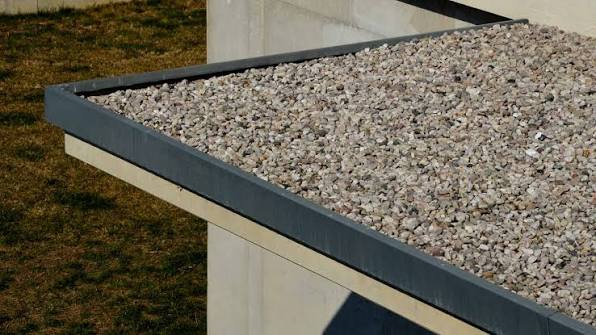
Have you ever looked at a commercial building or an older home and wondered why its flat roof is covered in small stones? It might look like a simple landscaping choice, but there is serious engineering behind it. If you are a property owner or manager trying to understand what is the purpose of gravel on a flat roof, you are asking the right question. This layer of stone is not just decorative; it is a critical component that protects your investment from harsh weather and costly repairs.
In this guide, we will break down exactly why gravel is used, how it works, and whether it is the right choice for your property. We will move beyond the basics to provide you with actionable insights backed by industry standards.
The Primary Function: Protection Against UV Rays
The most significant threat to any flat roofing system is not rain, but the sun. Ultraviolet (UV) radiation is relentless. Over time, UV rays break down the chemical bonds in roofing materials, particularly asphalt-based membranes. This process, known as photodegradation, causes the roof to become brittle, crack, and eventually fail.
Gravel acts as a physical shield. By covering the sensitive bitumen or tar layer, the stones absorb and reflect UV radiation before it can penetrate the waterproof membrane. According to industry data, a properly installed gravel layer can extend the lifespan of a built-up roof (BUR) by 10 to 15 years compared to an exposed membrane.
Think of it like sunscreen for your house. Without it, the “skin” of your roof burns and ages prematurely. With it, the underlying structure remains cool and intact. This is why what is the purpose of gravel on a flat roof often starts with the answer: UV protection.
Ballast: Keeping the Roof in Place
Flat roofs are susceptible to wind uplift. When high winds sweep across a flat surface, they create pressure differences that can try to lift the roofing material off the deck. This is especially true for single-ply membranes or loose-laid systems.
Gravel serves as ballast. The weight of the stones holds the roofing layers firmly against the structural deck. This mechanical anchoring is crucial in areas prone to storms or high winds.
- Wind Resistance: A standard layer of gravel can withstand wind speeds of up to 90–120 mph, depending on the size and density of the stone.
- Stability: It prevents shifting and wrinkling of the membrane, which can lead to tears over time.
For buildings in coastal regions or open plains, this ballasting effect is not optional—it is a necessity for structural integrity.
Fire Resistance and Safety Standards
Safety is a non-negotiable aspect of commercial construction. Asphalt and tar are combustible materials. If left exposed, they can contribute to the spread of fire, especially from external sources like nearby wildfires or sparks from adjacent buildings.
Gravel is naturally fire-resistant. Most roofing gravel consists of crushed stone, such as granite or limestone, which does not burn. By covering the combustible bitumen, the gravel layer creates a fire barrier. This helps buildings meet strict fire codes, such as those set by the National Fire Protection Association (NFPA).
In many jurisdictions, a gravel-surfaced roof can achieve a Class A fire rating, the highest level of fire resistance. This can also lead to lower insurance premiums for property owners, adding a financial benefit to the safety feature.
Drainage and Water Management
While flat roofs are not perfectly flat—they have a slight pitch for drainage—water pooling is still a common issue. Standing water adds immense weight and accelerates wear.
Gravel improves drainage in two ways:
- Surface Texture: The irregular shape of the stones creates tiny channels that allow water to flow more freely toward drains and scuppers.
- Preventing Debris Clogs: While gravel can trap some debris, it also prevents larger leaves and branches from sticking directly to the sticky membrane. This makes it easier for wind to blow lighter debris off the roof or for maintenance crews to clean it.
However, it is important to note that gravel must be installed correctly. If the layer is too thick or uneven, it can actually hinder drainage. Proper installation ensures that water moves efficiently off the roof surface.
Gravel vs. Other Surfacing Options
Is gravel the only option? No. Let’s compare it to other common flat roof surfacing methods to see where it stands.
| Feature | Gravel Surface | White Coating (Elastomeric) | Green Roof |
|---|---|---|---|
| UV Protection | Excellent (Physical block) | Good (Reflective) | Excellent (Vegetation) |
| Weight | Heavy (Requires strong structure) | Light | Very Heavy (Soil + Plants) |
| Maintenance | Low (Occasional cleaning) | Medium (Re-coating every 5-10 yrs) | High (Gardening/ Irrigation) |
| Cost | Moderate | Low to Moderate | High |
| Lifespan | 20–30 Years | 10–20 Years | 20+ Years |
As shown in the table, gravel offers a robust, low-maintenance solution with a long lifespan. However, its weight is a consideration. Not all building structures can support the additional load of several tons of stone. Always consult a structural engineer before adding gravel to an existing roof.
How Gravel Is Installed: A Step-by-Step Overview
Understanding the installation process helps clarify why professional application is vital. Here is a simplified overview of how gravel is applied to a built-up roof:
- Base Layer Preparation: The roof deck is cleaned and inspected for damage. Any existing leaks are repaired.
- Bitumen Application: A hot layer of asphalt or coal tar bitumen is mopped onto the roof. This acts as the adhesive.
- Ply Sheets: Multiple layers of roofing felt (ply sheets) are embedded into the hot bitumen. This creates the waterproof membrane.
- Flood Coat: A final, thick layer of hot bitumen is applied over the top ply. This is called the flood coat.
- Gravel Embedment: While the flood coat is still hot and liquid, gravel is evenly spread across the surface. The stones sink slightly into the bitumen, locking them in place.
- Cooling and Setting: The roof is allowed to cool. The bitumen hardens, permanently bonding the gravel to the roof.
This process requires specialized equipment and skilled labor. DIY attempts are highly discouraged due to the dangers of handling hot bitumen and the precision required for even distribution.
Common Misconceptions About Roofing Gravel
Many people believe that gravel damages the roof or causes leaks. Let’s debunk these myths.
- Myth: Gravel punctures the membrane.
- Fact: When installed correctly, the gravel is embedded in the bitumen, not resting loosely on top. The rounded edges of river rock or crushed stone are designed to minimize puncture risk.
- Myth: Gravel makes leaks harder to find.
- Fact: While it can obscure the exact leak source, experienced roofers use moisture meters and thermal imaging to locate issues without removing large sections of gravel.
- Myth: All gravel is the same.
- Fact: Roofing gravel is specifically sized (usually 3/8 to 3/4 inch) and washed to remove dust. Using construction gravel can clog drains and fail to adhere properly.
For more detailed information on roofing materials and standards, you can refer to Wikipedia’s article on Built-up Roofing, which provides a comprehensive historical and technical overview.
FAQ Section
1. Can I remove the gravel from my flat roof?
Removing gravel is possible but not recommended. It exposes the underlying bitumen to UV rays, which will cause rapid deterioration. If you want to change the surface, it is better to install a new membrane over the existing one or consult a professional for a complete replacement.
2. How much does gravel weigh on a roof?
A standard layer of gravel weighs approximately 10–15 pounds per square foot. For a 1,000-square-foot roof, this adds 10,000–15,000 pounds of weight. Ensure your building’s structure can handle this load.
3. Does gravel help with insulation?
Gravel itself has minimal insulating value (R-value). Its primary role is protection, not thermal insulation. However, by keeping the roof cooler in summer, it can indirectly reduce cooling costs. For true insulation, rigid foam boards are installed beneath the membrane.
4. How often should I clean the gravel on my roof?
Inspect and clean your gravel roof at least twice a year, ideally in spring and fall. Remove debris, leaves, and any standing water. Check for areas where gravel has washed away and replenish it to maintain uniform coverage.
5. What type of gravel is best for flat roofs?
Crushed stone or river rock is commonly used. The stones should be clean, dry, and uniformly sized. Avoid using gravel with sharp edges or excessive dust, as these can compromise the adhesion and drainage.
6. Is a gravel roof better than a white coated roof?
It depends on your priorities. Gravel offers superior durability and fire resistance. White coatings offer better energy efficiency by reflecting heat. Consider your climate, budget, and structural capacity when choosing between the two.
Conclusion
So, what is the purpose of gravel on a flat roof? It is a multifaceted solution that provides UV protection, wind ballast, fire resistance, and improved drainage. While it may seem like an old-fashioned technique, it remains one of the most reliable and cost-effective methods for protecting flat roofing systems.
By understanding the benefits and maintenance requirements, you can make informed decisions about your property’s roofing needs. Whether you are managing a commercial complex or a residential building, gravel offers a durable shield against the elements.
If you found this guide helpful, please share it with your network on social media. Helping others understand their roofing systems can save them from costly repairs and extend the life of their buildings. Stay informed, stay protected, and keep your roof in top shape!