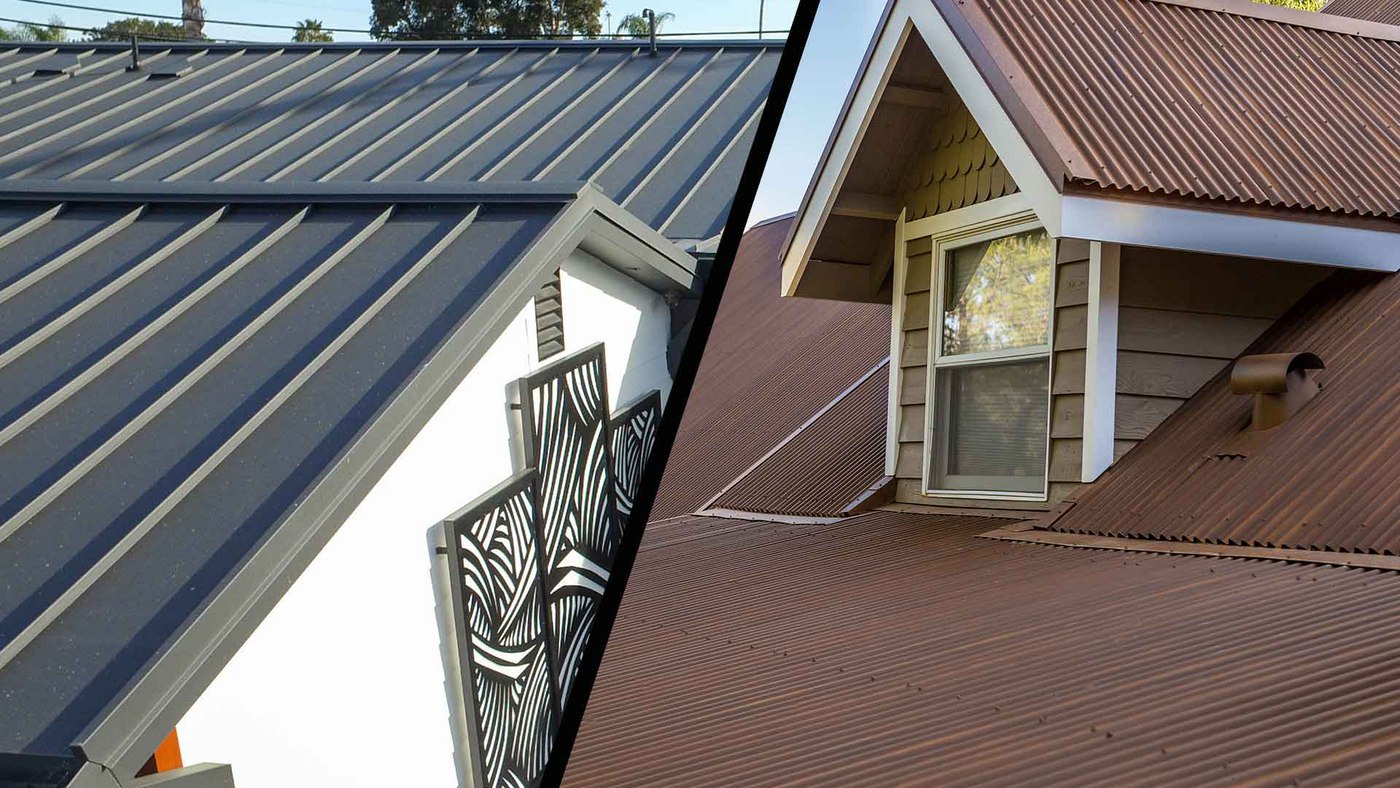
Are you tired of replacing shingles every decade or worrying about storm damage tearing your roof apart? You are not alone; many homeowners are seeking a more permanent solution to protect their biggest investment. If you have been asking yourself, “how long does a metal roof last on a house,” the answer is likely much longer than you expect, offering peace of mind for generations.
Unlike traditional asphalt shingles that degrade under UV rays and temperature fluctuations, modern metal roofing systems are engineered for extreme longevity. In this comprehensive guide, we will break down exactly what determines the lifespan of your roof, compare different metal types, and provide actionable maintenance tips to ensure your roof lasts as long as possible.
The Short Answer: 40 to 70 Years
When homeowners ask about the longevity of metal roofing, the general consensus among industry experts is impressive. On average, a properly installed metal roof will last between 40 and 70 years.
To put this in perspective, the average lifespan of an asphalt shingle roof is only 12 to 20 years. This means that while you might replace an asphalt roof three or four times over the life of your home, a metal roof could potentially last the entire lifetime of the structure itself.
However, “metal” is a broad category. The specific material you choose plays a massive role in these numbers. Let’s dive deeper into the specifics.
Factors That Influence Metal Roof Longevity
While the 40-70 year range is standard, several variables can push your roof toward the lower or higher end of that spectrum. Understanding these factors helps you make an informed purchasing decision.
1. Type of Metal Material
Not all metals are created equal. Here is a breakdown of the most common materials and their expected lifespans:
- Galvanized Steel (G-90): The most affordable option. With proper coating, it lasts 40–60 years. It is strong but prone to rust if the coating is scratched.
- Aluminum: Excellent for coastal areas due to its natural resistance to salt corrosion. Expect a lifespan of 50+ years.
- Copper: The gold standard for longevity. Copper roofs can last 100+ years, often outliving the building they cover. They develop a protective patina over time.
- Zinc: Similar to copper, zinc is self-healing and can last 80–100 years. It is expensive but requires minimal maintenance.
2. Quality of Installation
This is arguably the most critical factor. A high-quality metal panel installed poorly will fail prematurely. Issues such as improper fastening, lack of expansion joints, or incorrect flashing can lead to leaks and wind uplift damage. Always hire a contractor who specializes in metal roofing, not just general roofing.
3. Local Climate and Environment
Your geographic location dictates the wear and tear your roof endures.
- Coastal Areas: Salt spray accelerates corrosion. Aluminum or stainless steel is recommended here.
- Heavy Snow Regions: Metal sheds snow well, but ice dams can form at the eaves if insulation is poor.
- High Heat/UV Areas: Reflective coatings help prevent thermal expansion and contraction, which can loosen fasteners over time.
4. Maintenance Practices
While metal roofs are low-maintenance, they are not no-maintenance. Regular inspections and clearing debris can extend the life of your roof significantly.
Metal Roof vs. Asphalt Shingles: A Comparison
To help you visualize the value proposition, let’s look at a direct comparison between metal roofing and traditional asphalt shingles.
| Feature | Metal Roof | Asphalt Shingles |
|---|---|---|
| Average Lifespan | 40–70+ Years | 12–20 Years |
| Initial Cost | Higher ($8–$14 per sq. ft.) | Lower ($3–$5 per sq. ft.) |
| Maintenance | Low | Moderate to High |
| Weather Resistance | Excellent (Wind, Fire, Hail) | Moderate (Prone to wind/hail damage) |
| Energy Efficiency | High (Reflects solar heat) | Low (Absorbs heat) |
| Recyclability | 100% Recyclable | Mostly Landfill Waste |
Note: Prices are estimates and vary by region and material type.
Common Myths About Metal Roofs
Before you commit, let’s address some frequent misconceptions that might be holding you back.
Myth 1: Metal roofs are noisy during rain. Fact: Modern metal roofs are installed with solid sheathing and insulation. When installed correctly, they are no louder than any other roof type. In fact, many homeowners find the sound of rain on a metal roof soothing.
Myth 2: They attract lightning. Fact: Metal does not attract lightning; it simply conducts it. If lightning strikes, a metal roof safely disperses the energy across the surface, reducing the risk of fire compared to combustible materials like wood shakes. For more scientific context on conductivity and materials, you can refer to general physics principles outlined on Wikipedia.
Myth 3: They dent easily. Fact: While hail can dent thin, low-grade metal, most residential metal roofs use 24-gauge or thicker steel, or durable aluminum. These materials are rated to withstand significant impact without compromising structural integrity.
Step-by-Step Maintenance Guide
To maximize the lifespan of your metal roof, follow this simple maintenance routine. You don’t need to be a professional to do most of these tasks.
- Bi-Annual Inspections: Check your roof twice a year, ideally in spring and fall. Look for loose fasteners, scratches, or accumulated debris.
- Clear Debris: Remove leaves, branches, and pine needles. Trapped moisture under debris can lead to corrosion or mold growth on the underlying structure.
- Clean Gutters: Ensure gutters are free-flowing. Clogged gutters cause water to back up under the roof panels, leading to leaks.
- Wash Gently: If your roof looks dirty, wash it with a garden hose and a soft-bristle brush. Use a mild detergent mixed with water. Avoid pressure washers, as high pressure can damage the protective coating and force water under the panels.
- Touch Up Scratches: If you notice any scratches exposing the bare metal, apply a touch-up paint matched to your roof’s color immediately to prevent rust.
Frequently Asked Questions (FAQ)
1. Is a metal roof worth the extra cost?
Yes, for most homeowners. While the upfront cost is higher, the long-term savings on replacement costs, energy bills, and insurance premiums often make it more cost-effective over 20–30 years. Additionally, it increases home resale value.
2. Can I walk on my metal roof?
You should avoid walking on a metal roof unless absolutely necessary. If you must, wear soft-soled shoes and step only on the flat areas where the screws are located (the “flat” part of the panel), not on the ribs. Walking on the ribs can cause them to bend or crack.
3. Does a metal roof void my homeowner’s insurance?
No, quite the opposite. Many insurance companies offer discounts (often 5–15%) for metal roofs because they are highly resistant to fire, wind, and hail. Always check with your specific provider for details.
4. How often should I repaint a metal roof?
Most modern metal roofs come with Kynar 500 or similar high-quality paint finishes that are warranted for 20–40 years against fading and chalking. You typically do not need to repaint unless the finish is physically damaged or after several decades of exposure.
5. Will a metal roof interfere with my cell phone signal?
Generally, no. While metal can block radio waves, modern homes have windows and other openings that allow signals to pass through. If you have a dedicated antenna inside, it might be affected, but for most smartphone users, there is no noticeable difference.
Conclusion
So, how long does a metal roof last on a house? With proper installation and minimal maintenance, you can expect 40 to 70 years of reliable protection. For premium materials like copper or zinc, that number can stretch beyond a century.
Investing in a metal roof is not just about buying a new roof; it’s about buying peace of mind. You eliminate the hassle of frequent replacements, reduce your carbon footprint, and potentially lower your energy bills. It is a smart, sustainable choice for the modern homeowner.
If you found this guide helpful, please share it with friends or family who are considering a roof replacement. Knowledge is power, and helping others make informed decisions is always a good deed!