Choosing a new roof is one of the most significant investments you will make for your home. It protects your family, your belongings, and your biggest asset from the elements. However, standing in the showroom or reading online quotes can be overwhelming, especially when trying to determine how long does a metal roof last compared to shingles. This question isn’t just about numbers; it’s about peace of mind, long-term value, and avoiding the hassle of frequent repairs. In this guide, we will break down the facts, myths, and financial realities to help you make the best choice for your specific situation.
The Short Answer: A Decades-Long Difference
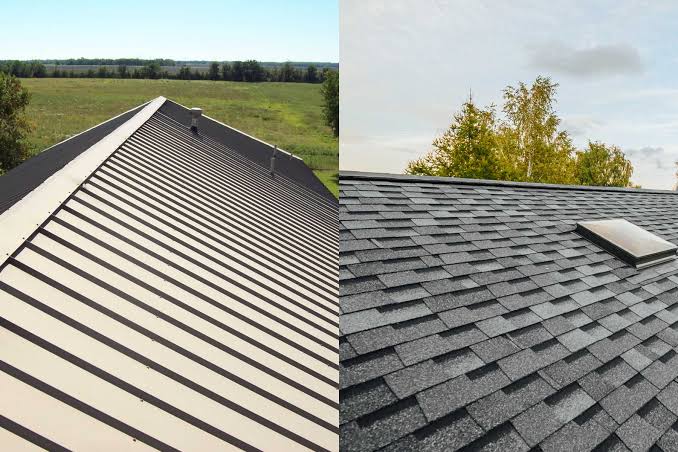
If you are looking for a quick summary, the difference is stark. Traditional asphalt shingles typically last between 15 to 30 years, depending on the quality and climate. In contrast, a properly installed metal roof can last 40 to 70 years, with some high-end copper or zinc systems lasting over 100 years.
This means that while you might replace an asphalt roof two or even three times during your ownership of a home, a metal roof could potentially last for the entire lifetime of the structure. But why is there such a massive gap? Let’s dive deeper into the materials.
Understanding Asphalt Shingle Longevity
Asphalt shingles are the most common roofing material in the United States, primarily due to their low upfront cost and ease of installation. However, their lifespan is heavily influenced by environmental factors and material composition.
Types of Asphalt Shingles
- 3-Tab Shingles: These are the basic, economical option. They usually last 15–20 years. They are thinner and more susceptible to wind uplift and thermal cracking.
- Architectural (Dimensional) Shingles: These are thicker, heavier, and more durable. They mimic the look of wood or slate and typically last 25–30 years. Some premium versions come with warranties up to 50 years, but real-world performance often falls short of this mark due to weathering.
Why Do Shingles Fail?
Asphalt is a petroleum-based product. Over time, UV rays bake the oils out of the shingles, causing them to become brittle. Once brittle, they crack under thermal expansion and contraction. Additionally, granule loss—the tiny stones on the surface—exposes the asphalt to further degradation. In hot climates like Arizona or Texas, shingles may degrade faster than in cooler regions like the Pacific Northwest.
The Durability of Metal Roofing Systems
Metal roofing has evolved significantly from the corrugated tin barns of the past. Today’s metal roofs are engineered systems made from steel, aluminum, copper, or zinc, often coated with advanced reflective paints and protective layers.
Material Breakdown
- Steel (Galvalume or Galvanized): The most common type. With a proper coating (like Kynar 500), it resists rust and fading for 40–60 years.
- Aluminum: Ideal for coastal areas because it does not rust. It lasts 50+ years and is lightweight.
- Copper and Zinc: Premium materials that develop a patina over time. These can last 80–100+ years and are often seen on historic buildings or luxury homes.
Why Does Metal Last Longer?
Metal is inorganic. It does not rot, warp, or crack like organic materials. It is impervious to UV damage in the same way asphalt is. While the paint finish may eventually fade or chalk after several decades, the metal substrate itself remains intact. According to the Metal Roofing Alliance, metal roofs are designed to withstand extreme weather, including hail, high winds, and heavy snow loads, which contributes to their extended service life.
Head-to-Head Comparison: Metal vs. Shingles
To visualize the differences, let’s look at a direct comparison. This table highlights key factors beyond just lifespan.
| Feature | Asphalt Shingles | Metal Roofing |
|---|---|---|
| Average Lifespan | 15–30 Years | 40–70+ Years |
| Upfront Cost | Low ($3–$5 per sq. ft.) | High ($7–$12+ per sq. ft.) |
| Maintenance | Moderate (cleaning moss, replacing tabs) | Low (occasional inspection) |
| Weather Resistance | Moderate (vulnerable to hail/wind) | High (impact resistant) |
| Energy Efficiency | Low (absorbs heat) | High (reflects solar radiant heat) |
| Recyclability | Low (mostly landfill waste) | High (100% recyclable) |
| Warranty | 20–30 Years (prorated) | 30–50 Years (often non-prorated) |
Cost Analysis: Is Metal Worth the Investment?
The sticker shock of metal roofing is real. A metal roof can cost two to three times more than asphalt shingles initially. However, when you ask how long does a metal roof last compared to shingles, you must calculate the lifecycle cost.
The Rule of Replacement
If you choose asphalt shingles with a 20-year lifespan, and you plan to stay in your home for 40 years, you will pay for:
- Initial installation.
- Removal and disposal of the old roof.
- Second installation.
With metal, you pay once. When you factor in the rising costs of labor and materials over time, the second replacement of asphalt shingles will likely cost significantly more than the first. Furthermore, metal roofs often increase resale value. A study by Remodeling Magazine’s Cost vs. Value Report indicates that metal roofing recoups a higher percentage of its cost upon sale compared to asphalt.
Energy Savings
Metal roofs reflect solar radiant heat, which can reduce cooling costs by 10–25%. Over a 40-year period, these savings add up, partially offsetting the higher initial investment. Asphalt shingles, particularly dark ones, absorb heat, transferring it into your attic and increasing your air conditioning load.
Installation Matters: The Hidden Variable
A roof is only as good as its installation. This is a critical point often overlooked by homeowners.
- Shingle Installation: Requires precise nailing patterns. If nails are driven too deep or too shallow, or if the underlayment is poor, leaks can occur within a few years.
- Metal Installation: Requires specialized training. Metal expands and contracts with temperature changes. If the fasteners are not installed correctly to allow for this movement, the panels can buckle or pull loose. Always hire a contractor who specializes in metal roofing, not just a general roofer who “also does metal.”
Environmental Impact
For eco-conscious homeowners, the lifespan difference is crucial. Asphalt shingles contribute millions of tons of waste to landfills annually in the US alone. Because they need replacing every two decades, this cycle of waste is continuous.
Metal roofs, on the other hand, are often made from 25–95% recycled content. At the end of their life, they are 100% recyclable. Choosing a longer-lasting roof is one of the most effective ways to reduce your home’s environmental footprint.
FAQ Section
1. Does a metal roof dent easily from hail?
Modern metal roofs are rated for impact resistance. Most residential metal roofs use 24-gauge or 26-gauge steel, which is quite strong. While a massive hailstone can dent metal, it is less likely to puncture it compared to shingles, which can crack and lose granules, leading to immediate leaks. Look for Class 4 impact-resistant ratings for maximum protection.
2. Will a metal roof void my homeowner’s insurance?
No, in fact, it may lower your premiums. Many insurance companies offer discounts (often 5–15%) for metal roofs because they are fire-resistant and durable against wind and hail. Always check with your provider, but generally, metal is viewed as a lower-risk material.
3. Can I install a metal roof over existing shingles?
In many cases, yes. This is called a “retrofit” or “overlay.” It saves on disposal costs and labor. However, you must ensure the existing roof deck is structurally sound and that local building codes allow it. A professional inspection is required to determine if your home can support the added weight and if ventilation issues need to be addressed.
4. How much maintenance does a metal roof require?
Very little. You should inspect it once or twice a year, preferably in spring and fall. Check for loose fasteners, clear debris from valleys and gutters, and rinse off any dirt or pollen with a garden hose. Avoid using pressure washers, as they can damage the paint finish.
5. Is a metal roof noisy when it rains?
This is a common myth. When installed correctly with solid sheathing and proper insulation, a metal roof is no noisier than an asphalt shingle roof. The insulation and attic space dampen the sound. In fact, many homeowners find the sound of rain on metal soothing rather than disruptive.
6. What affects the lifespan of a metal roof the most?
The quality of the paint system (coating) is the primary factor. The metal itself won’t fail, but the paint protects it from corrosion and UV rays. High-quality coatings like Kynar 500 or Hylar 5000 offer superior chalk and fade resistance. Additionally, the local environment matters; coastal salt air requires aluminum or specially coated steel to prevent corrosion.
Conclusion
So, how long does a metal roof last compared to shingles? The answer is clear: metal lasts significantly longer, often doubling or tripling the lifespan of traditional asphalt shingles. While the upfront cost is higher, the long-term benefits—including lower maintenance, energy savings, increased home value, and reduced environmental impact—make it a compelling investment for many homeowners.
If you plan to stay in your home for more than 15 years, metal roofing offers superior value and peace of mind. If you are selling soon or have strict budget constraints, high-quality architectural shingles remain a viable, albeit shorter-term, solution.
Did you find this guide helpful? Share this article with friends or family who are considering a roof replacement. Helping others make informed decisions is the first step toward smarter home improvement!