Tag: Roof Maintenance Tips

  • How Much Does It Cost To Pressure Wash A Roof?

    How Much Does It Cost To Pressure Wash A Roof?

    Have you noticed dark streaks or green moss creeping up your shingles? It’s not just an eyesore; it can shorten your roof’s lifespan and lower your home’s value. If you are wondering how much does it cost to pressure wash a roof, you are in the right place to find clear, actionable answers.

    Many homeowners hesitate because they fear hidden fees or damaging their property. In this guide, we will break down the average costs, explain why “soft washing” is often safer than high-pressure cleaning, and help you decide whether to DIY or hire a pro. Let’s dive in.

    Average Cost to Clean a Roof in 2026

    The short answer? The national average cost to clean a roof in the United States ranges between $350 and $650. However, this price can fluctuate significantly based on several factors.

    For a standard single-story home with a modest roof size (approximately 1,500 to 2,000 square feet), you might pay on the lower end. Conversely, large two-story homes with complex architectural features, steep pitches, or heavy moss infestation can see costs rise to $800 or more.

    Price Breakdown by Roof Size

    To give you a clearer picture, here is a general estimate based on roof square footage:

    Roof Size (Sq. Ft.)Estimated Cost RangeTypical Home Type
    1,000 – 1,500$250 – $400Small Ranch / Cottage
    1,500 – 2,500$350 – $550Standard Single-Family
    2,500 – 3,500$500 – $750Large Family Home
    3,500+$750 – $1,200+Estate / Multi-Story

    Note: These prices include labor, equipment, and eco-friendly cleaning solutions. Always request a detailed quote from your provider.

    Why “Soft Washing” Is Better Than Pressure Washing

    Before we discuss further costs, it is crucial to address a common misconception. Most roofing manufacturers and insurance companies do not recommend traditional high-pressure washing for asphalt shingles.

    High-pressure water (above 1,500 PSI) can strip away the protective granules on your shingles. These granules shield your roof from UV rays and weather damage. Once they are gone, your roof becomes vulnerable to leaks and premature aging.

    Instead, professionals use a method called Soft Washing. This technique uses low-pressure water combined with specialized biodegradable chemicals to kill algae, moss, and lichen at the root. The solution is allowed to dwell on the surface, breaking down organic matter without physical force.

    According to industry standards, soft washing is the safest method for:

    • Asphalt shingles
    • Wood shakes
    • Clay tiles
    • Slate roofs

    If a contractor insists on blasting your roof with high-pressure water, consider it a red flag. You want preservation, not erosion.
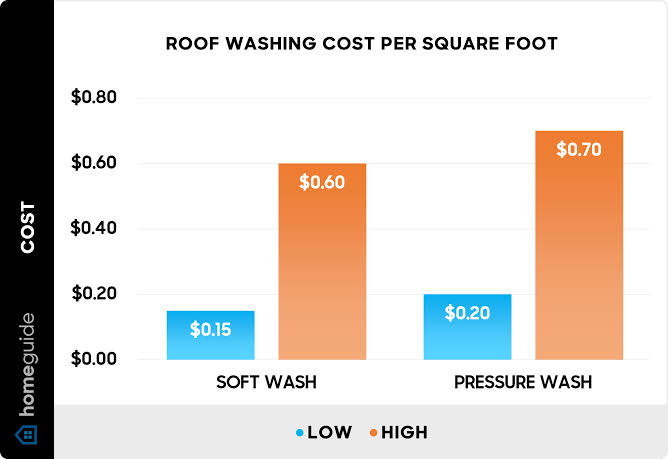
    How Much Does It Cost To Pressure Wash A Roof

    Factors That Influence Roof Cleaning Costs

    When you ask, “How much does it cost to pressure wash a roof?” several variables come into play. Understanding these will help you budget accurately.

    1. Roof Pitch and Accessibility

    A flat or gently sloping roof is easier and safer to clean. Steep roofs require additional safety equipment, such as harnesses and anchor points. This increases labor time and insurance liability for the contractor, which is passed on to you.

    2. Type of Contaminant

    Is it just black streaks (Gloeocapsa magma algae)? Or is it thick, heavy moss? Algae is relatively easy to treat with a standard chemical solution. Heavy moss may require manual removal before treatment, adding labor hours to the job.

    3. Geographic Location

    Labor costs vary by region. Homeowners in major metropolitan areas like New York City or San Francisco will typically pay more than those in rural Midwest towns due to higher operational costs for local businesses.

    4. Condition of the Roof

    If your roof has not been cleaned in over five years, the buildup may be severe. Some companies charge extra for “heavy duty” cleaning jobs that require multiple applications of cleaning solution.

    DIY vs. Hiring a Professional: Which Is Cheaper?

    You might be tempted to rent a pressure washer and save money. Let’s look at the numbers.

    DIY Costs:

    • Pressure Washer Rental: $50–$100 per day
    • Cleaning Solution: $30–$60
    • Safety Gear (Harness, Non-slip shoes): $50–$150
    • Total: ~$130–$310

    Professional Costs:

    • Average Service: $350–$650

    While DIY seems cheaper upfront, consider the risks. Roof work is dangerous. Falls from roofs are a leading cause of home improvement injuries. Furthermore, if you accidentally damage your shingles or void your warranty by using the wrong technique, the repair costs could run into the thousands.

    For most homeowners, hiring a licensed and insured professional is the smarter financial choice in the long run. They bring expertise, proper insurance, and industrial-grade equipment that ensures the job is done safely and effectively.

    Step-by-Step: What to Expect During a Professional Clean

    If you decide to hire a pro, here is what the process usually looks like. Knowing this helps you verify that they are doing the job correctly.

    1. Inspection: The technician inspects the roof for loose shingles, damaged flashing, or weak spots. They should point these out to you before starting.
    2. Preparation: They will cover nearby plants and shrubs with tarps or rinse them thoroughly to protect them from cleaning chemicals. Windows and siding may also be covered.
    3. Application: Using a low-pressure spray system, they apply the cleaning solution evenly across the roof. This is often done from the ground using extended wands to avoid walking on the roof unnecessarily.
    4. Dwell Time: The solution sits for 15–30 minutes. You will see the black streaks begin to fade as the algae dies.
    5. Rinse: A gentle rinse removes the dead organic material and residual chemicals.
    6. Cleanup: The team cleans up any debris in the gutters and rinses off surrounding areas.

    For more information on how algae affects roofing materials, you can refer to this Wikipedia article on Roof Shingles which details the composition and vulnerability of common roofing types.

    Frequently Asked Questions (FAQ)

    1. How often should I have my roof cleaned?

    Most experts recommend cleaning your roof every 2 to 3 years. However, if you live in a humid climate with heavy tree cover, you may need annual maintenance to prevent moss buildup.

    2. Will roof cleaning void my warranty?

    No, but improper cleaning might. Most shingle manufacturers require that cleaning be done according to specific guidelines (usually soft washing). Always check your warranty terms and hire a contractor who follows manufacturer recommendations.

    3. Can I clean my roof myself with a garden hose?

    You can rinse off loose debris, but a garden hose lacks the pressure to remove entrenched algae or moss. Moreover, walking on your roof to reach the hose is risky. It is generally not effective for deep cleaning.

    4. Is roof cleaning tax-deductible?

    Generally, no. Roof cleaning is considered routine maintenance for a personal residence. However, if you use part of your home for business purposes, you may be able to deduct a portion of the cost. Consult a tax professional for advice specific to your situation.

    5. What is the best time of year to clean a roof?

    Spring and early fall are ideal. Avoid cleaning during extreme heat, as the solution can evaporate too quickly, or in freezing temperatures, which can make surfaces slippery and dangerous.

    6. Does homeowners insurance cover roof cleaning?

    No, roof cleaning is considered preventative maintenance, which is the homeowner’s responsibility. Insurance typically covers sudden and accidental damage, not gradual wear and tear or cosmetic issues.

    Conclusion

    So, how much does it cost to pressure wash a roof? While the average falls between $350 and $650, the true value lies in protecting your biggest asset. Regular cleaning extends the life of your roof, improves curb appeal, and can even boost your home’s energy efficiency by reflecting more sunlight.

    Remember, always opt for soft washing over high-pressure blasting to keep your shingles intact. Whether you choose to DIY or hire a pro, prioritize safety and quality over the lowest price.

    Did you find this guide helpful? Share it with your neighbors on social media—especially those who are noticing those unsightly black streaks on their roofs! A clean roof is a happy home.
  • Does Home Warranty Cover Roof Moss?

    Does Home Warranty Cover Roof Moss?

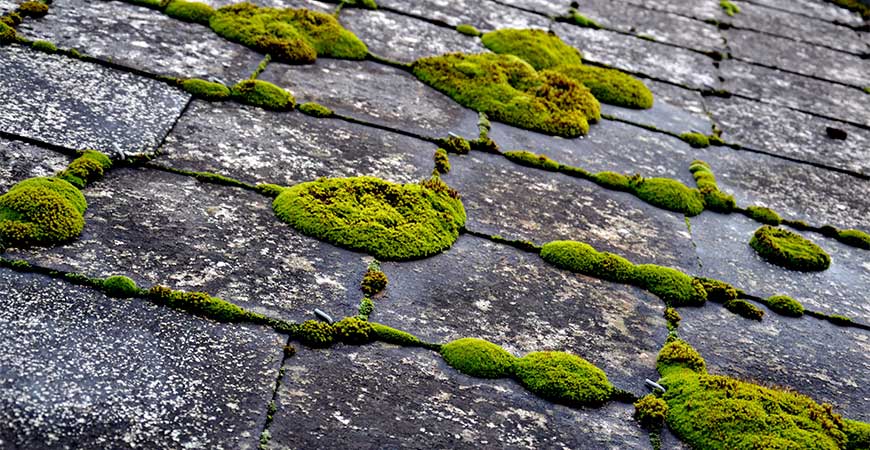
    Finding green patches spreading across your shingles can be alarming, not just for your home’s curb appeal but for your wallet. Many homeowners panic, asking themselves the critical question: If My Roof Has Moss Does Homeowner Warranty Cover It? The short answer is often complex, but understanding the distinction between maintenance and sudden damage is key to saving money. In this guide, we will break down exactly what is covered, what isn’t, and how you can handle moss before it becomes a costly disaster.

    Understanding the Difference: Warranty vs. Insurance

    Before diving into the specifics of moss coverage, it is vital to clarify a common misconception. Most people confuse homeowners insurance with a home warranty. These are two entirely different products serving different purposes.

    Homeowners insurance typically covers sudden, accidental events like storm damage, fire, or falling trees. A home warranty, on the other hand, is a service contract that covers the repair or replacement of major home systems and appliances due to normal wear and tear.

    However, roofs are a unique category. Standard home warranties rarely cover the entire roof structure. Instead, they might offer limited “roof leak” coverage as an add-on. Even then, the presence of moss introduces a layer of complexity regarding negligence and maintenance.

    Why Moss Is Considered a Maintenance Issue

    Moss does not appear overnight. It grows slowly over months or years due to moisture, shade, and lack of sunlight. Because its growth is gradual, insurance companies and warranty providers classify it as a maintenance issue.

    According to general industry standards, homeowners are expected to perform regular upkeep. If damage results from a failure to maintain the property, coverage is usually denied. This is why knowing if my roof has moss does homeowner warranty cover it often leads to a “no,” unless specific conditions are met.

    Does a Home Warranty Cover Moss Removal?

    The direct answer is generally no. Most standard home warranty contracts explicitly exclude cosmetic issues and routine maintenance tasks. Moss removal falls squarely into the category of routine maintenance.

    What Standard Contracts Say

    When you read the fine print of a typical home warranty provider (such as American Home Shield or Choice Home Warranty), you will find clauses related to “pre-existing conditions” and “lack of maintenance.”

    • Cosmetic Exclusions: Moss is often viewed as a cosmetic blemish until it causes structural damage.
    • Preventative Care: Removing moss is considered preventative care, which is the homeowner’s responsibility, not the warranty company’s.

    However, if the moss has caused a leak and you have purchased a specific Roof Leak Protection add-on, the scenario changes slightly. The warranty might cover the cost to repair the leak itself, but they will likely still refuse to pay for the moss removal or the replacement of the shingles damaged by the moss’s long-term presence.

    Will Homeowners Insurance Pay for Moss Damage?

    If a home warranty won’t touch it, will your homeowners insurance step in? Unfortunately, the outlook is similar but for different reasons.

    Insurance policies are designed to cover sudden and accidental perils. Moss growth is neither sudden nor accidental; it is a gradual process. Therefore, most standard HO-3 policies (the most common type of homeowners insurance) will deny a claim for moss removal or damage caused directly by moss accumulation.

    The “Neglect” Clause

    Insurance adjusters look for signs of neglect. If they see thick layers of moss, they may argue that the homeowner failed to mitigate known risks. Wikipedia provides a detailed overview of how standard home insurance policies define covered perils versus exclusions, highlighting that gradual deterioration is almost universally excluded.

    FeatureHome WarrantyHomeowners Insurance
    Primary FocusSystems & Appliances (Wear & Tear)Sudden Accidents & Disasters
    Moss RemovalNot Covered (Maintenance)Not Covered (Gradual Damage)
    Leak RepairPossibly (with Add-on)Possibly (if sudden cause)
    Shingle ReplacementRarelyOnly if storm/wind damaged

    When Might You Get Coverage?

    While the general rule is exclusion, there are nuanced scenarios where you might receive some financial assistance.

    1. The Leak Connection

    If you have a roof leak endorsement on your home warranty, and the moss has trapped moisture leading to a leak, the warranty might cover the interior water damage repair or the patching of the leak source. However, they will likely deduct the cost of the moss cleanup from your payout or require you to clean it first.

    2. Storm Damage Synergy

    If a heavy storm blows off shingles that were already weakened by moss, your homeowners insurance might cover the storm damage. They will pay for the wind damage, but they may cite “betterment” clauses, meaning they won’t pay to upgrade your roof or fix pre-existing moss rot.

    3. New Roof Warranties

    If your roof is new, it might be under a manufacturer’s warranty or a workmanship warranty from the roofing contractor. Some high-end shingle manufacturers offer algae and moss resistance guarantees. Check your original installation documents. If the shingles were advertised as “algae-resistant” and failed prematurely, the manufacturer might cover the replacement.

    If My Roof Has Moss Does Homeowner Warranty Cover It

    How to Prevent and Remove Moss Safely

    Since coverage is unlikely, the best strategy is proactive management. Here is a step-by-step guide to handling moss without voiding any existing warranties or damaging your roof.

    Step 1: Safety First

    Never walk on a wet, mossy roof. It is incredibly slippery. Use a sturdy ladder with stabilizers and wear rubber-soled shoes. If the roof is steep, hire a professional.

    Step 2: The Gentle Cleaning Method

    Avoid pressure washing, which can strip the granules off asphalt shingles and void manufacturer warranties. Instead, use a chemical treatment.

    1. Mix Solution: Combine 50% water and 50% bleach, or use a specialized roof moss killer containing zinc sulfate.
    2. Apply: Use a garden sprayer to apply the solution evenly over the mossy areas. Do not rinse immediately.
    3. Wait: Let the solution sit for 15–20 minutes. The moss will turn orange or brown, indicating it is dying.
    4. Rinse Gently: Use a low-pressure hose to gently rinse the dead moss away. Work from the top down to avoid forcing water under the shingles.

    Step 3: Install Zinc Strips

    For long-term prevention, install zinc or copper strips near the roof ridge. When it rains, tiny particles of metal wash down the roof, creating an environment where moss cannot grow. This is a cost-effective, one-time investment that protects your roof for years.

    FAQ Section

    1. Can I claim moss removal as a medical necessity if I have allergies?

    No. Home warranties and insurance policies do not cover environmental hazards or health-related maintenance issues. Moss removal remains a structural maintenance task regardless of health impacts.

    2. Does trimming trees help prevent moss?

    Yes. Moss thrives in shade and dampness. Trimming overhanging branches allows more sunlight to hit your roof, drying out the surface and making it less hospitable for moss growth. This is a highly recommended preventative measure.

    3. Will removing moss myself void my roof warranty?

    It can, if you use high-pressure washing or harsh chemicals not approved by the shingle manufacturer. Always check your shingle manufacturer’s maintenance guidelines before applying any treatments. Using soft-wash techniques is usually safe.

    4. How often should I inspect my roof for moss?

    You should inspect your roof at least twice a year, ideally in spring and fall. Look for dark patches or green growth, especially on the north-facing side of your home where sunlight is scarce.

    5. Is there a specific type of home warranty that covers roofs?

    Some premium home warranty plans offer “Roof Leak” coverage as an optional add-on. While this does not cover moss removal, it may cover the repair costs if the moss leads to a leak. Always read the exclusions carefully.

    6. What is the average cost of professional moss removal?

    Professional moss removal typically costs between $300 and $600, depending on the roof size and severity of the growth. While this seems high, it is significantly cheaper than replacing a roof section damaged by rot.

    Conclusion

    So, if my roof has moss does homeowner warranty cover it? In most cases, the answer is no. Both home warranties and homeowners insurance view moss as a maintenance issue resulting from gradual wear and environmental factors, rather than a sudden, covered peril.

    However, this doesn’t mean you are helpless. By understanding the limitations of your coverage, you can take proactive steps to protect your investment. Regular inspections, gentle cleaning methods, and preventive measures like zinc strips can save you thousands in the long run. Don’t wait for a leak to appear; address moss early to keep your home safe and your wallet happy.

    If you found this guide helpful, please share it with your neighbors on social media. Many homeowners are unaware of these distinctions, and spreading knowledge can help everyone protect their homes better!