Tag: Roof Inspection Tips

  • Hail Damage on Shingles: Spot the Signs Fast

    Hail Damage on Shingles: Spot the Signs Fast

    Have you just endured a severe thunderstorm and are now staring at your roof with a knot in your stomach? It is completely normal to feel anxious about potential structural issues, especially when trying to figure out what does hail damage look like on a shingle roof. Identifying these signs early can save you thousands in repairs and prevent minor issues from becoming major leaks.

    In this guide, we will walk you through exactly what to look for, how to distinguish hail damage from normal wear and tear, and when it is time to call a professional. We aim to empower you with the knowledge to protect your home effectively.

    The Immediate Aftermath: Understanding the Impact

    Hailstorms are unpredictable forces of nature. According to the National Oceanic and Atmospheric Administration (NOAA), hail causes over $1 billion in property damage annually in the United States alone. While modern asphalt shingles are designed to withstand moderate weather, large hailstones can compromise their integrity.

    The primary concern isn’t always an immediate leak. Often, the damage is subtle, affecting the protective granular layer of the shingle. This compromises the shingle’s ability to reflect UV rays and shed water, leading to premature aging. Understanding the visual cues is your first line of defense.

    Key Visual Indicators of Hail Damage

    When inspecting your roof, you are looking for specific anomalies that differ from standard aging. Here are the most common signs.

    1. Random Bruising and Dark Spots

    Unlike wind damage, which often follows a pattern, hail damage is random. Look for dark, circular spots on the shingles. These are “bruises” where the impact has compressed the asphalt matting beneath the granules.

    • What to look for: A soft spot when gently pressed (use caution).
    • Why it matters: The compression breaks the seal between the granules and the asphalt, exposing the underlying material to the elements.

    2. Significant Granule Loss

    Asphalt shingles are coated with ceramic granules that protect against sun and rain. Hail impacts can knock these granules loose.

    • Check your gutters: An excessive amount of granules in your downspouts after a storm is a red flag.
    • Bare spots: Look for shiny, black areas on the shingle surface where the granules have been stripped away. This exposes the asphalt to UV radiation, causing it to brittle and crack faster.

    3. Cracks and Fractures

    High-velocity hail can cause physical fractures in the shingle matrix. These cracks may not be visible from the ground.

    • Star-shaped cracks: Often radiate from the point of impact.
    • Horizontal cracks: These can occur if the shingle was already brittle due to age or cold temperatures during the storm.

    4. Dented or Damaged Flashing and Vents

    While focusing on shingles, do not ignore the metal components. Hail leaves distinct dents on aluminum flashing, vent caps, and chimney surrounds. If the metal is dented, it is highly likely the shingles sustained impact damage as well.
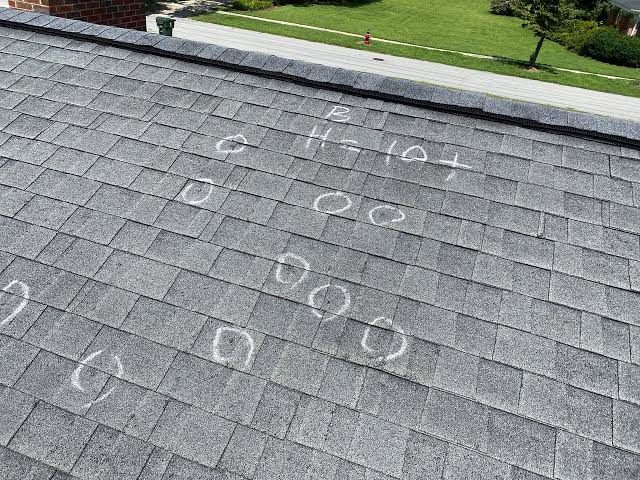
    What Does Hail Damage Look Like On A Shingle Roof

    Hail Damage vs. Normal Wear and Tear

    One of the biggest challenges homeowners face is distinguishing storm damage from natural aging. Misidentifying the cause can lead to denied insurance claims.

    FeatureHail DamageNormal Wear & Tear
    PatternRandom, scattered impactsUniform, consistent across the roof
    Granule LossLocalized around impact pointsEven thinning over the entire shingle
    CracksSharp, fresh edges radiating from a pointGradual, linear cracking along the shingle
    Surrounding AreasDents on soft metals (vents, flashing)No new dents on metal fixtures
    Age FactorCan happen to new or old roofsTypically affects roofs older than 15 years

    Note: Always document the condition of your roof before and after storms with dated photographs.

    How to Safely Inspect Your Roof

    Safety is paramount. Never climb onto a wet or steep roof. Follow these steps for a safe preliminary inspection.

    1. Use Binoculars: Start from the ground. Scan the roof slope facing the direction the storm came from, as this side usually takes the brunt of the impact.
    2. Check Ground Level: Look for debris, such as shingle fragments or granules, near the foundation.
    3. Ladder Inspection: If you must use a ladder, ensure it is on stable ground. Have a spotter hold the base. Only inspect the edge of the roof; do not step onto the shingles.
    4. Document Everything: Take clear, high-resolution photos of any suspected damage. Include close-ups and wide shots for context.

    For a comprehensive understanding of roofing materials and their durability standards, you can refer to this Wikipedia article on Roofing. This resource provides technical background on how different materials are tested for weather resistance.

    When to Call a Professional Roofer

    While DIY inspections are useful, they are not substitutes for professional assessment. You should contact a licensed roofing contractor if:

    • You see multiple bare spots or cracks.
    • Your gutters are filled with an unusual amount of granules.
    • You notice interior signs of leakage, such as water stains on ceilings.
    • Your insurance company requires a certified inspector’s report.

    Professional roofers use specialized tools and have the training to identify “soft” damage that is invisible to the untrained eye. They can also provide a detailed estimate for repairs or replacement, which is crucial for insurance negotiations.

    Navigating Insurance Claims for Hail Damage

    Dealing with insurance can be daunting. Here is how to streamline the process.

    • Review Your Policy: Understand your deductible and coverage limits for “actual cash value” versus “replacement cost.”
    • File Promptly: Most policies have a time limit for filing storm damage claims. Do not wait.
    • Provide Evidence: Submit your photos, dates of the storm, and any professional inspection reports.
    • Be Present During Adjustment: When the insurance adjuster visits, walk them through the damage you identified. Point out the bruises and granule loss specifically.

    FAQ Section

    1. Can hail damage cause immediate leaks?

    Not always. Often, hail damage compromises the shingle’s longevity rather than creating an instant hole. However, severe impacts can crack the shingle matrix, leading to leaks during the next rainstorm. It is crucial to inspect even if no leak is immediately visible.

    2. How big does hail need to be to damage a roof?

    Generally, hailstones larger than 1 inch in diameter (about the size of a quarter) can cause significant damage to asphalt shingles. Smaller hail can cause granule loss, especially if the shingles are older or brittle. Wind speed accompanying the hail also plays a critical role in the severity of the impact.

    3. Will my insurance cover hail damage?

    Most standard homeowners’ insurance policies cover hail damage. However, coverage depends on your specific policy terms, deductible, and the age of your roof. Some insurers may depreciate the value of older roofs. Always check your policy details and consult with your agent.

    4. How long do I have to file a claim after a hailstorm?

    Timeframes vary by insurer and state regulations, but it is generally recommended to file within 30 to 60 days of the event. Delaying can complicate the proof of causation, as the insurer may argue the damage resulted from subsequent weather events or normal wear.

    5. Can I repair individual shingles, or do I need a full replacement?

    If the damage is localized and minimal, individual shingles can be replaced. However, if the damage is widespread or the roof is near the end of its lifespan, a full replacement may be more cost-effective and ensure uniform protection. A professional roofer can advise on the best course of action.

    6. What is the difference between hail damage and blistering?

    Blistering is caused by moisture trapped in the shingle during manufacturing, which expands under heat. Blisters are usually uniform and raised. Hail damage is characterized by random, depressed bruises with associated granule loss. Blistering is a manufacturing defect, while hail damage is weather-related.

    Conclusion

    Identifying what does hail damage look like on a shingle roof is a critical skill for every homeowner. By looking for random bruising, granule loss, and cracks, you can catch issues early before they escalate into costly interior damage. Remember, safety comes first—inspect from the ground when possible and rely on professionals for thorough assessments.

    Don’t let storm damage linger. Early detection protects your investment and ensures your home remains safe and dry. If you found this guide helpful, please share it with your neighbors and friends on social media. Together, we can build more resilient communities prepared for whatever weather comes our way.
  • Is It Time? How Do You Know When You Need A New Roof

    Is It Time? How Do You Know When You Need A New Roof

    Your home is likely your most significant financial investment, and the roof is its primary shield against the elements. Ignoring subtle warning signs can lead to catastrophic water damage, mold growth, and skyrocketing repair bills. If you are asking yourself, “How do you know when you need a new roof,” you are taking the first crucial step toward protecting your property and peace of mind.

    In this comprehensive guide, we will walk you through the definitive signs that indicate your roof has reached the end of its lifecycle. We will combine industry expertise with practical advice to help you make an informed decision, ensuring your home remains safe, dry, and valuable.

    1. How Old Is Your Roof? Understanding Material Lifespans

    Age is the single most reliable indicator of roof health. Even if your roof looks fine from the street, materials degrade over time due to UV exposure, temperature fluctuations, and weather events.

    Most roofing materials have a predictable lifespan. Knowing what your roof is made of helps you set realistic expectations.

    Roofing MaterialAverage LifespanKey Durability Factor
    Asphalt Shingles15–20 yearsSusceptible to wind and heat damage
    Wood Shakes/Shingles20–25 yearsProne to rot, mold, and insect damage
    Metal Roofing40–70 yearsHighly resistant to weather and fire
    Clay/Concrete Tiles50+ yearsHeavy but extremely durable
    Slate75–100+ yearsNatural stone, virtually indestructible

    Source: Data aggregated from industry standards and manufacturer warranties.

    If your asphalt shingle roof is approaching its 20th birthday, it is time to start budgeting for a replacement, even if no major leaks are visible yet. The protective granules wear down, making the underlying asphalt vulnerable to cracking.

    2. Are There Visible Signs of Damage on Your Shingles?

    You do not need to be a professional roofer to spot obvious distress signals. However, you should exercise caution. If you must inspect your roof visually, use binoculars from the ground or a drone. Climbing onto a damaged roof is dangerous.

    Look for these specific red flags:

    • Curling or Cupping Shingles: When shingle edges turn upward (cupping) or downward (clawing), they have lost their flexibility and adhesive strength. This often happens due to poor ventilation or old age.
    • Missing Shingles: High winds can tear shingles off. If you see bare spots on your roof deck, water can penetrate immediately.
    • Cracked Shingles: Cracks allow water to seep into the underlayment. This is common in areas with extreme temperature swings.
    • Bald Spots: Asphalt shingles are covered in ceramic granules that protect against UV rays. If you see dark patches where granules are missing, the shingle is deteriorating rapidly.

    Pro Tip: Check your gutters. If you find an excessive amount of sand-like granules in your downspouts, your shingles are shedding their protective layer. This is a clear sign that replacement is imminent.

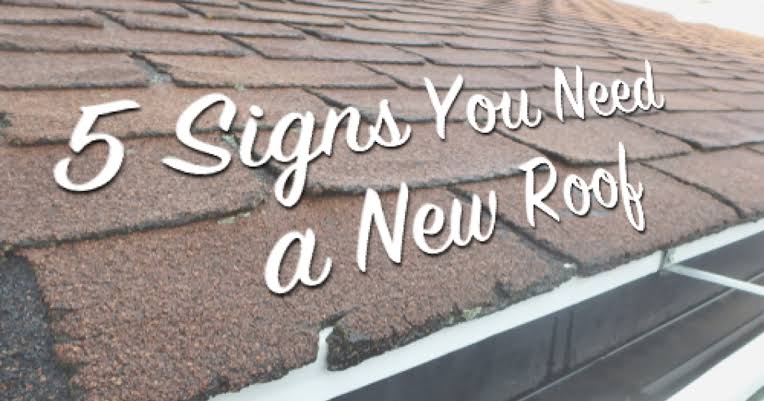
    How Do You Know When You Need A New Roof

    3. Is Your Attic Showing Signs of Water Intrusion?

    Often, the roof looks fine from the outside, but the damage is happening underneath. Your attic is the best place to diagnose hidden roof problems. Grab a flashlight and head up there after a rainstorm.

    What to look for:

    1. Daylight Through the Roof Boards: If you can see beams of sunlight piercing through the roof deck, you have gaps that will let water in.
    2. Water Stains or Mold: Dark streaks or wet insulation indicate active leaks. Mold poses serious health risks and suggests long-term moisture issues.
    3. Sagging Decking: If the wooden structure feels soft or spongy when you walk on it (carefully!), the wood has rotted. This requires immediate structural repair and roof replacement.

    According to the Environmental Protection Agency (EPA), indoor mold growth can cause various health effects, including nasal stuffiness, throat irritation, coughing or wheezing, eye irritation, or, in some cases, skin irritation. Preventing roof leaks is a primary method of mold prevention.

    4. Are You Experiencing Higher Energy Bills?

    A surprising indicator of a failing roof is your electricity bill. Your roof plays a vital role in your home’s thermal envelope. If it is compromised, your HVAC system has to work harder to maintain a comfortable temperature.

    Old, damaged, or poorly ventilated roofs can trap heat in the summer and let warmth escape in the winter. If you notice a sudden spike in energy costs without a change in usage habits, have your roof’s insulation and ventilation inspected. Proper airflow prevents heat buildup that can prematurely age shingles and drive up cooling costs.

    5. How Does Your Roof Look From the Street?

    Curb appeal matters, not just for aesthetics but for property value. A sagging roofline is a critical structural warning. If the ridge line (the peak of the roof) looks uneven or dipped, the structural integrity may be compromised. This could be due to:

    • Long-term water damage weakening the rafters.
    • Overloading from heavy snow or multiple layers of old roofing.
    • Foundation settling.

    A sagging roof is not a “repair” job; it is a full replacement scenario that may also require structural engineering support. Do not delay addressing this issue.

    6. Have You Had Frequent Repairs Recently?

    There is a concept in home maintenance called the “money pit” threshold. If you have called a roofer three or more times in the last two years for different leaks or issues, it is likely more cost-effective to replace the entire roof.

    Constant patching is a temporary fix. Each time a roofer lifts shingles to patch a leak, they break the sealant strip, potentially creating new weak points. Eventually, the cost of cumulative repairs will exceed the price of a new installation. Plus, a new roof comes with a fresh warranty, offering long-term security.

    FAQ Section

    Q: Can I just put a new roof over the old one?

    A: While technically possible in some jurisdictions, it is generally not recommended. Adding a second layer adds weight stress to your home’s structure, traps heat (reducing shingle life), and makes it difficult to identify underlying deck damage. Most building codes allow only two layers maximum, and many manufacturers void warranties if installed over existing shingles.

    Q: How much does a new roof cost?

    A: Costs vary widely based on size, material, and location. For a typical 2,000-square-foot home, an asphalt shingle roof might range from $8,000 to $15,000, while metal or slate can cost $20,000 to $50,000+. Always get at least three detailed quotes from licensed contractors.

    Q: Will homeowners insurance cover a new roof?

    A: Insurance typically covers roof replacement if the damage is caused by a sudden, accidental event like a storm, hail, or falling tree. It usually does not cover wear and tear, age-related deterioration, or lack of maintenance. Review your policy carefully.

    Q: How long does a roof replacement take?

    A: For an average-sized residential home, a professional crew can complete a tear-off and replacement in 1–3 days. Larger homes or complex designs (multiple peaks, valleys) may take up to a week. Weather conditions can also impact the timeline.

    Q: What is the best time of year to replace a roof?

    A: Late spring to early fall is ideal because roofing materials require warm temperatures to seal properly. Asphalt shingles need heat to activate the adhesive strips. However, reputable contractors can work in cooler weather using special techniques, so don’t wait until summer if you have active leaks.

    Conclusion

    Knowing how do you know when you need a new roof is about combining observation with knowledge. By monitoring the age of your materials, inspecting for physical damage, checking your attic for leaks, and watching your energy bills, you can catch problems before they become disasters.

    Remember, a roof is not just an expense; it is an investment in your home’s longevity and your family’s safety. Do not wait for a ceiling to collapse before taking action. Regular inspections and timely replacements save money in the long run.

    Found this guide helpful? Share it with your neighbors on Facebook or Twitter to help them protect their homes too! A community of well-maintained homes is a safer, more valuable neighborhood for everyone.