Have you noticed missing shingles or a persistent leak in just one section of your home? It is a stressful situation, but you might not need a full replacement. Many homeowners ask, “How much does it cost to replace half a roof“ to balance budget constraints with necessary repairs.
Understanding the true cost involves more than just material prices. It requires knowing labor rates, structural integrity issues, and long-term value. In this guide, we will break down the expenses clearly so you can make an informed decision without overspending.
Understanding the Average Cost Breakdown
When estimating the price for a partial roof replacement, several variables come into play. Generally, replacing half of a standard 2,000-square-foot home’s roof ranges from $5,000 to $12,000. However, this figure can fluctuate significantly based on your location and material choice.
Key Cost Factors
- Material Type: Asphalt shingles are the most affordable, while metal or slate costs significantly more.
- Labor Rates: Urban areas typically have higher hourly wages for roofing crews.
- Roof Pitch: Steeper roofs require more safety equipment and time, increasing labor costs.
- Underlayment Condition: If the wood decking beneath the shingles is rotted, repair costs will rise.
According to recent industry data, labor often accounts for 60% of the total cost, while materials make up the remaining 40%. This is why getting multiple quotes is essential.
Pro Tip: Always ask if the quote includes tear-off and disposal fees. These hidden costs can add $1,000 or more to your final bill.
Is Replacing Half a Roof Actually Feasible?
Before diving deeper into costs, we must address a critical structural question: Can you actually replace just half?
Many roofing contractors hesitate to perform partial replacements. The primary concern is warranty validity. Most manufacturers void warranties if new shingles are mixed with old ones due to inconsistent aging and ventilation issues. Additionally, matching the exact color and style of older shingles is often impossible due to weathering and product discontinuation.
If your roof is less than five years old, a partial repair is usually viable. If it is older than ten years, a full replacement is often recommended to ensure uniform protection and aesthetic appeal.
For more detailed information on roofing materials and their lifespans, you can refer to this Wikipedia article on Roofing.
Cost Comparison by Material Type
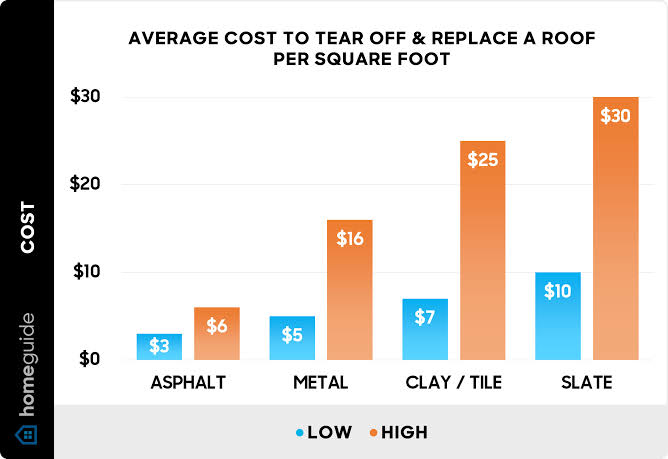
The material you choose drastically impacts the final price. Below is a comparison of common roofing materials for a partial (half) replacement scenario.
| Material | Estimated Cost per Sq. Ft. | Total Est. for Half Roof (1,000 sq. ft.) | Lifespan |
|---|---|---|---|
| Asphalt Shingles | $3.50 – $5.50 | $3,500 – $5,500 | 15-20 Years |
| Metal Roofing | $7.00 – $12.00 | $7,000 – $12,000 | 40-70 Years |
| Wood Shakes | $6.00 – $9.00 | $6,000 – $9,000 | 20-25 Years |
| Clay Tiles | $10.00 – $18.00 | $10,000 – $18,000 | 50+ Years |
Note: Prices include basic labor and materials. Complex roof structures will increase these estimates.
Why Asphalt Shingles Remain Popular
Asphalt shingles dominate the US market because they offer the best balance of cost and durability. For a half-roof replacement, they are the easiest to match and install quickly. However, if you live in an area prone to hail or high winds, investing in impact-resistant shingles might be worth the extra $1,000–$2,000.
Hidden Costs You Might Overlook
When asking “how much does it cost to replace half a roof,” many homeowners forget about ancillary expenses. These hidden costs can surprise you if not budgeted for upfront.
- Permit Fees: Most municipalities require permits for roofing work. Fees range from $100 to $500 depending on your city.
- Ventilation Upgrades: Older roofs often lack proper ventilation. Adding ridge vents or soffit vents during the replacement can cost $300–$800 but prevents future mold issues.
- Gutter Protection: If your gutters are old, the debris from tearing off the old roof might damage them. Budget for gutter cleaning or minor repairs.
- Interior Repairs: If the leak has been present for a while, you may need to repair drywall or insulation inside your attic.
Step-by-Step Guide to Getting an Accurate Quote
To ensure you pay a fair price, follow these steps when hiring a contractor.
- Inspect the Damage Yourself: Take clear photos of the damaged area from the ground and inside the attic. Note any water stains on ceilings.
- Get Three Written Estimates: Do not rely on verbal quotes. Ensure each estimate breaks down material, labor, and disposal costs separately.
- Check Credentials: Verify that the roofer is licensed, insured, and bonded. Ask for proof of liability insurance.
- Ask About Warranty: Clarify if the warranty covers both materials and labor. A good labor warranty should last at least 2–5 years.
- Review the Contract: Ensure the start and end dates are specified. Avoid large upfront payments; a 30% deposit is standard.
Pros and Cons of Partial vs. Full Replacement
Making the right choice depends on your specific situation. Here is a quick comparison to help you decide.
Partial Replacement (Half Roof)
- Pros:
- Lower upfront cost.
- Faster installation time (1–2 days).
- Less waste generated.
- Cons:
- Potential color mismatch.
- May void existing manufacturer warranty.
- Does not address wear on the other half of the roof.
Full Replacement
- Pros:
- Uniform appearance and performance.
- New full warranty coverage.
- Increases home resale value significantly.
- Cons:
- Higher initial investment ($10,000–$25,000+).
- Longer installation time (3–5 days).
- More disruptive to daily life.
Frequently Asked Questions (FAQ)
1. Will my insurance cover half a roof replacement?
Homeowners insurance typically covers roof damage caused by sudden events like storms, hail, or falling trees. It does not cover wear and tear or age-related deterioration. If the damage is isolated to one side due to a storm, insurance may cover the partial replacement. Always file a claim and let an adjuster inspect the damage first.
2. Can I mix old and new shingles?
Technically, yes, but it is not recommended. New shingles will look brighter and cleaner, creating a patchy appearance. Furthermore, the difference in thickness and flexibility between old and new shingles can lead to sealing issues, making the roof more susceptible to wind uplift.
3. How long does it take to replace half a roof?
For a standard asphalt shingle roof, a professional crew can complete a half-roof replacement in 1 to 2 days. This includes tearing off the old material, inspecting the decking, installing underlayment, and laying new shingles. Weather conditions can cause delays.
4. Does replacing half a roof affect my home’s value?
A partial replacement maintains the functionality of your home but does not add significant resale value compared to a full replacement. Buyers may view a partial roof as a future expense they will need to handle soon. However, it is better than having a leaking roof, which can severely detract from value.
5. What is the best time of year to replace a roof?
Late spring and early fall are ideal. Temperatures are moderate, allowing shingles to seal properly. Avoid winter if possible, as cold temperatures make asphalt shingles brittle and hard to install. Summer heat can also be challenging for workers and may cause shingles to soften excessively during installation.
Conclusion
So, how much does it cost to replace half a roof? While the average ranges from $5,000 to $12,000, the final price depends on materials, labor, and hidden structural needs. A partial replacement is a viable short-term solution for newer roofs or isolated damage, but it comes with trade-offs in aesthetics and warranty coverage.
Always prioritize quality over the lowest bid. A well-installed partial roof can last another decade, giving you peace of mind and financial flexibility. If your roof is nearing the end of its life, consider saving for a full replacement to maximize your home’s value and protection.
Found this guide helpful? Share it with your neighbors or on social media to help others navigate their roofing decisions confidently!