Tag: palate care

  • What Causes A Bump On The Roof Of Your Mouth?

    What Causes A Bump On The Roof Of Your Mouth?

    Have you ever run your tongue over the roof of your mouth and felt a strange, unexpected lump? It can be alarming to discover a new texture or swelling in such a sensitive area. You are not alone; many people experience this at some point, often wondering what causes a bump on the roof of your mouth and whether it signals a serious health issue.

    In most cases, these bumps are harmless and temporary. However, understanding the underlying cause is crucial for proper treatment and peace of mind. This guide will walk you through the most common reasons for palatal bumps, how to treat them at home, and when it is time to consult a healthcare professional.

    Common Causes of Palatal Bumps

    The roof of your mouth, known medically as the palate, is divided into two sections: the hard palate (front) and the soft palate (back). Because this area is exposed to food, heat, and bacteria, it is susceptible to various irritations. Here are the primary culprits behind those mysterious lumps.

    1. Thermal Burns (Pizza Palate)

    This is arguably the most common cause. We have all been there: you take a bite of piping hot pizza or sip scalding coffee, and suddenly, the roof of your mouth feels tender.

    • Mechanism: The delicate mucous membrane on the palate gets burned by high temperatures.
    • Symptoms: Redness, swelling, blistering, and a raw sensation.
    • Healing Time: Typically 3–7 days.

    The tissue regenerates quickly, but during the healing process, you may feel a raised, rough patch that resembles a bump.

    2. Canker Sores (Aphthous Ulcers)

    Canker sores are small, shallow lesions that develop on the soft tissues in your mouth or at the base of your gums. Unlike cold sores, they do not occur on the surface of your lips and are not contagious.

    • Appearance: White or yellow center with a red border.
    • Trigger Factors: Stress, minor injury to the mouth, acidic foods, or vitamin deficiencies (B-12, zinc, folate, iron).
    • Sensation: Painful, especially when eating spicy or acidic foods.

    While they usually appear on the inside of cheeks or under the tongue, they can occasionally form on the soft palate, presenting as a painful bump.

    3. Oral Mucoceles

    A mucocele is a fluid-filled cyst that forms when a salivary gland becomes blocked or damaged. While more common on the lower lip, they can appear on the roof of the mouth.

    • Cause: Trauma to the salivary duct, such as biting the area or sucking on the palate.
    • Characteristics: Soft, round, and bluish or clear in color.
    • Behavior: They may burst and refill repeatedly.

    4. Torus Palatinus

    If you have had a hard, bony bump in the center of your hard palate for years, it might be a torus palatinus. This is a benign bone growth.

    • Prevalence: Affects approximately 20–30% of the population.
    • Nature: Genetic and developmental; not caused by disease.
    • Concern Level: Generally harmless unless it interferes with denture fitting.

    5. Infections (Viral and Fungal)

    Various infections can manifest as bumps or patches on the palate.

    • Oral Thrush (Candidiasis): A fungal infection causing creamy white lesions. It is more common in infants, the elderly, and those with compromised immune systems.
    • Herpes Simplex Virus: Can cause clusters of painful blisters on the hard palate.
    • HPV (Human Papillomavirus): Certain strains can cause warts (squamous papillomas) that look like small, cauliflower-like bumps.

    For more detailed information on oral conditions and their medical classifications, you can refer to Wikipedia’s page on Oral Medicine.

    Less Common but Serious Causes

    While rare, some bumps may indicate more serious underlying conditions. It is essential to remain vigilant without becoming overly anxious.

    Oral Cancer

    Squamous cell carcinoma is the most common type of oral cancer. It can present as a lump, thickening, or rough spot on the palate.

    Risk Factors Include:

    • Tobacco use (smoking or chewing).
    • Heavy alcohol consumption.
    • HPV infection.
    • Prolonged sun exposure (for lip cancer, less relevant for palate but worth noting for overall oral health).

    Warning Signs:

    • A sore that does not heal within two weeks.
    • Unexplained bleeding.
    • Numbness in the mouth.
    • Difficulty swallowing or moving the jaw.
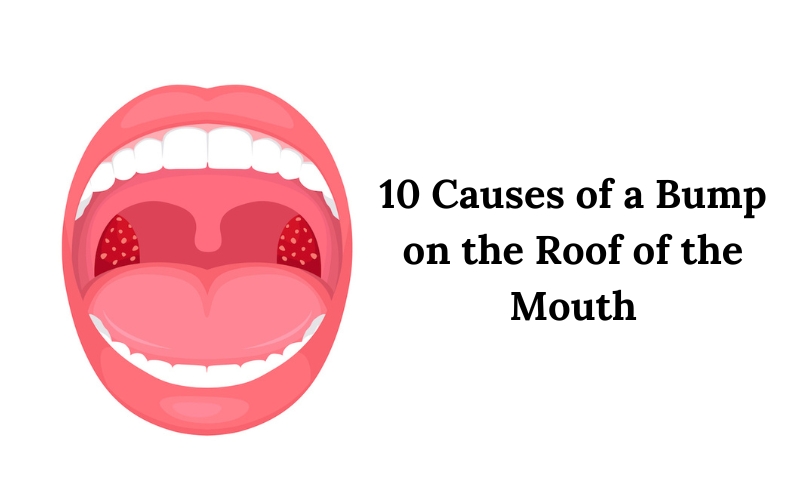
    What Causes A Bump On The Roof Of Your Mouth

    How to Identify the Cause: A Quick Comparison

    To help you narrow down the potential cause, refer to this comparison table. Remember, this is for informational purposes only and not a diagnostic tool.

    FeatureThermal BurnCanker SoreMucoceleTorus Palatinus
    OnsetImmediate after hot foodGradual (1-2 days)Sudden after traumaSlow growth over years
    Pain LevelModerate to HighHighLow to NoneNone
    TextureRaw, blisteredSoft ulcerSoft, fluid-filledHard, bony
    Duration3-7 days1-2 weeksWeeks to monthsPermanent
    ColorRed/WhiteWhite/Yellow with red rimClear/BluishPink (same as gum)

    Home Remedies and Treatment Options

    Most bumps on the roof of the mouth resolve on their own. However, you can speed up healing and reduce discomfort with these steps.

    1. Salt Water Rinses

    Salt water is a natural disinfectant and helps reduce inflammation.

    • Recipe: Mix 1 teaspoon of salt into 8 ounces (240 ml) of warm water.
    • Method: Swish gently for 30 seconds, then spit out. Repeat 2–3 times daily.

    2. Cold Compresses

    For burns or acute swelling, cold can numb the area and reduce inflammation.

    • Action: Suck on ice chips or eat cold foods like yogurt or ice cream.
    • Caution: Avoid extremely hard ice chunks that could cause further physical trauma.

    3. Over-the-Counter Gels

    Products containing benzocaine can provide temporary pain relief for canker sores or burns. Apply directly to the bump using a clean cotton swab.

    4. Dietary Adjustments

    Avoid irritants while healing.

    • Avoid: Spicy, acidic (citrus, tomato), and crunchy foods.
    • Choose: Soft, bland foods like mashed potatoes, oatmeal, and smoothies.

    When to See a Doctor or Dentist

    You should seek professional medical advice if:

    1. The bump persists for more than two weeks.
    2. The bump grows rapidly in size.
    3. You experience difficulty breathing, swallowing, or speaking.
    4. There is unexplained bleeding or pus.
    5. You have a fever accompanying the oral symptom.

    Early detection is key, especially for ruling out serious conditions like oral cancer. A dentist can perform a visual exam and, if necessary, a biopsy to determine the nature of the lump.

    FAQ Section

    1. Can stress cause bumps on the roof of my mouth?

    Indirectly, yes. Stress weakens the immune system, making you more susceptible to canker sores and viral outbreaks like herpes. Additionally, stressed individuals may unconsciously bite or suck on their palate, leading to traumatic bumps or mucoceles.

    2. Is a bump on the roof of the mouth contagious?

    It depends on the cause. Canker sores, burns, and torus palatinus are not contagious. However, bumps caused by herpes simplex virus (cold sores) or certain strains of HPV are highly contagious through direct contact. Oral thrush is fungal and generally not considered contagious in healthy adults but can spread to infants or immunocompromised individuals.

    3. How long does it take for a burned palate to heal?

    Minor thermal burns typically heal within 3 to 7 days. The mouth has one of the fastest healing rates in the body due to rich blood supply. If the burn is severe (blistering extensively), it may take up to two weeks. Keep the area clean and avoid further irritation.

    4. Can allergies cause bumps on the roof of the mouth?

    Yes. Oral Allergy Syndrome (OAS) can cause itching, swelling, and small bumps on the palate after eating certain raw fruits, vegetables, or nuts. This is usually an immediate reaction. If you suspect an allergy, track your food intake and consult an allergist.

    5. Should I pop a bump on the roof of my mouth?

    No. Never attempt to pop, squeeze, or cut a bump in your mouth. This can introduce bacteria, lead to infection, and delay healing. If it is a mucocele, it may burst on its own, but let nature take its course. If it persists, see a dentist for safe removal.

    Conclusion

    Discovering a bump on the roof of your mouth can be unsettling, but in the vast majority of cases, it is a benign issue like a minor burn, canker sore, or harmless bone growth. By understanding what causes a bump on the roof of your mouth, you can better manage your symptoms and know when to seek help.

    Prioritize good oral hygiene, avoid extreme temperatures in food, and monitor any changes. If a lump persists beyond two weeks or causes significant pain, do not hesitate to consult a dental professional. Your oral health is a window into your overall well-being, so treat it with care.

    Found this guide helpful? Share it with friends and family on social media to help them stay informed about their oral health!
  • What Is That Bump On The Roof Of My Mouth?

    What Is That Bump On The Roof Of My Mouth?

    Have you ever run your tongue over the roof of your mouth and felt a strange, unexpected lump? It can be alarming to discover a new texture or swelling in such a sensitive area, leading to immediate questions about your health. If you are asking yourself, “What is that bump on the roof of my mouth,” you are not alone; this is a very common concern with a wide range of possible causes, most of which are harmless.

    In this guide, we will explore the most likely reasons for these bumps, how to identify them, and when it is time to seek professional medical advice. We aim to provide clear, actionable information to ease your mind and help you take the right steps for your oral health.

    Common Causes of Bumps on the Roof of Your Mouth

    The roof of your mouth, known medically as the palate, is divided into two sections: the hard palate (front) and the soft palate (back). Bumps can appear on either section due to various factors ranging from minor injuries to underlying health conditions. Understanding the specific characteristics of the bump—such as its color, size, and pain level—is crucial for identification.

    1. Thermal Burns (Pizza Palate)

    One of the most frequent culprits is a thermal burn, often colloquially called “pizza palate.” This occurs when you eat food or drink liquids that are too hot. The delicate tissue on the roof of the mouth gets scalded, leading to inflammation.

    • Symptoms: A tender, raised blister or rough patch.
    • Appearance: Often red or white.
    • Healing Time: Typically heals within 3 to 7 days without treatment.

    According to dental professionals, the mucous membrane in the mouth is highly vascular, which helps it heal quickly compared to skin elsewhere on the body. However, repeated burns can lead to chronic irritation.

    2. Canker Sores (Aphthous Ulcers)

    While canker sores are more common on the inner cheeks or gums, they can occasionally develop on the soft palate. These are small, shallow lesions that can make eating and talking painful.

    • Trigger Factors: Stress, minor mouth injury, acidic foods, or vitamin deficiencies.
    • Characteristics: White or yellow center with a red border.
    • Contagious? No, unlike cold sores.

    3. Oral Mucoceles

    A mucocele is a fluid-filled cyst that forms when a salivary gland becomes blocked or injured. While more common on the lower lip, they can appear on the roof of the mouth, particularly if you have a habit of biting or sucking on your palate.

    • Texture: Soft and movable.
    • Color: Clear, bluish, or pink.
    • Action: Many resolve on their own, but persistent ones may need minor surgical removal by a dentist.

    4. Torus Palatinus

    If the bump is hard, located in the center of the hard palate, and has been there for a long time, it might be a torus palatinus. This is a bony growth that is completely benign.

    • Prevalence: Affects approximately 20-30% of the population.
    • Nature: It is an exostosis (extra bone growth) and is not cancerous.
    • Treatment: Usually requires no treatment unless it interferes with denture fitting.
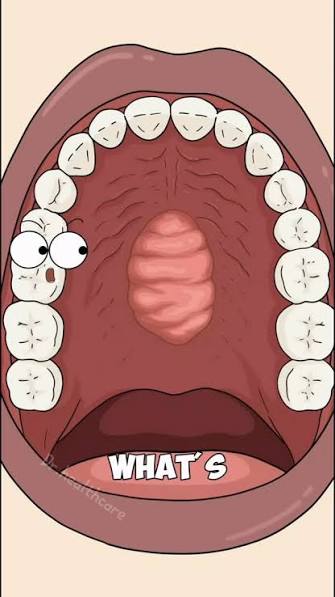
    What Is That Bump On The Roof Of My Mouth

    When Should You Be Concerned?

    While most bumps are benign, it is essential to distinguish between a minor irritation and something that requires medical attention. The American Cancer Society notes that early detection of oral abnormalities is key to successful treatment of serious conditions.

    You should schedule an appointment with a dentist or doctor if you experience any of the following red flags:

    1. Persistence: The bump does not heal or go away after two weeks.
    2. Growth: The lump is increasing in size rapidly.
    3. Bleeding: The area bleeds easily without obvious cause.
    4. Difficulty Swallowing: You feel obstruction or pain when swallowing.
    5. Color Changes: The bump is dark, black, or has irregular pigmentation.

    For more detailed information on oral lesions and their classifications, you can refer to this comprehensive resource on Oral Medicine.

    Comparison: Benign vs. Potentially Serious Bumps

    To help you assess your situation, here is a quick comparison table. Please note that this is for informational purposes only and not a substitute for professional diagnosis.

    FeatureBenign (Likely Harmless)Potentially Serious
    DurationHeals within 7–14 daysPersists longer than 2 weeks
    Pain LevelTender initially, then improvesPersistent pain or numbness
    TextureSoft, fluid-filled, or hard boneHard, fixed, or irregular surface
    ColorRed, white, or clearDark, black, or mixed colors
    ChangeStable or shrinkingGrowing in size

    Step-by-Step Home Care for Minor Bumps

    If you suspect your bump is due to a minor burn, canker sore, or irritation, you can manage it at home with these steps. The goal is to reduce inflammation and prevent infection.

    1. Salt Water Rinse Mix 1 teaspoon of salt into a glass of warm water (approximately 240 ml). Swish gently around your mouth for 30 seconds, then spit it out. Do this 2–3 times a day. Salt water is a natural disinfectant and helps soothe inflamed tissues.
    2. Avoid Irritants Stay away from spicy, acidic, or crunchy foods that could scratch or irritate the bump further. Opt for soft, cool foods like yogurt, smoothies, or mashed potatoes.
    3. Maintain Oral Hygiene Continue brushing and flossing, but be extra gentle around the affected area. Use a soft-bristled toothbrush to avoid aggravating the lesion.
    4. Over-the-Counter Relief If pain is significant, consider using an oral gel containing benzocaine. Follow the package instructions carefully. Do not use these products for more than 7 days without consulting a dentist.
    5. Hydration Drink plenty of water to keep your mouth moist. A dry mouth can slow down the healing process and increase bacterial growth. Aim for at least 2 liters of water daily.

    Frequently Asked Questions (FAQ)

    1. Can stress cause bumps on the roof of my mouth?

    Yes, indirectly. Stress can weaken your immune system, making you more susceptible to canker sores or viral outbreaks like cold sores. Additionally, stress often leads to behaviors like teeth grinding or cheek biting, which can cause physical trauma to the palate.

    2. Is a bump on the roof of my mouth contagious?

    It depends on the cause. Canker sores, burns, and torus palatinus are not contagious. However, if the bump is caused by a viral infection like herpes simplex (cold sores) or hand, foot, and mouth disease, it can be contagious through direct contact or sharing utensils.

    3. How long does it take for a burned palate to heal?

    Minor thermal burns usually heal within 3 to 7 days. Deeper burns may take up to two weeks. If the area remains painful or shows signs of infection (pus, increased swelling) after a week, see a dentist.

    4. Can allergies cause bumps on the roof of the mouth?

    Yes. Oral allergy syndrome or general allergic reactions can cause swelling, itching, or small hives on the palate. If you notice these symptoms after eating certain foods, consider keeping a food diary and consulting an allergist.

    5. What is the difference between a canker sore and a cold sore?

    Canker sores occur inside the mouth (including the roof) and are not contagious. Cold sores typically appear outside the mouth (on the lips) and are caused by the herpes virus, making them highly contagious. Cold sores rarely appear on the hard palate.

    6. Should I pop a bump on the roof of my mouth?

    Never attempt to pop or squeeze a bump in your mouth. This can introduce bacteria, lead to infection, and cause significant pain. If it is a cyst or abscess, it requires professional drainage by a dentist under sterile conditions.

    Conclusion

    Discovering a bump on the roof of your mouth can be unsettling, but in the vast majority of cases, it is a temporary and harmless issue such as a burn, canker sore, or benign bony growth. By understanding the common causes and monitoring the symptoms, you can effectively manage minor issues at home.

    Remember the golden rule of oral health: if it doesn’t heal in two weeks, get it checked. Early intervention is always better than waiting.

    Did you find this guide helpful? Share it with friends or family who might be dealing with similar oral health concerns. Spreading awareness helps everyone take better care of their smiles!