Have you ever caught a glimpse of yourself in the mirror, opened your mouth wide, and noticed something unexpected on the roof of your mouth? It can be startling to see discoloration where you expect healthy pink tissue, leading to immediate concern about your overall health. If you are asking yourself, “Is the roof of your mouth supposed to be white,“ you are not alone; this is a common query that often stems from harmless anatomical features but can sometimes signal an underlying issue requiring attention.
In this guide, we will dissect the difference between normal palatal anatomy and potential medical conditions. We will explore why your palate might look pale, textured, or spotted, and provide clear, actionable steps to determine if you need to see a dentist or doctor.
Understanding Normal Palate Anatomy
To answer the primary question accurately, we must first establish what “normal” looks like. The roof of your mouth, medically known as the palate, is divided into two sections: the hard palate (front) and the soft palate (back).
The Hard Palate
The hard palate is the bony front part of the roof of your mouth. In most individuals with healthy gum tissue, this area is pale pink. However, it is crucial to note that “pink” varies significantly based on ethnicity and natural pigmentation. For many people, especially those with darker skin tones, the palate may naturally have darker patches or appear lighter due to contrast.
The Role of Keratinization
One reason the roof of your mouth might appear whiter than the rest of your oral cavity is keratinization. Just like the skin on your hands becomes thicker and calloused with friction, the tissue on the hard palate can thicken slightly in response to chewing forces. This layer of keratin can give the tissue a paler, almost whitish hue compared to the inner cheeks or floor of the mouth. This is generally uniform and smooth, not patchy or raised.
Common Causes of a White Roof of the Mouth
If the whiteness is not just a general pale tone but appears as distinct spots, patches, or coatings, several conditions could be at play. Here are the most frequent culprits.
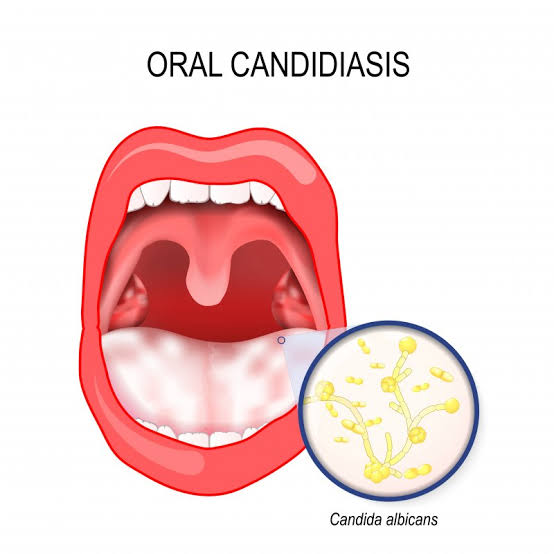
1. Oral Thrush (Candidiasis)
Oral thrush is a fungal infection caused by an overgrowth of Candida alb yeast. It is one of the most common reasons for sudden white discoloration.
- Appearance: Creamy white lesions on your tongue, inner cheeks, and the roof of your mouth.
- Texture: These patches can be wiped off, often revealing red, raw tissue underneath that may bleed slightly.
- Risk Factors: Recent antibiotic use, diabetes, weakened immune system, or wearing dentures.
According to the Centers for Disease Control and Prevention (CDC), oral thrush is more common in infants, older adults, and people with compromised immune systems. If you suspect thrush, antifungal medication prescribed by a healthcare provider is typically required.
2. Leukoplakia
Leukoplakia involves the formation of thick, white patches on the gums, the inside of the cheeks, the bottom of the mouth, and the tongue. Unlike thrush, these patches cannot be scraped off.
- Cause: Often linked to chronic irritation from tobacco use (smoking or chewing), alcohol consumption, or rough teeth/dentures.
- Risk: While most leukoplakia cases are benign, some can show early signs of cancer. A biopsy is often recommended to rule out malignancy.
3. Burns from Hot Food or Drink
This is perhaps the most common temporary cause. Eating pizza straight out of the oven or sipping scalding coffee can burn the delicate mucous membrane of the hard palate.
- Symptoms: The tissue may turn white as it dies and sloughs off, similar to a skin burn blistering. It is often painful or sensitive to touch.
- Healing: Usually resolves on its own within 3–7 days as new tissue forms.
4. Canker Sores (Aphthous Ulcers)
While canker sores are typically associated with a yellow or gray center, they are surrounded by a bright red halo. However, in the early stages or as they heal, the fibrin coating can appear white. These are small, shallow lesions that develop on the soft tissues in your mouth or at the base of your gums.
Comparison: Normal vs. Concerning Whiteness
To help you assess your situation, refer to the table below. This quick comparison highlights key differences between harmless variations and symptoms requiring professional evaluation.
| Feature | Normal/Healthy Palate | Potential Issue (Thrush/Burn/Leukoplakia) |
|---|---|---|
| Color | Uniform pale pink or light beige | Bright white, creamy, or patchy |
| Texture | Smooth or slightly ridged (rugae) | Raised, fuzzy, or peeling |
| Removability | N/A (Part of the tissue) | Thrush wipes off; Leukoplakia does not |
| Pain Level | Painless | May be painful, burning, or sensitive |
| Duration | Permanent anatomy | Appears suddenly or persists >2 weeks |
When to See a Doctor or Dentist
Not every white spot is an emergency, but ignoring persistent changes can lead to complications. You should schedule an appointment with your dentist or primary care physician if:
- The white patches persist for more than two weeks. Most minor burns or irritations heal within this timeframe.
- You experience pain, bleeding, or difficulty swallowing. These are signs of active infection or significant tissue damage.
- The patches spread. If the whiteness moves from the roof of your mouth to your throat or tongue, it suggests a systemic issue like thrush.
- You have other symptoms. Fever, fatigue, or unexplained weight loss alongside oral changes require immediate medical attention.
Early detection is vital, particularly for conditions like oral lichen planus or early-stage oral cancer. Regular dental check-ups every six months allow professionals to monitor these changes effectively.
Home Care and Prevention Tips
If your dentist has ruled out serious conditions and attributed the whiteness to minor irritation or mild thrush, you can manage it at home with these steps.
Maintain Rigorous Oral Hygiene
- Brush twice daily with a soft-bristled toothbrush.
- Floss daily to remove plaque buildup that can harbor bacteria and fungi.
- Replace your toothbrush after treating any oral infection to prevent reinfection.
Dietary Adjustments
- Reduce Sugar Intake: Yeast thrives on sugar. Cutting back on sugary drinks and snacks can help prevent candida overgrowth.
- Stay Hydrated: Dry mouth (xerostomia) increases the risk of infections. Aim for 2 liters of water daily, keeping the temperature between 22–28°C for optimal comfort and hydration without shocking sensitive tissues.
- Probiotics: Incorporating yogurt with live cultures or taking probiotic supplements can help balance the oral microbiome.
Avoid Irritants
- Stop smoking or using tobacco products.
- Limit alcohol consumption, which can dry out oral tissues.
- Avoid extremely hot foods and beverages until the tissue heals.
Frequently Asked Questions (FAQ)
1. Can dehydration cause the roof of my mouth to look white?
Yes, indirectly. Severe dehydration leads to dry mouth, reducing saliva production. Saliva is essential for washing away bacteria and food particles. Without it, the mouth becomes more susceptible to bacterial and fungal growth, which can manifest as white coatings or patches.
2. Is a white roof of the mouth contagious?
It depends on the cause. If the whiteness is due to oral thrush, the yeast itself can be passed to others, though it rarely causes illness in healthy adults. If it is due to a burn, leukoplakia, or normal anatomy, it is not contagious. Always practice good hygiene to be safe.
3. How long does it take for a burned palate to heal?
Minor thermal burns on the roof of the mouth typically heal within 3 to 7 days. The white appearance is dead tissue sloughing off. During this time, avoid spicy, acidic, or crunchy foods that could further irritate the area.
4. Can stress cause white spots in the mouth?
Stress weakens the immune system, making you more susceptible to infections like oral thrush or outbreaks of cold sores. Additionally, stress can trigger conditions like oral lichen planus, an inflammatory condition that causes lacy white patches.
5. What is the difference between leukoplakia and oral lichen planus?
Leukoplakia presents as thick, white patches that cannot be scraped off, often linked to irritation. Oral lichen planus is a chronic inflammatory condition that typically appears as lacy, web-like white patterns. Both require professional diagnosis, but lichen planus is an autoimmune response, whereas leukoplakia is often reactive.
Conclusion
So, is the roof of your mouth supposed to be white? In most cases, a pale pink or slightly lightened hue is perfectly normal due to keratinization and individual pigmentation. However, distinct white patches, creamy coatings, or painful lesions are not standard and warrant investigation.
By understanding the difference between normal anatomy and conditions like oral thrush or leukoplakia, you can take proactive steps to protect your oral health. Remember, consistency in oral hygiene and regular dental visits are your best defenses.
If you found this guide helpful, please share it on social media to help friends and family understand their oral health better. Knowledge is the first step toward a healthier smile!