Tag: Oral Hygiene Tips

  • How to Get Fixodent Off the Roof of Your Mouth

    How to Get Fixodent Off the Roof of Your Mouth

    Have you ever finished a meal only to realize that a stubborn layer of denture adhesive is still clinging to the roof of your mouth? It is an uncomfortable, sticky sensation that can feel nearly impossible to remove with just water. If you are wondering how to get Fixodent off the roof of your mouth, you are not alone, and there are safe, gentle ways to resolve this common issue without irritating your sensitive gums.

    Denture adhesives like Fixodent are designed to be strong and water-resistant, which is great for keeping your teeth in place but challenging when it comes to cleanup. In this guide, we will walk you through professional, dentist-approved methods to dissolve and wipe away that residue efficiently. We prioritize your oral health, ensuring that the removal process is as gentle on your palate as it is effective.

    Why Does Fixodent Stick So Persistently?

    Before diving into the removal techniques, it helps to understand why this happens. Fixodent and similar adhesives contain polymers that swell when they come into contact with saliva. This swelling creates a seal that holds your dentures securely. However, if too much adhesive is used, or if the denture fit is slightly off, excess glue can squeeze out onto the soft tissues of your palate (the roof of your mouth).

    Once this excess adhesive dries or mixes with food particles, it forms a tough, rubbery film. Because the roof of your mouth is covered in delicate mucous membranes, scrubbing it aggressively can cause soreness or even minor abrasions. Therefore, the key to successful removal is dissolution rather than abrasion.

    According to general dental hygiene principles, maintaining clean oral tissues is crucial for preventing fungal infections like denture stomatitis. For more information on oral mucosa health, you can refer to resources on Wikipedia to understand the sensitivity of these tissues.

    Step-by-Step Guide: How to Remove Fixodent Safely

    Removing adhesive requires patience and the right tools. Do not use sharp objects, fingernails, or hard-bristled brushes directly on the roof of your mouth. Follow these steps for a safe and thorough cleanup.

    1. The Warm Salt Water Rinse

    The most gentle and effective first step is to loosen the bond using warm salt water. Salt acts as a mild antiseptic and helps break down the adhesive structure.

    • Prepare the solution: Mix 1 teaspoon of table salt into 8 ounces (approx. 240 ml) of warm water. Ensure the water is comfortably warm, not hot, to avoid burning your palate.
    • Swish gently: Take a sip and swish the water around your mouth, focusing on the roof of your mouth. Hold the water against the palate for 10–15 seconds before spitting it out.
    • Repeat: Do this 3–4 times. You should feel the adhesive starting to soften and lift.

    2. Use a Soft-Bristled Toothbrush or Gauze

    Once the adhesive has softened from the rinse, you can mechanically remove the residue.

    • Tool selection: Use a very soft-bristled toothbrush (specifically designated for gum care) or a piece of wet gauze wrapped around your finger.
    • Technique: Gently rub the roof of your mouth in small circular motions. Do not press hard. Let the softened adhesive roll off the tissue.
    • Rinse again: Spit out any dislodged particles and rinse with plain warm water.

    3. The Olive Oil or Coconut Oil Method

    If salt water isn’t enough, oils can help dissolve the hydrophobic components of the adhesive. This method is particularly useful for stubborn, dried-on patches.

    • Apply oil: Dip a cotton swab or your clean finger into a small amount of olive oil or coconut oil.
    • Massage: Gently massage the oil onto the sticky areas on the roof of your mouth. Let it sit for 2–3 minutes.
    • Wipe away: Use a damp, soft cloth or gauze to wipe the area. The oil helps lift the glue without stripping the natural moisture from your gums.

    4. Commercial Denture Cleanser Soak (For Removable Palates)

    Note: This step applies if you have a removable partial plate or if you are cleaning the denture itself, but some users find rinsing with a diluted denture cleanser solution helps break down residue in the mouth.

    • Caution: Never swallow denture cleanser.
    • Method: Mix a small amount of non-abrasive denture cleanser with water as per package instructions. Swish briefly and spit immediately, followed by extensive rinsing with plain water. Consult your dentist before using chemical cleaners directly in your mouth.
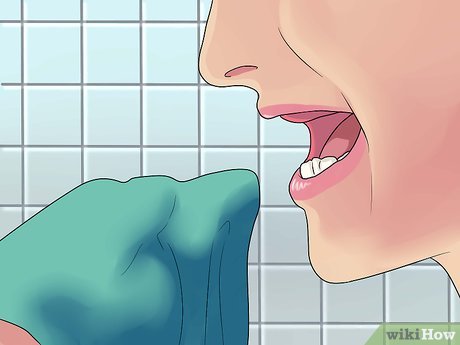
    How To Get Fixodent Off The Roof Of Your Mouth

    Common Mistakes to Avoid

    When learning how to get Fixodent off the roof of your mouth, many people make errors that can lead to injury. Here is a comparison of what to do versus what to avoid.

    ActionWhy It’s BadBetter Alternative
    Scraping with fingernailsCan tear delicate gum tissue and introduce bacteria.Use wet gauze or a soft toothbrush.
    Using hot waterCan burn the sensitive palate and worsen inflammation.Use lukewarm or tepid water.
    Using alcohol-based mouthwashDries out the mouth, making adhesive stickier and harder to remove.Use saline solution or plain water.
    Ignoring daily cleaningBuildup leads to chronic irritation and bad breath.Clean palate every time you remove dentures.

    Preventing Future Buildup

    Prevention is always easier than removal. If you find yourself constantly asking how to get Fixodent off the roof of your mouth, it may be time to adjust your application routine.

    Use Less Adhesive

    A common myth is that more adhesive equals better hold. In reality, excess adhesive squeezes out under pressure. You only need small dots or a thin strip along the ridge of the denture, not the entire surface.

    Check Your Denture Fit

    If adhesive is consistently leaking onto your palate, your dentures may no longer fit correctly. Bone resorption (shrinkage) occurs naturally over time. If your dentures are loose, see your dentist for an adjustment or relining. A proper fit minimizes the need for excessive adhesive.

    Clean Daily

    Make cleaning the roof of your mouth part of your nightly routine. Even if you don’t feel sticky residue, a gentle brush with a soft toothbrush can remove microscopic layers of adhesive and bacteria before they build up.

    FAQ: Frequently Asked Questions

    1. Is it safe to use vinegar to remove Fixodent from my mouth?

    While white vinegar is acidic and can break down adhesives, it is generally not recommended for direct use on the soft tissues of the mouth due to its strong acidity, which can cause stinging or irritation. Stick to warm salt water or olive oil, which are pH-neutral and soothing.

    2. How often should I clean the roof of my mouth?

    You should clean the roof of your mouth every time you remove your dentures, typically at least once a day before bed. This prevents bacterial buildup and keeps the tissues healthy. If you wear dentures 24/7 (as advised by some dentists for initial healing), consult your provider for a specific cleaning schedule.

    3. What if the adhesive won’t come off after trying these methods?

    If the residue remains after multiple attempts with warm water and oil, do not force it. Leave it alone for a few hours; natural saliva production will continue to break it down. Try again later. If irritation persists or the area becomes red and swollen, contact your dentist.

    4. Can I use baby oil to remove denture adhesive?

    Yes, mineral oil (often found in baby oil) is safe and effective for dissolving adhesive. However, ensure it is pure mineral oil without added fragrances or lotions, which could irritate oral tissues. Olive oil or coconut oil are often preferred because they are natural and edible.

    5. Does Fixodent damage the roof of the mouth?

    Fixodent itself is non-toxic and safe for oral use. However, improper removal or leaving excess adhesive in place for long periods can trap bacteria and food particles, leading to irritation, inflammation, or fungal infections. Proper hygiene is key to preventing damage.

    6. Why does my palate feel sore after removing the adhesive?

    Soreness is usually caused by aggressive scrubbing or the adhesive pulling on the delicate mucous membrane. Always use gentle, circular motions with soft materials. If soreness persists for more than two days, consult your dentist to rule out an ill-fitting denture or infection.

    Conclusion

    Learning how to get Fixodent off the roof of your mouth is an essential skill for any denture wearer. By using gentle methods like warm salt water rinses, soft gauze, and natural oils, you can effectively remove stubborn adhesive without harming your sensitive oral tissues. Remember, the goal is to dissolve the bond, not scrape it away.

    Consistent hygiene and proper adhesive application can prevent this issue from arising in the first place. If you find yourself struggling with excess glue frequently, it may be a sign that your dentures need a professional adjustment.

    Did you find these tips helpful? Share this article with friends or family members who wear dentures to help them maintain better oral hygiene. Let’s keep those smiles comfortable and confident!
  • Should You Brush the Roof of Your Mouth?

    Should You Brush the Roof of Your Mouth?

    Have you ever finished brushing your teeth, looked in the mirror, and wondered if you missed a spot? Many people focus exclusively on their teeth and gums, often neglecting other critical areas of the oral cavity. If you have found yourself asking, “Are you supposed to brush the roof of your mouth,” you are not alone, and the answer is more nuanced than a simple yes or no.

    Maintaining comprehensive oral hygiene is about more than just a bright smile; it is about systemic health. The roof of your mouth, known medically as the palate, plays a surprising role in your overall bacterial load. In this guide, we will explore why this area matters, how to clean it safely, and what dental professionals recommend for optimal health.

    Why the Roof of Your Mouth Matters for Oral Health

    To understand whether you should brush your palate, we first need to understand its anatomy and function. The roof of the mouth is divided into two parts: the hard palate at the front and the soft palate at the back. While it may seem like an inert surface, it is actually a prime real estate for bacteria.

    The Bacterial Haven

    Your mouth is home to over 700 species of bacteria. While many are harmless, others contribute to tooth decay, gum disease, and bad breath (halitosis). The rough texture of the hard palate can trap food particles, plaque, and dead cells. If left uncleaned, these residues create a biofilm that contributes to poor oral health.

    According to general dental consensus, reducing the overall bacterial load in the mouth is crucial. By ignoring the roof of your mouth, you are leaving a significant portion of your oral cavity uncleaned. This can undermine your efforts in brushing and flossing elsewhere.

    Are You Supposed to Brush the Roof of Your Mouth?

    The short answer is yes, but with caution. You are supposed to clean the roof of your mouth, but “brushing” it with the same intensity as your enamel might not be the best approach.

    The Difference Between Cleaning and Scrubbing

    Enamel is the hardest substance in the human body, designed to withstand vigorous scrubbing. The tissue on the roof of your mouth, however, is mucous membrane. It is delicate, sensitive, and prone to abrasion.

    • Hard Palate: Can tolerate gentle brushing.
    • Soft Palate: Extremely sensitive and should generally be avoided by toothbrush bristles to prevent gagging or tissue damage.

    Dental experts suggest that while you should remove debris and bacteria from this area, the method matters. Aggressive scrubbing can lead to micro-tears in the tissue, creating entry points for infection and causing unnecessary discomfort.

    How to Safely Clean the Roof of Your Mouth

    If you decide to incorporate this step into your routine, technique is everything. Here is a step-by-step guide to doing it safely and effectively.

    Step 1: Choose the Right Tool

    You do not necessarily need a separate tool. Your regular toothbrush can work, but consider the following:

    • Soft-Bristled Toothbrush: Essential to prevent irritation.
    • Tongue Scraper: Some people find a wide tongue scraper effective for the hard palate.
    • Dedicated Palate Cleaner: Rare, but some electric toothbrushes come with specific modes or heads for soft tissue.

    Step 2: The Gentle Sweep

    1. Wet your toothbrush and apply a small amount of toothpaste.
    2. Place the brush gently against the front part of the hard palate (behind your upper front teeth).
    3. Use light, circular motions or gentle back-and-forth strokes.
    4. Move gradually toward the back, but stop before you reach the soft palate (the squishy part near the throat).

    Step 3: Rinse Thoroughly

    After cleaning the palate, rinse your mouth with water or an alcohol-free mouthwash to remove dislodged bacteria and debris.

    Pro Tip: If you experience any bleeding or persistent soreness, stop immediately. Your goal is hygiene, not exfoliation.

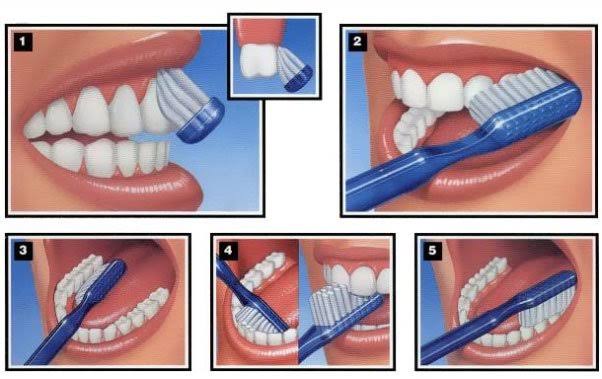
    Are You Supposed To Brush The Roof Of Your Mouth

    Brushing vs. Scraping: Which is Better?

    When it comes to the roof of the mouth and the tongue, there is an ongoing debate between brushing and scraping. Let’s break down the pros and cons to help you decide.

    FeatureBrushing (Toothbrush)Scraping (Tongue Scraper)
    EffectivenessGood for removing loose debrisExcellent for removing thick biofilm
    ComfortFamiliar feel, but can trigger gag reflexOften feels cleaner, less gagging
    Risk of IrritationModerate (if bristles are hard)Low (if used with light pressure)
    Ease of UseHigh (already in hand)Medium (requires separate tool)

    For most people, gentle brushing is sufficient for the hard palate. However, if you suffer from chronic bad breath, incorporating a scraper for the tongue and the very front of the palate might yield better results.

    The Connection to Bad Breath (Halitosis)

    One of the primary reasons people ask, “Are you supposed to brush the roof of your mouth?” is due to persistent bad breath. Halitosis is often caused by volatile sulfur compounds produced by bacteria breaking down food particles and proteins.

    The roof of the mouth, particularly the posterior aspect near the tonsils, can harbor anaerobic bacteria. These bacteria thrive in low-oxygen environments and produce foul-smelling gases. By regularly cleaning this area, you reduce the substrate available for these bacteria, thereby significantly reducing odor.

    A study published in the Journal of Clinical Dentistry noted that mechanical cleaning of oral soft tissues, including the palate and tongue, resulted in a measurable reduction in halitosis compared to tooth brushing alone. This highlights the importance of a holistic approach to oral care.

    Common Mistakes to Avoid

    Even with good intentions, many people make errors when trying to clean their palate. Here are the most common pitfalls:

    1. Using Hard Bristles: Never use a medium or hard-bristled brush on soft tissue. It causes micro-abrasions that can become infected.
    2. Going Too Far Back: Attempting to brush the soft palate often triggers the gag reflex and provides little hygiene benefit. Stick to the hard palate.
    3. Ignoring Frequency: Cleaning the palate once a month is not enough. It should be part of your daily routine, ideally once a day.
    4. Pressing Too Hard: Let the bristles do the work. Pressing hard does not clean better; it only damages tissue.

    Expert Insights and Scientific Context

    To further validate the importance of total oral hygiene, we can look at broader medical resources. The structure of the oral cavity is complex, and maintaining its health is linked to systemic conditions. For more detailed anatomical context, you can refer to the Wikipedia page on the Human Mouth, which outlines the various components and their functions.

    Dentists emphasize that the mouth is the gateway to the body. Poor oral hygiene has been linked to heart disease, diabetes, and respiratory issues. By expanding your cleaning routine to include the roof of your mouth, you are taking a proactive step toward overall wellness.

    FAQ Section

    1. Can I use mouthwash instead of brushing the roof of my mouth?

    Mouthwash is a great adjunct, but it is not a replacement for mechanical cleaning. While antimicrobial rinses kill bacteria, they do not physically remove the biofilm and food debris stuck to the textured surface of the palate. Mechanical cleaning is necessary for thorough hygiene.

    2. Does brushing the roof of my mouth prevent thrush?

    Oral thrush is a fungal infection caused by Candida. While good hygiene helps maintain a balanced oral microbiome, brushing the palate alone cannot prevent thrush if other risk factors (like antibiotic use or a compromised immune system) are present. However, a clean environment is less conducive to fungal overgrowth.

    3. My palate bleeds when I brush it. What should I do?

    Bleeding is a sign of trauma or underlying gum disease. Stop brushing the area immediately and switch to a softer brush. If bleeding persists for more than a few days, consult your dentist. It could indicate gingivitis or a more serious condition.

    4. Is it normal for the roof of my mouth to feel rough?

    Yes, the hard palate has a naturally textured surface with ridges called rugae. This texture helps in manipulating food during chewing. However, if you notice new lumps, sores, or changes in texture, see a dental professional for an evaluation.

    5. How often should I clean the roof of my mouth?

    Ideally, you should clean the roof of your mouth once a day. This can be done during your morning or evening brushing routine. Consistency is key to preventing bacterial buildup.

    Conclusion

    So, are you supposed to brush the roof of your mouth? Yes, you are. But remember, it is about cleaning, not scrubbing. By gently incorporating this step into your daily routine, you can reduce bad breath, lower your bacterial load, and improve your overall oral health.

    Start with a soft-bristled toothbrush, be gentle, and focus on the hard palate. Your mouth—and your breath—will thank you.

    Did you find this guide helpful? Share this article with your friends and family on social media to help them achieve better oral hygiene habits. Together, we can promote healthier smiles and healthier bodies.