Have you ever taken a sip of hot coffee or a bite of pizza, only to feel a sharp, stinging sensation on the roof of your mouth? It is a surprisingly common yet distressing experience that can make eating and drinking uncomfortable. If you are currently dealing with pain on the roof of my mouth when I swallow, you are not alone, and there are clear, medical reasons behind it.
In this comprehensive guide, we will explore why this happens, how to treat it at home, and when it is time to seek professional medical advice. We aim to provide you with actionable, evidence-based information to help you find relief quickly.
Why Does the Roof of My Mouth Hurt When I Swallow?
The roof of your mouth, known medically as the palate, is divided into two parts: the hard palate (front) and the soft palate (back). The soft palate is particularly sensitive because it moves during swallowing to prevent food from entering your nasal cavity. When this area becomes inflamed or injured, the act of swallowing triggers pain receptors.
Understanding the root cause is the first step toward effective treatment. Below, we break down the most frequent culprits based on clinical observations and patient reports.
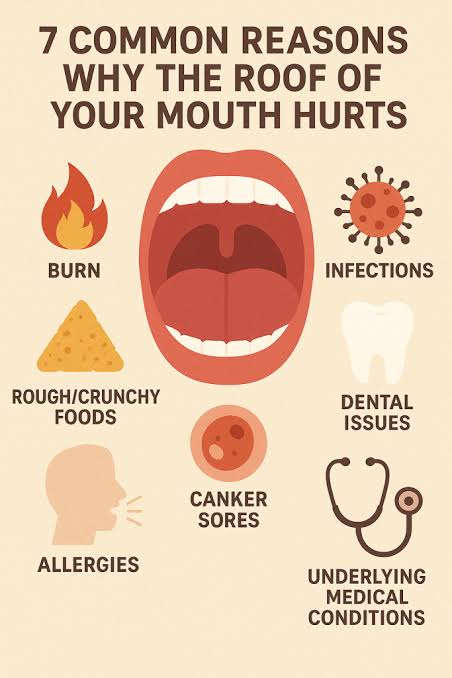
1. Thermal Burns (Pizza Palate)
This is arguably the most common cause. The tissue on the roof of the mouth is delicate. Consuming food or beverages that are too hot—typically above 60°C (140°F)—can cause first-degree burns.
- Symptoms: Redness, blistering, peeling skin, and tenderness.
- Why it hurts to swallow: As the soft palate lifts during swallowing, it stretches the burned tissue, causing sharp pain.
- Recovery Time: Usually 3–7 days.
2. Viral Infections
Several viruses can cause lesions or inflammation in the oral cavity. Herpes Simplex Virus (HSV-1), which causes cold sores, can also manifest inside the mouth. Additionally, Hand, Foot, and Mouth Disease (common in children but possible in adults) causes painful blisters on the palate.
According to the Centers for Disease Control and Prevention (CDC), viral infections often present with systemic symptoms like fever or fatigue alongside oral pain.
3. Canker Sores (Aphthous Ulcers)
These are small, shallow lesions that develop on the soft tissues in your mouth or at the base of your gums. Unlike cold sores, they are not contagious.
- Trigger Factors: Stress, minor injury from dental work, acidic foods, or vitamin deficiencies (B-12, Zinc, Folate).
- Sensation: A burning or tingling sensation before the sore appears, followed by sharp pain when touched or when swallowing.
4. Allergic Reactions
Oral Allergy Syndrome (OAS) can cause itching and swelling in the mouth and throat after eating certain raw fruits, vegetables, or nuts. In severe cases, this inflammation can lead to pain when swallowing.
Immediate Relief: Home Remedies That Work
If you are experiencing mild to moderate discomfort, you can often manage the symptoms at home. Here is a step-by-step approach to soothing the pain.
Step 1: Cool Down the Area
Heat exacerbates inflammation. Switch to cold or room-temperature foods and drinks.
- Recommendation: Suck on ice chips or eat yogurt, pudding, or smoothies. Avoid anything hotter than 30°C (86°F) until the pain subsides.
Step 2: Salt Water Rinse
Salt water is a natural disinfectant and helps reduce swelling.
- Recipe: Mix 1/2 teaspoon of salt into 8 ounces (approx. 240 ml) of warm water.
- Instruction: Swish gently for 30 seconds and spit out. Repeat 3–4 times a day. Do not swallow the solution.
Step 3: Over-the-Counter Pain Relievers
Non-prescription medications can help manage pain and inflammation.
- Options: Ibuprofen (Advil, Motrin) or Acetaminophen (Tylenol).
- Note: Always follow the dosage instructions on the label. Topical oral gels containing benzocaine can also provide temporary numbing relief.
Step 4: Hydrate Properly
Dehydration can worsen mouth pain by reducing saliva production, which is essential for healing.
- Goal: Drink at least 2 liters of water throughout the day. Use a straw if direct contact with the roof of your mouth is too painful.
What to Eat and What to Avoid
Diet plays a crucial role in the healing process. Choosing the right foods can prevent further irritation.
| Food Category | Recommended (Safe) | Avoid (Irritants) |
|---|---|---|
| Temperature | Cold, Room Temp | Hot, Steaming |
| Texture | Soft, Smooth (Mashed potatoes, soup) | Crunchy, Sharp (Chips, toast) |
| Flavor | Mild, Bland | Spicy, Acidic (Citrus, Tomato) |
| Chemicals | Water, Milk | Alcohol, Tobacco, Carbonated Drinks |
When Should You See a Doctor?
While most cases of palate pain resolve on their own within a week, some symptoms indicate a more serious underlying condition. You should consult a healthcare provider if:
- Duration: The pain persists for more than 10–14 days without improvement.
- Severity: The pain is severe enough to prevent you from eating or drinking, leading to dehydration.
- Additional Symptoms: You experience high fever, difficulty breathing, or swollen lymph nodes in the neck.
- Visible Changes: You notice white patches (which could indicate thrush or leukoplakia) or lumps that do not heal.
- Recurrence: You frequently get sores or pain in the same spot, which could indicate an autoimmune issue or chronic infection.
Note: Persistent pain on the roof of the mouth can rarely be a sign of oral cancer. Early detection is key, so never ignore lingering symptoms.
FAQ: Common Questions About Palate Pain
1. Can stress cause pain on the roof of my mouth?
Yes, indirectly. High stress levels can weaken your immune system, making you more susceptible to canker sores and viral outbreaks like herpes. Stress can also lead to teeth grinding (bruxism), which may cause referred pain in the jaw and palate area.
2. Is it safe to pop a blister on the roof of my mouth?
No. Popping a blister increases the risk of bacterial infection and delays healing. Let the blister rupture naturally or absorb on its own. If it is caused by a burn, keep the area clean with salt water rinses.
3. Why does it hurt more when I swallow cold liquids?
If the pain is triggered by cold rather than heat, it might not be a burn. It could indicate nerve sensitivity, a cracked tooth referring pain to the palate, or a specific type of ulcer. If cold sensitivity persists, see a dentist.
4. Can acid reflux cause pain on the roof of my mouth?
Yes. Gastroesophageal Reflux Disease (GERD) can cause stomach acid to travel up the esophagus and reach the back of the throat and soft palate. This acid irritation can cause inflammation and pain, especially in the morning.
5. How long does a burned roof of the mouth take to heal?
Minor thermal burns typically heal within 3 to 7 days. The mouth has a rich blood supply, which promotes faster healing compared to skin elsewhere on the body. Deeper burns may take up to two weeks.
Conclusion
Experiencing pain on the roof of my mouth when I swallow is often a temporary nuisance caused by minor burns, canker sores, or viral infections. By identifying the trigger and applying simple home remedies like salt water rinses and cold compresses, most people find relief within a week.
However, listen to your body. If the pain is severe, persistent, or accompanied by other worrying symptoms, do not hesitate to seek professional medical advice. Your oral health is a window into your overall well-being.
Found this guide helpful? Share it with friends or family who might be suffering from similar discomfort. Stay healthy and eat safely!