Have you ever taken a bite of hot pizza or crunchy chips, only to wince in pain as your tongue touches the top of your mouth? It is a surprisingly common annoyance that can make eating, drinking, and even speaking uncomfortable. If you are asking yourself, “What cause the roof of your mouth to be sore,” you are not alone, and understanding the root issue is the first step toward finding relief.
In this guide, we will break down the most frequent culprits behind palate pain, offer practical home remedies, and explain when it is time to seek professional medical advice. Let’s dive in to get your smile back on track.
Understanding the Anatomy of Palate Pain
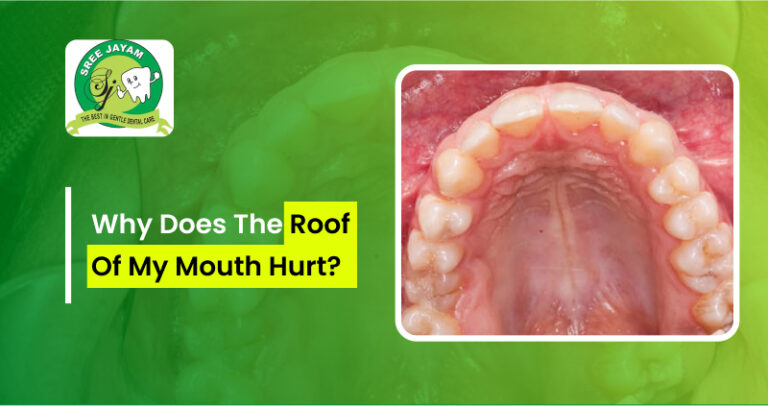
The roof of your mouth, medically known as the palate, is divided into two sections: the hard palate at the front and the soft palate at the back. This area is lined with delicate mucous membranes that are sensitive to temperature, texture, and infection. Because it is constantly exposed to food and drink, it is prone to various types of trauma and irritation.
When patients ask doctors about palate pain, they are often experiencing inflammation or minor tissue damage. While usually temporary, persistent soreness can signal underlying health issues. According to general medical consensus, identifying whether the pain is acute (sudden) or chronic (long-lasting) helps narrow down the diagnosis significantly.
Common Causes of a Sore Roof of the Mouth
To answer the question of what cause the roof of your mouth to be sore, we must look at both external injuries and internal conditions. Here are the primary reasons why your palate might be hurting.
1. Thermal Burns from Hot Food
This is the number one cause of sudden palate pain. Foods like hot cheese, coffee, or soup can reach temperatures that instantly scald the delicate skin on the roof of your mouth.
- Symptoms: Redness, blistering, and a raw, tender feeling.
- Healing Time: Typically 3–7 days.
2. Physical Trauma from Crunchy Foods
Hard foods such as tortilla chips, crusty bread, or popcorn kernels can scratch or abrade the palate. This is often referred to as “pizza palate” when associated with sharp crusts.
- Symptoms: Localized tenderness, minor bleeding, or a rough patch.
- Prevention: Chew slowly and allow sharp foods to soften with saliva before swallowing.
3. Canker Sores (Aphthous Ulcers)
Canker sores are small, shallow lesions that develop on the soft tissues in your mouth or at the base of your gums. Unlike cold sores, they don’t occur on the surface of your lips and aren’t contagious.
- Triggers: Stress, minor injury, acidic foods, or vitamin deficiencies.
- Appearance: White or yellow center with a red border.
4. Oral Thrush (Candidiasis)
Oral thrush is a fungal infection caused by an overgrowth of Candida albicans. It is more common in infants, the elderly, and those with compromised immune systems.
- Symptoms: Creamy white lesions, cotton-like feeling in the mouth, and loss of taste.
- Risk Factors: Antibiotic use, diabetes, or wearing dentures.
5. Allergic Reactions
Food allergies or sensitivities to certain ingredients (such as cinnamon, citrus, or specific preservatives) can cause contact stomatitis, leading to swelling and soreness on the palate.
People Also Ask: Specific Questions Answered
Google’s “People Also Ask” feature highlights what users are truly curious about. Here are detailed answers to those specific queries.
Why Does It Hurt When I Eat Acidic Foods?
If your palate is already compromised due to a minor burn or scratch, acidic foods like tomatoes, oranges, or vinegar-based dressings will sting intensely. The acid irritates the exposed nerve endings in the damaged tissue. It is best to avoid these foods until the tissue has healed completely.
Can Dehydration Cause a Sore Palate?
Yes. Saliva plays a crucial role in protecting the oral mucosa. When you are dehydrated, your mouth becomes dry (xerostomia), reducing the natural lubrication and protective barrier against bacteria and friction. This can lead to a general feeling of soreness or stickiness on the roof of the mouth.
Is a Sore Roof of the Mouth a Sign of Cancer?
While it is natural to worry, oral cancer is rare compared to benign causes like burns or canker sores. However, if you have a sore that does not heal within two weeks, bleeds easily, or is accompanied by a lump, you should see a dentist or doctor immediately. Early detection is key for any oral health issue.
How Do I Know If It’s an Infection?
Signs of infection include:
- Pus or discharge.
- Fever.
- Swelling that spreads to the face or neck.
- Persistent bad breath despite brushing.
If you experience these symptoms, consult a healthcare provider promptly. For more detailed information on oral infections, you can refer to Wikipedia’s page on Oral Health.
Quick Relief: Step-by-Step Home Remedies
If you are dealing with a minor burn or irritation, you can manage the pain at home. Follow these steps for effective relief.
- Cool Down Immediately Sip cold water or suck on ice chips. Avoid extremely cold items if you have sensitivity, but cool temperatures help reduce inflammation. Aim for water at a refreshing, cool temperature (around 10–15°C).
- Salt Water Rinse Mix 1/2 teaspoon of salt into 8 ounces (240 ml) of warm water. Swish this solution around your mouth for 30 seconds and spit it out. This helps clean the area and reduces bacterial load. Repeat 2–3 times a day.
- Honey Application Honey has natural antibacterial and wound-healing properties. Apply a small amount of raw honey directly to the sore spot. Let it sit for a few minutes before rinsing gently.
- Avoid Irritants Stay away from spicy, acidic, or crunchy foods for at least 48 hours. Stick to soft, bland foods like yogurt, mashed potatoes, or smoothies.
- Over-the-Counter Gels Consider using an oral gel containing benzocaine for temporary numbness. Use strictly according to the package instructions.
Comparison: Burn vs. Canker Sore vs. Thrush
It can be tricky to distinguish between different causes. Use this table to help identify your issue.
| Feature | Thermal Burn | Canker Sore | Oral Thrush |
|---|---|---|---|
| Onset | Immediate after eating hot food | Gradual (1-2 days) | Gradual (days to weeks) |
| Appearance | Red, blistered, or peeled skin | Small ulcer with white/yellow center | White patches, creamy lesions |
| Pain Level | Sharp, stinging | Throbbing, sensitive to touch | Mild discomfort, burning sensation |
| Contagious? | No | No | Yes (can spread via contact) |
| Healing Time | 3–7 days | 1–2 weeks | Requires treatment |
When to See a Doctor
While most cases of palate soreness resolve on their own, you should seek professional care if:
- The pain persists for more than two weeks.
- You have difficulty swallowing or breathing.
- You notice unexplained weight loss.
- You have a high fever accompanying the mouth sore.
- Over-the-counter remedies provide no relief.
Dentists and primary care physicians can perform a visual exam and, if necessary, take a swab to test for fungal or bacterial infections.
FAQ Section
1. How long does a burnt roof of the mouth take to heal?
Most minor thermal burns heal within 3 to 7 days. The mouth has a rich blood supply, which promotes faster healing than skin on other parts of the body. Keep the area clean and avoid further irritation to speed up the process.
2. Can stress cause sores on the roof of my mouth?
Indirectly, yes. Stress weakens the immune system, making you more susceptible to canker sores and viral outbreaks like cold sores. Additionally, stress can lead to habits like teeth grinding or cheek biting, which may cause accidental trauma to the palate.
3. Is it safe to pop a blister on the roof of my mouth?
No. Popping a blister can introduce bacteria into the open wound, leading to infection. It also delays healing. Let the blister rupture naturally or reabsorb into the body. If it is large and painful, see a dentist for safe drainage.
4. What vitamins help heal mouth sores?
Deficiencies in Vitamin B12, Iron, Folate, and Zinc are linked to recurrent canker sores. Ensuring a balanced diet or taking supplements (under medical guidance) can help prevent future occurrences.
5. Can toothpaste cause a sore roof of the mouth?
Yes, some people are sensitive to sodium lauryl sulfate (SLS), a foaming agent found in many toothpastes. Switching to an SLS-free toothpaste may reduce irritation and frequency of sores.
Conclusion
Dealing with a sore roof of the mouth is uncomfortable, but in most cases, it is temporary and manageable. By understanding what cause the roof of your mouth to be sore—whether it’s a simple pizza burn, a canker sore, or a fungal infection—you can take the right steps to heal quickly. Remember to keep your mouth clean, stay hydrated, and avoid irritants while your tissue repairs itself.
If you found this guide helpful, please share it with friends or family who might be suffering from similar discomfort. A quick share on social media could help someone find the relief they need today!