Tag: Homeowners Insurance Discounts

  • New Roof Insurance Savings: What to Expect

    New Roof Insurance Savings: What to Expect

    Replacing a roof is one of the most significant investments a homeowner can make. It is not just about protecting your family from the elements; it is also a strategic financial move that can lower your ongoing housing costs. Many homeowners are surprised to learn that how much does a new roof save on homeowners insurance can vary significantly, often resulting in substantial annual premium reductions.

    If you are staring at an aging roof or dealing with recent storm damage, understanding the insurance implications is crucial. This guide will walk you through the potential savings, the factors that influence them, and how to maximize your return on investment when upgrading your home’s primary defense system.

    Why Do Insurance Companies Offer Discounts for New Roofs?

    To understand the savings, you must first understand the insurer’s perspective. Insurance companies operate on risk assessment. An old roof is a liability; a new roof is an asset.

    Reducing the Risk of Claims

    Older roofs are prone to leaks, wind damage, and structural failure. According to industry data, roof-related claims are among the most frequent and expensive payouts for insurers. By installing a new roof, you drastically reduce the likelihood of filing a claim. Insurers pass these reduced risk costs back to you in the form of lower premiums.

    Enhancing Home Durability

    Modern roofing materials are engineered to withstand extreme weather conditions better than those used decades ago. Whether it is impact-resistant shingles or fire-retardant tiles, new materials offer superior protection. This durability translates directly into financial savings for both the insurer and the homeowner.

    How Much Does a New Roof Save on Homeowners Insurance?

    The million-dollar question—or rather, the thousand-dollar question—is the specific amount you can expect to save. While there is no single fixed number, industry standards provide a clear range.

    Typical Discount Percentages

    Most insurance carriers offer discounts ranging from 10% to 20% on your homeowners insurance premium for a new roof. In some cases, if you install high-impact resistant materials in hurricane-prone areas, this discount can go up to 30%.

    Calculating Your Potential Savings

    Let’s look at a concrete example. If your annual homeowners insurance premium is $2,500:

    • A 10% discount saves you $250 per year.
    • A 20% discount saves you $500 per year.
    • Over a 10-year period, a 20% discount could save you $5,000, which helps offset the initial cost of the roof replacement.

    Note: These figures are estimates. Your actual savings depend on your location, insurance carrier, and the specific materials used.

    Factors That Influence Your Insurance Discount

    Not all new roofs are created equal in the eyes of an insurance adjuster. Several key factors determine the size of your discount.

    1. Age of the Roof

    Most insurers require the roof to be less than 10–15 years old to qualify for the “new roof” discount. Some companies may offer smaller discounts for roofs up to 20 years old, provided they are in excellent condition.

    2. Type of Roofing Material

    The material you choose plays a pivotal role. Here is a comparison of common materials and their typical insurance impact:

    Material TypeDurabilityInsurance ImpactEstimated Discount Potential
    Asphalt ShinglesModerateStandard10–15%
    Metal RoofingHighHigh (Wind/Fire Resistant)15–25%
    Clay/Concrete TilesVery HighHigh (Fire Resistant)15–20%
    SlateExtremely HighPremium20–30%
    Impact-Resistant ShinglesHighVery High (Hail/Wind)20–35%

    3. Location and Weather Risks

    If you live in an area prone to hurricanes, hail, or wildfires, insurers place a higher value on impact-resistant and fire-rated materials. For more context on how different regions assess risk, you can refer to general climate data on Wikipedia.

    4. Insurance Carrier Policies

    Each insurance company has its own underwriting guidelines. Some carriers are more generous with roofing discounts than others. It is essential to shop around and ask specific questions about their roofing credits.
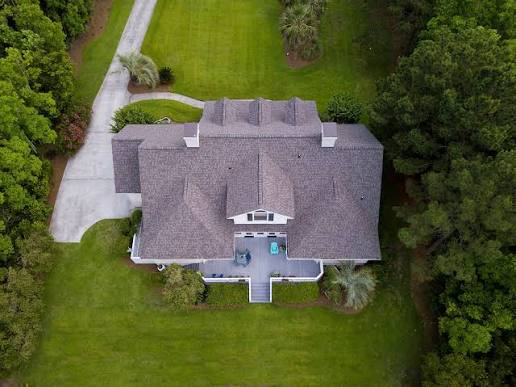
    How Much Does A New Roof Save On Homeowners Insurance

    Steps to Claim Your New Roof Insurance Discount

    Getting the discount isn’t automatic. You need to proactively inform your insurer and provide proof of the upgrade. Follow these steps to ensure you receive your savings.

    Step 1: Hire a Licensed Contractor

    Ensure your roofing contractor is licensed, bonded, and insured. Unlicensed work may void your warranty and disqualify you from insurance discounts. Keep all contracts and receipts.

    Step 2: Obtain Necessary Permits

    Most local jurisdictions require permits for roof replacements. Having official permits proves that the work was done to code, which insurers love to see.

    Step 3: Document the Installation

    Take photos of the installation process, especially the underlayment and flashing details. Once completed, take high-quality photos of the finished roof from multiple angles.

    Step 4: Request a Roof Certification

    Many roofing companies offer a certification letter stating the date of installation, materials used, and expected lifespan. This document is gold for insurance agents.

    Step 5: Contact Your Insurance Agent

    Do not wait for your renewal notice. Call your agent immediately after the roof is installed. Provide them with:

    • The invoice showing the date of completion.
    • The manufacturer’s warranty information.
    • Photos of the new roof.
    • Any inspection reports or certifications.

    Step 6: Verify the Adjustment

    Ask for a written confirmation of the new premium rate. Check your next bill to ensure the discount has been applied correctly.

    Common Mistakes Homeowners Make

    Avoid these pitfalls to ensure you maximize your savings.

    • Assuming It’s Automatic: Insurers won’t know you have a new roof unless you tell them. Silence means no discount.
    • Choosing Cheap Materials: Opting for the lowest bid might save money upfront but could result in lower insurance discounts and higher long-term maintenance costs.
    • Ignoring Local Codes: Failing to pull permits can lead to fines and insurance issues later. Always follow local building codes.

    FAQ Section

    Q1: Will a new roof always lower my insurance premium?

    A: In most cases, yes. However, if your overall risk profile increases due to other factors (like adding a swimming pool or having a prior claim history), the base rate might rise, but the roof discount should still apply to the calculation.

    Q2: Do I need to replace the entire roof to get the discount?

    A: Generally, yes. Most insurers require a full replacement to qualify for the maximum “new roof” discount. Minor repairs or partial replacements may not trigger the same level of savings, though they might help maintain your current rate.

    Q3: How long does the discount last?

    A: The discount typically lasts as long as the roof is considered “new” by the insurer, usually 10–15 years. After that, the discount may decrease or disappear until the roof is replaced again.

    Q4: Can I switch insurance companies to get a better roof discount?

    A: Absolutely. If your current insurer offers a low discount, shopping around is wise. New customers often receive competitive rates, and some companies specialize in discounts for updated homes.

    Q5: Does the color of the roof affect insurance savings?

    A: Indirectly. Lighter-colored roofs can reflect heat, potentially reducing energy costs and wear on the structure, but insurance discounts are primarily based on material durability and impact resistance rather than color.

    Q6: What if my roof is damaged by a storm before I replace it?

    A: File a claim for the damage. If the insurance company pays for the replacement, you will still benefit from having a new roof afterward, which will lower your future premiums. Ensure the contractor uses materials that qualify for discounts.

    Conclusion

    Investing in a new roof is about more than just curb appeal; it is a smart financial strategy that enhances your home’s safety and value. By understanding how much does a new roof save on homeowners insurance, you can make informed decisions that protect your budget for years to come. With potential savings of 10–30% on your annual premiums, the return on investment is clear.

    Remember to document every step of the process, choose high-quality materials, and communicate proactively with your insurance provider. Your future self—and your wallet—will thank you.

    Found this guide helpful? Share it with your friends on social media who are considering a home upgrade!
  • How Much Will A New Roof Lower My Homeowners Insurance?

    How Much Will A New Roof Lower My Homeowners Insurance?

    Dealing with an aging roof is stressful enough without worrying about the financial implications. Many homeowners ask themselves, “How much will a new roof lower my homeowners insurance?” because they hope to offset some of the significant installation costs through premium savings. In this guide, we will break down exactly what you can expect in terms of discounts, how insurers calculate these rates, and the steps you need to take to ensure you get every dollar of savings you deserve.


    Understanding the Connection Between Roof Age and Insurance Rates

    Insurance companies view your roof as the first line of defense against weather-related claims. An old or damaged roof increases the risk of water damage, structural issues, and liability claims. Consequently, insurers often charge higher premiums for homes with roofs older than 15–20 years.

    When you install a new roof, you are essentially de-risking your property in the eyes of the insurer. This reduction in risk is what triggers potential discounts. However, it is crucial to understand that a new roof does not automatically guarantee a massive drop in your bill. The savings depend on several factors, including your location, the type of roofing material, and your specific insurance carrier’s policies.

    Average Savings: What Do the Numbers Say?

    While there is no one-size-fits-all answer, industry data suggests that homeowners can typically expect a discount ranging from 5% to 30% on their homeowners insurance premiums after installing a new roof.

    • Standard Asphalt Shingles: You might see a modest discount of 5% to 10%. These are common and relatively inexpensive, so the risk reduction is viewed as standard maintenance.
    • Impact-Resistant or Metal Roofs: If you upgrade to Class 4 impact-resistant shingles or metal roofing, discounts can jump to 20% to 30%. These materials are proven to withstand hail, high winds, and debris better than traditional options.

    Note: In hurricane-prone states like Florida or Texas, the savings can be even more substantial due to strict building codes and higher baseline risks. Some carriers offer specific “wind mitigation” credits that significantly lower premiums.

    Factors That Influence Your Discount Percentage

    Not all new roofs are created equal in the eyes of an underwriter. Here are the key variables that determine how much you will save:

    1. Roofing Material Quality

    Insurers favor materials that have high wind ratings and fire resistance. For example, clay tiles, slate, and metal roofs often qualify for higher discounts because they last longer and resist damage better than basic three-tab asphalt shingles.

    2. Local Weather Risks

    If you live in an area prone to hailstorms, hurricanes, or heavy snowfall, your insurer places a higher value on a durable, new roof. In low-risk areas, the discount might be smaller because the likelihood of roof-related claims was already low.

    3. Insurance Carrier Policies

    Each insurance company has its own algorithm for calculating discounts. Some carriers are more aggressive in rewarding home improvements, while others may offer only nominal reductions. It is always wise to shop around or ask your current agent for a “re-quote” after installation.

    4. Professional Installation and Certification

    A roof installed by a licensed, insured contractor with proper permits carries more weight than a DIY job or an unlicensed repair. Many insurers require proof of professional installation to apply any discount.

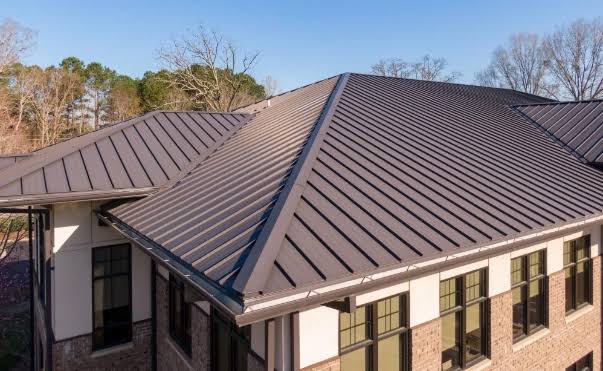
    How Much Will A New Roof Lower My Homeowners Insurance

    Step-by-Step Guide to Securing Your Insurance Discount

    To ensure you receive the maximum possible reduction in your premium, follow these concrete steps:

    1. Consult Your Agent Before Installation: Ask your current insurer what specific materials or certifications qualify for discounts. Get this information in writing if possible.
    2. Choose High-Rated Materials: Opt for shingles with a UL 2218 Class 4 impact rating or FM Approvals for wind resistance. These certifications are universally recognized by insurers.
    3. Hire a Licensed Contractor: Ensure your roofer provides a detailed invoice, proof of license, and warranty information.
    4. Obtain a Roof Certification: After installation, ask your roofer for a certificate of completion or a roof certification document. This serves as official proof of the roof’s age and condition.
    5. Submit Documentation to Your Insurer: Send the invoice, photos of the new roof, and the certification to your insurance provider. Do not assume they will know automatically; you must initiate the update.
    6. Request a Re-inspection: Some insurers may want to send an adjuster to verify the installation. Cooperate fully to speed up the process.

    Comparative Analysis: Old Roof vs. New Roof Impact

    FeatureOld Roof (15+ Years)New Roof (0–5 Years)
    Risk LevelHighLow
    Premium CostHigher (or non-renewable)Lower (eligible for discounts)
    Claim ApprovalScrutinized heavilySmoother processing
    Market ValueDecreases home appealIncreases home resale value
    MaintenanceFrequent repairs neededMinimal maintenance required

    The Role of Wind Mitigation Credits

    In many states, particularly along the Gulf and Atlantic coasts, wind mitigation is a critical component of insurance pricing. A wind mitigation inspection evaluates specific features of your roof, such as:

    • Roof covering type
    • Roof deck attachment
    • Secondary water resistance
    • Roof-to-wall connections
    • Opening protection (windows/doors)

    If your new roof includes enhanced wind-resistant features, you may qualify for additional credits beyond the standard new roof discount. According to Wikipedia, wind mitigation techniques are proven to reduce structural damage during severe weather events, which is why insurers incentivize them heavily.

    Common Mistakes Homeowners Make

    • Assuming Automatic Updates: Failing to notify your insurer means you continue paying higher premiums unnecessarily.
    • Ignoring Local Codes: Not meeting local building codes can void potential discounts and even lead to policy cancellation.
    • Choosing the Cheapest Option: Opting for low-quality materials to save money upfront may result in lower insurance discounts and higher long-term maintenance costs.

    FAQ Section

    Q1: Will a new roof definitely lower my insurance premium?

    A: While highly likely, it is not guaranteed. Most major insurers offer discounts for new roofs, but the amount varies. In rare cases, if you switch to a more expensive material that costs more to replace, your dwelling coverage limit might increase, potentially offsetting the discount. Always ask for a quote comparison before finalizing your roofing choice.

    Q2: How long do I have to wait to get the discount?

    A: You can usually apply for the discount immediately after the roof is installed and you have the necessary documentation. There is no waiting period, but processing the paperwork with your insurer may take a few weeks.

    Q3: Does the type of shingle matter for the discount?

    A: Yes, significantly. Standard architectural shingles may yield a 5–10% discount, while impact-resistant (Class 4) shingles or metal roofs can yield 20–30%. Always check with your insurer for their preferred materials list.

    Q4: Can I get a discount if I only repair part of my roof?

    A: Generally, no. Most insurers require a full roof replacement to qualify for the “new roof” discount. Partial repairs may help avoid a non-renewal notice, but they rarely trigger a premium reduction unless the repair involves upgrading the entire system’s wind resistance.

    Q5: Will my home value increase with a new roof?

    A: Absolutely. Beyond insurance savings, a new roof boosts curb appeal and market value. Real estate experts estimate that a new roof can provide a return on investment (ROI) of 60–70% at resale, making it one of the best home improvement projects for value retention.

    Q6: What documents do I need to prove my roof is new?

    A: You typically need the final invoice from the roofing contractor, a copy of the manufacturer’s warranty, and possibly a certificate of completion. Some insurers may also accept a recent home inspection report that verifies the roof’s condition and age.


    Conclusion

    So, how much will a new roof lower my homeowners insurance? While the exact figure depends on your location and materials, you can reasonably expect savings between 5% and 30%. Beyond the immediate financial relief on your monthly bills, a new roof offers peace of mind, increased home value, and better protection against severe weather.

    Don’t let the upfront cost deter you. By choosing the right materials and proactively communicating with your insurance provider, you can turn a necessary home maintenance task into a smart financial investment.

    Found this guide helpful? Share it with your friends on Facebook or Twitter who are considering a roof replacement. Helping others save money is always a good deed!