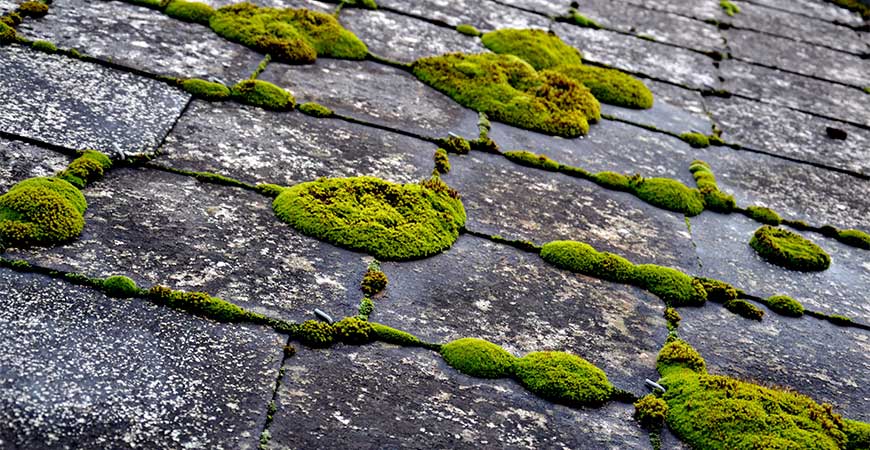
Finding green patches spreading across your shingles can be alarming, not just for your home’s curb appeal but for your wallet. Many homeowners panic, asking themselves the critical question: If My Roof Has Moss Does Homeowner Warranty Cover It? The short answer is often complex, but understanding the distinction between maintenance and sudden damage is key to saving money. In this guide, we will break down exactly what is covered, what isn’t, and how you can handle moss before it becomes a costly disaster.
Understanding the Difference: Warranty vs. Insurance
Before diving into the specifics of moss coverage, it is vital to clarify a common misconception. Most people confuse homeowners insurance with a home warranty. These are two entirely different products serving different purposes.
Homeowners insurance typically covers sudden, accidental events like storm damage, fire, or falling trees. A home warranty, on the other hand, is a service contract that covers the repair or replacement of major home systems and appliances due to normal wear and tear.
However, roofs are a unique category. Standard home warranties rarely cover the entire roof structure. Instead, they might offer limited “roof leak” coverage as an add-on. Even then, the presence of moss introduces a layer of complexity regarding negligence and maintenance.
Why Moss Is Considered a Maintenance Issue
Moss does not appear overnight. It grows slowly over months or years due to moisture, shade, and lack of sunlight. Because its growth is gradual, insurance companies and warranty providers classify it as a maintenance issue.
According to general industry standards, homeowners are expected to perform regular upkeep. If damage results from a failure to maintain the property, coverage is usually denied. This is why knowing if my roof has moss does homeowner warranty cover it often leads to a “no,” unless specific conditions are met.
Does a Home Warranty Cover Moss Removal?
The direct answer is generally no. Most standard home warranty contracts explicitly exclude cosmetic issues and routine maintenance tasks. Moss removal falls squarely into the category of routine maintenance.
What Standard Contracts Say
When you read the fine print of a typical home warranty provider (such as American Home Shield or Choice Home Warranty), you will find clauses related to “pre-existing conditions” and “lack of maintenance.”
- Cosmetic Exclusions: Moss is often viewed as a cosmetic blemish until it causes structural damage.
- Preventative Care: Removing moss is considered preventative care, which is the homeowner’s responsibility, not the warranty company’s.
However, if the moss has caused a leak and you have purchased a specific Roof Leak Protection add-on, the scenario changes slightly. The warranty might cover the cost to repair the leak itself, but they will likely still refuse to pay for the moss removal or the replacement of the shingles damaged by the moss’s long-term presence.
Will Homeowners Insurance Pay for Moss Damage?
If a home warranty won’t touch it, will your homeowners insurance step in? Unfortunately, the outlook is similar but for different reasons.
Insurance policies are designed to cover sudden and accidental perils. Moss growth is neither sudden nor accidental; it is a gradual process. Therefore, most standard HO-3 policies (the most common type of homeowners insurance) will deny a claim for moss removal or damage caused directly by moss accumulation.
The “Neglect” Clause
Insurance adjusters look for signs of neglect. If they see thick layers of moss, they may argue that the homeowner failed to mitigate known risks. Wikipedia provides a detailed overview of how standard home insurance policies define covered perils versus exclusions, highlighting that gradual deterioration is almost universally excluded.
| Feature | Home Warranty | Homeowners Insurance |
|---|---|---|
| Primary Focus | Systems & Appliances (Wear & Tear) | Sudden Accidents & Disasters |
| Moss Removal | Not Covered (Maintenance) | Not Covered (Gradual Damage) |
| Leak Repair | Possibly (with Add-on) | Possibly (if sudden cause) |
| Shingle Replacement | Rarely | Only if storm/wind damaged |
When Might You Get Coverage?
While the general rule is exclusion, there are nuanced scenarios where you might receive some financial assistance.
1. The Leak Connection
If you have a roof leak endorsement on your home warranty, and the moss has trapped moisture leading to a leak, the warranty might cover the interior water damage repair or the patching of the leak source. However, they will likely deduct the cost of the moss cleanup from your payout or require you to clean it first.
2. Storm Damage Synergy
If a heavy storm blows off shingles that were already weakened by moss, your homeowners insurance might cover the storm damage. They will pay for the wind damage, but they may cite “betterment” clauses, meaning they won’t pay to upgrade your roof or fix pre-existing moss rot.
3. New Roof Warranties
If your roof is new, it might be under a manufacturer’s warranty or a workmanship warranty from the roofing contractor. Some high-end shingle manufacturers offer algae and moss resistance guarantees. Check your original installation documents. If the shingles were advertised as “algae-resistant” and failed prematurely, the manufacturer might cover the replacement.
How to Prevent and Remove Moss Safely
Since coverage is unlikely, the best strategy is proactive management. Here is a step-by-step guide to handling moss without voiding any existing warranties or damaging your roof.
Step 1: Safety First
Never walk on a wet, mossy roof. It is incredibly slippery. Use a sturdy ladder with stabilizers and wear rubber-soled shoes. If the roof is steep, hire a professional.
Step 2: The Gentle Cleaning Method
Avoid pressure washing, which can strip the granules off asphalt shingles and void manufacturer warranties. Instead, use a chemical treatment.
- Mix Solution: Combine 50% water and 50% bleach, or use a specialized roof moss killer containing zinc sulfate.
- Apply: Use a garden sprayer to apply the solution evenly over the mossy areas. Do not rinse immediately.
- Wait: Let the solution sit for 15–20 minutes. The moss will turn orange or brown, indicating it is dying.
- Rinse Gently: Use a low-pressure hose to gently rinse the dead moss away. Work from the top down to avoid forcing water under the shingles.
Step 3: Install Zinc Strips
For long-term prevention, install zinc or copper strips near the roof ridge. When it rains, tiny particles of metal wash down the roof, creating an environment where moss cannot grow. This is a cost-effective, one-time investment that protects your roof for years.
FAQ Section
1. Can I claim moss removal as a medical necessity if I have allergies?
No. Home warranties and insurance policies do not cover environmental hazards or health-related maintenance issues. Moss removal remains a structural maintenance task regardless of health impacts.
2. Does trimming trees help prevent moss?
Yes. Moss thrives in shade and dampness. Trimming overhanging branches allows more sunlight to hit your roof, drying out the surface and making it less hospitable for moss growth. This is a highly recommended preventative measure.
3. Will removing moss myself void my roof warranty?
It can, if you use high-pressure washing or harsh chemicals not approved by the shingle manufacturer. Always check your shingle manufacturer’s maintenance guidelines before applying any treatments. Using soft-wash techniques is usually safe.
4. How often should I inspect my roof for moss?
You should inspect your roof at least twice a year, ideally in spring and fall. Look for dark patches or green growth, especially on the north-facing side of your home where sunlight is scarce.
5. Is there a specific type of home warranty that covers roofs?
Some premium home warranty plans offer “Roof Leak” coverage as an optional add-on. While this does not cover moss removal, it may cover the repair costs if the moss leads to a leak. Always read the exclusions carefully.
6. What is the average cost of professional moss removal?
Professional moss removal typically costs between $300 and $600, depending on the roof size and severity of the growth. While this seems high, it is significantly cheaper than replacing a roof section damaged by rot.
Conclusion
So, if my roof has moss does homeowner warranty cover it? In most cases, the answer is no. Both home warranties and homeowners insurance view moss as a maintenance issue resulting from gradual wear and environmental factors, rather than a sudden, covered peril.
However, this doesn’t mean you are helpless. By understanding the limitations of your coverage, you can take proactive steps to protect your investment. Regular inspections, gentle cleaning methods, and preventive measures like zinc strips can save you thousands in the long run. Don’t wait for a leak to appear; address moss early to keep your home safe and your wallet happy.
If you found this guide helpful, please share it with your neighbors on social media. Many homeowners are unaware of these distinctions, and spreading knowledge can help everyone protect their homes better!