Choosing a new roof is one of the most significant investments you will make as a homeowner. It protects your family from the elements, defines your home’s curb appeal, and significantly impacts your property value. However, standing in the aisle of a hardware store or scrolling through contractor websites can feel overwhelming when you are trying to decide which type of roofing shingles to put on your house.
You are not alone in this dilemma. With so many materials, styles, and price points available, making the wrong choice can lead to costly repairs or premature replacement. This guide breaks down the top contenders in the roofing market, helping you balance durability, aesthetics, and cost to make an informed decision that stands the test of time.
Why Does Shingle Material Matter?
Before diving into specific types, it is crucial to understand that your roof does more than just keep the rain out. It acts as a thermal barrier, influences your home’s energy efficiency, and serves as the first line of defense against wind, hail, and fire.
The material you choose dictates how often you will need to perform maintenance. For instance, some materials require annual inspections and treatments, while others are virtually maintenance-free for decades. Furthermore, local building codes and homeowners association (HOA) rules may restrict your choices. Always check these regulations before finalizing your decision.
Asphalt Shingles: The Popular Choice
Asphalt shingles remain the most common roofing material in North America, covering approximately 80% of homes. Their popularity stems from their affordability, ease of installation, and wide variety of styles.
Types of Asphalt Shingles
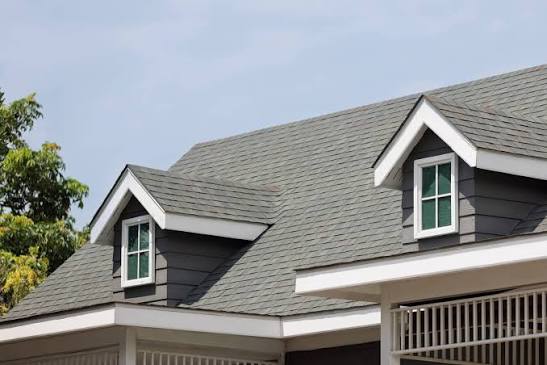
- 3-Tab Asphalt Shingles: These are the most basic and economical option. They have a flat appearance with cutouts (tabs) that create a shadow line. While budget-friendly, they typically last only 15–20 years and offer less wind resistance.
- Architectural (Dimensional) Shingles: These are thicker and heavier than 3-tab shingles. They are designed to mimic the look of wood shakes or slate. Architectural shingles generally last 24–30 years and provide better durability against high winds.
- Luxury (Premium) Shingles: These are the highest quality asphalt shingles available. They are thick, heavy, and offer the most realistic imitation of natural slate or cedar. They can last up to 50 years but come with a higher price tag.
Pros:
- Lowest upfront cost.
- Wide range of colors and styles.
- Easy to repair and replace individual shingles.
Cons:
- Shorter lifespan compared to metal or slate.
- Susceptible to algae growth in humid climates.
- Not the most eco-friendly option due to petroleum content.
Metal Roofing: Durability Meets Efficiency
If you are looking for longevity, metal roofing is a top contender. Often made from steel, aluminum, copper, or zinc, metal roofs are gaining popularity for their resilience and modern aesthetic.
Key Benefits
Metal roofs reflect solar radiant heat, which can reduce cooling costs by 10–25%. They are also non-combustible and highly resistant to wind uplift. According to industry data, a properly installed metal roof can last 40–70 years, significantly outlasting asphalt.
Pros:
- Exceptional lifespan.
- High resistance to extreme weather.
- Eco-friendly (often made from recycled materials and fully recyclable).
Cons:
- Higher initial cost (2–3 times that of asphalt).
- Can be noisy during rain or hail without proper insulation.
- Requires specialized installers, which can limit contractor options.
Wood Shakes and Shingles: Natural Beauty
For homeowners seeking a rustic, organic look, wood shakes (hand-split) and shingles (machine-cut) offer unmatched charm. Typically made from cedar, redwood, or southern pine, these roofs age beautifully, turning a silvery gray over time.
Maintenance Considerations
Wood requires more maintenance than other materials. It is susceptible to mold, rot, and insect damage if not treated regularly. In dry climates, fire resistance is a major concern; many areas require fire-retardant treatments for wood roofs.
Pros:
- Natural insulation properties.
- Unique, high-end aesthetic.
- Biodegradable and sustainable if sourced responsibly.
Cons:
- High maintenance requirements.
- Vulnerable to moisture and fire.
- Higher cost than asphalt.
Slate and Tile: The Premium Options
Slate and clay/concrete tiles are often found in high-end homes or regions with specific architectural styles, such as Spanish or Mediterranean.
Slate Roofing
Natural slate is arguably the most durable roofing material available, with a lifespan exceeding 100 years. It is fireproof, waterproof, and incredibly elegant. However, it is extremely heavy, requiring reinforced roof framing, and very expensive to install.
Clay and Concrete Tiles
These tiles are excellent for hot climates as they absorb little heat. They are heavy and brittle, meaning walking on them can cause breakage. Like slate, they require a strong structural support system.
Pros:
- Unmatched durability and lifespan.
- Fire-resistant and low maintenance.
- Distinctive, luxurious appearance.
Cons:
- Very high cost.
- Heavy weight requires structural assessment.
- Fragile; difficult to repair if broken.
Comparison Table: Quick Overview
To help you visualize the differences, here is a quick comparison of the primary roofing materials:
| Material | Avg. Lifespan | Cost Level | Maintenance | Best For |
|---|---|---|---|---|
| Asphalt | 15–30 Years | Low | Low | Budget-conscious homeowners |
| Metal | 40–70 Years | Medium-High | Low | Long-term value seekers |
| Wood | 20–40 Years | Medium | High | Rustic aesthetics |
| Slate/Tile | 50–100+ Years | High | Low | Luxury & historic homes |
How Climate Impacts Your Choice
Your local weather patterns should play a decisive role in which type of roofing shingles to put on your house.
- Hot Climates: Light-colored metal or clay tiles reflect heat effectively, keeping your home cooler. Dark asphalt shingles can absorb heat, increasing cooling bills.
- Windy Areas: Look for shingles with high wind ratings (Class F or H). Metal roofs and architectural asphalt shingles perform well here.
- Humid Regions: Avoid wood unless you are committed to rigorous maintenance. Algae-resistant asphalt shingles (with copper granules) are a smart choice to prevent black streaks.
- Hail-Prone Zones: Impact-resistant asphalt shingles (Class 4 rating) or metal roofing are recommended to prevent denting and cracking.
For more detailed information on material properties and sustainability, you can refer to general resources on building materials to understand the broader context of construction standards.
Step-by-Step Guide to Choosing Your Shingles
- Assess Your Budget: Determine not just the installation cost, but the long-term value. A cheaper roof may cost more in replacements over 30 years.
- Check Local Codes: Verify HOA rules and municipal building codes regarding material restrictions and fire ratings.
- Evaluate Your Roof Structure: If you want slate or tile, hire a structural engineer to ensure your framing can support the weight.
- Consider Resale Value: Neutral colors and popular materials like architectural asphalt or metal often appeal to a broader range of buyers.
- Get Multiple Quotes: Obtain at least three quotes from licensed and insured contractors. Ask for references and view past projects.
Frequently Asked Questions (FAQ)
Q: What is the cheapest roofing shingle option?
A: 3-tab asphalt shingles are generally the cheapest option upfront. However, architectural asphalt shingles offer better value over time due to their longer lifespan and improved durability.
Q: Can I install a new roof over my old one?
A: In many cases, yes. This is called a “roof-over.” However, it depends on local building codes and the condition of the existing roof deck. Most contractors recommend removing the old roof to inspect for damage and ensure proper ventilation.
Q: How do I know if my shingles are failing?
A: Look for curling edges, missing granules (found in gutters), cracked shingles, or dark streaks indicating algae. If your roof is older than 20 years, it is wise to have a professional inspection.
Q: Are metal roofs noisy when it rains?
A: No, not when installed correctly. Modern metal roofing systems include solid sheathing and insulation that dampen sound, making them no louder than traditional roofs during rainstorms.
Q: Which shingle color makes a house look bigger?
A: Lighter colors tend to make a home appear larger and more open, while darker colors can make a large house feel more grounded and cozy. Choose a color that complements your siding and trim for a cohesive look.
Conclusion
Deciding which type of roofing shingles to put on your house is a balance of aesthetics, budget, and practicality. While asphalt shingles offer an affordable and versatile solution for most homeowners, metal roofing provides superior longevity and energy efficiency. For those seeking luxury and timeless beauty, slate and wood remain unparalleled, provided the budget and maintenance commitment align.
Take your time to evaluate your specific needs. Consult with trusted local contractors, consider your climate, and think about how long you plan to stay in your home. A well-chosen roof not only protects your investment but also enhances your daily living experience.
If you found this guide helpful, please share it on social media to help friends and family make smarter roofing decisions!