Have you ever taken a bite of piping hot pizza or sipped scalding coffee, only to feel that sharp, stinging pain on the roof of your mouth? It is a universally frustrating experience that can ruin your meal and leave you uncomfortable for days. If you are currently wincing and asking, “Burnt the roof of my mouth what can I do,” you are not alone, and there are effective ways to manage the pain and accelerate healing.
In this guide, we will walk you through immediate first aid, proven home remedies, and warning signs that indicate you need professional medical attention. We combine dental expertise with practical, easy-to-follow steps to get you back to enjoying your food without fear.
Immediate First Aid: What to Do Right After the Burn
The seconds and minutes immediately following a thermal injury to your palate are critical. The tissue on the roof of your mouth (the hard and soft palate) is delicate and highly vascular, meaning it has many blood vessels. This makes it sensitive but also capable of healing relatively quickly if treated correctly.
1. Cool It Down Immediately
Do not ignore the heat. As soon as you realize you have burned your mouth, stop eating or drinking the hot substance.
- Sip Cold Water: Take small sips of cold water. Ideally, use water at a temperature between 4°C and 10°C (39°F–50°F). Hold the water in your mouth over the affected area for 10–15 seconds before swallowing. This helps dissipate the residual heat trapped in the tissue.
- Avoid Ice Cubes Directly: While ice seems logical, placing a frozen ice cube directly against a fresh burn can cause further tissue damage due to extreme cold shock. Stick to cool liquids or let ice chips melt slightly before applying.
2. Assess the Severity
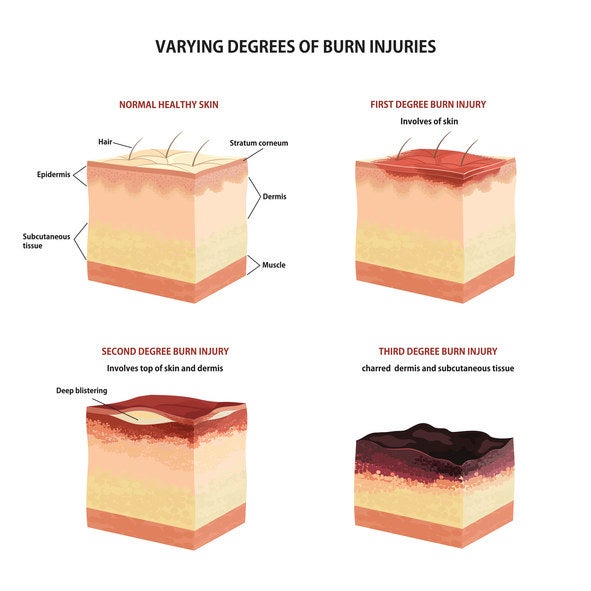
Not all burns are created equal. Understanding the degree of your burn helps determine your next steps.
| Burn Degree | Symptoms | Expected Healing Time | Action Required |
|---|---|---|---|
| First-Degree | Redness, mild swelling, minor pain. No blisters. | 3–7 days | Home care, soft diet. |
| Second-Degree | Blisters, severe pain, significant swelling. | 1–2 weeks | Home care, monitor for infection. |
| Third-Degree | White or charred skin, numbness (nerve damage). | Several weeks | Seek immediate medical help. |
Most kitchen-related incidents are first-degree or mild second-degree burns. If you see large blisters or experience numbness, consult a healthcare provider.
Effective Home Remedies to Soothe Pain and Speed Healing
Once the initial heat is gone, the goal shifts to reducing inflammation and preventing infection. Here are the most effective, science-backed remedies you can find in your kitchen or medicine cabinet.
Honey: The Natural Healer
Honey is not just a sweetener; it is a powerful antimicrobial and anti-inflammatory agent. Studies have shown that honey can promote wound healing and reduce pain in oral mucositis (inflammation of the mouth lining).
- How to use: Take one teaspoon of raw, organic honey and let it coat the burnt area. Keep it there for as long as possible before swallowing. Repeat this 3–4 times a day.
- Why it works: Its viscous texture creates a protective barrier, while its natural enzymes fight bacteria.
Salt Water Rinses
A saline rinse is a dentist’s favorite recommendation for any oral irritation. It helps clean the wound and reduces swelling.
- Recipe: Mix 1/2 teaspoon of salt into 8 ounces (240 ml) of warm water. Ensure the water is lukewarm, not hot.
- Instruction: Swish gently for 30 seconds and spit out. Do this 2–3 times a day, especially after meals.
- Note: Avoid aggressive swishing, which can irritate the damaged tissue further.
Over-the-Counter Pain Relievers
If the pain is distracting you from work or sleep, non-prescription medication can help.
- Ibuprofen or Acetaminophen: These can reduce both pain and inflammation. Follow the dosage instructions on the bottle carefully.
- Topical Oral Gels: Products containing benzocaine can numb the area temporarily. Use these sparingly, as overuse can irritate the tissue more. For more detailed information on oral tissues and healing processes, you can refer to general medical resources like Wikipedia’s entry on Oral Mucosa.
What to Eat and Avoid During Recovery
Your diet plays a massive role in how quickly your palate heals. Eating the wrong foods can rip off forming scabs or introduce bacteria to the open wound.
Foods to Embrace
- Cool Yogurt and Pudding: The smooth texture requires no chewing, and the cool temperature soothes the burn. Probiotics in yogurt may also support oral health.
- Smoothies: Blend fruits like bananas and berries with milk or almond milk. Avoid acidic fruits like oranges or pineapples, as the acid will sting.
- Mashed Potatoes: Let them cool to room temperature. They are filling and soft.
- Oatmeal: Cook it until very soft and let it cool completely. It provides fiber without requiring vigorous chewing.
Foods to Avoid
- Crunchy or Sharp Foods: Chips, toast, crackers, and nuts can physically scrape the burnt area.
- Spicy Foods: Capsaicin in chili peppers will cause intense pain and increase inflammation.
- Acidic Foods: Tomatoes, citrus fruits, and vinegar-based dressings can delay healing by irritating the raw tissue.
- Hot Beverages: Coffee, tea, and soup should be consumed at lukewarm or cold temperatures until fully healed.
Common Mistakes That Delay Healing
Even with good intentions, many people make errors that prolong their discomfort. Here is what you should never do when you have burnt the roof of your mouth.
1. Popping Blisters
If a blister forms, do not pop it. The fluid inside protects the underlying tissue from bacteria. Popping it creates an open wound, significantly increasing the risk of infection and extending healing time. Let it burst naturally or reabsorb.
2. Using Alcohol-Based Mouthwash
Standard mouthwashes often contain alcohol, which acts as an astringent. On healthy teeth, this is fine. On a burn, it causes severe stinging and dries out the tissue, slowing down the regeneration process. Switch to an alcohol-free rinse or stick to salt water.
3. Ignoring Oral Hygiene
Some people stop brushing their teeth because they are afraid of hurting their mouth. This is a mistake. Food particles left in the mouth can breed bacteria, leading to infection. Continue to brush gently, avoiding the burnt area if necessary, and floss daily.
When to See a Doctor
While most palate burns heal on their own within a week, complications can arise. Seek professional medical or dental advice if you experience:
- Signs of infection, such as pus, increased redness, or foul odor.
- Fever accompanying the mouth burn.
- Difficulty breathing or swallowing (this could indicate swelling in the throat, which is a medical emergency).
- No improvement after 10–14 days.
FAQ: Frequently Asked Questions
How long does it take for the roof of your mouth to heal?
For most first-degree burns, healing occurs within 3 to 7 days. Second-degree burns with blisters may take 1 to 2 weeks. The mouth has one of the fastest healing rates in the body due to high blood flow and saliva properties.
Can a burnt roof of the mouth cause a loss of taste?
Temporarily, yes. Severe swelling or damage to the taste buds near the back of the palate can alter your sense of taste. However, this is usually temporary and resolves as the tissue heals.
Is it safe to use toothpaste on a burnt mouth?
No. Toothpaste contains abrasives and detergents (like sodium lauryl sulfate) that can irritate open wounds. Stick to gentle rinses like salt water or specialized oral gels designed for mucosal injuries.
Why does the skin peel off after a burn?
Peeling is a natural part of the healing process. The top layer of damaged tissue dies and sloughs off to make way for new, healthy cells underneath. Do not pull at the peeling skin; let it fall away naturally to avoid bleeding.
Can I drink coffee if I have a burnt palate?
You can, but it must be iced or lukewarm. Hot coffee will re-injure the tissue. Additionally, coffee is acidic, which might cause mild stinging. If it hurts, switch to cold water or milk until healed.
Conclusion
Dealing with a burnt palate is painful, but it is rarely serious. By acting quickly to cool the area, using soothing remedies like honey and salt water, and adjusting your diet, you can significantly reduce discomfort and speed up recovery. Remember, patience is key—your mouth is working hard to repair itself.
If you found this guide helpful, please share it with your friends and family on social media. You never know who might need this advice after their next hot cup of coffee! Stay safe, eat smart, and keep smiling.