Timing a major home improvement project can feel like trying to predict the weather—literally. You want to avoid the stress of emergency repairs during a storm, but you also don’t want to overpay during peak demand seasons. If you are staring at your shingles and wondering when is the best time to get a new roof, you are not alone. This decision impacts your wallet, your comfort, and the longevity of your home’s protection.
The short answer? Late summer to early fall is generally considered the “sweet spot” for most homeowners in the United States. However, the right timing depends on your specific climate, budget, and urgency. In this guide, we will break down the pros and cons of each season, helping you make an informed decision that balances cost, quality, and convenience.
Why Fall Is Often the Ideal Season for Roof Replacement
For many roofing contractors and homeowners alike, autumn (specifically September through November) offers the perfect balance of favorable weather and manageable scheduling.
Perfect Weather Conditions
Roofing materials, particularly asphalt shingles, require specific temperatures to seal properly. Most manufacturers recommend installation when temperatures are between 45°F and 85°F (7°C–29°C).
- Adhesive Activation: Shingles have thermal strips that need heat to activate and bond together. Summer heat is great for this, but fall temperatures are usually mild enough to keep workers comfortable while still warm enough for proper sealing.
- Less Rain Risk: Compared to spring, fall often brings more stable, drier weather patterns in many parts of the US. A dry roof deck is crucial before installing underlayment and shingles to prevent mold and rot.
Contractor Availability and Pricing
By late summer, the frantic rush of spring and early summer repairs begins to slow down. Contractors are eager to fill their schedules before winter hits. This shift in supply and demand can work in your favor:
- Better Scheduling: You are less likely to face weeks-long delays.
- Potential Discounts: Some companies offer “off-peak” discounts or promotions to keep their crews busy.
- More Attention to Detail: With fewer emergency calls, crews may have more time to focus on precision and cleanup.
Pro Tip: Even in fall, book your inspection at least 3–4 weeks in advance. Popular local contractors fill up quickly, even during slower seasons.
Comparing Seasons: When Should You Avoid Roofing?
To understand why fall is optimal, it helps to look at the drawbacks of other seasons. Here is a breakdown of what to expect throughout the year.
| Season | Pros | Cons | Verdict |
|---|---|---|---|
| Spring | Mild temperatures; fresh start for home projects. | High demand; frequent rain storms; allergy season for workers. | Good, but busy. Book early. |
| Summer | Long daylight hours; fast drying times. | Extreme heat can be dangerous for workers; high demand leads to higher prices. | Okay, but costly. Watch for heatwaves. |
| Fall | Stable weather; moderate temps; better availability. | Days get shorter; unpredictable early snow in northern states. | Best Overall. Ideal balance. |
| Winter | Lowest demand; potential for deep discounts. | Cold prevents shingle sealing; ice/snow hazards; shorter workdays. | Risky. Only for emergencies. |
The Winter Challenge
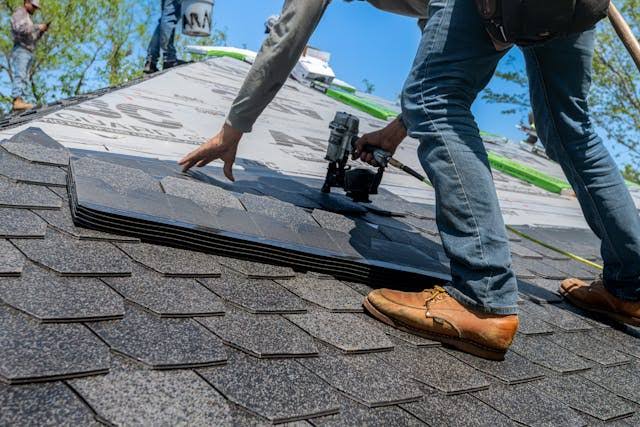
While you can replace a roof in winter, it comes with significant caveats. Asphalt shingles become brittle in cold weather, increasing the risk of cracking during installation. Furthermore, if the temperature drops below 40°F (4°C), the self-sealing strips on shingles may not activate.
In such cases, roofers must use manual sealing methods, such as applying roofing cement by hand to each tab. This is labor-intensive and increases the chance of human error. According to industry standards, winter roofing should generally be reserved for emergency leaks rather than planned replacements. For more details on material properties, you can refer to general construction guidelines on Wikipedia.
How Your Location Impacts the Best Timing
The “best time” is not one-size-fits-all. Your geographic location plays a massive role in determining your window of opportunity.
Northern States (e.g., Minnesota, New York)
In colder climates, the window for roofing is narrower. You want to complete the project before the first heavy snowfall, which can arrive as early as October.
- Target Window: Late August to mid-October.
- Risk: Waiting too long into November can result in work stoppages due to ice or frozen ground, which makes debris removal difficult.
Southern States (e.g., Texas, Florida)
Heat and hurricane seasons are the primary concerns here. Summer temperatures can exceed 100°F, making it unsafe for workers and causing shingles to soften excessively, leading to footprints or damage during installation.
- Target Window: Late October to December.
- Risk: Hurricane season runs from June to November. Ideally, you want your new roof installed before the peak storm months, but the heat makes early fall difficult. Late fall offers cooler temps after the storm risk decreases.
Midwest and Pacific Northwest
These regions deal with significant rainfall. Spring is often too wet, and winter is too cold.
- Target Window: September to early November.
- Strategy: Monitor long-range forecasts closely. A two-week dry spell is all you need for a standard residential roof.
Step-by-Step Guide to Planning Your Roof Replacement
Once you have identified the season, follow these steps to ensure a smooth process.
- Get Multiple Quotes (2–3 Months Before Desired Start Date) Do not just call one roofer. Obtain at least three detailed estimates. Ensure they include:
- Removal of old materials (tear-off).
- Type and brand of shingles.
- Warranty details (both manufacturer and workmanship).
- Cleanup and disposal fees.
- Check Credentials and Insurance Verify that the contractor is licensed in your state and carries both liability insurance and workers’ compensation. This protects you from being liable if a worker is injured on your property.
- Secure Financing or Budget Roofing is expensive. The average cost in the US ranges from $5,000 to $15,000, depending on size and materials. If you plan to use insurance, file your claim early. If paying out-of-pocket, consider if your chosen season offers any financing promotions.
- Prepare Your Home
- Clear the driveway for dumpster placement.
- Trim tree branches hanging over the roof.
- Move vehicles and outdoor furniture away from the house.
- Protect attic items from dust and vibration.
- Schedule the Inspection Have a professional inspect the underlying decking. If rot is found, it must be repaired before new shingles are laid. This is often an additional cost, so ask about it upfront.
Frequently Asked Questions (FAQ)
1. Can I replace my roof in the rain?
No. Reputable roofers will not install shingles on a wet roof deck. Moisture trapped beneath the shingles can lead to mold, rot, and premature failure of the roofing system. If it rains during the project, work will pause until the deck is completely dry.
2. Does replacing a roof in winter void the warranty?
Not necessarily, but it depends on the manufacturer. Many warranties require installation within specific temperature ranges. If installed in cold weather, the roofer must use special techniques (like hand-sealing) to validate the warranty. Always confirm this with your contractor before signing.
3. How long does a roof replacement take?
For an average-sized single-family home, a full tear-off and replacement typically takes 1 to 3 days. Larger homes or complex rooflines with multiple valleys and chimneys may take up to a week. Weather delays can extend this timeline.
4. Is it cheaper to replace a roof in the winter?
It can be. Due to low demand, some contractors may lower their labor rates or offer promotions. However, if special cold-weather procedures are required, labor costs might increase. The material costs remain largely the same year-round. The savings are usually modest compared to the risks of poor weather.
5. What signs indicate I need a new roof immediately, regardless of the season?
If you notice active leaks, sagging roof decks, or widespread missing shingles, do not wait for the “perfect” season. These are structural issues that can lead to interior damage, mold growth, and electrical hazards. Contact a professional for emergency repairs or replacement immediately.
Conclusion
So, when is the best time to get a new roof? For most US homeowners, early fall provides the ideal combination of mild weather, contractor availability, and potential cost savings. It allows for proper shingle sealing without the extreme heat of summer or the freezing risks of winter.
However, the “best” time is ultimately when your roof needs it. If your roof is failing, waiting for the perfect season could cause more damage to your home’s interior. Regular inspections are key to planning ahead, giving you the luxury of choosing your timing rather than being forced into an emergency situation.
Did you find this guide helpful? Share it with friends or neighbors who might be debating their next home improvement project. Planning ahead is the best way to protect your investment and your peace of mind!