Have you ever finished a meal only to realize that a stubborn layer of denture adhesive is still clinging to the roof of your mouth? It is an uncomfortable, sticky sensation that can feel nearly impossible to remove with just water. If you are wondering how to get Fixodent off the roof of your mouth, you are not alone, and there are safe, gentle ways to resolve this common issue without irritating your sensitive gums.
Denture adhesives like Fixodent are designed to be strong and water-resistant, which is great for keeping your teeth in place but challenging when it comes to cleanup. In this guide, we will walk you through professional, dentist-approved methods to dissolve and wipe away that residue efficiently. We prioritize your oral health, ensuring that the removal process is as gentle on your palate as it is effective.
Why Does Fixodent Stick So Persistently?
Before diving into the removal techniques, it helps to understand why this happens. Fixodent and similar adhesives contain polymers that swell when they come into contact with saliva. This swelling creates a seal that holds your dentures securely. However, if too much adhesive is used, or if the denture fit is slightly off, excess glue can squeeze out onto the soft tissues of your palate (the roof of your mouth).
Once this excess adhesive dries or mixes with food particles, it forms a tough, rubbery film. Because the roof of your mouth is covered in delicate mucous membranes, scrubbing it aggressively can cause soreness or even minor abrasions. Therefore, the key to successful removal is dissolution rather than abrasion.
According to general dental hygiene principles, maintaining clean oral tissues is crucial for preventing fungal infections like denture stomatitis. For more information on oral mucosa health, you can refer to resources on Wikipedia to understand the sensitivity of these tissues.
Step-by-Step Guide: How to Remove Fixodent Safely
Removing adhesive requires patience and the right tools. Do not use sharp objects, fingernails, or hard-bristled brushes directly on the roof of your mouth. Follow these steps for a safe and thorough cleanup.
1. The Warm Salt Water Rinse
The most gentle and effective first step is to loosen the bond using warm salt water. Salt acts as a mild antiseptic and helps break down the adhesive structure.
- Prepare the solution: Mix 1 teaspoon of table salt into 8 ounces (approx. 240 ml) of warm water. Ensure the water is comfortably warm, not hot, to avoid burning your palate.
- Swish gently: Take a sip and swish the water around your mouth, focusing on the roof of your mouth. Hold the water against the palate for 10–15 seconds before spitting it out.
- Repeat: Do this 3–4 times. You should feel the adhesive starting to soften and lift.
2. Use a Soft-Bristled Toothbrush or Gauze
Once the adhesive has softened from the rinse, you can mechanically remove the residue.
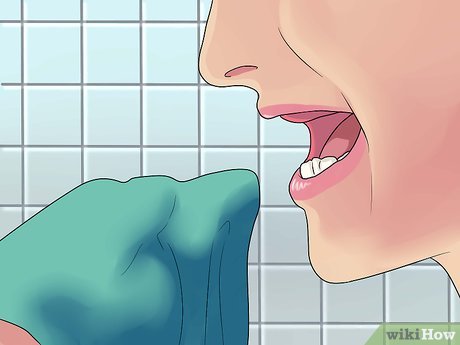
- Tool selection: Use a very soft-bristled toothbrush (specifically designated for gum care) or a piece of wet gauze wrapped around your finger.
- Technique: Gently rub the roof of your mouth in small circular motions. Do not press hard. Let the softened adhesive roll off the tissue.
- Rinse again: Spit out any dislodged particles and rinse with plain warm water.
3. The Olive Oil or Coconut Oil Method
If salt water isn’t enough, oils can help dissolve the hydrophobic components of the adhesive. This method is particularly useful for stubborn, dried-on patches.
- Apply oil: Dip a cotton swab or your clean finger into a small amount of olive oil or coconut oil.
- Massage: Gently massage the oil onto the sticky areas on the roof of your mouth. Let it sit for 2–3 minutes.
- Wipe away: Use a damp, soft cloth or gauze to wipe the area. The oil helps lift the glue without stripping the natural moisture from your gums.
4. Commercial Denture Cleanser Soak (For Removable Palates)
Note: This step applies if you have a removable partial plate or if you are cleaning the denture itself, but some users find rinsing with a diluted denture cleanser solution helps break down residue in the mouth.
- Caution: Never swallow denture cleanser.
- Method: Mix a small amount of non-abrasive denture cleanser with water as per package instructions. Swish briefly and spit immediately, followed by extensive rinsing with plain water. Consult your dentist before using chemical cleaners directly in your mouth.
Common Mistakes to Avoid
When learning how to get Fixodent off the roof of your mouth, many people make errors that can lead to injury. Here is a comparison of what to do versus what to avoid.
| Action | Why It’s Bad | Better Alternative |
|---|---|---|
| Scraping with fingernails | Can tear delicate gum tissue and introduce bacteria. | Use wet gauze or a soft toothbrush. |
| Using hot water | Can burn the sensitive palate and worsen inflammation. | Use lukewarm or tepid water. |
| Using alcohol-based mouthwash | Dries out the mouth, making adhesive stickier and harder to remove. | Use saline solution or plain water. |
| Ignoring daily cleaning | Buildup leads to chronic irritation and bad breath. | Clean palate every time you remove dentures. |
Preventing Future Buildup
Prevention is always easier than removal. If you find yourself constantly asking how to get Fixodent off the roof of your mouth, it may be time to adjust your application routine.
Use Less Adhesive
A common myth is that more adhesive equals better hold. In reality, excess adhesive squeezes out under pressure. You only need small dots or a thin strip along the ridge of the denture, not the entire surface.
Check Your Denture Fit
If adhesive is consistently leaking onto your palate, your dentures may no longer fit correctly. Bone resorption (shrinkage) occurs naturally over time. If your dentures are loose, see your dentist for an adjustment or relining. A proper fit minimizes the need for excessive adhesive.
Clean Daily
Make cleaning the roof of your mouth part of your nightly routine. Even if you don’t feel sticky residue, a gentle brush with a soft toothbrush can remove microscopic layers of adhesive and bacteria before they build up.
FAQ: Frequently Asked Questions
1. Is it safe to use vinegar to remove Fixodent from my mouth?
While white vinegar is acidic and can break down adhesives, it is generally not recommended for direct use on the soft tissues of the mouth due to its strong acidity, which can cause stinging or irritation. Stick to warm salt water or olive oil, which are pH-neutral and soothing.
2. How often should I clean the roof of my mouth?
You should clean the roof of your mouth every time you remove your dentures, typically at least once a day before bed. This prevents bacterial buildup and keeps the tissues healthy. If you wear dentures 24/7 (as advised by some dentists for initial healing), consult your provider for a specific cleaning schedule.
3. What if the adhesive won’t come off after trying these methods?
If the residue remains after multiple attempts with warm water and oil, do not force it. Leave it alone for a few hours; natural saliva production will continue to break it down. Try again later. If irritation persists or the area becomes red and swollen, contact your dentist.
4. Can I use baby oil to remove denture adhesive?
Yes, mineral oil (often found in baby oil) is safe and effective for dissolving adhesive. However, ensure it is pure mineral oil without added fragrances or lotions, which could irritate oral tissues. Olive oil or coconut oil are often preferred because they are natural and edible.
5. Does Fixodent damage the roof of the mouth?
Fixodent itself is non-toxic and safe for oral use. However, improper removal or leaving excess adhesive in place for long periods can trap bacteria and food particles, leading to irritation, inflammation, or fungal infections. Proper hygiene is key to preventing damage.
6. Why does my palate feel sore after removing the adhesive?
Soreness is usually caused by aggressive scrubbing or the adhesive pulling on the delicate mucous membrane. Always use gentle, circular motions with soft materials. If soreness persists for more than two days, consult your dentist to rule out an ill-fitting denture or infection.
Conclusion
Learning how to get Fixodent off the roof of your mouth is an essential skill for any denture wearer. By using gentle methods like warm salt water rinses, soft gauze, and natural oils, you can effectively remove stubborn adhesive without harming your sensitive oral tissues. Remember, the goal is to dissolve the bond, not scrape it away.
Consistent hygiene and proper adhesive application can prevent this issue from arising in the first place. If you find yourself struggling with excess glue frequently, it may be a sign that your dentures need a professional adjustment.
Did you find these tips helpful? Share this article with friends or family members who wear dentures to help them maintain better oral hygiene. Let’s keep those smiles comfortable and confident!