Finding a strange lump in your mouth can be an immediate source of anxiety. You might run your tongue over the roof of your mouth and feel something that wasn’t there before, leading to questions about whether it is dangerous or just a minor irritation. If you have discovered a roof of mouth pea size solid bump behind front teeth, you are not alone, and in most cases, the cause is benign and treatable.
This article will guide you through the potential causes, home care strategies, and professional treatments available. We aim to provide clarity and peace of mind by breaking down complex dental terminology into easy-to-understand information. By understanding what this bump might be, you can take the right steps toward relief and optimal oral health.
What Is This Solid Bump on My Palate?
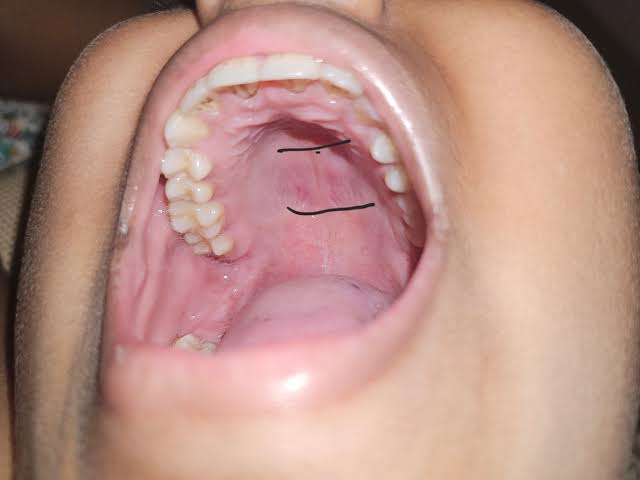
The area behind your front teeth, known as the incisive papilla or the anterior hard palate, is a common site for various oral lesions. When you feel a roof of mouth pea size solid bump behind front teeth, it is often a reaction to local trauma, infection, or a developmental anomaly.
While the internet can be a scary place filled with worst-case scenarios, the majority of these lumps are non-cancerous. They may be fluid-filled cysts, bony growths, or inflamed tissue from a burn or scratch. However, because the mouth is a complex ecosystem of bacteria and tissue, any persistent change warrants attention.
According to general dental health data, minor oral lesions affect a significant portion of the population at some point in their lives. Understanding the specific characteristics of your bump—such as its texture, color, and pain level—is the first step in identifying it.
Common Causes of a Pea-Sized Bump Behind Front Teeth
To determine the best course of action, we must look at the most frequent culprits. Here are the primary reasons why this bump may have appeared.
1. Incisive Papilla Inflammation
The incisive papilla is a small, natural bump of tissue located directly behind your two upper front teeth. It covers the incisive foramen, where nerves and blood vessels pass through.
- Cause: Eating hard foods (like chips or crusty bread) can scrape or bruise this sensitive area.
- Symptoms: Swelling, tenderness, and a feeling of fullness. It often looks like a small, red, or pink pea-sized bump.
- Prognosis: Usually resolves on its own within a few days.
2. Nasopalatine Duct Cyst
This is a developmental cyst that occurs in the midline of the palate, near the incisive papilla.
- Cause: It forms from remnants of the nasopalatine duct during fetal development.
- Symptoms: Often asymptomatic, but if infected, it can swell to the size of a pea or larger. It may feel firm or slightly soft.
- Prognosis: May require surgical removal if it becomes symptomatic or infected.
3. Torus Palatinus
A torus palatinus is a bony growth on the roof of the mouth.
- Cause: Genetic predisposition and environmental factors like teeth grinding (bruxism).
- Symptoms: A hard, immovable lump that feels like bone. It grows slowly over years.
- Prognosis: Benign and usually requires no treatment unless it interferes with dentures or eating.
4. Abscess or Dental Infection
If a front tooth has deep decay or trauma, an infection can spread to the root tip and create a bump on the palate.
- Cause: Bacterial infection from a dead or dying tooth nerve.
- Symptoms: A pimple-like bump (parulis) that may ooze pus, bad taste in the mouth, and tooth sensitivity.
- Prognosis: Requires immediate dental intervention, such as a root canal or extraction.
Comparison Table: Identifying Your Bump
| Feature | Incisive Papillitis | Nasopalatine Cyst | Torus Palatinus | Dental Abscess |
|---|---|---|---|---|
| Texture | Soft to firm | Firm or fluctuant | Hard (bone) | Soft, fluid-filled |
| Pain Level | Mild to moderate | Low (unless infected) | None | Moderate to severe |
| Onset | Sudden (after eating) | Slow/Gradual | Very Slow (years) | Rapid (days/weeks) |
| Color | Red/Pink | Normal/Pink | Normal/Gum-colored | Red/White head |
When Should You Be Concerned?
While many bumps are harmless, certain signs indicate a need for professional evaluation. You should schedule an appointment with a dentist or oral surgeon if you experience:
- Persistence: The bump does not go away after two weeks.
- Growth: The lump increases in size rapidly.
- Pain: Severe pain that interferes with eating or sleeping.
- Discharge: Pus or blood coming from the bump.
- Systemic Symptoms: Fever, swollen lymph nodes, or fatigue.
For more detailed information on oral pathology and conditions affecting the mouth, you can refer to Wikipedia’s page on Oral Medicine to understand the broader medical context.
Step-by-Step Home Care and Relief
If your bump is mild and likely caused by minor trauma or inflammation, you can try these home remedies to alleviate discomfort and promote healing.
- Salt Water Rinses
- Mix 1 teaspoon of salt in 8 ounces (about 240 ml) of warm water.
- Swish gently around the affected area for 30 seconds.
- Spit out the solution. Repeat 2–3 times a day.
- Why it works: Salt water reduces inflammation and helps keep the area clean.
- Avoid Irritants
- Stop eating hard, crunchy, or spicy foods for a few days.
- Avoid very hot beverages that could further burn the tissue.
- Switch to a soft-bristled toothbrush to prevent accidental scraping.
- Over-the-Counter Pain Relief
- Use oral gels containing benzocaine for temporary numbing.
- Take ibuprofen or acetaminophen if there is significant pain or swelling.
- Note: Always follow the dosage instructions on the package.
- Maintain Oral Hygiene
- Continue brushing and flossing, but be gentle around the bump.
- Use an alcohol-free mouthwash to avoid drying out the tissues.
Professional Treatment Options
If home care does not resolve the issue, a dental professional will diagnose the underlying cause and recommend appropriate treatment.
- For Incisive Papillitis: No specific treatment is usually needed. The dentist may smooth any sharp edges on nearby teeth that are causing trauma.
- For Nasopalatine Duct Cysts: Surgical enucleation (removal) is the standard treatment. This is a minor outpatient procedure performed under local anesthesia.
- For Torus Palatinus: No treatment is necessary unless it causes functional issues. If removal is needed, it involves surgical reduction of the bone.
- For Dental Abscess: Root canal therapy or extraction of the affected tooth is required to eliminate the infection. Antibiotics may be prescribed if the infection has spread.
FAQ Section
1. Can a bump on the roof of the mouth be cancer?
While oral cancer can present as a lump, it is relatively rare compared to benign causes like cysts or trauma. Cancerous lumps are often painless in early stages, may bleed easily, and do not heal within two weeks. If you are a smoker or heavy drinker, your risk is higher, and you should see a dentist promptly for any persistent lump.
2. Why does my bump hurt when I eat hot food?
The tissue on the roof of the mouth is thin and sensitive. If the bump is inflamed (like incisive papillitis), heat can exacerbate the swelling and irritate the nerve endings. This is a sign that the tissue is currently injured and needs time to heal.
3. How long does it take for a traumatic bump to heal?
Minor trauma to the palate, such as a burn or scratch, typically heals within 7 to 14 days. If the bump persists beyond this timeframe, it is likely not simple trauma and should be evaluated by a professional.
4. Can braces cause a bump behind the front teeth?
Yes, braces can sometimes irritate the incisive papilla or the surrounding gums. The hardware may rub against the tissue, causing inflammation or a reactive hyperplasia (overgrowth of tissue). Your orthodontist can adjust the wires or brackets to reduce this irritation.
5. Is it safe to pop the bump myself?
No. You should never attempt to pop or drain a bump in your mouth. This can introduce bacteria, lead to a serious infection, and cause unnecessary pain. If the bump is a cyst or abscess, it requires sterile, professional drainage.
6. What specialist should I see for this issue?
Start with your general dentist. They can perform an examination and take X-rays to determine the cause. If necessary, they will refer you to an oral surgeon or an endodontist (root canal specialist) for further treatment.
Conclusion
Discovering a roof of mouth pea size solid bump behind front teeth can be unsettling, but knowledge is your best defense against anxiety. In most cases, these bumps are benign results of minor trauma, developmental cysts, or bony growths. By monitoring the symptoms, practicing good oral hygiene, and seeking professional advice when necessary, you can ensure your oral health remains in top condition.
Remember, early detection is key. If the bump persists for more than two weeks, changes in size, or causes significant pain, do not hesitate to consult your dentist.
Found this guide helpful? Share it with friends and family on social media to help them stay informed about their oral health!