Have you ever woken up with a sharp, stinging pain every time you take a sip of coffee or bite into a piece of toast? It is an incredibly frustrating experience that disrupts your daily routine and makes eating a chore. If you are currently searching for pictures of canker sores on the roof of the mouth, you are likely trying to confirm if that painful spot is indeed a common ulcer or something more serious. You are not alone in this discomfort, and understanding what you are looking at is the first step toward healing.
What Do Canker Sores on the Roof of the Mouth Look Like?
When we talk about canker sores, medically known as aphthous stomatitis, most people imagine them on the inside of the cheeks or lips. However, they can appear anywhere in the oral cavity, including the hard palate (the roof of the mouth). Identifying them correctly is crucial because treatment differs from other oral conditions like cold sores or oral thrush.
Visual Characteristics
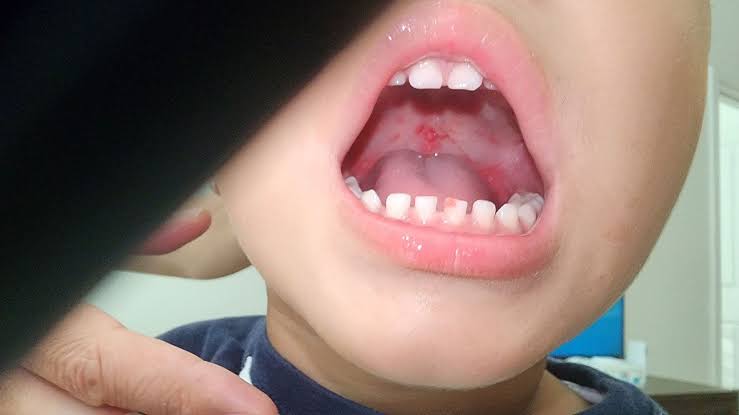
If you were to look at high-resolution pictures of canker sores on the roof of the mouth, you would typically notice specific visual markers. Unlike cold sores, which are fluid-filled blisters caused by a virus, canker sores are open ulcers. Here is what to look for:
- Shape: They are usually round or oval.
- Color: The center is white or yellowish, surrounded by a bright red border. This redness indicates inflammation.
- Size: Most are small (minor aphthous ulcers), measuring less than 1 centimeter in diameter. However, major aphthous ulcers can be larger and deeper, taking longer to heal.
- Texture: They appear as shallow depressions in the tissue, not raised bumps.
It is important to note that while the roof of the mouth is a less common location for canker sores compared to the inner cheeks, it is still a frequent site for irritation-induced ulcers. If the sore looks like a cluster of tiny blisters rather than a single open ulcer, it might be a herpes simplex outbreak (cold sore), which requires different management.
Why Do They Appear on the Hard Palate?
Understanding the “why” helps prevent future occurrences. The roof of the mouth is particularly susceptible to physical trauma due to its position directly against food during chewing.
Common Triggers
According to dental health experts, several factors contribute to the development of these sores on the palate:
- Physical Trauma: This is the most common cause for sores on the roof of the mouth. Accidentally burning your palate on hot pizza cheese, scratching it with a sharp chip, or aggressive brushing can break the mucosal lining, leading to an ulcer.
- Food Sensitivities: Acidic foods (citrus fruits, tomatoes) and spicy dishes can irritate the sensitive tissue of the hard palate. Additionally, some individuals have sensitivities to gluten or dairy, which may manifest as oral ulcers.
- Nutritional Deficiencies: A lack of Vitamin B-12, zinc, folate, or iron can weaken the immune system’s ability to maintain healthy oral mucosa.
- Stress and Hormonal Changes: High stress levels trigger inflammatory responses in the body, often making the mouth more prone to outbreaks.
Canker Sore vs. Cold Sore: Know the Difference
Confusing these two conditions is common, but treating a canker sore with cold sore medication (or vice versa) will not yield results. Below is a comparison to help you distinguish between the two.
| Feature | Canker Sore (Aphthous Ulcer) | Cold Sore (Herpes Simplex) |
|---|---|---|
| Location | Inside the mouth (cheeks, gums, roof of mouth) | Outside the mouth (lips, nose, chin) |
| Appearance | White/yellow center with red border | Fluid-filled blister that crusts over |
| Contagious? | No | Yes (highly contagious) |
| Cause | Stress, injury, diet, immune response | Herpes Simplex Virus (HSV-1) |
| Healing Time | 1–2 weeks | 7–10 days |
Note: While canker sores are not contagious, poor oral hygiene can exacerbate them. For more detailed medical definitions, you can refer to resources like Wikipedia’s page on Aphthous Stomatitis.
How to Treat Canker Sores on the Roof of the Mouth
Since the roof of the mouth is constantly exposed to food and air, keeping a sore there clean and protected can be challenging. However, you can speed up healing and reduce pain with a structured approach.
Step-by-Step Home Remedies
- Salt Water Rinse:
- Mix 1 teaspoon of salt in ½ cup of warm water.
- Swish the solution around your mouth for 30 seconds, focusing on the roof of the mouth.
- Spit it out. Do this 2–3 times a day. This helps reduce inflammation and keeps the area clean.
- Baking Soda Paste:
- Mix a small amount of baking soda with a few drops of water to form a thick paste.
- Apply the paste directly to the sore using a cotton swab.
- Let it sit for 1 minute before rinsing. Baking soda neutralizes acids and soothes irritation.
- Honey Application:
- Use raw, organic honey if possible.
- Dab a small amount directly onto the ulcer 3–4 times a day. Honey has natural antibacterial and anti-inflammatory properties.
Over-the-Counter Solutions
If home remedies do not provide sufficient relief, consider these OTC options:
- Topical Gels: Products containing benzocaine (like Orajel) can numb the area temporarily, allowing you to eat comfortably.
- Antimicrobial Mouthwashes: Look for alcohol-free mouthwashes containing cetylpyridinium chloride to reduce bacterial load without drying out the tissue.
When to See a Doctor
While most canker sores heal on their own within two weeks, there are scenarios where professional medical advice is necessary. You should consult a dentist or doctor if:
- The sore is unusually large (greater than 1 cm).
- The pain is severe and prevents you from drinking fluids.
- The sore does not show signs of healing after 14 days.
- You have a high fever accompanying the sore.
- You experience frequent outbreaks (more than 3–4 times a year).
Persistent sores on the roof of the mouth could indicate an underlying health issue, such as an autoimmune disorder or a severe vitamin deficiency, which requires blood tests for diagnosis.
FAQ: Common Questions About Palate Canker Sores
1. Are canker sores on the roof of the mouth contagious?
No, canker sores are not contagious. You cannot spread them to other people through kissing, sharing utensils, or talking. They are caused by internal factors like stress, injury, or immune response, not by a virus or bacteria that can be transmitted.
2. How long does it take for a canker sore on the palate to heal?
Most minor canker sores heal within 7 to 10 days. Larger or deeper ulcers may take up to two weeks. The roof of the mouth may feel tender for a few days even after the visible ulcer has disappeared.
3. Can I pop a canker sore?
Never attempt to pop a canker sore. Unlike a pimple or a cold sore blister, a canker sore is an open ulcer. Popping it does not exist as a concept here, but picking at it can introduce bacteria, cause bleeding, and significantly delay healing.
4. What foods should I avoid when I have a sore on the roof of my mouth?
Avoid acidic, spicy, salty, and crunchy foods. Specifically, stay away from citrus fruits (lemons, oranges), tomato-based sauces, chips, and nuts. These can physically irritate the ulcer or chemically burn the exposed nerve endings, causing intense pain.
5. Is a canker sore on the roof of the mouth a sign of cancer?
It is highly unlikely. Oral cancer lesions typically do not heal within two weeks and may present as thickened patches, lumps, or persistent red/white patches. However, if a sore persists for more than three weeks without improvement, it is essential to get it checked by a healthcare professional to rule out serious conditions.
Conclusion
Dealing with a painful ulcer on the roof of your mouth is undeniably annoying, but it is usually a temporary and manageable condition. By recognizing the visual signs—such as the white center and red border—you can confidently identify it as a canker sore rather than a more serious issue. Remember, looking at pictures of canker sores on the roof of the mouth is a great starting point, but proper care involves gentle hygiene, avoiding irritants, and using soothing remedies like salt water rinses.
If you found this guide helpful in identifying and treating your oral discomfort, please consider sharing it with friends or family who might be suffering in silence. Good oral health is a shared journey, and spreading awareness can help others find relief faster. Stay hydrated, manage stress, and keep smiling!