Have you ever lifted your dog’s lips for a kiss or a teeth check and noticed something unexpected? Seeing dark patches on the roof of their mouth can be startling, leading many pet parents to immediately worry about serious health issues. If you are asking yourself, “What does a black roof of a dogs mouth mean,” you are not alone; this is a common concern that often has a simple, harmless explanation, but understanding the nuance is key to your dog’s well-being.
In this guide, we will dive deep into canine oral anatomy, differentiate between natural beauty marks and medical red flags, and provide you with actionable steps to ensure your furry friend stays healthy.
Is It Normal for Dogs to Have Black Spots in Their Mouths?
The short answer is: Yes, it is extremely common.
For the vast majority of dogs, black spots, patches, or an entirely black palate (the roof of the mouth) are simply a result of natural pigmentation. Just like humans have freckles, birthmarks, or different skin tones, dogs have melanin deposits in their skin and mucous membranes.
The Role of Melanin
Melanin is the pigment responsible for color in skin, hair, and eyes. In dogs, this pigment can appear anywhere on the body, including inside the mouth. You might notice these spots on:
- The gums
- The tongue
- The roof of the mouth (hard and soft palate)
- The lips
This phenomenon is particularly prevalent in certain breeds. For example, Chow Chows, Chinese Shar-Peis, and Golden Retrievers often have naturally dark mouths. However, mixed-breed dogs frequently display this trait as well. If your dog has had these spots since they were a puppy, or if they appeared gradually as they matured without other symptoms, it is almost certainly benign hyperpigmentation.
When Should You Be Concerned About Dark Patches?
While natural pigmentation is harmless, changes in the mouth can sometimes signal underlying health issues. The key difference lies in change and texture.
If you notice a new black spot appearing suddenly in an adult dog, or if an existing spot changes shape, size, or color, it warrants a closer look. Here is a breakdown of potential medical causes versus normal pigmentation.
1. Natural Pigmentation vs. Medical Issues
| Feature | Natural Pigmentation (Normal) | Potential Medical Issue (Abnormal) |
|---|---|---|
| Onset | Present from puppyhood or develops slowly over years. | Appears suddenly in adulthood. |
| Texture | Flat and smooth, same texture as surrounding tissue. | Raised, bumpy, ulcerated, or bleeding. |
| Color | Uniform black, blue-black, or brown. | Irregular colors, redness around the edges, or oozing. |
| Behavior | Dog shows no signs of pain or discomfort. | Dog may paw at mouth, drop food, or have bad breath. |
| Growth | Stable size over time. | Rapidly growing or changing shape. |
2. Potential Health Conditions
If the black area does not fit the “normal” criteria above, it could be one of the following:
- Oral Melanoma: This is a serious form of cancer. Unlike natural pigmentation, melanomas are often raised masses that may bleed or cause difficulty eating. They are aggressive and require immediate veterinary attention.
- Trauma or Bruising: If your dog recently chewed on a hard object or got into a scuffle, a black spot could be a blood blister or bruise (hematoma). These usually resolve on their own within a week or two.
- Hyperplasia: This is an overgrowth of tissue, often caused by chronic irritation from plaque or tartar. While not always black, inflamed tissue can darken.
According to general veterinary oncology data, oral tumors account for approximately 6% of all cancers in dogs. Early detection is critical for successful treatment. Therefore, any new or changing lesion should be evaluated by a professional.
How to Perform a Safe At-Home Oral Exam
Regular check-ups at home can help you distinguish between normal pigmentation and potential problems. Here is a step-by-step guide to checking your dog’s mouth safely and effectively.
Step 1: Create a Calm Environment
Choose a time when your dog is relaxed, such as after a walk or during cuddle time. Have some high-value treats ready to reward cooperation.
Step 2: Lift the Lips Gently
Using one hand, gently lift your dog’s upper lip to expose the gums and the front teeth. Look for symmetry and color consistency.
Step 3: Check the Roof of the Mouth
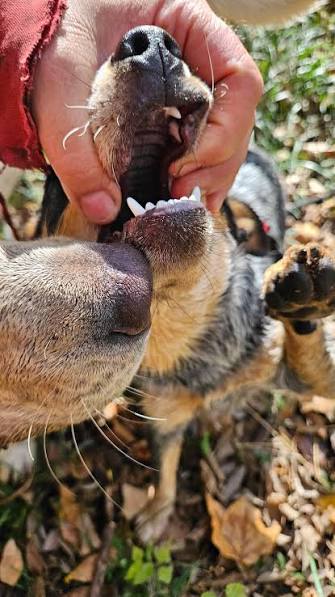
To see the roof of the mouth (palate), you may need to open your dog’s mouth slightly. Do not force it. If your dog resists, stop and try again later. Look specifically for:
- Flat, dark patches (likely normal).
- Raised lumps or bumps.
- Redness or swelling around dark spots.
Step 4: Feel for Texture Changes
If your dog allows it, use a clean finger to gently feel the area. Normal pigmentation will feel smooth. Any hardness, lumpiness, or roughness is a sign to consult your vet.
Step 5: Monitor Over Time
Take a photo of the area with your phone. This creates a baseline. If you are unsure if a spot has changed, compare it to the photo from a month ago.
Pro Tip: Make oral exams part of your weekly grooming routine. This helps your dog get used to having their mouth handled, which reduces stress during veterinary visits.
Breed-Specific Considerations
Understanding your dog’s breed can provide significant clues about their oral pigmentation. Some breeds are genetically predisposed to having dark mouths.
- Chow Chows & Shar-Peis: These breeds are famous for their blue-black tongues and palates. It is a breed standard, not a defect.
- Golden Retrievers & Labradors: It is very common for these breeds to develop “liver spots” or freckles on their gums and palate as they age.
- Collies & Shepherds: Often have mottled pink and black gums.
If you own one of these breeds, a black roof of the mouth is likely just a genetic trait. However, even in these breeds, you should still monitor for changes in texture or sudden growths.
For more detailed information on canine genetics and pigmentation, you can refer to general biological resources such as Wikipedia’s page on Dog Coat Genetics, which explains how melanin affects various parts of a dog’s anatomy.
FAQ: Common Questions About Dog Mouth Pigmentation
1. Can a dog’s mouth change color as they age?
Yes. Just like humans develop age spots, dogs can develop new pigmentation spots as they get older. This is usually gradual and harmless. However, sudden changes should always be checked by a vet.
2. Is a black roof of the mouth a sign of poor dental hygiene?
Not directly. Poor dental hygiene typically results in yellow/brown tartar buildup, red inflamed gums (gingivitis), and bad breath. While gum disease can cause tissue changes, simple black pigmentation is unrelated to cleanliness.
3. My puppy has a pink mouth, but now it’s turning black. Is this normal?
Absolutely. Many puppies are born with pink mouths that darken as they mature. This process can continue until they are 1–2 years old. It is a natural part of their development.
4. What if the black spot is bleeding?
A bleeding spot is not normal pigmentation. It could indicate trauma, an infection, or a tumor. You should contact your veterinarian immediately if you notice any bleeding from the mouth.
5. Can I remove the black spots?
No, and you should never attempt to do so. If the spots are natural pigmentation, they are part of your dog’s skin. Trying to remove them would cause severe injury and pain. If they are medical issues, a vet will determine the appropriate treatment, which may involve biopsy or surgery.
6. Does diet affect mouth color?
Diet does not change the genetic pigmentation of a dog’s mouth. However, a poor diet can lead to dental disease, which might cause inflammation that alters the appearance of the gums. A balanced diet supports overall oral health but won’t turn a pink mouth black or vice versa.
Conclusion
So, what does a black roof of a dogs mouth mean? In most cases, it means your dog has beautiful, natural melanin pigmentation. It is a unique characteristic, much like a human fingerprint, and is generally nothing to worry about.
However, vigilance is key. By performing regular at-home checks and knowing the difference between flat, stable pigmentation and raised, changing lesions, you can ensure your dog stays healthy. Remember, if you ever feel uncertain about a spot, or if you notice sudden changes, bleeding, or behavioral signs of pain, consult your veterinarian. It is always better to be safe and get a professional opinion.
Did you find this guide helpful? Share it with fellow dog lovers on social media to help them understand their pets better! A well-informed pet parent is a happy pet parent.