Have you ever taken a bite of your favorite pizza only to wince in pain because the roof of your mouth hurts when you eat? It is a surprisingly common yet frustrating experience that can turn mealtime into a chore. Whether it’s a sudden sting from hot cheese or a lingering ache from an accidental scratch, understanding the root cause is the first step toward finding relief and enjoying your food again.
In this guide, we will explore the most frequent reasons behind palate pain, offer practical home remedies, and help you determine when it’s time to consult a healthcare professional. Let’s dive in.
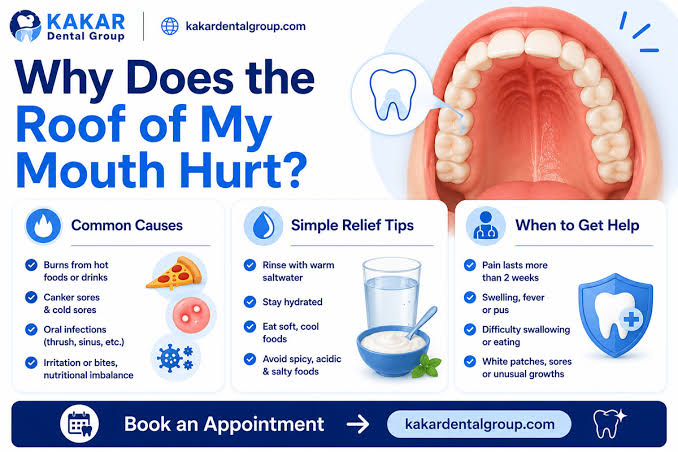
The Most Common Culprit: Thermal Burns
If you are asking, “Why does roof of my mouth hurt when I eat?” the most likely answer is simple: you burned it. The tissue on the roof of your mouth, known as the hard and soft palate, is delicate and highly sensitive to temperature changes.
How It Happens
When you consume food or beverages that are too hot (typically above 160°F or 71°C), the heat damages the top layer of skin cells on your palate. This is technically known as a thermal injury. Unlike the skin on your hands, the mucous membranes in your mouth heal quickly, but they are also more prone to initial injury because we often eat without testing the temperature thoroughly.
Symptoms of a Palate Burn
- Immediate stinging or burning sensation.
- Redness or inflammation on the roof of the mouth.
- Formation of a blister or peeled skin within 24 hours.
- Temporary loss of taste sensitivity in the affected area.
According to dental health experts, minor burns usually heal within three to seven days. However, during this period, eating can be painful, especially if the food is acidic, spicy, or crunchy.
Physical Trauma: Scratches and Abrasions
Not all pain comes from heat. Sometimes, the texture of your food is the enemy. Hard, sharp, or crunchy foods like tortilla chips, hard crust bread, or candy can physically scratch the soft tissue of your palate.
The “Pizza Palate” Phenomenon
This term is often used colloquially to describe the rough, scraped feeling on the roof of the mouth after eating crispy pizza crusts or bagels. The friction from chewing these items can cause micro-abrasions. While these scratches are minor, they expose nerve endings, leading to significant discomfort when you eat subsequent meals.
Key Difference:
- Burns: Feel hot, throbbing, and may blister.
- Scratches: Feel raw, sharp, and may bleed slightly.
Oral Conditions and Infections
If the pain persists for more than a week or occurs without any obvious trigger like hot food, an underlying oral condition might be the cause.
Canker Sores (Aphthous Ulcers)
Canker sores are small, shallow lesions that develop on the soft tissues in your mouth or at the base of your gums. While they commonly appear on the inside of cheeks or lips, they can also form on the soft palate.
- Trigger: Stress, minor mouth injury, or acidic foods.
- Sensation: Sharp, stinging pain when eating salty or acidic foods.
Oral Thrush (Yeast Infection)
Oral thrush is a fungal infection caused by Candida yeast. It often presents as creamy white lesions on your tongue or inner cheeks, but it can spread to the roof of the mouth.
- Risk Factors: Antibiotic use, diabetes, or weakened immune system.
- Sensation: Cotton-like feeling, loss of taste, and cracking at the corners of the mouth.
For more detailed medical definitions of oral conditions, you can refer to Wikipedia’s page on Oral Health.
Allergic Reactions and Sensitivities
Food allergies or sensitivities can manifest as pain or swelling in the mouth, a condition known as Oral Allergy Syndrome (OAS). This typically happens when you eat certain raw fruits, vegetables, or nuts that contain proteins similar to pollen.
Signs of OAS
- Itching or tingling on the roof of the mouth.
- Mild swelling of the lips or tongue.
- Scratchy throat immediately after eating.
Common triggers include apples, carrots, celery, and almonds. If you suspect an allergy, keep a food diary to track patterns and consult an allergist.
Acid Reflux and GERD
Gastroesophageal Reflux Disease (GERD) isn’t just about heartburn. Stomach acid can travel up the esophagus and reach the back of the throat and mouth, irritating the soft palate.
How Acid Affects Your Palate
When stomach acid reaches the mouth, it can cause:
- Erosion: Wearing down the protective mucous layer.
- Inflammation: Leading to a chronic sore or raw feeling.
- Sensitivity: Making the palate hypersensitive to hot or cold foods.
If you frequently wake up with a sour taste in your mouth or experience heartburn, GERD might be the hidden reason why the roof of your mouth hurts when you eat.
Quick Relief: What To Do Now
If you are currently in pain, here is a step-by-step guide to soothe your palate and promote healing.
Step 1: Cool It Down
Apply cold to reduce inflammation and numb the pain.
- Action: Suck on ice chips or eat a popsicle.
- Duration: 5–10 minutes at a time.
Step 2: Salt Water Rinse
Salt water is a natural disinfectant and helps reduce swelling.
- Recipe: Mix 1/2 teaspoon of salt in 8 ounces (240 ml) of warm water.
- Method: Swish gently for 30 seconds, then spit out. Repeat 2–3 times a day.
Step 3: Avoid Irritants
Until healed, steer clear of:
- Spicy foods (chili, hot sauce).
- Acidic foods (citrus, tomatoes, vinegar).
- Crunchy foods (chips, nuts).
- Very hot beverages.
Step 4: Over-the-Counter Remedies
Consider using oral gels containing benzocaine for temporary numbing. Always follow the package instructions and consult a pharmacist if you have other health conditions.
Prevention Tips for the Future
Preventing palate pain is easier than treating it. Here are some proactive habits:
| Habit | Benefit |
|---|---|
| Test Temperature | Wait 2–3 minutes after microwaving food before eating. |
| Chew Slowly | Reduces the risk of scratching the palate with hard foods. |
| Stay Hydrated | Keeps oral tissues moist and less prone to injury. |
| Manage Reflux | Avoid lying down immediately after eating to prevent acid backup. |
FAQ Section
1. How long does it take for a burned roof of the mouth to heal?
Most minor thermal burns on the palate heal within 3 to 7 days. The mouth has a rich blood supply, which accelerates tissue regeneration compared to skin on other parts of the body.
2. Can toothpaste cause the roof of my mouth to hurt?
Yes, some toothpastes contain sodium lauryl sulfate (SLS), a foaming agent that can irritate sensitive oral tissues. If you notice pain after brushing, try switching to an SLS-free toothpaste.
3. Is it normal for the roof of my mouth to hurt after eating pineapple?
Pineapple contains bromelain, an enzyme that breaks down proteins. This can cause a tingling or slight burning sensation on the tongue and palate. It is usually harmless and temporary, but rinsing your mouth with water after eating can help.
4. When should I see a doctor for palate pain?
You should seek medical attention if:
- The pain lasts longer than two weeks.
- You have difficulty swallowing or breathing.
- There is unexplained bleeding or pus.
- You have a high fever accompanying the mouth pain.
5. Can stress cause pain in the roof of my mouth?
Indirectly, yes. Stress can weaken your immune system, making you more susceptible to canker sores or cold sores. Additionally, stress often leads to teeth grinding (bruxism), which can cause referred pain to the palate and jaw.
Conclusion
Experiencing pain in the roof of your mouth can be uncomfortable, but it is rarely a cause for alarm. Most cases are due to minor thermal burns or physical scratches from food, which heal quickly with proper care. By understanding why the roof of my mouth hurts when I eat, you can take steps to prevent future injuries and manage symptoms effectively.
Remember to listen to your body. If the pain persists, worsens, or is accompanied by other symptoms, do not hesitate to consult a dentist or doctor.
Found this guide helpful? Share it with your friends on social media who might be suffering from “pizza palate” or other mouth mishaps! Let’s help everyone enjoy their meals pain-free.