Finding small, dark droppings on your ceiling or hearing scratching noises at dusk can be terrifying. You are not alone; thousands of homeowners face this issue every year, often feeling helpless against these nocturnal invaders. If you are asking, “How do you get rid of bats in the roof,” you need a solution that is both effective for your home and humane for the wildlife.
Bats are beneficial creatures that eat thousands of insects nightly, but they do not belong in your living space. Their presence poses health risks and structural damage. This guide will walk you through the professional, legal, and safe steps to reclaim your home.
Why You Must Act Immediately (But Carefully)
Before diving into the removal process, it is crucial to understand why speed and caution are vital. Bats are not like mice or rats; they are protected species in many parts of the United States. Furthermore, their waste, known as guano, can harbor Histoplasma capsulatum, a fungus that causes histoplasmosis, a serious respiratory disease.
According to the Centers for Disease Control and Prevention (CDC), disturbing bat colonies without proper protection can release spores into the air. Therefore, DIY removal without knowledge can be dangerous. However, leaving them there is not an option. A single brown bat can produce over 2,000 droppings per night. Over a few months, this accumulation can saturate insulation, cause foul odors, and even compromise the structural integrity of your drywall.
Is It Legal to Remove Bats Yourself?
This is the most critical question most homeowners overlook. In the US, most bat species are protected under state laws and sometimes federal regulations. For example, killing bats is illegal in almost every state. Even eviction during certain times of the year may be prohibited.
The primary restriction revolves around maternity season. During spring and summer, female bats give birth to pups that cannot fly. If you seal entry points during this time, you will trap the flightless babies inside, leading to their death and creating a severe sanitation nightmare as they decompose.
- Maternity Season: Typically May through August (varies by state).
- Safe Exclusion Window: Late fall to early spring (when bats are hibernating or have migrated).
Always check with your local state wildlife agency before starting. For general biological information on bat species, you can refer to Wikipedia’s entry on Bats to identify what might be roosting in your area.
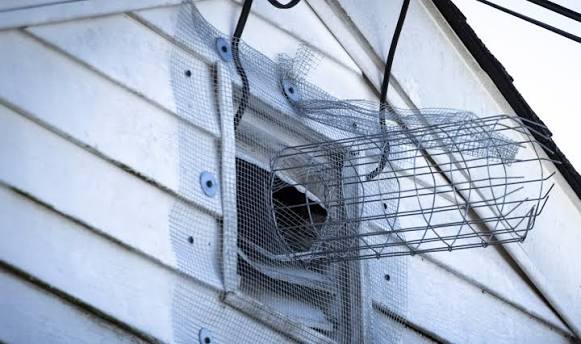
Step-by-Step Guide: How Do You Get Rid of Bats in the Roof?
Professional wildlife controllers use a method called exclusion. This is the only humane and permanent way to solve the problem. Poisoning or trapping is ineffective and illegal. Here is the professional workflow.
Step 1: Inspection and Identification
You must locate every single entry point. Bats can squeeze through gaps as small as 3/8 of an inch (about the width of a human thumb).
- Wait until dusk: Observe your roofline as the sun sets. Watch where the bats exit.
- Look for stains: Dark oily streaks around holes indicate frequent use.
- Check for guano: Piles of droppings directly below a hole confirm active entry.
Common entry points include:
- Ridge vents
- Soffit gaps
- Chimney flashing
- Loose roof shingles
Step 2: Install One-Way Exclusion Devices
This is the core of the process. You do not simply “close” the holes; you install devices that allow bats to leave but prevent them from returning.
Materials Needed:
- Netting (polypropylene, mesh size < 1/4 inch)
- Caulk gun and sealant
- Staple gun
- Ladder and safety gear (N95 mask, gloves)
Installation Process:
- Identify the main exit points found in Step 1.
- Attach netting over the hole, securing it at the top and sides with staples or tape.
- Leave the bottom edge loose and hanging down at least 12–18 inches.
- Ensure the netting extends far enough out so bats cannot climb back up underneath it.
When the bats leave at night to feed, they will fly out through the netting. When they return, they will try to land near the hole but will slide down the loose netting, unable to find the entry point again.
Step 3: Seal Secondary Entry Points
While the exclusion devices are active, you must seal all other potential entry points. Use high-quality polyurethane caulk or expanding foam for small cracks. For larger gaps, use steel wool packed tightly into the hole, then cover it with caulk or hardware cloth. Bats cannot chew through steel wool.
Note: Do not seal the main exit points yet. Those must remain open with the exclusion devices.
Step 4: Monitor and Wait
Leave the exclusion devices in place for 5–7 days. Monitor the site each evening. If you still see bats exiting, ensure the netting is installed correctly. Weather conditions matter; avoid installing during heavy rain or extreme cold, as this can stress the colony.
Step 5: Permanent Sealing
After one week of no bat activity (usually confirmed by no sounds at dusk and no fresh guano), you can permanently seal the main entry points.
- Remove the netting carefully.
- Seal the hole permanently using wood, metal flashing, or heavy-duty caulk.
- Double-check your work. Even a tiny gap left behind will invite new bats next season.
Cleanup and Sanitation: A Critical Health Step
Removing the bats is only half the battle. The remaining guano is hazardous.
Safety Gear Required:
- N95 Respirator or P100 mask (standard dust masks are insufficient)
- Disposable coveralls
- Rubber gloves
- Goggles
Cleaning Protocol:
- Do not sweep dry guano. This releases spores into the air.
- Wet the area: Lightly mist the droppings with a water and bleach solution (1 part bleach to 10 parts water) or a commercial enzymatic cleaner. This keeps the spores damp and heavy.
- Shovel carefully: Scoop the waste into heavy-duty plastic bags.
- Dispose properly: Seal the bags and dispose of them according to local waste management guidelines.
- Replace insulation: If insulation is saturated, it must be removed and replaced. Guano reduces insulation R-value and retains moisture, leading to mold.
Comparison: DIY vs. Professional Bat Removal
Deciding whether to handle this yourself or hire a pro depends on several factors.
| Feature | DIY Exclusion | Professional Removal |
|---|---|---|
| Cost | $50–$150 (materials) | $300–$1,500+ |
| Safety Risk | High (falls, disease) | Low (insured, trained) |
| Effectiveness | Variable (depends on skill) | High (guaranteed) |
| Time Commitment | Several days/weeks | 1–2 visits |
| Legal Compliance | Your responsibility | Handled by the pro |
If your attic is difficult to access, or if the colony is large (hundreds of bats), hiring a licensed wildlife control operator is strongly recommended. They have the insurance and expertise to handle complex roof structures safely.
Preventing Future Infestations
Once the bats are gone, keep them out. Bats rely on memory and scent to find roosts.
- Install Bat Houses: Provide an alternative habitat away from your house. This helps the local ecosystem while keeping your home safe.
- Regular Maintenance: Inspect your roof twice a year. Look for loose shingles or separated soffits.
- Lighting: Bats prefer dark entry points. Keeping exterior lights on near potential entry spots may deter them, though this is not a guaranteed method.
- Trim Trees: Keep tree branches at least 6 feet away from your roofline to prevent easy access.
FAQ Section
Q: Can I use mothballs to get rid of bats?
A: No. Mothballs (naphthalene) are toxic to humans and pets and are not effective against bats. Using them in an attic can create a hazardous chemical environment for your family without solving the bat problem. It is also illegal to use pesticides in a manner inconsistent with their labeling.
Q: How long does it take to get rid of bats?
A: The exclusion process typically takes 5 to 7 days for the bats to fully vacate the premises. However, the entire project, including inspection, installation, monitoring, and sealing, can take 2–3 weeks depending on weather and scheduling.
Q: Will bats come back after removal?
A: Bats are persistent. If you do not seal every single entry point permanently, they will return. They have excellent spatial memory. Proper exclusion and thorough sealing are the only ways to ensure they do not come back.
Q: Is bat guano dangerous to touch?
A: Yes. Dry bat guano can carry histoplasmosis spores. Inhaling these spores can cause severe lung infections. Always wear an N95 mask and gloves when cleaning any area where bats have roosted. Never disturb dry guano without wetting it first.
Q: What is the best time of year to remove bats?
A: The best time is late fall to early spring (October to March). During this period, bats are either hibernating or have migrated, and there are no flightless pups. Avoid removal during maternity season (May–August) to comply with wildlife laws and humane practices.
Conclusion
Learning how do you get rid of bats in the roof is about balancing effectiveness with empathy and legality. By using exclusion devices rather than harmful traps, you protect your home while respecting local wildlife laws. Remember, the key to success lies in meticulous inspection, proper installation of one-way valves, and thorough cleanup of hazardous waste.
Don’t let fear paralyze you. With the right tools and patience, you can restore peace to your home. If the task feels too daunting, do not hesitate to call a professional. Your health and safety are worth the investment.
Found this guide helpful? Share it with your neighbors on social media to help others tackle their bat problems safely!