Is your home feeling less secure during heavy storms? Many homeowners struggle with the uncertainty of their roof’s condition, fearing costly repairs or sudden failures. If you are asking yourself, “How do I know if I need a new roof,“ you are not alone, and recognizing the early warning signs can save you thousands of dollars in emergency repairs.
A roof is more than just a covering; it is your home’s first line of defense against the elements. Understanding when to repair versus when to replace is crucial for maintaining your property’s value and safety. In this comprehensive guide, we will walk you through the definitive signs that indicate it is time for a replacement, backed by industry standards and expert insights.
1. How Old Is Your Roof? The Age Factor
The single most significant indicator of whether you need a new roof is its age. Most roofing materials have a predictable lifespan, and once you approach that limit, proactive replacement becomes smarter than reactive repair.
Typical Lifespan by Material
Different materials wear out at different rates. Here is a general breakdown:
- Asphalt Shingles: 15–20 years (standard) or 25–30 years (premium/architectural).
- Wood Shakes/Shingles: 20–25 years.
- Metal Roofing: 40–70 years.
- Slate or Tile: 50–100+ years.
If your asphalt shingle roof is over 20 years old, even if it looks okay from the ground, it is likely nearing the end of its functional life. At this stage, the underlying materials become brittle and lose their waterproofing capabilities.
Pro Tip: Check your home inspection report from when you bought the house. If you cannot find it, look for permits filed with your local city council, which often record the date of the last major roof installation.
2. Are Your Shingles Curling, Cracking, or Missing?
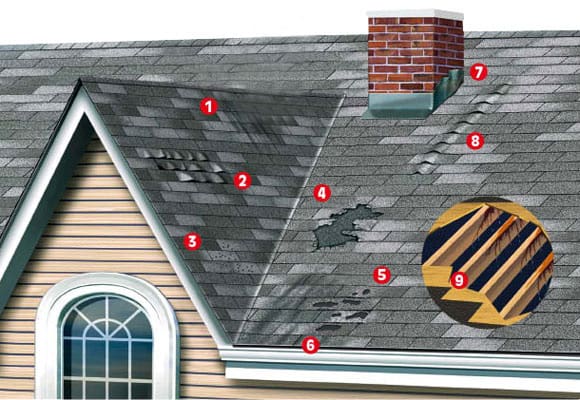
Visual inspection from the ground can reveal a lot. You do not always need to climb a ladder to spot trouble. Look for these specific physical damages:
- Curling Edges: Shingles that curl upward (cupping) or downward (clawing) indicate that the material has dried out and lost its integrity. This makes them susceptible to wind uplift.
- Cracked Shingles: Cracks allow water to seep underneath the shingle layer, leading to rot in the roof deck.
- Missing Granules: Asphalt shingles are coated with granules that protect against UV rays. If you see bare spots or find an excessive amount of granules in your gutters, the shingles are deteriorating.
The “Bald Spot” Test
If you notice patches on your roof that look darker or smoother than the surrounding areas, those are likely bald spots where granules have washed away. This exposes the asphalt to direct sunlight, accelerating degradation.
3. Is There Water Damage in Your Attic?
One of the most reliable ways to answer “how do I know if I need a new roof” is to check what is happening inside your home. Leaks are not always visible from the outside until significant damage has occurred.
Grab a flashlight and head into your attic on a sunny day or after a rainstorm. Look for:
- Water Stains: Dark streaks or wet spots on the underside of the roof deck or insulation.
- Mold or Mildew: A musty smell or visible black/green growth indicates trapped moisture.
- Daylight Through the Roof Boards: If you can see pinpricks of light coming through the roof structure, you have gaps that need immediate attention.
According to the Insurance Information Institute, water damage is one of the most common home insurance claims, and many of these stem from neglected roof maintenance. Addressing small leaks early prevents structural rot and mold remediation costs, which can far exceed the price of a new roof.
4. Are Your Energy Bills Spiking Unexpectedly?
Your roof plays a vital role in your home’s thermal envelope. As roofing materials age, they lose their ability to reflect heat and provide proper insulation ventilation.
If you notice your air conditioning working harder in the summer or your heating system struggling in the winter, your roof might be the culprit. Poor ventilation caused by an aging roof can trap heat in the attic, raising indoor temperatures and forcing your HVAC system to overwork.
Signs of Ventilation Issues:
- Excessive heat in the attic during summer.
- Ice dams forming on the eaves in winter.
- Higher-than-average utility bills without a change in usage habits.
Replacing an old roof with modern, energy-efficient materials can significantly improve your home’s insulation and reduce long-term energy costs.
5. Have Neighbors Been Replacing Their Roofs Recently?
This is often overlooked but highly relevant. If your neighborhood was built around the same time, your roofs were likely installed using similar materials and under similar weather conditions.
If several neighbors are replacing their roofs due to storm damage or age, it is a strong indicator that your roof is facing the same wear and tear. Community trends can serve as a practical benchmark for your own home’s needs.
Comparison: Repair vs. Replace
Deciding between a quick fix and a full replacement can be difficult. Use this table to help guide your decision:
| Feature | Roof Repair | Roof Replacement |
|---|---|---|
| Cost | Lower upfront cost ($300–$1,500) | Higher upfront cost ($5,000–$15,000+) |
| Lifespan Extension | Short-term (1–5 years) | Long-term (15–30+ years) |
| Best For | Isolated damage, young roofs (<10 yrs) | Widespread damage, old roofs (>20 yrs) |
| Warranty | Limited to repaired area | Full manufacturer warranty on new system |
| Home Value | Minimal impact | Significant boost in curb appeal and value |
Rule of Thumb: If the cost of repairs exceeds 50% of the cost of a new roof, or if your roof is older than 15 years, replacement is usually the more financially sound choice.
6. What Do Professional Inspectors Say?
While DIY checks are helpful, nothing replaces a professional opinion. Certified roof inspectors can identify issues that are invisible to the untrained eye, such as subtle sagging in the roof deck or compromised flashing around chimneys and vents.
Most reputable roofing companies offer free or low-cost inspections. They will provide a detailed report outlining:
- The remaining life expectancy of the roof.
- Specific areas of concern.
- Recommendations for repair or replacement.
Getting a second opinion is always wise if you are unsure. Do not hesitate to ask for references or check online reviews to ensure you are hiring a trustworthy professional.
FAQ Section
How much does a new roof typically cost in the US?
The cost varies widely based on size, material, and location. On average, homeowners spend between $5,000 and $15,000 for a standard asphalt shingle roof on a 2,000-square-foot home. Premium materials like metal or slate can cost significantly more.
Can I replace my roof myself?
While technically possible, it is strongly discouraged. Roofing is dangerous work that requires specialized tools, safety equipment, and knowledge of local building codes. Mistakes can lead to leaks, voided warranties, and serious injury. Always hire licensed professionals.
Does homeowners insurance cover roof replacement?
It depends on the cause of the damage. Insurance typically covers sudden, accidental damage from storms, hail, or falling trees. However, it generally does not cover wear and tear, age-related deterioration, or lack of maintenance. Review your policy carefully.
How long does a roof replacement take?
For an average-sized home, a complete roof replacement usually takes 1–3 days. Larger homes or complex roof designs may take up to a week. Weather conditions can also impact the timeline.
What is the best time of year to replace a roof?
Late spring to early fall is ideal because temperatures are moderate, allowing adhesives and sealants to cure properly. However, reputable contractors can work in colder months if necessary, though scheduling may be tighter.
Conclusion
Knowing how do I know if I need a new roof involves a combination of checking the age, inspecting for physical damage, monitoring interior signs like leaks, and considering energy efficiency. Ignoring these signs can lead to severe structural damage and higher costs down the line.
By staying proactive and scheduling regular inspections, you protect your biggest investment—your home. If you noticed any of the red flags mentioned above, do not wait for a leak to worsen. Contact a local roofing professional for an assessment today.
Found this guide helpful? Share it with your friends and neighbors on social media to help them protect their homes too!