Are you planning a roof replacement or a new build and feeling overwhelmed by the fluctuating prices of construction materials? You are not alone; many homeowners struggle to budget accurately when facing complex pricing structures. Understanding exactly how much is a 12 ft sheet of metal roofing is the first step toward taking control of your project’s finances and avoiding unexpected costs.
In this guide, we will break down the current market rates, explain the variables that affect pricing, and help you determine if metal roofing is the right investment for your home.
What Is the Average Cost of a 12 Ft Metal Roofing Sheet?
When asking how much is a 12 ft sheet of metal roofing, it is crucial to understand that there is no single fixed price. The cost varies significantly based on the type of metal, the gauge (thickness), and the finish. However, we can look at average market data for late 2026 to give you a realistic baseline.
For a standard 12-foot long panel, which typically covers about 3 feet in width (depending on the profile), you are looking at a range rather than a flat fee.
Price Breakdown by Material Type
| Material Type | Estimated Cost per 12ft Sheet | Best For |
|---|---|---|
| Galvanized Steel | $45 – $75 | Budget-conscious projects, barns, sheds |
| Galvalume Steel | $55 – $85 | Residential roofs, high corrosion resistance |
| Aluminum | $70 – $110 | Coastal areas, salt-air environments |
| Copper/Zinc | $250 – $400+ | Historic homes, luxury aesthetics |
Note: Prices above are for materials only and do not include fasteners, underlayment, or labor.
Most residential homeowners opt for Galvalume steel because it offers the best balance between durability and cost. A 12-foot sheet of 29-gauge Galvalume might cost around $60, while a heavier 26-gauge panel could run closer to $85. Remember, a lower gauge number means thicker, stronger metal.
Why Do Prices Vary So Much for Metal Panels?
If you have visited three different supply stores and received three different quotes, you might be confused. Several key factors drive the price differences in the metal roofing industry.
1. Gauge and Thickness
The thickness of the metal is measured in gauges. Common residential gauges are 29, 26, and 24.
- 29-Gauge: Thinner, lighter, and cheaper. Prone to denting from hail or heavy branches.
- 26-Gauge: The industry standard for homes. Stronger and holds up better to weather.
- 24-Gauge: Premium thickness. Used in areas with severe weather conditions.
A 12-foot sheet in 24-gauge will cost significantly more than the same length in 29-gauge due to the increased amount of raw material used.
2. Protective Coatings and Paint Systems
Bare metal rusts. To prevent this, manufacturers apply coatings.
- Unpainted/Galvanized: Cheapest option, industrial look.
- PVDF (Kynar 500): High-end paint finish that resists fading and chalking for decades. This adds $10–$20 per sheet but extends the lifespan significantly.
3. Profile Style
The shape of the panel affects manufacturing complexity.
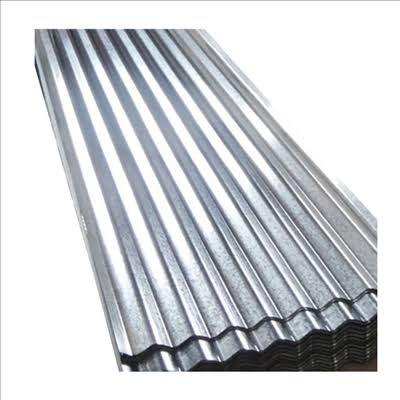
- Corrugated: Simple wavy pattern, generally cheaper.
- R-Panel/Agri-Panel: Standard ribbed style, moderate price.
- Standing Seam: Hidden fasteners, premium look, highest cost due to engineering and installation complexity.
How to Calculate Total Material Needs for Your Roof
Knowing the unit price is helpful, but calculating the total project cost requires precision. Buying too little leads to delays; buying too much wastes money.
Step-by-Step Calculation Guide
- Measure Your Roof Area: Calculate the square footage of each roof plane. Length × Width = Square Footage.
- Add Waste Factor: Metal roofing requires cutting. Add 10% for simple gable roofs and 15–20% for complex hips and valleys.
- Determine Coverage Width: Most 12-foot sheets have a coverage width of 36 inches (3 feet), even if the actual panel is wider. Check your specific product specs.
- Calculate Sheets Needed:
- Total Square Footage ÷ 3 (coverage width) = Linear Feet needed.
- Linear Feet ÷ 12 (length of sheet) = Number of Sheets.
Pro Tip: Always round up to the nearest whole sheet. You cannot buy half a panel from most suppliers.
For more detailed technical standards on metal roofing installations, you can refer to general construction guidelines available on Wikipedia.
Installation Costs: DIY vs. Professional Hiring
One of the biggest questions homeowners face is whether to install the 12-foot sheets themselves or hire a pro. While the material cost for how much is a 12 ft sheet of metal roofing is straightforward, labor changes the equation entirely.
DIY Installation
- Pros: Saves 50–60% of total project cost.
- Cons: High risk of leaks if installed incorrectly. Requires specialized tools (nibblers, seamers, drill drivers).
- Safety: Working on a roof is dangerous. Falls are a leading cause of home improvement injuries.
Professional Installation
- Cost: Typically ranges from $8 to $15 per square foot installed.
- Benefits: Warranty protection, proper flashing details, and speed.
- Value: A professionally installed metal roof can increase home resale value by up to 6%.
If you choose to DIY, ensure you use the correct screws with neoprene washers. Over-driving these screws can crush the washer, leading to immediate leaks. Under-driving them leaves gaps. It requires a delicate touch and practice.
Long-Term Value: Is Metal Roofing Worth the Upfront Cost?
When analyzing how much is a 12 ft sheet of metal roofing, look beyond the initial price tag. Consider the lifecycle cost.
- Lifespan: Asphalt shingles last 15–20 years. Metal roofs last 40–70 years.
- Maintenance: Metal requires minimal maintenance. Occasional cleaning and inspection of sealants are usually sufficient.
- Energy Efficiency: Reflective metal roofs can reduce cooling costs by 10–25% in hot climates.
While a 12-foot sheet of asphalt shingle equivalent might cost less initially, you will replace it two or three times before your metal roof needs attention. This makes metal a superior long-term financial decision.
Frequently Asked Questions (FAQ)
1. Can I cut a 12 ft metal roofing sheet to size?
Yes, you can cut metal roofing sheets. Use electric shears or a nibbler tool for clean cuts. Avoid using abrasive saws (like angle grinders) as the heat damages the protective coating, leading to rust along the cut edge.
2. What is the weight of a 12 ft metal roofing sheet?
Weight depends on the gauge. A 12-foot, 3-foot wide sheet of 29-gauge steel weighs approximately 40–50 lbs. A 26-gauge sheet weighs roughly 60–70 lbs. Aluminum is lighter, weighing about 30–40 lbs for the same dimensions.
3. Do I need special permits for metal roofing?
In most US jurisdictions, replacing a roof requires a building permit. Check with your local county or city building department. Some HOAs also have restrictions on metal roof colors and profiles.
4. How long does it take to install a 12 ft sheet?
For an experienced professional, installing a single 12-foot sheet takes about 5–10 minutes, including alignment and fastening. For a DIYer, expect 15–20 minutes per sheet as you learn the rhythm.
5. What is the best screw for metal roofing?
Use self-tapping hex-head screws with EPDM rubber washers. These are designed to penetrate the metal and create a watertight seal. Ensure the screw length is appropriate for penetrating both the panel and the purlin or deck below.
Conclusion
Understanding how much is a 12 ft sheet of metal roofing involves more than just checking a price tag. It requires evaluating the gauge, material type, and long-term benefits. While the upfront cost of $50–$100 per sheet may seem higher than traditional shingles, the durability, energy efficiency, and longevity of metal make it a wise investment for any US homeowner.
By carefully calculating your needs and choosing the right material for your climate, you can secure a roof that protects your home for decades. If you found this guide helpful, please share it with friends or family who are considering a roof upgrade. Your network will thank you for saving them from costly mistakes!