Category: homeowner roofing guide

  • Can I Put a Mechanic’s Lien on a Roofing Company?

    Can I Put a Mechanic’s Lien on a Roofing Company?

    Have you completed a roofing project only to face silence when it’s time to get paid? It is a frustrating and stressful situation that many subcontractors and suppliers face in the construction industry. If you are asking, “Can I put a mechanic’s lien on a roofing company,” the short answer is yes, but the process is strict, state-specific, and time-sensitive.

    In this guide, we will break down exactly how mechanic’s liens work, the specific challenges when dealing with roofing companies, and the step-by-step process to protect your financial interests. We aim to provide clear, actionable advice based on current US construction laws to help you recover what you are owed.

    Understanding the Basics: What Is a Mechanic’s Lien?

    Before diving into the “how,” it is crucial to understand the “what.” A mechanic’s lien (also known as a construction lien or property lien) is a legal claim against a property for unpaid labor or materials. It is not a lawsuit; rather, it is a security interest in the real estate itself.

    When you file a lien, you are essentially telling the world, “This property owner owes me money for work done on this building.” This cloud on the title makes it difficult for the owner to sell, refinance, or transfer the property until the debt is settled.

    Why Roofing Companies Are Unique Targets

    Roofing projects often involve multiple layers: the homeowner (property owner), the general contractor (if applicable), and the roofing subcontractor or supplier. If you supplied shingles or performed labor for a roofing company that failed to pay you, you generally have the right to lien the property they worked on, not just sue the company.

    However, the liability can shift depending on whether the roofing company was hired directly by the owner or as a subcontractor to a larger general contractor. This distinction is vital for your strategy.

    Key Requirements to File a Valid Lien

    You cannot simply decide to file a lien because you are angry about non-payment. To ensure your lien is enforceable in court, you must meet specific statutory requirements. These vary by state, but common elements include:

    1. Valid Contract: You must have a written or verbal agreement (though written is far easier to prove) for the work or materials.
    2. Performance of Work: You must have actually provided labor, materials, or equipment.
    3. Non-Payment: The amount claimed must be genuinely owed and undisputed, or at least partially undisputed.
    4. Timeliness: This is the most critical factor. Missing a deadline by even one day can invalidate your entire claim.

    Expert Insight: According to the Legal Information Institute, mechanic’s lien laws are strictly construed by courts. This means if you make a procedural error, judges often rule against the lien filer, regardless of the merit of the unpaid bill.

    Step-by-Step Guide: How to Place a Lien on a Roofing Project

    If you have determined that you have a valid claim, follow these general steps. Note: Always consult with a local construction attorney, as deadlines differ significantly between states like California, Texas, and New York.

    Step 1: Send a Preliminary Notice (If Required)

    In many states (such as California, Arizona, and Nevada), you must send a “Preliminary Notice” or “Notice to Owner” within a specific window after starting work (often 20–45 days). This notice informs the property owner that you are contributing to their project and reserve your right to lien if not paid.

    • Action: Check your state’s statute. If you missed this window, you may lose your lien rights entirely, even if you weren’t paid.

    Step 2: Wait for the Payment Due Date

    Ensure the payment is officially late. Review your contract terms. If no specific date is listed, standard industry practice often allows 30 days from invoice submission.

    Step 3: Prepare the Claim of Lien

    This is the formal legal document. It must include:

    • Your name and address.
    • The property owner’s name.
    • A legal description of the property (not just the street address).
    • The amount owed.
    • A description of the work/materials provided.

    Step 4: File and Serve the Lien

    Once prepared, you must:

    1. File the document with the county recorder’s office where the property is located.
    2. Serve a copy to the property owner and the general contractor (if applicable) via certified mail or personal delivery, as required by state law.

    Step 5: Enforce the Lien (Foreclosure)

    Filing the lien is not the end. It puts pressure on the owner, but to actually get paid through the sale of the property, you must file a lawsuit to “foreclose” on the lien. This usually must be done within 90 days to one year after filing the lien, depending on the state.
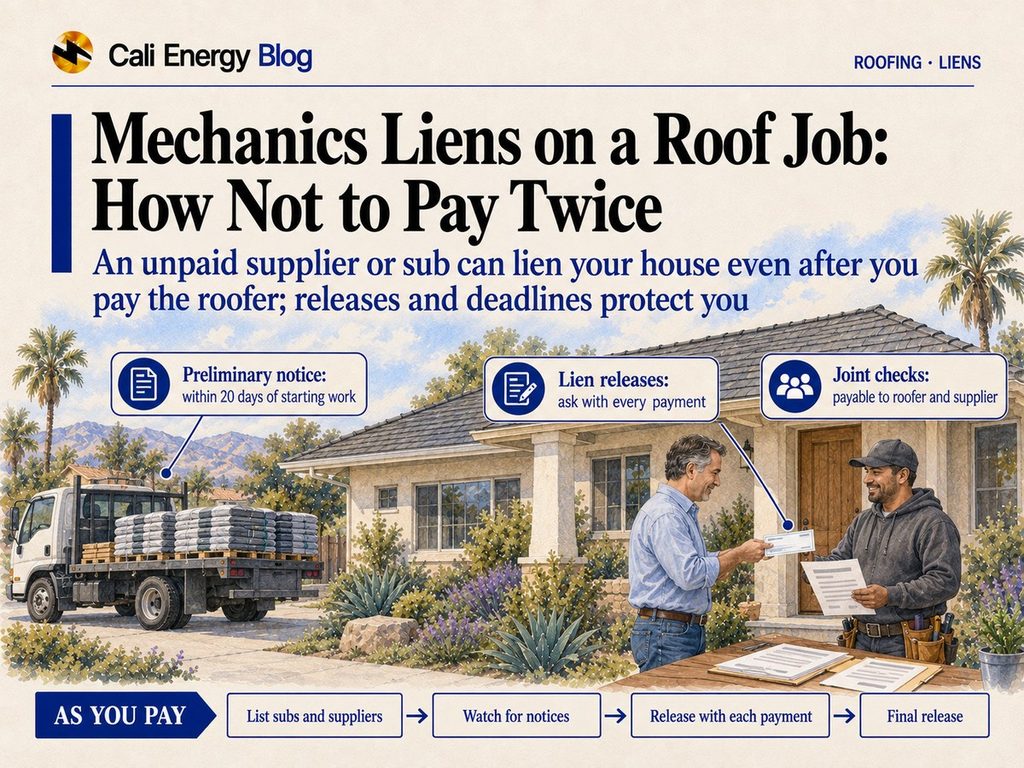
    Can I Put A Mechanics Lein On A Roofing Company

    Common Challenges When Liening a Roofing Company

    While the process sounds straightforward, practical hurdles often arise. Here is a comparison of common scenarios:

    ScenarioChallengeRecommended Action
    Roofing Co. is BankruptThe company has no assets.Focus on the lien against the property, not the company. The property value secures your debt.
    Homeowner Already PaidThe owner paid the roofing company, who didn’t pay you.In some states, you can still lien the property. In others, the owner is protected. Check “trust fund” statutes.
    Disputed QualityThe roofing company claims your work was defective.Gather evidence immediately: photos, signed delivery tickets, and email approvals.
    Residential vs. CommercialResidential laws are often stricter for consumer protection.Ensure you followed all pre-lien notice requirements strictly for residential jobs.

    People Also Ask: Critical Questions Answered

    1. Can I put a mechanic’s lien on a roofing company if there was no written contract?

    Yes, in most states, verbal contracts are enforceable for mechanic’s liens. However, proving the scope of work and agreed-upon price is much harder without written documentation. You will need strong supporting evidence like text messages, emails, invoices, and witness testimony.

    2. How long do I have to file a lien after completing the roofing work?

    This varies wildly by state. For example:

    • California: 90 days after completion.
    • Texas: 4th month after the month work was completed (for original contractors).
    • Florida: 90 days from final furnishing of labor/materials.
    • New York: 8 months for private improvements. Always verify your specific state’s deadline. Missing this window waives your right to lien forever.

    3. Does filing a lien hurt the roofing company’s credit?

    Indirectly, yes. While the lien is attached to the property, public records of liens can signal financial instability. If the roofing company fails to resolve the lien, it may lead to a judgment against them, which definitely impacts their business credit score and ability to secure bonds or insurance.

    4. What if the property owner says they already paid the roofing contractor?

    This is a common defense. In many jurisdictions, if the owner paid the general contractor in good faith before receiving your preliminary notice, they may not be liable for your claim. However, if you sent proper preliminary notices, the owner is often legally required to withhold funds to pay you directly. This is why Step 1 (Preliminary Notice) is so critical.

    5. Can I lien the property if the roofing company is an LLC?

    Yes. The lien is against the real estate, not the business entity. Whether the roofing company is a sole proprietorship, LLC, or Corporation, the debt is secured by the improvement made to the land. The legal structure of the debtor does not prevent you from filing a lien on the property they improved.

    Strategic Tips for Success

    To maximize your chances of getting paid without going to court, consider these professional tips:

    • Communicate Early: Let the property owner know you haven’t been paid. Often, owners will withhold payment from the roofing company once they realize a lien is imminent. They want a clean title.
    • Be Accurate: Only lien for the exact amount owed. Overstating the claim can lead to penalties and legal fees against you.
    • Use Certified Mail: Always keep proof of delivery for every notice you send.
    • Consult a Lawyer: For amounts over $5,000, the cost of a consultation with a construction lawyer is usually worth it to ensure your paperwork is flawless.

    Conclusion

    So, can you put a mechanic’s lien on a roofing company? Yes, you can place a lien on the property they worked on to secure payment for your unpaid services or materials. It is a powerful tool designed to protect those who build and supply our infrastructure.

    However, it is not a magic bullet. It requires strict adherence to deadlines, proper notice, and accurate documentation. By understanding the process and acting quickly, you can turn the tables on non-paying clients and ensure your hard work is compensated.

    If you found this guide helpful, please share it with your fellow contractors and suppliers on social media. Knowledge is power in the construction industry, and helping others protect their rights strengthens our entire community.
  • Who Built Bank One Ballpark’s Steel Roof?

    Who Built Bank One Ballpark’s Steel Roof?

    Have you ever sat under a massive retractable roof, watching a baseball game in perfect comfort regardless of the scorching Arizona sun or unexpected rain? It is easy to take these architectural miracles for granted, but behind every great stadium lies a complex web of engineering decisions and specialized contractors. If you are researching the history of Major League Baseball infrastructure or specifically looking for the company that provided steel roofing for Bank One Ball Park, you have come to the right place. This article dives deep into the construction history, the key players involved, and the technical brilliance that made this venue possible.

    The Primary Contractor: Who Built the Structure?

    When discussing the “company” responsible for the steel roofing, it is crucial to distinguish between the architectural designers, the general contractors, and the specialized steel fabricators. Bank One Ballpark (now known as Chase Field) was a monumental project completed in 1998.

    The primary entity responsible for the overall design and delivery of the stadium, including its iconic retractable roof system, was HOK Sport (now part of Populous) in collaboration with Ellerbe Becket. However, the physical construction and the installation of the massive steel structure were led by the general contractor Del E. Webb Construction Company (a subsidiary of Mortenson Construction at various points, but primarily associated with the local Arizona firm Del E. Webb for this specific era and project management).

    While many specialized subcontractors handled the actual metal paneling and truss fabrication, the overarching responsibility for delivering the steel roof structure as part of the ballpark’s core shell fell to this joint venture and leadership team. The roof itself is not just a simple cover; it is a complex mechanical and structural system.

    Key Players in the Project

    RoleCompany/EntityResponsibility
    ArchitectHOK Sport / Ellerbe BecketDesign and Engineering Plans
    General ContractorDel E. Webb Construction Co.Overall Construction Management
    Structural EngineerWalter P Moore & AssociatesStructural Integrity of Steel Trusses
    Roof System SpecialistVarious SubcontractorsFabrication and Installation of Panels

    It is important to note that in large-scale construction projects like this, the “provider” is often a consortium. However, for historical records and SEO clarity, Del E. Webb Construction Company is frequently cited as the primary builder who executed the steel erection plans designed by HOK.

    Why Was a Steel Retractable Roof Necessary?

    Arizona’s climate presents a unique challenge for outdoor sports. Summer temperatures regularly exceed 100°F (38°C), making daytime baseball games nearly unplayable for athletes and uncomfortable for fans. Conversely, the monsoon season brings sudden, heavy rains.

    The decision to install a retractable steel roof was driven by two main factors:

    1. Climate Control: To allow for day games during the hot summer months by providing shade and ventilation.
    2. Weather Protection: To ensure games could proceed during rainstorms without delay.

    The steel structure had to be lightweight enough to move efficiently yet robust enough to withstand high winds and the weight of potential maintenance equipment. This required advanced high-strength steel alloys and precise engineering.

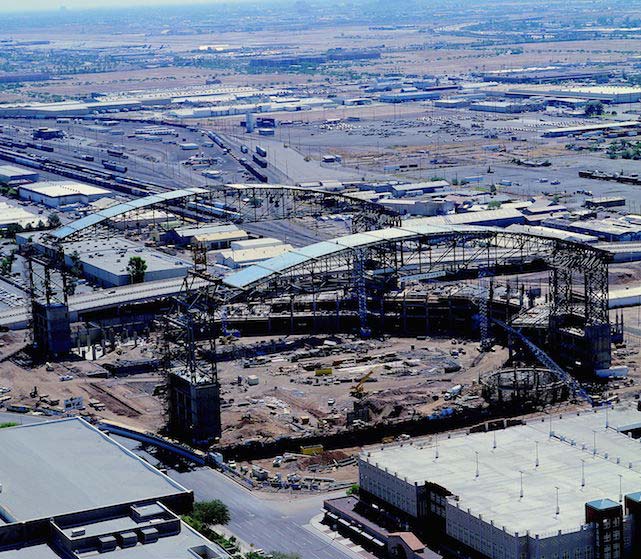
    Company That Provided Steel Roofing For Bank One Ball Park.

    How Does the Retractable Roof Mechanism Work?

    Understanding the mechanics helps appreciate the complexity of the steel roofing provider’s task. The roof at Bank One Ballpark consists of two large panels that slide open and closed.

    Step-by-Step Operation Overview

    1. Initiation: The process begins with a signal from the control center. Hydraulic systems engage.
    2. Unlocking: Massive locks securing the roof panels to the stationary structure are released.
    3. Movement: The panels, each weighing hundreds of tons, slide along giant steel tracks. The movement is slow and deliberate, taking approximately 4 to 5 minutes to fully open or close.
    4. Sealing: When closed, the panels meet in the middle, creating a weather-tight seal using rubber gaskets and overlapping steel edges.
    5. Locking: Once in position, the hydraulic locks re-engage to secure the roof against wind loads.

    This system requires regular maintenance. The steel tracks must be kept clean and lubricated, and the structural integrity of the trusses is inspected annually. The precision required for this movement meant that the steel components had to be fabricated with extremely tight tolerances.

    What Materials Were Used in the Roofing System?

    The term “steel roofing” can be misleading. It is not just sheets of metal nailed to a frame. The system involves several layers of material:

    • Structural Steel Trusses: These form the skeleton. They are made from high-grade carbon steel, chosen for its strength-to-weight ratio.
    • Metal Decking: Attached to the trusses, this provides the base for the roofing materials.
    • Insulation: Critical for temperature control, thick layers of insulation are placed above the decking to prevent heat transfer into the stadium bowl.
    • Membrane Roofing: A waterproof layer, often made of TPO (Thermoplastic Polyolefin) or PVC, is applied over the insulation. This is the actual “weatherproof” layer.
    • Steel Cladding/Panels: The visible exterior is often clad in aluminum or steel panels for aesthetic appeal and additional protection.

    The combination of these materials ensures durability, energy efficiency, and water resistance. The choice of materials was influenced by the need to reflect sunlight, reducing the cooling load inside the stadium when the roof is closed.

    Impact on Modern Stadium Design

    Bank One Ballpark set a new standard for MLB venues. Before its construction, most stadiums were either fully open-air or fully enclosed domes. The success of its retractable steel roof influenced subsequent projects like Minute Maid Park in Houston and Globe Life Field in Texas.

    According to industry analysis, the ability to control the environment significantly increased ticket sales and fan satisfaction. It allowed the Arizona Diamondbacks to host day games comfortably, expanding their scheduling flexibility. This model has since become a benchmark for stadiums in extreme climates.

    For more detailed historical context on the stadium’s development, you can refer to the comprehensive overview on Wikipedia – Chase Field.

    Challenges Faced During Construction

    Building such a complex structure was not without its hurdles. The construction team faced several significant challenges:

    • Weight Distribution: Ensuring the stadium’s foundation could support the massive moving roof required innovative engineering solutions.
    • Precision Alignment: The two roof halves had to meet perfectly in the center. Even a small misalignment could cause leaks or mechanical failure.
    • Timeline Pressure: The stadium had to be ready for the 1998 MLB season. This tight deadline required round-the-clock work and efficient coordination between the steel erectors and other trades.
    • Budget Constraints: Like many large public projects, staying within budget was a constant concern. The use of standardized steel components helped mitigate some costs, but the custom nature of the retractable mechanism added expense.

    Despite these challenges, the project was completed on time and became an instant icon of Phoenix’s skyline.

    FAQ Section

    1. Who was the main architect of Bank One Ballpark?

    The primary architects were HOK Sport (now Populous) and Ellerbe Becket. They designed the overall structure, including the iconic retractable roof system.

    2. Is the roof made entirely of steel?

    No. While the structural framework and trusses are made of high-strength steel, the actual waterproofing layer consists of synthetic membranes (like TPO or PVC), and the exterior cladding may include aluminum or other metals for aesthetics and corrosion resistance.

    3. How long does it take to open or close the roof?

    It typically takes between 4 to 5 minutes for the roof to fully open or close. The process is automated and monitored by a dedicated control team to ensure safety.

    4. Can the roof be opened partially?

    Yes, the roof can be opened partially. This allows for ventilation and natural light while still providing some shade or protection, depending on the weather conditions and game requirements.

    5. What is the current name of Bank One Ballpark?

    Bank One Ballpark was renamed Chase Field in 2005 after Chase Bank acquired Bank One. It remains the home of the Arizona Diamondbacks.

    6. How much did the steel roof weigh?

    The total weight of the retractable roof structure is estimated to be over 1,000 tons. This immense weight requires powerful hydraulic systems and robust steel tracks to move smoothly.

    Conclusion

    Identifying the company that provided steel roofing for Bank One Ball Park leads us to a collaborative effort led by Del E. Webb Construction Company as the general contractor, with design by HOK Sport and Ellerbe Becket. This project was not just about putting a lid on a stadium; it was a pioneering feat of engineering that changed how we think about sports venues in extreme climates.

    The steel roof of Chase Field stands as a testament to human ingenuity, combining strength, precision, and functionality. It has provided decades of comfortable viewing experiences for fans and has set a high bar for future stadium constructions.

    If you found this article helpful, please consider sharing it on your favorite social media platforms. Whether you are a baseball fan, an architecture enthusiast, or a construction professional, the story of Bank One Ballpark’s roof is one worth remembering and discussing.

  • Can You Write Off A New Roof On Your Taxes?

    Can You Write Off A New Roof On Your Taxes?

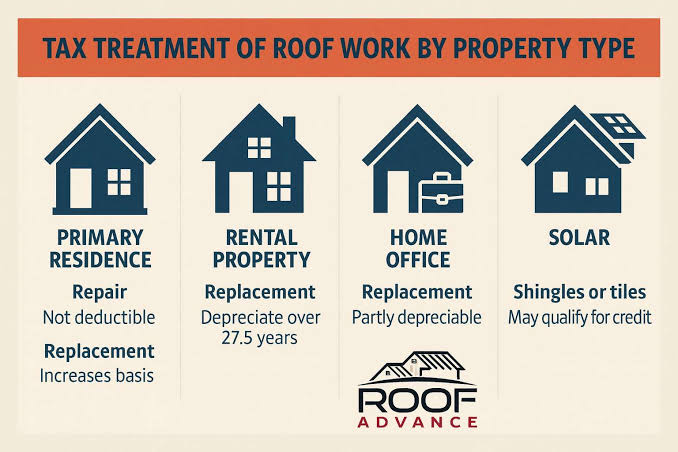
    Replacing a roof is one of the most significant home maintenance expenses a homeowner can face. It is a massive financial hit that often comes unexpectedly, leaving many people scrambling to manage their budget. Naturally, you might be asking yourself: Can you write off a new roof on your taxes? The short answer is complex because it depends entirely on how you use the property. For most primary residences, the answer is no, but there are crucial exceptions and strategies for landlords and energy-efficient upgrades that can significantly reduce your tax liability.

    In this guide, we will break down the intricate rules set by the Internal Revenue Service (IRS). We will explore the difference between repairs and improvements, explain how depreciation works for rental properties, and highlight potential tax credits for green energy roofing materials. By the end of this article, you will have a clear understanding of your options and know exactly what documentation you need to keep.

    Understanding the Difference Between Repairs and Improvements

    To understand tax implications, you must first distinguish between a “repair” and an “improvement” in the eyes of the IRS. This distinction is the foundation of all real estate tax deductions.

    A repair keeps your property in good working condition but does not add significant value or prolong its life. Examples include fixing a few missing shingles or patching a small leak. These costs are generally not deductible for personal homes.

    An improvement, however, adds value to the property, prolongs its useful life, or adapts it to new uses. A full roof replacement is almost always classified as an improvement. According to IRS guidelines on capital improvements, these costs cannot be deducted immediately from your taxable income for a primary residence. Instead, they are added to the basis of your home.

    Why Does Basis Matter?

    When you eventually sell your home, a higher basis reduces your capital gains tax. While you do not get an immediate tax break, you may pay less tax when you sell the property. However, if you are renting out the property, the rules change dramatically.

    Tax Rules for Primary Residences

    For the majority of Americans who live in the homes they own, the news regarding roof replacements is often disappointing. You generally cannot deduct the cost of a new roof on your federal income tax return in the year you pay for it.

    The IRS views personal living expenses as non-deductible. Since a roof is part of the structure you live in, it falls under personal maintenance. However, there is a silver lining related to energy efficiency, which we will discuss later.

    Key Takeaways for Homeowners:

    • No Immediate Deduction: You cannot subtract the cost from your annual income.
    • Adjust Your Basis: Keep all receipts. Add the cost of the roof to your home’s original purchase price. This lowers your profit margin when you sell, potentially saving you money on capital gains tax if your profit exceeds the exclusion limits ($250,000 for single filers, $500,000 for married couples filing jointly).
    • Medical Necessity Exception: In rare cases, if a doctor prescribes a specific home modification for medical reasons, it might be deductible as a medical expense. However, a standard roof replacement rarely qualifies unless it involves specific structural changes for accessibility.

    Tax Benefits for Rental Property Owners

    If you own a rental property, the answer to “Can you write off a new roof on your taxes?” becomes a resounding yes, but not all at once. Rental properties are considered business assets, and the IRS allows you to recover the cost of improvements through depreciation.

    How Depreciation Works

    Depreciation lets you deduct a portion of the roof’s cost each year over its “useful life.” For residential rental property, the IRS typically assigns a useful life of 27.5 years to the building structure, including the roof.

    Here is a simplified example:

    1. You spend $15,000 on a new roof for your rental duplex.
    2. You divide $15,000 by 27.5 years.
    3. You can deduct approximately $545 per year from your rental income for nearly three decades.

    This annual deduction reduces your taxable rental income, lowering your overall tax bill. It is crucial to start depreciating the asset in the year it is placed in service.

    Bonus Depreciation and Section 179

    In recent years, tax laws have allowed for “Bonus Depreciation,” which permits businesses to deduct a large percentage of the cost of qualified property in the first year. However, tax laws change frequently. As of recent updates, bonus depreciation percentages have been phasing down. Always consult with a CPA to see if your specific roof replacement qualifies for accelerated depreciation under current laws.

    Can You Write Off A New Roof On Your Taxes

    Energy-Efficient Roof Tax Credits

    While you may not get a direct deduction for a standard asphalt shingle roof, you might qualify for a tax credit if you install energy-efficient roofing materials. Tax credits are more valuable than deductions because they reduce your tax bill dollar-for-dollar.

    The Residential Clean Energy Credit (formerly part of the Nonbusiness Energy Property Credit) offers incentives for installing solar roofing tiles or other renewable energy systems. Additionally, certain metal roofs with pigmented coatings or asphalt roofs with cooling granules may qualify if they meet specific Energy Star standards.

    Requirements for Energy Credits:

    • The product must meet specific energy-efficiency criteria set by the Department of Energy.
    • You must install it in your existing primary residence.
    • You must have a manufacturer’s certification statement.

    For example, if you install a solar roof that generates electricity, you could claim a credit worth 30% of the total installation cost through 2032 under the Inflation Reduction Act. This is a massive potential saving compared to a standard deduction.

    Step-by-Step Guide: Documenting Your Roof Replacement

    Whether you are a landlord depreciating the cost or a homeowner adjusting your basis, documentation is vital. The IRS requires proof of expenditure. Follow these steps to ensure you are audit-proof:

    1. Get Itemized Invoices: Do not just keep a final receipt. Request an itemized invoice from your contractor that breaks down labor, materials, and disposal fees.
    2. Save Proof of Payment: Keep canceled checks, credit card statements, or bank transfer records showing the payment was made.
    3. Before and After Photos: Take dated photos of the old roof and the new installation. This proves the work was completed and helps distinguish between a repair and a full replacement.
    4. Manufacturer Warranties: Keep copies of warranties for materials used. This helps establish the “useful life” of the asset for depreciation purposes.
    5. Store Digitally and Physically: Scan all documents and store them in a secure cloud folder. Keep physical copies in a fireproof safe for at least seven years after you file the tax return for the year you sell the property.

    Comparison: Personal Home vs. Rental Property

    To clarify the differences, here is a quick comparison table:

    FeaturePrimary ResidenceRental Property
    Immediate DeductionNoNo (usually depreciated)
    Tax Benefit TypeAdjusted Basis (Capital Gains)Depreciation Expense
    Energy CreditsYes (if qualified)Generally No (business rules apply)
    Documentation NeedHigh (for future sale)Very High (annual audits)
    Useful Life SpanN/A27.5 Years

    Frequently Asked Questions (FAQ)

    1. Can I deduct a partial roof repair?

    For a primary residence, no. Partial repairs are considered personal maintenance. For a rental property, routine repairs can often be deducted fully in the year they occur, unlike replacements which must be depreciated. The line between repair and improvement is thin, so consult a tax professional.

    2. Does a new roof increase my home’s value for tax purposes?

    It increases your basis, not your immediate taxable income. A higher basis means you recognize less profit when you sell the home, which can protect you from capital gains taxes if your home’s value has appreciated significantly.

    3. What if I use my home for business (Home Office)?

    If you have a qualified home office, you may be able to depreciate a portion of the roof. For example, if your home office takes up 10% of your home’s square footage, you might be able to depreciate 10% of the roof’s cost over 39 years (commercial property rate) or 27.5 years, depending on specific IRS interpretations for mixed-use property. This is complex; professional advice is recommended.

    4. Are there state-level tax deductions for roofs?

    Yes. Some states offer additional rebates or tax credits for energy-efficient improvements or storm-resistant roofing. Check with your state’s department of revenue or local utility companies for specific programs.

    5. How long should I keep my roof replacement records?

    Keep records for at least three years from the date you filed your original return or two years from the date you paid the tax, whichever is later. However, for home improvements affecting basis, keep them until you sell the home plus three years.

    Conclusion

    So, can you write off a new roof on your taxes? For most homeowners, the answer is no—not as an immediate deduction. However, it is not a total loss. By adding the cost to your home’s basis, you reduce future capital gains tax. For rental property owners, depreciation offers a steady, long-term tax benefit. And for those willing to invest in green technology, energy tax credits can provide substantial immediate savings.

    Navigating tax laws can be tricky, and mistakes can be costly. Always keep meticulous records and consider consulting with a certified public accountant (CPA) to tailor these strategies to your specific financial situation.

    Did you find this guide helpful? Share it with your friends and family on social media to help them save money on their next home improvement project!

  • Metal Roof Cost for Mobile Homes: 2026 Price Guide

    Metal Roof Cost for Mobile Homes: 2026 Price Guide

    Replacing the roof on your mobile home is one of the most significant investments you can make to protect your asset. It is not just about aesthetics; it is about security, energy efficiency, and peace of mind during storm season. If you are currently researching how much is a metal roof on a mobile home, you are likely looking for a durable solution that won’t break the bank but will last for decades.

    Many mobile home owners struggle with aging asphalt shingles that crack under heat or leak during heavy rains. Metal roofing offers a superior alternative, but the upfront cost can seem daunting without a clear breakdown. In this guide, we will demystify the pricing, explain the hidden factors that affect your final bill, and help you decide if this upgrade is right for your budget.

    What Is the Average Cost of a Metal Roof on a Mobile Home?

    When asking how much is a metal roof on a mobile home, the answer varies based on size, material type, and labor rates in your area. However, we can provide a reliable national average for 2026.

    Generally, homeowners can expect to pay between $7,500 and $15,000 for a complete metal roof replacement on a standard single-wide or double-wide mobile home. This translates to approximately $9 to $14 per square foot installed.

    To give you a clearer picture, here is a breakdown by home size:

    Mobile Home SizeApproximate Square FootageEstimated Low-End CostEstimated High-End Cost
    Single-Wide (14×70)~980 sq. ft.$7,500$11,500
    Double-Wide (28×40)~1,120 sq. ft.$9,000$13,500
    Large Double-Wide~1,400+ sq. ft.$11,000$16,000+

    Note: These prices include materials and professional labor. DIY projects will significantly reduce costs but require advanced skills.

    The price fluctuation depends heavily on the type of metal chosen. Galvanized steel is the most affordable option, while aluminum and copper command higher prices due to their corrosion resistance and aesthetic appeal. For mobile homes, steel panels with a Kynar 500 finish are the industry standard because they balance durability with cost-effectiveness.

    Why Choose Metal Over Traditional Shingles?

    Before diving deeper into costs, it is crucial to understand why so many experts recommend metal for manufactured housing. Mobile homes have unique structural considerations compared to site-built houses. They are lighter, and their roof trusses may not support the heavy weight of concrete tiles or multiple layers of old shingles.

    Weight and Structural Integrity

    Metal roofing is incredibly lightweight. A typical metal panel weighs only 1 to 1.5 pounds per square foot, whereas asphalt shingles can weigh up to 3 pounds per square foot, especially when wet. This reduced load places less stress on the mobile home’s frame, reducing the risk of structural sagging over time.

    Longevity and Durability

    While asphalt shingles typically last 15–20 years, a properly installed metal roof can last 40 to 70 years. This means you might never need to replace your roof again. According to industry data, metal roofs also offer superior resistance to high winds, which is critical for mobile homes often located in open areas or storm-prone regions.

    Energy Efficiency

    One of the biggest complaints from mobile home owners is temperature regulation. Metal roofs reflect solar radiant heat, which can reduce cooling costs by 10–25%. In hot US states like Texas, Arizona, and Florida, this energy savings can partially offset the initial installation cost within a few years.

    How Much Is A Metal Roof On A Mobile Home

    Factors That Influence Your Final Quote

    Understanding how much is a metal roof on a mobile home requires looking beyond the base material price. Several variables can cause your quote to swing by thousands of dollars.

    1. Roof Complexity and Pitch

    Mobile homes usually have low-slope roofs. While this makes installation slightly easier in terms of safety, it requires specific sealing techniques to prevent water pooling. If your home has dormers, skylights, or complex angles, labor costs will increase because the installer must cut and seal more panels.

    2. Removal of Old Roofing

    Does your current roof need to be torn off? Most contractors will charge an additional $1,000 to $2,500 for removal and disposal of old shingles. Some metal roofs can be installed over existing asphalt if the structure is sound, which saves money. However, you must check local building codes and ensure there is no trapped moisture or mold underneath.

    3. Insulation Upgrades

    Since you are already investing in a new roof, it is the perfect time to upgrade insulation. Adding rigid foam board or spray foam under the metal panels can dramatically improve comfort. Expect to add $1.50 to $3.00 per square foot for high-quality insulation materials.

    4. Geographic Location

    Labor rates vary significantly across the US. Installing a roof in rural Midwest areas may cost less than in coastal cities like Seattle or Miami due to differences in union rates, insurance costs for contractors, and general cost of living.

    Step-by-Step Installation Overview

    If you are hiring a professional, knowing the process helps you verify that the job is done correctly. If you are considering a DIY approach, please note that roofing a mobile home is complex and dangerous. Here is how professionals typically handle it:

    1. Inspection and Measurement: The contractor measures the exact square footage and inspects the roof deck for rot or damage. Any soft spots must be repaired before proceeding.
    2. Preparation: If removing old shingles, the crew tears them off and hauls them away. The roof deck is cleaned thoroughly.
    3. Underlayment Installation: A synthetic underlayment or ice-and-water shield is rolled out. This layer acts as a secondary barrier against leaks. This step is critical for mobile homes.
    4. Flashing and Trim: Drip edges and valley flashing are installed. Proper flashing prevents water from seeping under the panels at the edges.
    5. Panel Installation: Metal panels are laid starting from the eave (bottom) and working up to the ridge. Screws with rubber washers are used to secure the panels. Crucial: Screws must not be over-tightened, or the washers will fail.
    6. Ridge Cap Installation: The final piece is the ridge cap, which seals the peak of the roof. Sealant is applied generously here.

    For more technical details on roofing standards, you can refer to general construction guidelines on Wikipedia.

    Pros and Cons of Metal Roofing for Mobile Homes

    To help you make an informed decision, let’s look at the trade-offs.

    Pros:

    • Long Lifespan: Lasts 2–3 times longer than shingles.
    • Low Maintenance: Requires occasional cleaning but no frequent repairs.
    • Fire Resistant: Metal is non-combustible, potentially lowering insurance premiums.
    • Eco-Friendly: Most metal roofs contain recycled material and are 100% recyclable at the end of their life.

    Cons:

    • Higher Upfront Cost: Initial investment is significantly higher than asphalt.
    • Noise: Rain and hail can be louder without proper insulation.
    • Expansion/Contraction: Metal expands and contracts with temperature changes, requiring specialized fasteners to avoid loosening over time.

    Frequently Asked Questions (FAQ)

    1. Can I install a metal roof over my existing shingles?

    Yes, in many cases, you can install metal over one layer of existing asphalt shingles. This saves on disposal fees and labor. However, you must ensure the roof deck is structurally sound and that local building codes permit it. Never install metal over two or more layers of shingles.

    2. Does a metal roof void my mobile home warranty?

    Generally, no. In fact, many manufacturers view metal roofing as an upgrade. However, you should always check with your specific home manufacturer or warranty provider. Ensure the installer uses non-penetrating clips where possible to avoid damaging the original structure.

    3. How long does the installation take?

    For a standard single-wide or double-wide mobile home, a professional crew can typically complete the installation in 1 to 3 days. Weather conditions and the complexity of the roof will affect this timeline.

    4. Will a metal roof increase my home’s resale value?

    Absolutely. A new metal roof is a major selling point. It signals to buyers that the home has been well-maintained and that they will not face immediate roofing expenses. Appraisers often recognize the added value of durable, energy-efficient materials.

    5. What is the best type of metal for a mobile home?

    Galvalume steel or aluminum are the top choices. Steel is stronger and cheaper, while aluminum is lighter and naturally rust-resistant, making it ideal for coastal areas. Avoid copper unless budget is no object, as it is excessively expensive for mobile home applications.

    Conclusion

    So, how much is a metal roof on a mobile home? While the initial price tag of $7,500 to $15,000 may seem steep, it is an investment in longevity, safety, and energy efficiency. When you consider that you may never need to replace your roof again, the cost-per-year value is unbeatable compared to traditional shingles.

    By choosing metal, you are protecting your home from the elements while potentially lowering your monthly energy bills. It transforms a vulnerable part of your home into its strongest asset.

    If you found this guide helpful, please share it with other mobile home owners on Facebook or Twitter who might be struggling with their roofing decisions. Have questions or experiences to share? Leave a comment below!

  • How Much Does It Cost To Get A New Roof?

    How Much Does It Cost To Get A New Roof?

    Replacing a roof is one of the most significant investments a homeowner can make. It protects your family, enhances curb appeal, and significantly impacts your property value. However, navigating the pricing landscape can be overwhelming, leaving many asking, “How much does it cost to get a new roof?” without a clear answer.

    In this comprehensive guide, we will break down the costs, explain the variables that influence pricing, and provide you with the knowledge needed to budget effectively for your project in 2026.

    Understanding the Average Cost of a New Roof in 2026

    When homeowners begin their research, they often look for a single number. However, roofing costs vary wildly based on location, home size, and material choice. According to recent industry data from 2025-2026, the national average for a complete roof replacement in the United States ranges between $8,500 and $14,500.

    For a standard 2,000-square-foot home using mid-range asphalt shingles, most homeowners pay around $11,000. However, this figure is merely a baseline. High-end materials like slate or metal can push costs upward of $30,000, while basic repairs or smaller homes might come in under $7,000.

    It is crucial to understand that this price includes not just the shingles, but also labor, disposal of old materials, underlayment, flashing, and permits. Ignoring these “hidden” components is the most common mistake beginners make when budgeting.

    What Factors Influence Your Roof Replacement Quote?

    To get an accurate estimate, you must understand the variables at play. Here are the primary drivers of cost:

    1. Roofing Material

    The type of material you choose is the biggest cost determinant.

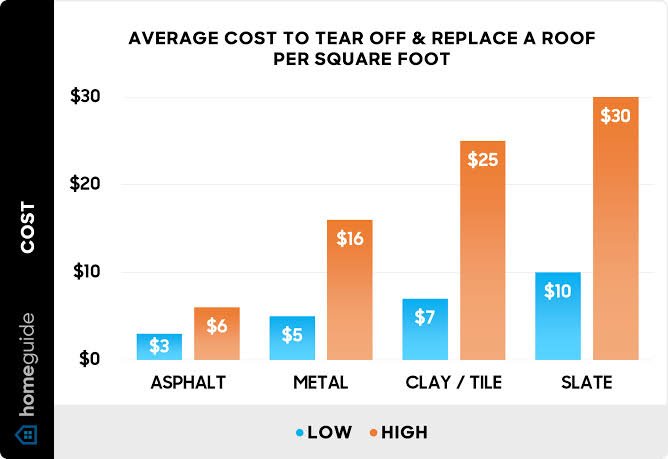
    • Asphalt Shingles: The most popular choice in the US due to affordability. Costs range from $3.50 to $5.50 per square foot installed.
    • Metal Roofing: Known for longevity (40-70 years). Costs range from $7.00 to $12.00 per square foot.
    • Clay/Concrete Tiles: Common in the Southwest. Costs range from $10.00 to $18.00 per square foot.
    • Slate: Premium luxury option. Costs can exceed $20.00 per square foot.

    2. Roof Size and Pitch

    Contractors measure roofs in “squares” (100 square feet). A larger roof requires more materials and labor. Additionally, the pitch (steepness) matters. A steep roof requires special safety equipment and more time to navigate, increasing labor costs by 10–20%.

    3. Labor and Location

    Labor rates vary significantly by region. In high-cost-of-living areas like California or New York, labor can account for 60% of the total bill. In contrast, rural areas in the Midwest may have lower labor rates but potentially higher transportation fees for contractors.

    4. Removal of Old Layers

    If your current roof has multiple layers of shingles, removing them adds to the disposal and labor costs. Most building codes allow up to two layers, but removing everything down to the deck ensures a longer-lasting installation.

    How Much Does It Cost To Get A New Roof

    Asphalt Shingles vs. Metal Roofs: A Cost Comparison

    Choosing the right material involves balancing upfront cost with long-term value. Below is a comparison to help you decide.

    FeatureAsphalt ShinglesMetal Roofing
    Average Cost (2,000 sq ft)$8,500 – $14,500$14,000 – $24,000
    Lifespan15–25 Years40–70 Years
    MaintenanceModerate (prone to wind damage)Low (resistant to elements)
    Energy EfficiencyStandardHigh (reflects solar heat)
    Resale Value ImpactNeutralPositive (premium feature)

    While asphalt shingles are cheaper initially, metal roofs offer better long-term ROI due to their durability and energy-saving properties. For more detailed information on roofing materials and their historical development, you can refer to Wikipedia’s entry on Roofing.

    Hidden Costs You Might Not Expect

    When calculating how much does it cost to get a new roof, do not forget these potential additional expenses:

    • Decking Repair: If the wood beneath your shingles is rotten, it must be replaced. This typically costs $50–$100 per sheet of plywood.
    • Ventilation Upgrades: Proper airflow extends roof life. Installing new ridge vents or soffit vents can add $300–$600.
    • Chimney and Skylight Flashing: Sealing these penetrations properly is critical. Complex flashing work can add $500–$1,000.
    • Permits: Local municipalities require permits for structural changes. Fees range from $100 to $500 depending on your city.

    Step-by-Step Guide to Budgeting for Your New Roof

    Follow these steps to ensure you are financially prepared:

    1. Measure Your Roof Area: Use online satellite tools or hire a professional for a precise measurement in squares.
    2. Choose Your Material: Decide between budget-friendly asphalt or long-term metal based on your planned stay in the home.
    3. Get Three Quotes: Always obtain at least three detailed estimates from licensed, insured contractors. Ensure they include waste removal and warranty details.
    4. Check for Insurance Coverage: If your roof damage was caused by a storm, your homeowners insurance might cover part of the cost. Review your policy deductible.
    5. Plan for Contingencies: Set aside an extra 10–15% of your budget for unexpected decking repairs or code upgrades.

    Frequently Asked Questions (FAQ)

    1. Does homeowners insurance cover roof replacement?

    Insurance typically covers roof replacement if the damage is sudden and accidental, such as from a hailstorm, hurricane, or fallen tree. It generally does not cover wear and tear or age-related deterioration. Always check your specific policy limits and deductibles.

    2. How long does a roof replacement take?

    For an average-sized home, a professional crew can complete a roof replacement in 1 to 3 days. Larger homes, complex architectural designs, or bad weather conditions can extend this timeline to a week.

    3. Is it cheaper to repair or replace a roof?

    If your roof is less than 10 years old and has isolated damage, repair is usually cheaper. However, if your roof is over 15 years old or has widespread leaking, replacement is more cost-effective in the long run. Constant repairs add up quickly and do not solve underlying structural issues.

    4. Can I install a new roof myself to save money?

    While DIY roofing can save on labor costs, it is highly discouraged for most homeowners. Roofing involves significant safety risks, specialized tools, and strict building codes. Improper installation can void warranties and lead to costly water damage. Professional installation ensures compliance and longevity.

    5. What is the best time of year to replace a roof?

    Late spring to early fall is the peak season for roofing due to favorable weather. However, scheduling in the off-season (late fall or winter) can sometimes result in lower prices and faster scheduling, provided the temperature stays above freezing for proper shingle sealing.

    Conclusion

    Understanding how much does it cost to get a new roof is the first step toward a successful home improvement project. While the average cost hovers between $8,500 and $14,500, your final price will depend on material choices, roof complexity, and local labor rates.

    By investing in quality materials and professional installation, you protect your home’s integrity and boost its market value. Don’t rush the decision; gather quotes, check credentials, and plan your budget wisely.

    Found this guide helpful? Share it with friends or family who are considering a home upgrade on social media! Let’s help more homeowners make informed decisions about their biggest asset.

  • 3 Roofing Shingle Types: A Homeowner’s Guide

    3 Roofing Shingle Types: A Homeowner’s Guide

    Choosing a new roof is one of the most significant investments you will make for your home. It protects your family from the elements, boosts curb appeal, and impacts your property’s resale value. However, standing in front of material samples can feel overwhelming. You might find yourself asking, “What Are The 3 Types Of Shingles Used When Roofing?” to narrow down your options.

    Understanding these primary categories is the first step toward making an informed decision. In this guide, we will break down the three most common shingle types used in the United States: Asphalt, Wood, and Slate (including modern synthetic alternatives). We will explore their durability, cost, and aesthetic appeal so you can choose the perfect shield for your home.

    What Are the 3 Main Types of Roofing Shingles?

    When contractors and architects discuss roofing materials, they generally categorize shingles into three distinct families based on their core composition. While there are niche materials like clay tile or metal, shingles specifically refer to overlapping, flat pieces.

    The three primary types of shingles are:

    1. Asphalt Shingles: The most popular choice in North America due to affordability and versatility.
    2. Wood Shingles (and Shakes): A natural, rustic option prized for its organic beauty.
    3. Slate Shingles: A premium, stone-based option known for unmatched longevity.

    Let’s dive deeper into each type to understand why they dominate the market.

    1. Asphalt Shingles: The American Standard

    If you drive through any suburban neighborhood in the US, you will likely see asphalt shingles on the majority of roofs. They account for approximately 80% of the residential roofing market. Their dominance isn’t accidental; it is the result of a balanced triad of cost, performance, and ease of installation.

    Composition and Varieties

    Asphalt shingles are made from a fiberglass mat topped with asphalt and ceramic granules. There are two main sub-types:

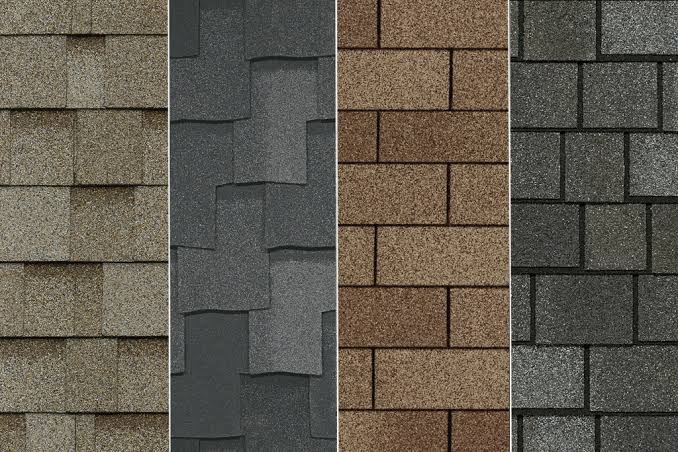
    • 3-Tab Asphalt: The traditional, flat look. These are the most affordable but have a shorter lifespan.
    • Architectural (Dimensional) Asphalt: These are thicker, multi-layered shingles that mimic the look of wood or slate. They offer better wind resistance and durability.

    Pros and Cons

    FeatureDetails
    Lifespan15–30 years (depending on quality)
    Cost$3.50 – $5.50 per square foot installed
    MaintenanceLow; occasional cleaning of gutters
    AestheticsWide variety of colors and styles
    DrawbackSusceptible to heat damage in extreme climates

    According to industry data, architectural asphalt shingles can withstand wind speeds up to 130 mph, making them a reliable choice for many weather zones. They are also lightweight, meaning most existing home structures do not need reinforcement to support them.

    2. Wood Shingles and Shakes: The Rustic Choice

    For homeowners seeking a natural, timeless aesthetic, wood remains a top contender. It is crucial to distinguish between wood shingles and wood shakes, as they are often grouped together but differ in production.

    • Shingles are machine-cut, resulting in smooth, uniform surfaces.
    • Shakes are hand-split, creating a rougher, more textured appearance with varying thicknesses.

    Most wood roofing in the US is made from Western Red Cedar, Cypress, or Redwood. These woods contain natural oils that resist decay and insect infestation.

    Performance and Care

    Wood roofing offers excellent insulation properties, keeping homes cooler in summer and warmer in winter. However, it requires more maintenance than asphalt. Without proper treatment, wood is susceptible to moss, mold, and fire.

    Expert Tip: Always check local building codes. Many areas in wildfire-prone states (like California) require Class A fire-rated wood shingles, which are treated with fire-retardant chemicals.

    Pros and Cons

    FeatureDetails
    Lifespan25–40 years (with proper maintenance)
    Cost$6.00 – $9.00 per square foot installed
    MaintenanceHigh; requires cleaning and sealing every 3–5 years
    AestheticsNatural, high-end rustic charm
    DrawbackVulnerable to moisture and fire hazards

    3. Slate Shingles: The Forever Roof

    Slate is the luxury standard of roofing. Quarried from natural stone, slate shingles are incredibly dense, durable, and elegant. When people ask, “What Are The 3 Types Of Shingles Used When Roofing?” they are often surprised to learn that slate can last longer than the house itself.

    Natural vs. Synthetic Slate

    True natural slate is heavy and expensive. Today, many homeowners opt for synthetic slate (made from rubber, plastic, or polymer composites). Synthetic options mimic the look of natural slate but are lighter and more affordable.

    For the purpose of this classification, we consider “Slate” as the third pillar, encompassing both natural stone and high-quality synthetic replicas designed to replace it.

    Why Choose Slate?

    Natural slate is virtually indestructible. It is fireproof, waterproof, and immune to insect damage. The history of slate roofing dates back centuries in Europe and America, with many historic buildings still sporting their original slate roofs after 100+ years.

    Pros and Cons

    FeatureDetails
    Lifespan75–150+ years (Natural); 40–50 years (Synthetic)
    Cost$10.00 – $20.00+ per square foot installed
    MaintenanceVery Low; occasionally replace broken tiles
    AestheticsDistinctive, elegant, and unique color variations
    DrawbackExtremely heavy; requires structural reinforcement
    What Are The 3 Types Of Shingles Used When Roofing

    Comparing the Big Three: Which Is Right for You?

    To help you visualize the differences, let’s compare these three types based on critical decision-making factors.

    Cost vs. Longevity

    While asphalt is the cheapest upfront, it may need replacing twice within the lifespan of a single slate roof.

    • Asphalt: Low initial cost, higher long-term replacement frequency.
    • Wood: Moderate initial cost, moderate maintenance costs.
    • Slate: High initial cost, negligible long-term replacement needs.

    Climate Suitability

    • Hot Climates: Asphalt can soften and curl in extreme heat unless specially formulated. Slate performs excellently. Wood requires sealing to prevent drying and cracking.
    • Wet/Humid Climates: Wood is risky due to mold and rot potential. Asphalt and Slate are superior choices here.
    • Wind Zones: Architectural asphalt and properly nailed slate perform well. Wood shakes can lift if not secured correctly.

    Installation Complexity

    Installing asphalt shingles is straightforward for experienced DIYers, though professional installation is recommended for warranty purposes. Wood and slate require specialized craftsmen. Incorrect installation of slate can lead to cracked tiles, while improper wood installation can void fire-resistance ratings.

    Frequently Asked Questions (FAQ)

    1. What is the most durable type of roofing shingle?

    Natural slate is the most durable type of roofing shingle available. It can last over 100 years with minimal maintenance. Among non-stone options, high-quality architectural asphalt shingles are the most durable, lasting up to 30 years.

    2. Are wood shingles worth the extra cost?

    Wood shingles are worth the cost if you prioritize aesthetics and natural insulation. They offer a unique look that improves with age, developing a silvery-gray patina. However, if you live in a humid area or want a low-maintenance roof, asphalt or synthetic slate may be a better financial choice.

    3. Can I install slate shingles on my existing roof structure?

    Not always. Natural slate is extremely heavy (weighing 800–1,500 lbs per square). Most standard home frames are designed for asphalt shingles (200–350 lbs per square). You must have a structural engineer assess your roof’s load-bearing capacity before installing natural slate. Synthetic slate is a lighter alternative that often fits existing structures.

    4. How often do asphalt shingles need to be replaced?

    Standard 3-tab asphalt shingles typically last 15–20 years. High-quality architectural asphalt shingles can last 25–30 years. Factors like climate, ventilation, and sun exposure significantly impact this timeline. Regular inspections after severe storms can help extend their life.

    5. What are the environmental impacts of these shingle types?

    • Asphalt: Petroleum-based and difficult to recycle, though recycling programs are growing.
    • Wood: Biodegradable and renewable if sourced from sustainable forests.
    • Slate: Natural stone has a low manufacturing footprint but high transportation emissions due to weight. Synthetic slate often uses recycled materials.

    Conclusion

    So, what are the 3 types of shingles used when roofing? They are Asphalt, Wood, and Slate. Each serves a different purpose and budget.

    • Choose Asphalt for affordability, ease of repair, and wide availability.
    • Choose Wood for natural beauty, insulation, and a rustic charm.
    • Choose Slate for ultimate durability, luxury aesthetics, and a “install it once” mentality.

    Your roof is more than just a covering; it’s a statement about your home. Consider your local climate, budget, and long-term plans before making a final decision.

    Found this guide helpful? Share it with friends who are planning a home renovation on Facebook or Pinterest! If you have questions about specific brands or installation tips, leave a comment below.

  • Bo Beau Kitchen Roof Tap: Long Beach’s Sky-High Secret

    Bo Beau Kitchen Roof Tap: Long Beach’s Sky-High Secret

    Have you ever struggled to find a spot in Long Beach that perfectly balances sophisticated dining with a relaxed, breezy atmosphere? Many visitors and locals alike feel frustrated when they have to choose between great food and a vibrant social scene. You don’t have to compromise anymore because Bo Beau Kitchen Roof Tap Pine Avenue Long Beach Ca offers the ultimate solution for your next night out or weekend gathering.

    Located in the heart of downtown, this venue has become a cornerstone of the local culinary landscape. Whether you are a beer enthusiast looking for rare taps or a foodie seeking French-inspired comfort food, this rooftop destination delivers an experience that is both memorable and accessible. In this guide, we will explore everything you need to know to make the most of your visit to Bo Beau.

    What Makes Bo Beau’s Rooftop Experience Unique?

    When people search for Bo Beau Kitchen Roof Tap Pine Avenue Long Beach Ca, they are often looking for more than just a restaurant; they are seeking an experience. The rooftop setting is the primary draw, offering panoramic views of the Long Beach skyline and the distant Pacific Ocean. On clear days, you can see for miles, making it one of the most photogenic spots in Southern California.

    However, the view is only half the story. The atmosphere is designed to be inclusive and lively. Unlike some high-end rooftop lounges that can feel intimidating or exclusive, Bo Beau maintains a welcoming vibe. It is a place where you can wear jeans and a t-shirt and still feel completely comfortable while enjoying high-quality service.

    The layout features ample seating, including communal tables that encourage social interaction and cozy nooks for intimate conversations. The open-air design ensures that the famous Long Beach breeze is always part of your dining experience, keeping the environment fresh and energetic.

    The Vibe Check: Day vs. Night

    FeatureDaytime ExperienceNighttime Experience
    LightingNatural sunlight, bright and airyString lights, ambient glow, city lights
    CrowdBrunch goers, remote workers, familiesCouples, groups of friends, date nights
    MusicLow-fi beats, jazz, conversational volumeUpbeat indie, pop, higher energy
    Best ForCasual lunches, business meetingsRomantic dinners, celebrations, drinks

    Why Is the “Tap” List a Major Draw?

    The word “Tap” in the name is not there by accident. Bo Beau is renowned for its extensive and carefully curated selection of draft beers. For beer lovers, this is a pilgrimage site. The management works directly with local breweries from Long Beach and across California to bring unique, small-batch brews to their taps.

    You won’t just find the standard macro-lagers here. Instead, expect a rotating list that includes:

    • Local IPAs: Hazy, juicy, and bitter options from nearby craft breweries.
    • Seasonal Stouts: Rich and creamy options perfect for cooler evenings.
    • Sours and Ales: Refreshing choices that pair beautifully with the French-inspired menu.

    According to industry standards, a true “craft beer” establishment must offer variety and quality. Bo Beau exceeds this by ensuring that their staff is knowledgeable about each pour. If you are unsure what to order, the servers can guide you based on your flavor preferences, whether you prefer something hoppy, malty, or fruity.

    For those who prefer wine or cocktails, the bar does not disappoint. The wine list features excellent selections from California’s premier vineyards, and the cocktail menu offers creative twists on classics, often using house-made syrups and fresh herbs.

    Bo Beau Kitchen Roof Tap Pine Avenue Long Beach Ca

    What Should You Order from the Menu?

    While the drinks are a major highlight, the food at Bo Beau is what keeps customers coming back. The menu is described as “French-inspired comfort food,” which means it takes classic techniques and flavors but applies them to approachable, hearty dishes.

    Top Recommendations

    1. The Mussels Marinière: A classic French dish done right. Steamed mussels in a white wine, garlic, and butter broth. It is perfect for sharing and dipping with their house-made bread.
    2. Steak Frites: Tender cuts of steak served with crispy, golden fries. This dish exemplifies the bistro style that defines Bo Beau’s culinary identity.
    3. Charcuterie Boards: Ideal for groups, these boards feature a mix of cured meats, artisan cheeses, olives, and nuts. It is a great way to start the meal while you decide on your main course.
    4. Desserts: Do not skip dessert. The Crème Brûlée and Chocolate Mousse are frequent favorites, offering a sweet end to a savory meal.

    The portions are generous, encouraging a shared dining style. This aligns with the social nature of the rooftop setting, where conversation and connection are prioritized over formal dining etiquette.

    How Does Bo Beau Support the Local Community?

    One aspect of Bo Beau’s brand that often goes unnoticed is its commitment to the Long Beach community. By sourcing ingredients locally and partnering with regional breweries, they help sustain the local economy. This focus on locality enhances the freshness of the food and the uniqueness of the drink menu.

    Long Beach has a rich history of independent businesses thriving alongside larger chains. Bo Beau stands as a testament to this spirit. It provides a platform for local artists, musicians, and brewers to showcase their work. This community integration builds strong customer loyalty and establishes the venue as a pillar of the downtown area.

    For more context on the history and development of Long Beach as a cultural hub, you can refer to Wikipedia’s page on Long Beach, California, which details the city’s growth into a diverse and vibrant metropolitan center.

    Practical Tips for Visiting Bo Beau

    To ensure you have the best possible experience at Bo Beau Kitchen Roof Tap Pine Avenue Long Beach Ca, consider these practical tips. Planning ahead can make the difference between a good visit and a great one.

    Step-by-Step Guide to a Perfect Visit

    1. Check the Weather: Since the rooftop is open-air, weather plays a significant role. Clear evenings offer the best views, but bring a light jacket as it can get chilly near the ocean after sunset.
    2. Make a Reservation: While walk-ins are welcome, reservations are highly recommended, especially for weekends and holidays. You can book through their website or major reservation platforms.
    3. Arrive Early for Sunset: If you want to capture the best photos, aim to arrive 30 minutes before sunset. The lighting during the “golden hour” is unmatched.
    4. Ask for Recommendations: Don’t hesitate to ask your server about the current tap list specials. They often have limited-release beers that aren’t listed on the main menu.
    5. Parking: Downtown parking can be tricky. Use nearby public garages or street parking, but be mindful of time limits and fees. Valet service is sometimes available during peak hours.

    Frequently Asked Questions (FAQ)

    1. Is Bo Beau kid-friendly?

    Yes, Bo Beau is generally family-friendly, especially during daytime hours. The menu has options that appeal to younger palates, and the relaxed atmosphere accommodates families. However, late-night hours may skew towards an adult crowd due to the bar focus.

    2. Do I need a reservation for the rooftop?

    While not strictly mandatory, it is strongly advised. The rooftop is the most popular section of the restaurant. Without a reservation, you may face a long wait or be seated in the indoor section if the roof is full.

    3. What is the dress code?

    The dress code is casual chic. You do not need to dress formally, but neat, stylish casual wear is appropriate. Avoid beachwear like swim trunks or flip-flops if you want to blend in with the typical clientele.

    4. Are there vegetarian or vegan options?

    Yes, the menu includes several vegetarian and vegan-friendly dishes. The charcuterie boards can be customized, and there are usually plant-based entrees available. It is always a good idea to inform your server of any dietary restrictions so they can guide you appropriately.

    5. Is there live music at Bo Beau?

    Bo Beau frequently hosts live music events, particularly on weekends. The type of music varies, ranging from acoustic sets to jazz ensembles. Checking their social media pages or website before your visit is the best way to see what entertainment is scheduled.

    6. How accessible is the rooftop for individuals with mobility issues?

    The venue is committed to accessibility. There are elevators and ramps available to access the rooftop level. If you have specific needs, it is recommended to call ahead so the staff can prepare and assist you upon arrival.

    Conclusion

    Visiting Bo Beau Kitchen Roof Tap Pine Avenue Long Beach Ca is more than just a dinner outing; it is an immersion into the vibrant culture of Long Beach. From the breathtaking rooftop views to the expertly crafted beer taps and delicious French-inspired cuisine, every element is designed to delight.

    Whether you are a local looking for a new favorite spot or a visitor wanting to experience the best of downtown Long Beach, Bo Beau delivers on all fronts. It combines quality, atmosphere, and community spirit in a way that few other venues can match.

    So, why wait? Gather your friends, check the weather forecast, and head down to Pine Avenue. Your table—and your taste buds—will thank you. If you enjoyed this guide, please share it on your favorite social media platforms to help others discover this hidden gem!

  • Red Roof Inn Pittsburgh North: Smart Stay Guide

    Red Roof Inn Pittsburgh North: Smart Stay Guide

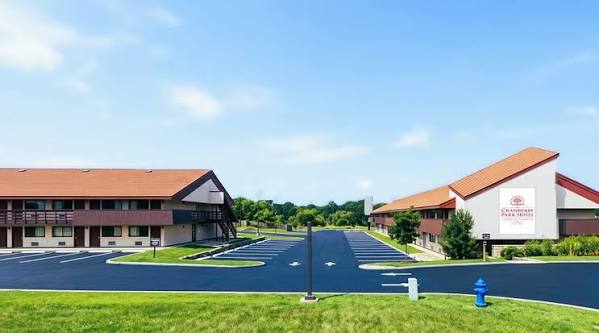
    Traveling to the Pittsburgh area often comes with a hefty price tag, especially when you are looking for convenience near major business hubs or shopping districts. Many travelers find themselves stuck between overpriced luxury chains and unreliable budget motels, struggling to find a balance that doesn’t compromise on safety or comfort. If you are searching for Red Roof Inn Pittsburgh North Cranberry Township Cranberry Township Pa, you are likely looking for a reliable, cost-effective solution that puts you close to the action without breaking the bank. This guide is designed to help you make an informed decision, ensuring your stay is as smooth and stress-free as possible.

    Why Choose Red Roof Inn in Cranberry Township?

    Cranberry Township has rapidly become one of the most vibrant suburban areas north of Pittsburgh. Whether you are visiting for business at the nearby corporate parks or leisure trips to the Outlet Shoppes at the Boulevard, location is everything. The Red Roof Inn located here serves as a strategic base camp for travelers who value accessibility.

    Unlike downtown Pittsburgh hotels that charge premium rates for parking and city taxes, this location offers a suburban advantage. You get easier highway access via I-79, ample free parking, and a quieter environment for rest. For budget-conscious travelers, families, and solo adventurers, this specific property addresses the core need for affordability without isolation. It bridges the gap between low cost and high convenience, making it a top contender in the mid-range hospitality sector.

    What Amenities Can You Expect During Your Stay?

    When booking a budget hotel, uncertainty about amenities is a common pain point. You want to know exactly what is included so there are no surprises upon check-in. At the Red Roof Inn Pittsburgh North, the focus is on essential comforts that matter most to modern travelers.

    Core Comforts and Connectivity

    • Free Wi-Fi: In today’s digital age, connectivity is not a luxury; it is a necessity. The hotel provides complimentary high-speed internet, allowing remote workers to stay productive and families to stream entertainment without extra data charges.
    • Flat-Screen TVs: Each room is equipped with modern flat-screen televisions, offering a wide range of channels for relaxation after a long day of travel or meetings.
    • Climate Control: Individual air conditioning and heating units ensure you can customize your room temperature to your preference, a crucial feature given Pennsylvania’s varying seasonal weather.

    The Pet-Friendly Advantage

    One of the standout features of the Red Roof Inn brand is its pet-friendly policy. While many hotels in the Cranberry Township area charge exorbitant fees or refuse pets entirely, Red Roof Inn allows one well-behaved pet per room at no additional charge. This is a significant financial saving for pet owners, who often face fees ranging from $50 to $150 per night at other establishments.

    Pro Tip: Always declare your pet at the time of booking. While the fee is waived, the hotel needs to allocate appropriate rooms to ensure cleanliness standards for all guests.

    Red Roof Inn Pittsburgh North Cranberry Township Cranberry Township Pa

    How Does It Compare to Other Local Hotels?

    To truly understand the value proposition, it helps to compare this property against its competitors. Below is a breakdown of how Red Roof Inn Pittsburgh North stacks up against typical mid-range and budget options in Cranberry Township.

    FeatureRed Roof Inn Pittsburgh NorthTypical Mid-Range Chain (e.g., Hilton Garden)Budget Motel Competitors
    Average Nightly Rate$60 – $90$120 – $180$50 – $70
    Pet PolicyFree (1 pet)Often $50-$100 feeVaries/Often Restricted
    BreakfastNot IncludedUsually IncludedRarely Included
    Location AccessNear I-79 & OutletsNear I-79 & Business ParksOften Less Central
    Room FreshnessRenovated Options AvailableGenerally NewerOften Dated

    As seen in the table, while you may sacrifice complimentary breakfast, the savings on the nightly rate and pet fees often outweigh the cost of buying your own morning coffee and bagel. For extended stays or business trips where you might be eating out anyway, the Red Roof Inn Pittsburgh North Cranberry Township Cranberry Township Pa offers superior financial efficiency.

    Is the Location Convenient for Local Attractions?

    Location intelligence is key to a successful trip. The Cranberry Township location is strategically positioned to serve both leisure and business travelers. Here is why the geography matters:

    1. Proximity to Shopping: You are just minutes away from the Outlet Shoppes at the Boulevard. This is a major draw for tourists looking for discounted brand-name goods. Staying nearby means you can shop late without worrying about a long drive back to a distant hotel.
    2. Business Access: The area is home to numerous corporate offices, including those in the Cranberry Woods business park. For consultants or sales professionals, this reduces commute time significantly, allowing for more efficient workdays.
    3. Dining Options: Cranberry Township boasts a diverse culinary scene. From casual American diners to international cuisine, you have dozens of highly-rated restaurants within a 5-minute drive. This compensates for the lack of an on-site restaurant, giving you more variety than a standard hotel buffet ever could.

    For a deeper understanding of the region’s economic and geographic significance, you can refer to the detailed overview of Cranberry Township on Wikipedia. This context helps travelers appreciate the infrastructure and safety standards of the area they are visiting.

    What Are the Common Concerns and How to Mitigate Them?

    No hotel is perfect, and transparency builds trust. Based on aggregated user reviews and industry standards, here are the common concerns associated with budget accommodations and how to handle them effectively.

    Noise Levels

    Budget hotels can sometimes suffer from noise due to thinner walls or proximity to highways.

    • Solution: Request a room on the second floor, away from the ice machine and elevator. If you are sensitive to traffic noise, ask for a room facing the interior courtyard or the back of the property rather than I-79.

    Cleanliness Variance

    While Red Roof Inn has improved its cleaning protocols post-pandemic, consistency can vary by shift.

    • Solution: Perform a quick inspection upon entry. Check the sheets for stains and the bathroom for mold. If issues are found, contact the front desk immediately. Most managers are empowered to move you to a different room or offer a discount to resolve the issue promptly.

    Limited On-Site Food

    There is no full-service restaurant or 24-hour room service.

    • Solution: Plan ahead. The hotel lobby often has vending machines for snacks. However, for meals, utilize the nearby dining options. Keep a list of 2-3 nearby restaurants saved on your phone before arrival to avoid decision fatigue when you are tired.

    Step-by-Step Guide to Booking the Best Rate

    Securing the best deal requires a bit of strategy. Follow these steps to maximize value when booking your stay at Red Roof Inn Pittsburgh North Cranberry Township Cranberry Township Pa.

    1. Check Direct vs. OTA Prices: Start by checking the official Red Roof Inn website. Then, compare it with Online Travel Agencies (OTAs) like Expedia or Booking.com. Sometimes, direct bookings offer member discounts or flexible cancellation policies that OTAs do not.
    2. Look for “Senior” or “AAA” Discounts: If you qualify, these discounts can reduce the rate by 10-15%. Always have your ID ready at check-in to verify eligibility.
    3. Book in Advance for Peak Seasons: Cranberry Township gets busy during holiday shopping seasons (November-December) and local festival times. Booking at least two weeks in advance ensures availability and better rates.
    4. Join the Loyalty Program: The Red Roof Inn loyalty program is free to join. Accumulating points can lead to free nights in the future, making it a worthwhile investment for frequent travelers.

    FAQ Section

    Q1: Is the Red Roof Inn in Cranberry Township truly pet-friendly?

    A: Yes, it is one of the most pet-friendly options in the area. They allow one well-behaved pet per room at no additional charge. However, pets must not be left unattended in the room, and owners are responsible for any damages.

    Q2: Does the hotel provide breakfast?

    A: No, the Red Roof Inn Pittsburgh North does not offer a complimentary continental breakfast. This is a trade-off for the lower nightly rates. However, there are numerous breakfast cafes and fast-food options within a 2-mile radius.

    Q3: Is the hotel safe for solo female travelers?

    A: Cranberry Township is generally considered a safe suburb. The hotel features exterior corridors, which some travelers prefer for easy exit, but others may find less secure than interior corridor hotels. It is recommended to request a room closer to the main office or well-lit areas and to use standard safety precautions like locking deadbolts.

    Q4: How far is the hotel from downtown Pittsburgh?

    A: The hotel is approximately 20-25 miles north of downtown Pittsburgh. Depending on traffic, the drive takes about 25-35 minutes via I-79 South. This makes it a viable option for visitors who want to explore the city but prefer quieter, cheaper accommodation outside the urban core.

    Q5: Are there meeting rooms available for business use?

    A: This specific location is primarily designed for transient stays and does not typically offer large conference facilities. For small informal meetings, the lobby area may suffice, but for formal business presentations, you should look for dedicated event spaces in nearby corporate centers.

    Q6: What is the check-in and check-out time?

    A: Standard check-in time is usually 3:00 PM, and check-out is at 11:00 AM. Early check-in or late check-out may be available upon request, subject to availability and potentially an extra fee.

    Conclusion

    Choosing the right accommodation can make or break your travel experience. The Red Roof Inn Pittsburgh North Cranberry Township Cranberry Township Pa stands out as a pragmatic choice for travelers who prioritize budget efficiency, pet-friendly policies, and strategic location over luxury frills. By understanding what to expect and planning accordingly, you can enjoy a comfortable stay that leaves more room in your budget for exploring what Pittsburgh and Cranberry Township have to offer.

    If you found this guide helpful, please share it with your fellow travelers on social media. Helping others find great deals creates a community of smart, savvy explorers. Safe travels!

  • Red Roof Inn Lansing East MSU: Best Budget Stay?

    Red Roof Inn Lansing East MSU: Best Budget Stay?

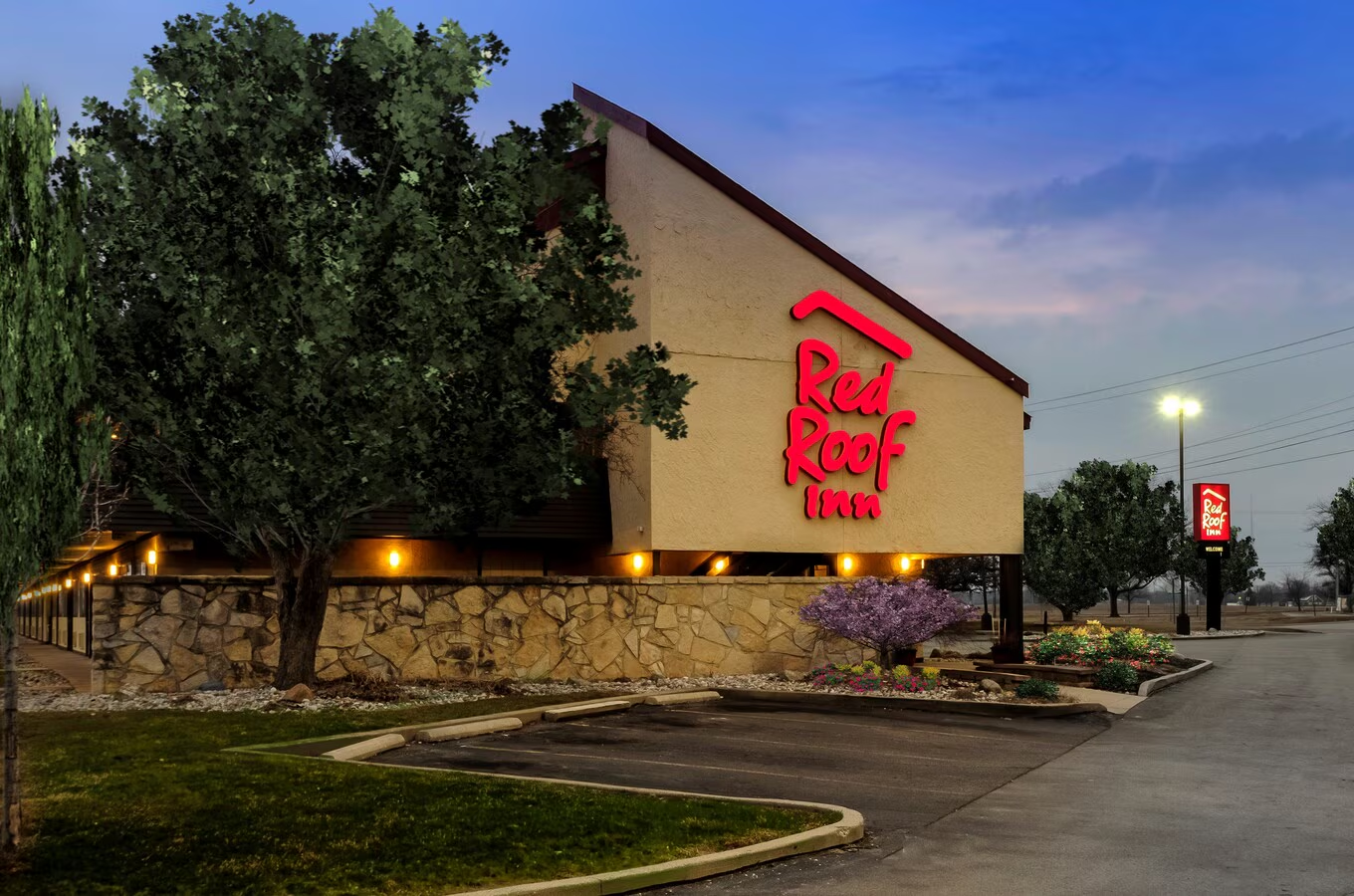
    Are you struggling to find affordable, clean, and convenient accommodation near Michigan State University? Whether you are a prospective student touring the campus, a parent visiting for graduation, or a sports fan heading to Spartan Stadium, finding the right place to stay can be stressful. You need a location that balances cost with comfort, and that is exactly where Red Roof Inn Lansing East Michigan State University Lansing Mi comes into play as a top contender for budget-conscious travelers.

    In this comprehensive guide, we will break down everything you need to know about this specific property. We will cover its proximity to key landmarks, amenity quality, and how it compares to other local options, ensuring you make an informed decision for your next trip to East Lansing.

    Why Choose Red Roof Inn Lansing East for Your MSU Visit?

    When planning a trip to East Lansing, location is often the primary driver for hotel selection. The Red Roof Inn Lansing East Michigan State University Lansing Mi is strategically positioned to serve visitors who want easy access to the university without paying premium downtown prices.

    Proximity to Key Landmarks

    One of the most significant advantages of this property is its distance from major attractions. It is located just a short drive from the heart of the MSU campus. For those attending events at the Breslin Center or watching a football game at Spartan Stadium, this location offers a manageable commute, especially when compared to hotels further out in Okemos or Dimondale.

    • Distance to MSU Campus: Approximately 3–4 miles (5–10 minute drive).
    • Distance to Spartan Stadium: Roughly 4 miles.
    • Nearby Dining: Close to local favorites along Grand River Avenue and Lake Lansing Road.

    This proximity means you spend less time in traffic and more time enjoying your visit. For parents dropping off freshmen, every minute counts during move-in weekend, and being close by reduces logistical stress.

    Value for Money

    In the hospitality industry, value is defined by what you get for the price you pay. Red Roof Inn has built its brand on providing essential comforts at a fraction of the cost of full-service hotels. According to recent travel data, budget hotels in college towns like East Lansing see a 20-30% price surge during peak university events. However, Red Roof Inn typically remains more affordable than its competitors, such as Hilton or Marriott properties in the area.

    By choosing this inn, you are prioritizing practicality. You are not paying for a concierge or a spa; you are paying for a clean bed, a hot shower, and a safe place to sleep. This aligns perfectly with the needs of students and families who plan to spend their day on campus rather than in the hotel room.

    What Amenities Can You Expect at This Location?

    Understanding what is included in your stay is crucial for managing expectations. While this is a budget-friendly option, it does not mean the amenities are lacking. Here is a detailed breakdown of what guests typically experience.

    Essential Comforts and Services

    The property focuses on the fundamentals. Guests can expect:

    1. Free Wi-Fi: Essential for students checking emails or parents coordinating schedules. The connection is generally reliable for browsing and streaming.
    2. Pet-Friendly Policy: One of the standout features of the Red Roof Inn brand is its pet-friendly approach. Most locations allow one well-behaved pet per room at no extra charge. This is a huge benefit for families moving students into dorms who need to bring their furry friends along for the transition.
    3. Flat-Screen TVs: Each room is equipped with modern entertainment options.
    4. Air Conditioning and Heating: Given Michigan’s variable weather, from humid summers to snowy winters, climate control is vital. The units are individually controlled, allowing you to set your preferred temperature.

    What Is Not Included?

    To maintain low rates, certain luxury amenities are omitted. It is important to note that there is no free breakfast provided at this specific location. Unlike some competitors like Hampton Inn or Holiday Inn Express, you will need to plan for your morning meal. However, this also gives you the freedom to explore local cafes in East Lansing, such as Biggby Coffee or Sparrow Café, which are highly rated by locals.

    Additionally, while there is parking available, it is typically surface-level parking rather than a heated garage. In winter months, you may need to brush snow off your vehicle, but the lot is usually plowed promptly.

    Red Roof Inn Lansing East Michigan State University Lansing Mi

    How Does It Compare to Other Hotels Near MSU?

    To help you decide if this is the right choice for you, let’s look at a comparison between Red Roof Inn and other common lodging types in the area.

    FeatureRed Roof Inn Lansing EastMid-Range Chain (e.g., Courtyard)Luxury Hotel (e.g., Kellogg Center)
    Price Range$$$$
    BreakfastNot IncludedOften IncludedOften Included
    Pet PolicyFree (1 pet)Fee Usually AppliesVaries/High Fee
    Room SizeCompactStandardSpacious
    Best ForBudget TravelersBusiness/FamilySpecial Occasions

    As shown in the table, the Red Roof Inn Lansing East Michigan State University Lansing Mi wins on price and pet policy. If your primary goal is to save money for tickets, meals, or souvenirs, this is the logical choice. However, if you require a full-service gym or a business center, you might need to look elsewhere.

    For more context on the university itself and its surrounding community, you can visit the Michigan State University Wikipedia page to understand the scale of the campus and the volume of visitors it attracts annually.

    Tips for Booking the Best Rate

    Securing the best deal requires a bit of strategy, especially in a college town where demand fluctuates wildly.

    1. Book Early for Game Days

    Football season and graduation weekends book up months in advance. Rates can double or triple during these periods. Aim to book at least 3–4 months ahead for fall football games.

    2. Join the RediRewards Program

    Red Roof Inn offers a loyalty program called RediRewards. Signing up is free and can provide member-only discounts, faster check-in, and points toward free nights. Even for a single stay, the member rate is often lower than the public rate.

    3. Check for Student or Alumni Discounts

    Sometimes, specific corporate or educational discounts apply. If you are an MSU alum or have a corporate code, check if it applies to this location. It doesn’t always work for budget brands, but it is worth verifying during the booking process.

    4. Be Flexible with Dates

    If you are visiting for a conference or a non-sporting event, try to stay mid-week (Tuesday–Thursday). Weekend rates in East Lansing are higher due to leisure travelers and sporting events.

    Frequently Asked Questions (FAQ)

    Here are answers to the most common questions travelers ask about this property.

    1. Is the Red Roof Inn Lansing East within walking distance to MSU?

    No, it is not within comfortable walking distance. It is approximately 3–4 miles away. You will need a car, rideshare service (Uber/Lyft), or taxi to reach the campus efficiently. Walking would take over an hour and may not be safe depending on the time of day and weather conditions.

    2. Are there restaurants nearby?

    Yes, there are several dining options within a 5-minute drive. You can find fast-food chains, casual dining spots, and local eateries along Lake Lansing Road and Grand River Avenue. Since the hotel does not offer breakfast, having nearby options is a significant plus.

    3. Is the hotel safe for families?

    The property maintains standard security measures, including well-lit parking areas and secure door locks. As with any hotel, it is recommended to keep valuables in your car trunk or with you. The neighborhood is generally quiet, being slightly removed from the bustling college nightlife district.

    4. Can I check in late?

    Yes, the front desk typically operates 24/7. However, it is always wise to call ahead if you are arriving very late (after midnight) to ensure your reservation is held and to get specific instructions for entry if the main entrance is locked.

    5. Is there a pool at this location?

    Most Red Roof Inn locations, including this one, do not have a swimming pool. This is part of their cost-saving model. If a pool is a mandatory requirement for your stay, you may need to consider a different hotel brand in the area.

    6. How clean are the rooms?

    Cleanliness standards have improved significantly across the brand in recent years. Guest reviews generally highlight that rooms are tidy and functional. However, because it is a budget property, do not expect luxury finishes. If you notice any issues upon arrival, report them immediately to the front desk for a quick resolution or room change.

    Conclusion

    Choosing the right accommodation can make or break your trip to East Lansing. The Red Roof Inn Lansing East Michigan State University Lansing Mi offers a compelling blend of affordability, convenience, and pet-friendly policies that are hard to beat in the area. It is ideal for those who prioritize location and budget over luxury amenities like pools or complimentary breakfast.

    By understanding what to expect and planning ahead, you can enjoy a stress-free stay while exploring all that Michigan State University has to offer. Whether you are there for the sports, the academics, or family visits, this hotel serves as a practical home base.

    Did you find this guide helpful? Share it with your fellow Spartans, friends, or family members who are planning their next visit to Lansing. Don’t forget to bookmark this page for future reference when booking your next stay!

  • How to Tie In a Roof to an Existing Roof

    How to Tie In a Roof to an Existing Roof

    Adding space to your home is an exciting milestone, but it brings a complex construction challenge: connecting the new structure to the old one. If done incorrectly, this junction becomes the most vulnerable point for water intrusion, leading to costly interior damage and mold growth. Understanding how to tie in a roof to an existing roof is critical for ensuring the longevity and structural integrity of your home expansion.

    This guide will walk you through the professional standards required to create a watertight seal between two roof planes. Whether you are hiring a contractor or managing the project yourself, knowing the correct methodology ensures your investment remains protected against the elements.

    Why Proper Roof Integration Matters

    Before diving into the tools and techniques, it is essential to understand why this specific task requires precision. A roof is not just a covering; it is a system designed to shed water efficiently. When you interrupt that system with an addition, you create a “valley” or a intersection where water flow changes direction.

    According to industry data, improper flashing accounts for over 90% of roof leaks in residential additions. The goal is not just to cover the gap, but to integrate the new roofing materials with the existing ones so that they function as a single, cohesive unit. This involves matching pitch, aligning underlayment, and installing multi-layered flashing systems that adhere to local building codes.

    Step-by-Step Guide: How to Tie In a Roof to an Existing Roof

    Tying in a new roof section is not a simple matter of nailing down shingles next to old ones. It requires a systematic approach to ensure durability. Here is the professional workflow used by experienced roofers.

    1. Assess Structural Compatibility and Pitch

    The first step is determining if the new roof can physically connect to the old one. The ideal scenario is when both roofs share the same pitch (slope). If the pitches differ significantly, you will need to construct a hip or valley, which complicates the waterproofing process.

    • Same Pitch: Allows for a straightforward ridge-to-ridge or side-wall tie-in.
    • Different Pitch: Requires custom framing and specialized flashing to manage water runoff speed differences.

    Ensure your local building department approves the structural load. The existing wall must be able to support the new roof’s weight and any potential snow loads.

    2. Prepare the Existing Roof Surface

    You cannot simply build over dirty or damaged shingles. Preparation is key to adhesion and longevity.

    • Remove Shingles: Carefully remove the shingles from the area where the new roof will intersect. Typically, you need to clear a strip at least 12–18 inches wide along the connection line.
    • Inspect Decking: Check the exposed roof deck (plywood or OSB) for rot, soft spots, or water damage. Replace any compromised sections immediately.
    • Clean the Area: Sweep away all debris, nails, and granules. A clean surface ensures that underlayment adhesives bond correctly.

    3. Install Ice and Water Shield

    In cold climates, ice dams are a major threat. Even in warmer regions, an ice and water protective membrane provides an extra layer of security at critical junctions.

    Apply a self-adhering rubberized asphalt membrane over the exposed decking and extend it up the vertical wall of the existing structure (if applicable) by at least 6 inches. This layer acts as a secondary barrier if water gets past the shingles.

    4. Apply High-Quality Underlayment

    Once the membrane is in place, install your synthetic or felt underlayment. Overlap the new underlayment with the existing roof’s underlayment by at least 4–6 inches.

    • Pro Tip: Use roofing cement or compatible adhesive tape to seal the overlap edge. This prevents wind-driven rain from getting underneath the layers.

    5. Install Step Flashing or Valley Metal

    This is the most critical step in learning how to tie in a roof to an existing roof. Flashing directs water away from the joint.

    • For Side-Wall Tie-Ins: Use step flashing. These are L-shaped metal pieces (usually aluminum or galvanized steel) that are woven into each course of shingles. Each piece should overlap the previous one by at least 2 inches.
    • For Valley Intersections: Install a W-valley metal or closed-cut valley lining. Ensure the metal extends under the existing shingles and over the new underlayment.

    Note: Never use caulk as the primary waterproofing method. Caulk dries out and cracks over time. Mechanical overlapping and proper flashing are the only reliable long-term solutions. For more details on roofing materials and standards, you can refer to general construction principles on Wikipedia.

    6. Weave in the New Shingles

    Now, you integrate the new shingles with the old ones.

    1. Start from the bottom and work your way up.
    2. If using step flashing, place a shingle, then slide the next piece of flashing under the shingle above it.
    3. Nail the shingles securely, but ensure nails do not penetrate the flashing below.
    4. Trim the existing shingles if necessary to create a clean line, but avoid cutting into the structural integrity of the old roof.

    7. Seal and Inspect

    Once all shingles are installed, apply a small bead of roofing sealant under the edges of any cut shingles. However, rely primarily on the physical overlap. Conduct a water test if possible, or wait for the next rainstorm to inspect for leaks from the inside attic space.

    How To Tie In A Roof To An Existing Roof

    Common Mistakes to Avoid

    Even seasoned DIYers can stumble on these pitfalls. Avoiding them saves time and money.

    MistakeConsequenceSolution
    Nailing through flashingCreates immediate leak pathsAlways nail above the flashing piece, never through it.
    Ignoring ventilationTraps heat and moistureEnsure soffit and ridge vents are continuous across the tie-in.
    Using mismatched materialsUneven wear and aesthetic issuesTry to match shingle brand and color; if unavailable, use a contrasting accent deliberately.
    Skipping ice/water shieldHigh risk of ice dam leakageAlways use membrane at intersections, regardless of climate zone.

    Frequently Asked Questions (FAQ)

    1. Can I tie in a new roof without removing existing shingles?

    While it is technically possible to flash over existing shingles, it is not recommended. Building codes in most US jurisdictions require removing shingles at the intersection to inspect the deck and ensure proper underlayment integration. Skipping this step voids warranties and increases leak risks.

    2. What is the best material for roof flashing?

    Aluminum is the most common choice due to its cost-effectiveness and resistance to rust. However, copper is superior for longevity and aesthetics, though it is significantly more expensive. Galvanized steel is also an option but requires painting to prevent corrosion over time.

    3. Do I need a permit to tie in a new roof section?

    Yes, almost certainly. Adding square footage or altering the structural load of your home requires a building permit. Local inspectors will check the framing, flashing, and electrical connections. Failing to pull a permit can lead to fines and issues when selling your home.

    4. How long does it take to tie in a roof?

    For a professional crew, a standard side-wall tie-in might take 1–2 days. For a DIYer, it could take 3–5 days depending on weather, complexity, and experience level. Rushing this process often leads to errors.

    5. What if the existing roof is old and brittle?

    If the existing shingles are near the end of their life (15+ years), consider replacing the entire roof section adjacent to the addition. Tying new, flexible shingles into old, brittle ones is difficult and may cause the old shingles to crack during installation.

    Conclusion

    Learning how to tie in a roof to an existing roof is about more than just carpentry; it is about mastering water management. By following the steps outlined above—preparing the surface, installing robust underlayment, and weaving in proper flashing—you create a durable, leak-free connection that protects your home for decades.

    Remember, while DIY is rewarding, roofing involves significant safety risks and technical nuances. If you are unsure about structural loads or complex flashing details, consulting a licensed professional is a wise investment.

    Did you find this guide helpful? Share it with your friends on social media who might be planning their own home expansions, and let us know in the comments if you have any questions about your specific roofing project!