Have you ever stared at your backyard, wishing for a space that feels like an extension of your home but remains open to the fresh air? Many homeowners struggle with the dilemma of wanting shade without sacrificing sunlight or ventilation. Understanding how much does it cost for a louvered roof system is the first step toward transforming your outdoor area into a versatile, all-weather sanctuary.
Understanding the Investment: What Drives the Price?
When planning an outdoor renovation, budget clarity is essential. A louvered roof system is not a one-size-fits-all product; it is a customizable architectural feature. The cost varies significantly based on materials, size, automation levels, and installation complexity.
In 2026, the average cost for a professionally installed louvered roof system in the United States ranges between $15,000 and $45,000. However, high-end custom projects can exceed $60,000, while smaller, DIY-friendly kits may start around $8,000.
To help you budget accurately, let’s break down the primary cost drivers.
1. Material Quality and Durability
The material you choose dictates both the upfront cost and long-term maintenance expenses.
- Aluminum (Most Popular): High-grade, powder-coated aluminum is the industry standard. It is rust-resistant, lightweight, and requires minimal upkeep. Expect to pay a premium for marine-grade aluminum if you live in coastal areas.
- Wood: While aesthetically pleasing, wood louvered systems are rare due to maintenance issues (warping, rotting). If available, they often require more frequent sealing and care, potentially increasing long-term costs.
- Composite Materials: A newer entrant to the market, composites offer a wood-like look with aluminum’s durability, though they often come at a higher price point due to manufacturing complexity.
2. Size and Dimensions
Pricing is frequently calculated per square foot. A standard 12×12 foot (144 sq. ft.) structure will cost significantly less than a 20×20 foot (400 sq. ft.) entertainment zone.
| Size (Feet) | Approximate Square Footage | Estimated Cost Range (Installed) |
|---|---|---|
| 10 x 10 | 100 sq. ft. | $12,000 – $18,000 |
| 12 x 12 | 144 sq. ft. | $15,000 – $22,000 |
| 12 x 16 | 192 sq. ft. | $20,000 – $30,000 |
| 14 x 20 | 280 sq. ft. | $30,000 – $45,000 |
Note: These figures include standard installation and basic motorization. Complex structural requirements may increase these estimates.
3. Automation and Smart Features
The “brain” of your louvered roof adds considerable value—and cost.
- Manual Crank Systems: The most affordable option. You physically turn a handle to adjust the louvers. Best for small areas or tight budgets.
- Motorized Systems: Standard in most modern installations. Allows for remote control operation.
- Smart Home Integration: In 2026, integration with systems like Apple HomeKit, Google Home, or Amazon Alexa is common. Sensors that automatically close the roof when rain is detected or when wind speeds exceed safe limits add to the initial investment but provide peace of mind.
4. Installation Complexity
Labor costs vary by region. Urban areas with higher living costs (like New York or San Francisco) will have higher labor rates than rural areas. Additionally, if your patio requires new footings, electrical wiring for motors, or reinforcement of existing structures, these preparatory steps will add to the final bill.
People Also Ask: Specific Cost Questions Answered
How much does a motorized louvered roof cost compared to manual?
The difference is primarily in the hardware and electrical work. A motorized system typically adds $2,000 to $5,000 to the total project cost. This includes the motor itself, wiring, switches, and the labor required to connect it to your home’s power supply. While more expensive upfront, motorized systems offer superior convenience and are essential for larger roofs where manual operation would be physically difficult.
Are there hidden costs in louvered roof installation?
Yes, it is crucial to account for potential hidden expenses:
- Permits: Most municipalities require building permits for permanent structures. Fees range from $100 to $1,000 depending on your location.
- Electrical Work: If you do not have an existing outdoor outlet near the installation site, hiring a licensed electrician can cost $500–$1,500.
- Site Preparation: Removing old decking, leveling ground, or pouring concrete footings can add $1,000–$3,000.
Does a louvered roof increase home value?
Absolutely. Outdoor living spaces are a top priority for homebuyers in 2026. According to real estate trends, a well-installed louvered roof can offer a ROI (Return on Investment) of 70–80%. It transforms unused yard space into functional square footage, effectively increasing the livable area of your home without the cost of a full indoor addition.
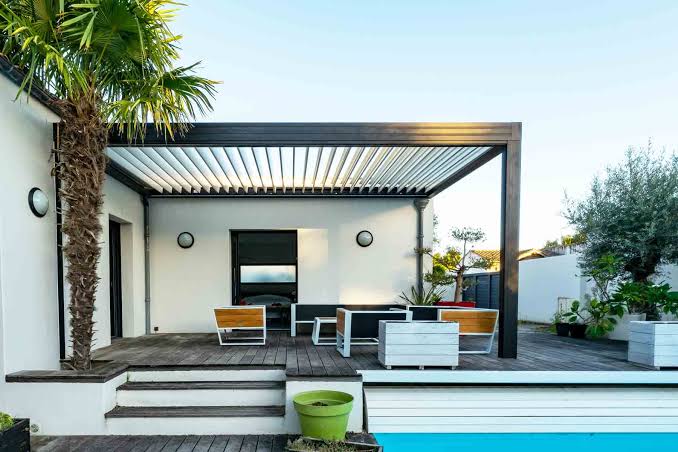
Comparing Options: Louvered Roof vs. Traditional Pergola
To understand the value proposition, let’s compare louvered roofs with traditional fixed pergolas.
| Feature | Louvered Roof System | Traditional Fixed Pergola |
|---|---|---|
| Weather Control | Full control (open, closed, angled) | None (fixed shade only) |
| Rain Protection | Yes, when closed | No |
| Ventilation | Adjustable airflow | Constant airflow |
| Maintenance | Low (aluminum) | Medium/High (wood staining/sealing) |
| Initial Cost | Higher ($15k+) | Lower ($3k–$8k) |
| Lifespan | 20+ years | 10–15 years (with maintenance) |
While a traditional pergola is cheaper initially, it lacks the versatility of a louvered system. You cannot stop the rain or block the harsh midday sun completely with a fixed structure. For homeowners seeking true all-season usability, the louvered roof is the superior choice despite the higher entry price.
Step-by-Step: How to Budget for Your Project
If you are ready to move forward, follow this logical path to ensure you stay within budget.
- Measure Your Space: Determine the exact dimensions. Remember, larger spans may require additional support beams, which increases material costs.
- Define Your Needs: Do you need rain sensors? Do you want LED lighting integrated into the beams? List your “must-haves” versus “nice-to-haves.”
- Get Three Quotes: Contact local reputable installers. Ensure each quote includes:
- Material specifications (brand, gauge of aluminum).
- Labor costs.
- Permit fees.
- Warranty details.
- Check for Rebates: In some US states, energy-efficient outdoor structures that reduce cooling loads may qualify for local green energy rebates. Check with your local utility provider.
- Plan for Electrical: Decide early if you need an electrician. Integrating lighting and motors during the initial build is far cheaper than retrofitting later.
For more detailed information on building codes and structural standards, you can refer to general construction guidelines on Wikipedia, which provides a broad overview of pergola and patio cover structures.
FAQ Section
Q: How long does it take to install a louvered roof system?
A: Most professional installations take between 2 to 5 days. This includes framing, attaching the louvers, installing the motor, and testing the system. Weather delays or complex electrical work may extend this timeline.
Q: Can I install a louvered roof myself?
A: While DIY kits exist, they are generally recommended only for experienced builders. The system requires precise alignment to ensure the louvers seal correctly against rain. Incorrect installation can lead to leaks and void warranties. Professional installation is strongly advised for optimal performance.
Q: What is the warranty period for these systems?
A: High-quality manufacturers typically offer a 10 to 15-year warranty on the frame and louvers, and a 2 to 5-year warranty on the motor and electronic components. Always read the fine print regarding what constitutes “normal wear and tear.”
Q: Do louvered roofs make noise when it rains?
A: Modern aluminum louvered roofs are designed with insulation and tight seals to minimize noise. While you will hear the rain, it is generally a soothing sound rather than a deafening drumming. Some systems even include acoustic dampening strips for quieter operation.
Q: How do I maintain my louvered roof?
A: Maintenance is minimal. Rinse the louvers with a garden hose twice a year to remove debris. Check the tracks for leaves or twigs that might obstruct movement. Lubricate moving parts annually as per the manufacturer’s instructions.
Conclusion
Investing in a louvered roof system is more than just buying a shade structure; it is an investment in your lifestyle. By understanding how much does it cost for a louvered roof system, you can plan a project that balances luxury with practicality. With prices ranging from $15,000 to $45,000+, the key is to prioritize quality materials and professional installation to ensure longevity and performance.
Whether you want to host dinner parties rain or shine, or simply enjoy a quiet morning coffee protected from the glare, a louvered roof delivers unmatched versatility.
Did you find this guide helpful? Share it with your friends on social media who are planning their next backyard upgrade! Let’s help everyone create their perfect outdoor oasis.
Leave a Reply