Have you noticed curling edges or missing granules on your roof lately? It is a stressful realization, but knowing how much is it to replace shingles on a roof is the first step toward regaining peace of mind and protecting your home’s value. This guide breaks down the costs clearly so you can plan your budget with confidence.
Understanding the Average Cost of Roof Replacement
When homeowners ask, “How much is it to replace shingles on a roof?” the answer varies based on several factors. However, having a baseline number helps set realistic expectations.
In 2026, the national average cost to replace a roof with asphalt shingles ranges between $8,500 and $15,000 for a typical 2,000-square-foot home. This translates to roughly $4.50 to $7.50 per square foot, including both materials and labor.
It is crucial to understand that this is an average. A small ranch-style home might cost significantly less, while a large, multi-story colonial with complex angles could easily exceed $20,000. The price fluctuation depends heavily on your geographic location, the type of shingles chosen, and the current demand for roofing contractors in your area.
Pro Tip: Always get at least three detailed quotes from licensed contractors. Prices can vary by up to 20% between companies due to overhead costs and scheduling availability.
Key Factors That Influence Your Final Bill
To truly answer how much is it to replace shingles on a roof, we must look at the variables that drive prices up or down. Ignoring these can lead to sticker shock later in the process.
1. Roof Size and Pitch
Roofers measure roofs in “squares,” where one square equals 100 square feet. A larger roof requires more materials and more labor hours. Additionally, the pitch (steepness) matters. A steep roof requires special safety equipment, harnesses, and slower work pacing, which increases labor costs by 15–20% compared to a low-slope roof.
2. Material Quality
Not all shingles are created equal. Here is a quick breakdown of common asphalt shingle types:
- 3-Tab Asphalt Shingles: The most affordable option. They are flat and basic. Ideal for budget-conscious projects or rental properties.
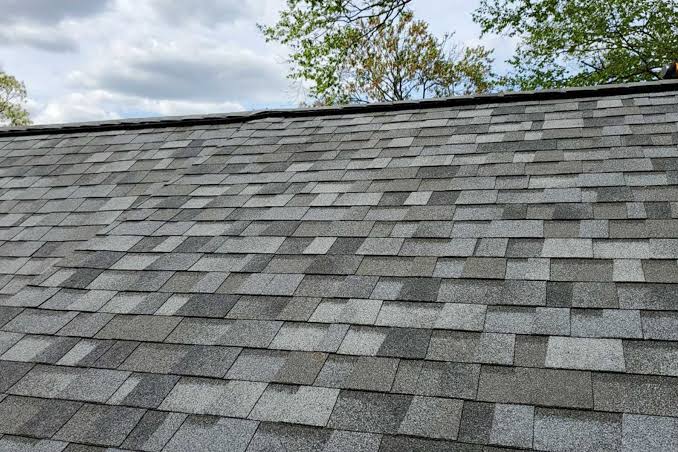
- Architectural (Dimensional) Shingles: The most popular choice in the US. They have a layered look, better wind resistance, and longer warranties (often 30–50 years). They cost about 20–30% more than 3-tab shingles.
- Premium/Luxury Shingles: Designed to mimic slate or wood shakes. These offer the best durability and aesthetics but come with a high price tag.
3. Labor and Location
Labor typically accounts for 60% of the total cost. In regions with a higher cost of living, such as the Northeast or West Coast, labor rates are naturally higher. Furthermore, if you need replacement during peak seasons (late summer to early fall), prices may surge due to high demand.
4. Removal of Old Layers
Does your roof have one layer or two? Most building codes allow up to two layers of shingles. If you have two existing layers, they must be torn off before installing new ones. This “tear-off” process adds $1–$2 per square foot to your bill due to the extra labor and dumpster fees required for disposal.
Breakdown of Costs: Materials vs. Labor
Understanding where your money goes helps you identify potential savings. Below is a generalized cost structure for a standard 2,000 sq. ft. roof (approx. 20 squares).
| Cost Component | Estimated Percentage | Approximate Cost Range |
|---|---|---|
| Materials (Shingles, Underlayment, Nails) | 40% | $3,500 – $6,000 |
| Labor (Installation, Cleanup) | 50% | $4,500 – $7,500 |
| Permits & Disposal | 10% | $800 – $1,500 |
| Total Estimated Cost | 100% | $8,800 – $15,000 |
Note: These figures are estimates. Always request a line-item quote from your contractor.
Hidden Costs You Might Not Expect
When calculating how much is it to replace shingles on a roof, many homeowners forget the ancillary expenses. These “hidden” costs can add up quickly if not planned for.
- Roof Deck Repair: Once the old shingles are removed, contractors may find rotted plywood decking. Replacing a sheet of plywood typically costs $75–$150 per sheet, plus labor. If your roof is older, budget an extra $500–$1,000 for potential repairs.
- Ventilation Upgrades: Modern building codes often require specific ventilation ratios. Adding ridge vents or soffit vents can cost $300–$600 but is essential for preventing moisture buildup and extending shingle life.
- Chimney and Skylight Flashing: If you have chimneys or skylights, the metal flashing around them needs to be replaced or resealed. This specialized work can add $200–$500 per feature.
- Permits: Most municipalities require a roofing permit. Fees vary widely but generally range from $100 to $500. Ensure your contractor includes this in their quote.
DIY vs. Hiring a Professional: Is It Worth It?
You might wonder if you can save money by doing it yourself. While DIY projects are rewarding, roof replacement is rarely recommended for amateurs.
Why Hiring a Pro is Safer:
- Safety Risks: Falling from a roof is a leading cause of home improvement injuries. Professionals have insurance and safety gear.
- Warranty Protection: Most shingle manufacturers void the warranty if the roof is not installed by a certified professional.
- Code Compliance: Professionals know local building codes regarding ice dams, ventilation, and nail patterns.
According to industry standards, improper installation can reduce the lifespan of your roof by half. For more details on roofing standards and safety, you can refer to general construction guidelines on Wikipedia.
Step-by-Step: What to Expect During Installation
Knowing the process helps you verify that your contractor is doing a thorough job. Here is what a typical replacement looks like:
- Preparation: The crew sets up tarps to protect your landscaping and places a dumpster nearby.
- Tear-Off: Old shingles and underlayment are removed down to the wooden deck.
- Inspection: The deck is inspected for rot or damage. Any compromised plywood is replaced.
- Underlayment Installation: A water-resistant barrier (synthetic or felt) is rolled out over the deck. This is your second line of defense against leaks.
- Flashing Installation: New metal flashing is installed around chimneys, vents, and valleys.
- Shingle Installation: Shingles are nailed down according to manufacturer specifications, starting from the eaves and moving up to the ridge.
- Ridge Cap Installation: Special shingles are placed along the peak of the roof to seal it.
- Cleanup: Magnets are used to pick up stray nails, and all debris is hauled away.
FAQ Section
1. How long does it take to replace shingles on a roof?
For an average-sized home (2,000 sq. ft.), a professional crew can complete the job in 1 to 3 days. Larger or more complex roofs may take up to a week. Weather delays can also impact the timeline.
2. Can I install new shingles over old ones?
While technically possible in some jurisdictions (if only one layer exists), it is not recommended. Installing over old shingles hides potential deck damage, voids many manufacturer warranties, and adds unnecessary weight to your roof structure. A full tear-off is the best practice.
3. Does homeowners insurance cover roof replacement?
Insurance typically covers roof replacement if the damage is caused by a covered peril, such as hail, windstorms, or falling trees. It usually does not cover wear and tear or age-related deterioration. Check your policy and document any storm damage with photos immediately.
4. What is the lifespan of asphalt shingles?
Standard 3-tab shingles last 15–20 years. Architectural shingles typically last 25–30 years, while premium luxury shingles can last 30–50 years. Proper ventilation and maintenance can extend these lifespans.
5. How do I choose the right color for my shingles?
Consider your home’s siding color and your climate. Lighter colors reflect heat, which can help keep your home cooler in warm climates. Darker colors absorb heat, which may be beneficial in colder regions but can accelerate aging in hot sun. Always view samples in natural light before deciding.
Conclusion
So, how much is it to replace shingles on a roof? While the average falls between $8,500 and $15,000, your specific cost depends on size, materials, and local labor rates. Investing in quality materials and professional installation ensures your roof protects your home for decades, ultimately saving you money on premature repairs.
Don’t let uncertainty stall your project. Use this guide to ask informed questions when getting quotes. If you found this article helpful, please share it with friends or neighbors who might be facing similar roofing decisions. A well-informed homeowner is a protected homeowner!
Leave a Reply