Replacing a roof is one of the most significant investments a homeowner can make, often causing stress due to the uncertainty of final pricing. If you are currently researching how much does it cost to replace a tile roof, you are likely looking for clarity amidst varying quotes and hidden fees. This guide breaks down the real costs, helping you plan your budget with confidence and avoid unexpected financial surprises.
Understanding the Average Cost of Tile Roof Replacement
When planning a major home renovation, knowing the baseline numbers is crucial. In 2026, the national average cost to replace a tile roof in the United States typically ranges between $10,000 and $25,000, depending on the size of the home and the type of tile used. However, for larger estates or premium materials, this figure can easily climb to $30,000 or more.
To give you a clearer picture, let’s look at the cost per square foot. On average, homeowners pay between $10 and $25 per square foot for a complete tile roof replacement. This includes both materials and labor. It is important to note that “square” in roofing terms refers to 100 square feet, so a 2,000-square-foot roof is actually 20 squares.
Several factors influence where your project falls within this range:
- Geographic Location: Labor rates in states like California or New York are significantly higher than in the Midwest.
- Roof Complexity: Steep pitches, multiple chimneys, and skylights increase labor time and difficulty.
- Material Choice: Natural clay tiles are generally more expensive than concrete alternatives.
Clay vs. Concrete Tiles: Which Is More Affordable?
One of the most common questions homeowners face is choosing between clay and concrete tiles. While both offer exceptional durability and aesthetic appeal, their price points differ notably.
Concrete Tiles
Concrete tiles are the most popular choice for modern tile roofs due to their balance of cost and performance. They are manufactured from sand, cement, and water, making them highly customizable in terms of color and shape.
- Average Cost: $8 – $15 per square foot (installed).
- Pros: Less expensive, wide variety of styles, durable.
- Cons: Heavier than clay, may require additional structural support.
Clay Tiles
Clay tiles are the traditional choice, often seen in Mediterranean and Spanish-style architecture. They are fired in kilns, resulting in a natural, long-lasting finish that improves with age.
- Average Cost: $12 – $25+ per square foot (installed).
- Pros: Extremely durable (can last 100+ years), natural fire resistance, unique aesthetic.
- Cons: Higher initial cost, fragile during installation, heavier.
| Feature | Concrete Tiles | Clay Tiles |
|---|---|---|
| Material Cost | Lower | Higher |
| Lifespan | 50–75 Years | 75–100+ Years |
| Weight | Heavy | Very Heavy |
| Maintenance | Low | Low |
| Best For | Budget-conscious durability | Historic/Luxury aesthetics |
Hidden Costs: What Else Affects the Price?
The sticker price of the tiles themselves is only part of the equation. When calculating how much does it cost to replace a tile roof, you must account for several ancillary expenses that contractors may not highlight in initial estimates.
1. Removal and Disposal of Old Roofing
Before new tiles can be installed, the old roofing material must be removed. This process is labor-intensive and generates significant waste.
- Cost: $1 – $5 per square foot.
- Note: Tile is heavy and requires special disposal methods, which can increase dumpster fees compared to asphalt shingle removal.
2. Structural Reinforcement
Tile roofs are significantly heavier than asphalt shingles. If your home was originally built with a lighter roof in mind, your framing may need reinforcement to support the added weight.
- Cost: $1,000 – $5,000+, depending on the extent of engineering required.
- Tip: Always have a structural engineer inspect your attic before signing a contract if you are switching from shingles to tile.
3. Underlayment and Flashing
The underlayment is the waterproof barrier beneath the tiles. High-quality synthetic underlayment lasts longer than traditional felt paper but costs more. Similarly, flashing around vents, chimneys, and valleys must be replaced to prevent leaks.
- Cost: $500 – $1,500 for high-grade materials.
4. Permit Fees
Most municipalities require permits for roof replacements to ensure compliance with local building codes.
- Cost: $100 – $500, varying by city and county.
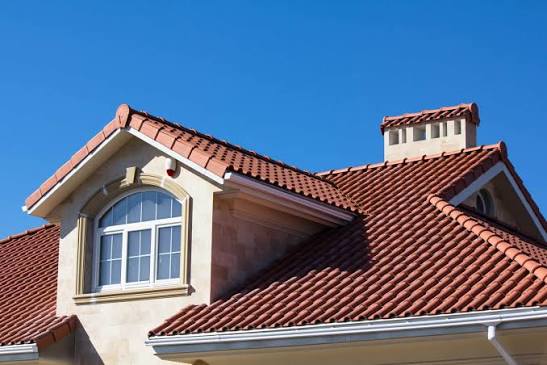
The Installation Process: Step-by-Step
Understanding the workflow helps you appreciate the labor costs involved. A professional tile roof replacement is not a DIY-friendly project due to the weight and precision required.
- Site Preparation: The crew sets up safety equipment, including scaffolding and harnesses. They protect landscaping and install dumpsters for debris.
- Tear-Off: Existing roofing materials are stripped down to the decking. Any rotten wood is identified and marked for replacement.
- Deck Repair: Damaged plywood or OSB sheathing is replaced to ensure a solid foundation.
- Underlayment Installation: A fresh layer of ice-and-water shield or synthetic underlayment is rolled out and secured. This is your primary defense against water intrusion.
- Flashing Installation: Metal flashing is installed around penetrations (vents, pipes) and in valleys where two roof planes meet.
- Tile Installation: Tiles are laid starting from the bottom edge (eave) and working upward. They are secured with nails or adhesive, depending on the pitch and local wind codes.
- Ridge Cap Installation: The peak of the roof is sealed with ridge caps, often mortared or mechanically fixed for wind resistance.
- Cleanup and Inspection: All debris is removed, and a final inspection ensures all tiles are secure and properly aligned.
For more detailed information on roofing materials and their historical context, you can refer to Wikipedia’s entry on Roofing.
Maintenance Tips to Extend Your Roof’s Lifespan
Once you have invested in a new tile roof, proper maintenance ensures it lasts for decades. While tile is low-maintenance, it is not no-maintenance.
- Annual Inspections: Hire a professional to walk the roof once a year. They can spot cracked tiles or loose flashing that you might miss from the ground.
- Clean Gutters Regularly: Clogged gutters cause water to back up under the tiles, leading to rot in the decking. Clean them at least twice a year.
- Trim Overhanging Branches: Trees can scratch tiles or drop heavy limbs during storms. Keep branches at least 10 feet away from the roof surface.
- Walk Carefully: If you must go on the roof, step on the lower third of the tile where it overlaps the next row. Walking on the center or upper edge can crack the tile.
Frequently Asked Questions (FAQ)
1. How long does a tile roof last?
A well-installed concrete tile roof can last 50 to 75 years, while clay tiles can last 75 to 100 years or more. This longevity often makes tile cheaper in the long run compared to asphalt shingles, which typically need replacement every 15–20 years.
2. Can I install tile over my existing shingles?
Generally, no. Most building codes prohibit installing tile over existing shingles due to weight concerns and the inability to properly inspect the decking. Additionally, the uneven surface of shingles can cause tiles to break. A full tear-off is usually required.
3. Does a tile roof increase home value?
Yes. A tile roof is considered a premium feature that boosts curb appeal and signals durability to potential buyers. Appraisers often recognize the extended lifespan of tile, which can positively impact your home’s resale value.
4. Are tile roofs noisy during rain?
No, this is a common myth. Because tile roofs are installed over solid decking and underlayment, they are just as quiet as any other roofing material. In fact, the mass of the tile can help dampen external noise like traffic or hail.
5. What is the cheapest type of tile roof?
Concrete tiles are the most affordable option in the tile category. While still more expensive than asphalt shingles, they offer a similar aesthetic to clay at a lower price point. Some manufacturers also offer “lightweight” concrete tiles that reduce structural reinforcement costs.
6. Do I need special insurance for a tile roof?
Most standard homeowners insurance policies cover tile roofs. However, because tile is brittle, some insurers may require an inspection before issuing a policy or may charge a slightly higher premium due to the cost of repair after hail damage. Always check with your provider.
Conclusion
Determining how much does it cost to replace a tile roof involves more than just picking a material; it requires understanding labor, structural needs, and long-term value. While the upfront cost of $10,000 to $25,000+ may seem steep, the durability, energy efficiency, and aesthetic appeal of tile roofing make it a wise investment for many homeowners.
By choosing the right material—whether concrete for budget-friendliness or clay for luxury—and hiring a reputable contractor, you ensure your home is protected for generations. Don’t let the initial price tag deter you; consider the cost per year of service, where tile often outperforms cheaper alternatives.
If you found this guide helpful, please share it on social media to help friends and family make informed decisions about their home improvements!
Leave a Reply